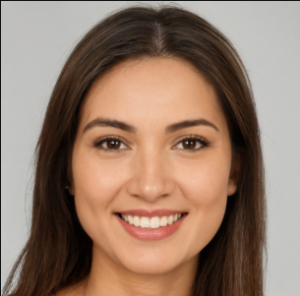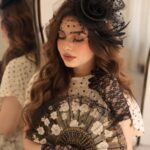
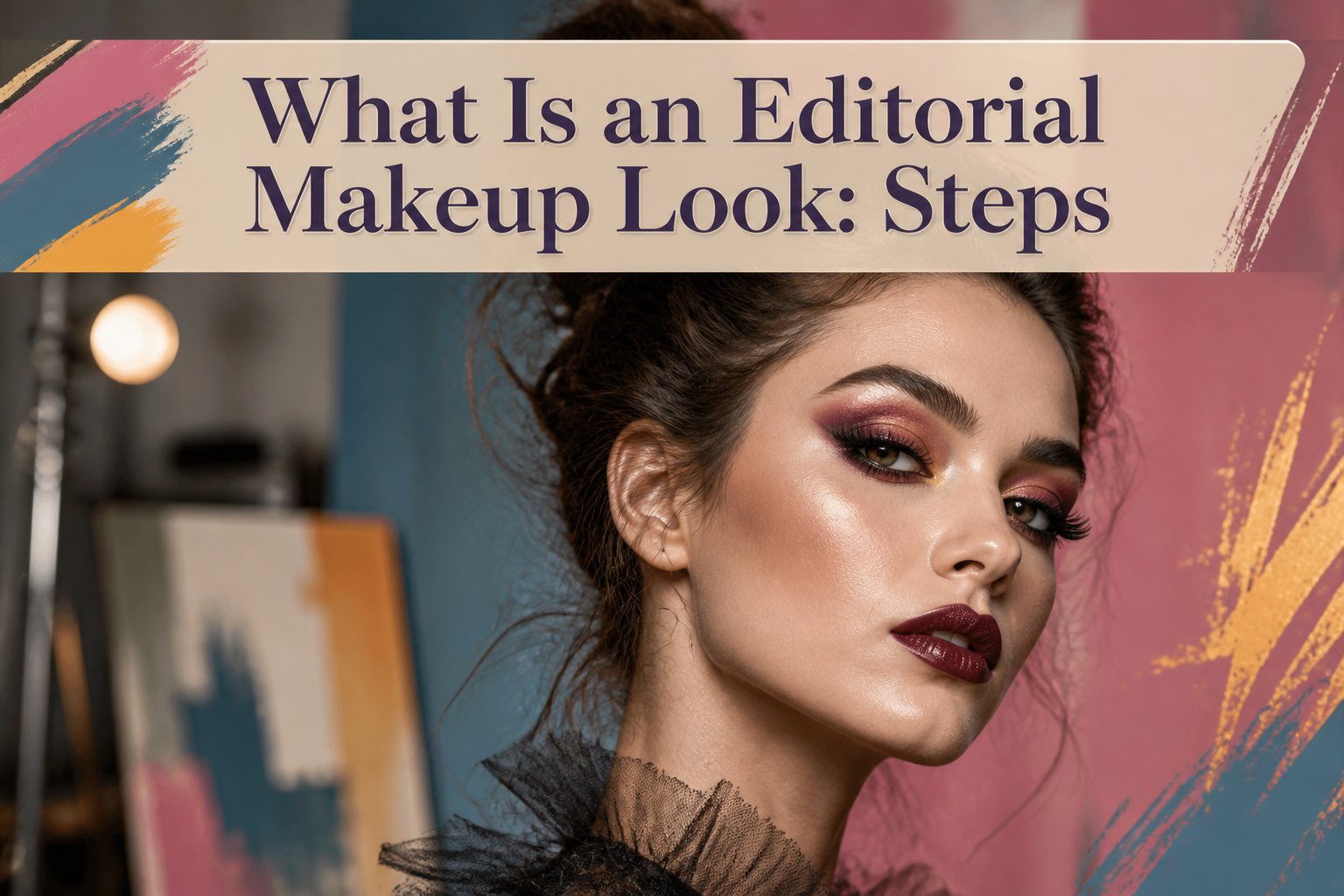
An editorial makeup look is makeup built for the camera, not the mirror.
The catch: what reads as subtle sculpting in person often photographs as flat nothing, and the only fix is building heavier shadow than your eye accepts as real.
That gap, between what the mirror shows and what the lens records, is where most attempts fail.
I learned to trust the overdone stage after watching contour disappear under a flash that blew two hours of careful work into a blank cheekbone.
1. Concept Planning
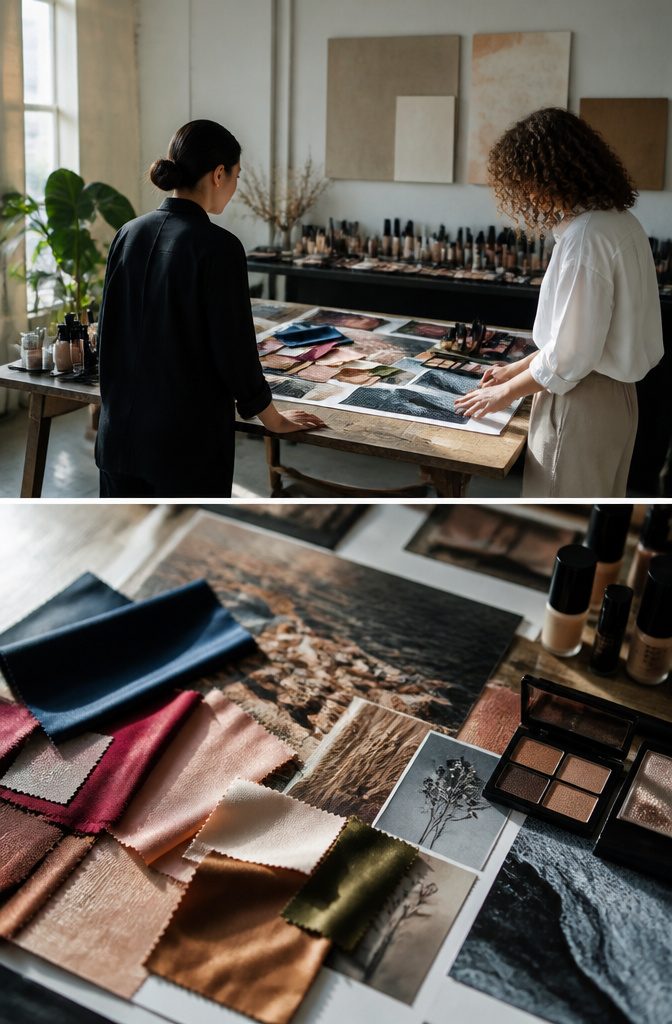
An editorial makeup look starts long before pigment touches skin.
The first real work is reading: current magazine shoots, recent runway collections, whatever is circulating among stylists and photographers right now. Trends shift fast, and the makeup has to feel current, not archival.
Mood boards help. I pull images, color swatches, fabric samples from the wardrobe department, anything that clarifies the direction.
The board is not decoration; it is a contract. When the photographer, stylist, and I stand in front of it, we agree on what we are building or we find the disagreement before the model arrives.
Pre-shoot discussion is where makeup earns its place in the concept. Avant-garde, high fashion, natural beauty: each demands different product choices, different techniques, different tolerance for risk.
The makeup artist who skips this step and starts with a brush is the one whose work looks isolated on the page, pretty but disconnected.
Cohesion is the only thing that makes an editorial image memorable, and cohesion is decided here, in the planning, with the team aligned and the theme locked down.

【8 Blendable Cream Textures】 This cream contour palette includes 4 contour shades, 2 highlighters, 1 blush, and 1 shimmer to sculpt, lift, and brighten your face. Smooth, non-cakey, easy to blend for beginners and makeup lovers.
![LSxia 12 Colors Cream [Blush Contour Concealer] Makeup Palette for Cheeks - All in One Makeup Palette Kit with Brush, Natural Matte Long Wearing, Waterproof Blendable Face Make Up Pallete (#02)](https://m.media-amazon.com/images/I/41NFDs4SAML._SL500_.jpg)
【CREAM MAKEUP PALETTE】- Enhance your natural beauty with our LSxia 12-color cream multi-functional makeup palette. Mix and match to create custom shades that suit your unique makeup needs. Perfect for contouring, highlighting, and adding a pop of color to your cheeks.
![LSxia 16 Colors Cream [Blush Contour Concealer] Makeup Palette for Cheeks - All in One Makeup Palette Kit with Brush, Natural Matte Long Wearing, Waterproof Blendable Face Make Up Pallete (#08)](https://m.media-amazon.com/images/I/41CFPQKGoUL._SL500_.jpg)
【CREAM MAKEUP PALETTE】- Enhance your natural beauty with our multi-functional cream face makeup palette. Mix and match to create custom shades that suit your unique makeup needs. Perfect for contouring, highlighting, and adding a pop of color to your cheeks
2. Skin Preparation
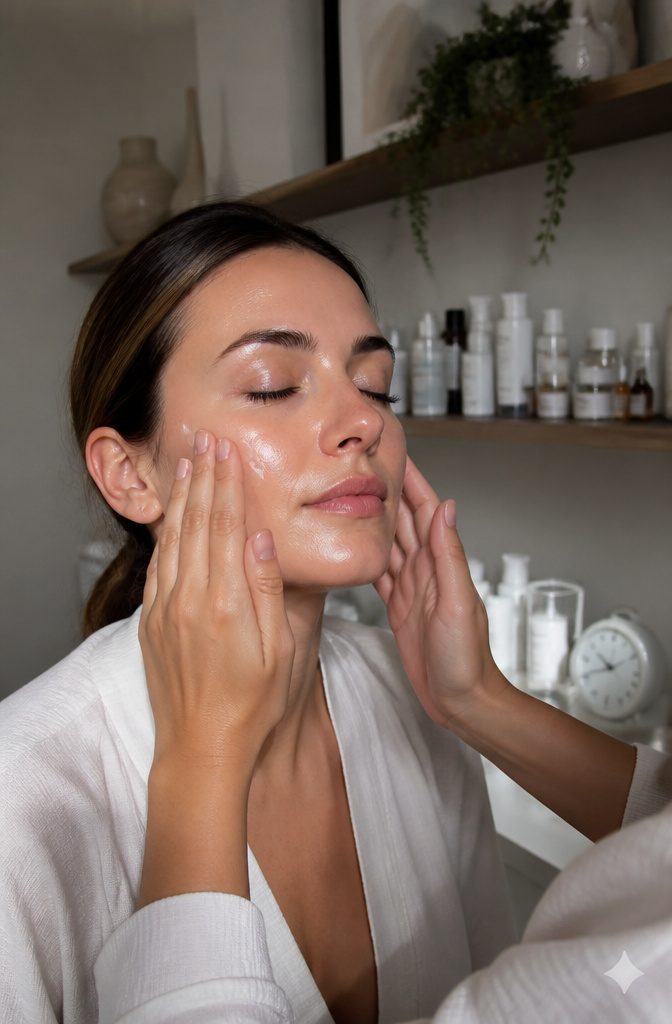
Clean skin holds editorial makeup differently than skin that still carries yesterday’s residue or this morning’s cleanser film.
I start with a proper cleanse and tone, then layer in moisturizer and let it sink in for a full two minutes before touching primer.
That wait matters more than most people think; foundation slides on damp skin, but primer needs something settled to grip.
The base itself does heavier lifting than whatever foundation follows. L’Oréal Paris Studio Secrets Professional Magic Perfecting Base smooths the small imperfections that camera lighting finds instantly, the pores and fine texture that a studio flash turns into topography.
In editorial work, skin has to survive hours under hot lights and constant touch-ups without breaking down. A primer that fills and grips buys you that time.

SKIN-PERFECTING SETTING POWDER: Ready, set, selfie—this setting powder ensures you’re always insta-ready by subtly blurring fine lines, pores, and blemishes for a radiant complexion.

SKIN-PERFECTING SETTING POWDER: Ready, set, selfie—this setting powder ensures you’re always insta-ready by subtly blurring fine lines, pores, and blemishes for a radiant complexion.

Seal in foundation, blur out imperfections and keep oil under control in a universally translucent shade.
3. Base Application
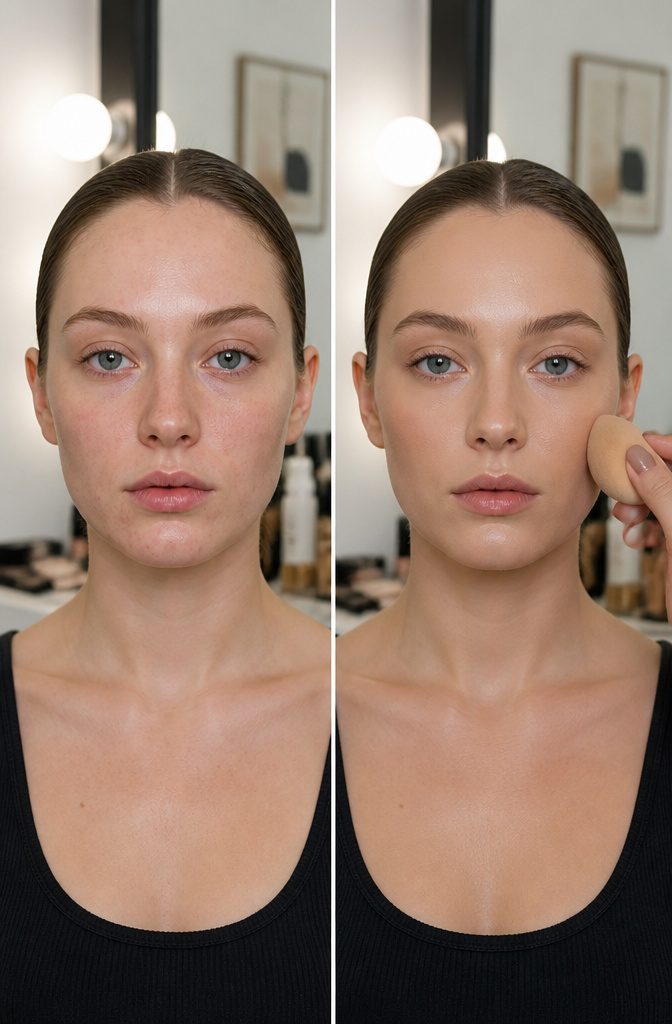
A flawless base is where editorial work separates from the makeup you do for grocery runs or Zoom calls. The camera sees what the bathroom mirror forgives: every unblended edge, every patch where coverage thins.
For an editorial makeup look, blending has to hold up to high-resolution photography, which means the finish needs to be seamless under scrutiny most everyday makeup never faces.
I reach for full coverage when the shoot demands it.
The L’Oréal Paris Infallible Up to 24HR Fresh Wear Foundation, Lightweight, is the formula I keep coming back to for this. It builds without looking built, and it stays where I put it.
I apply it with the Infallible Blend Artist Foundation Blender, working it in until the boundary between skin and product disappears. Tinted moisturizer has its place, but editorial work usually wants the control that full coverage gives you.
The difference is in the expectation: everyday makeup can catch light kindly from a few feet away, while editorial base has to survive close inspection and still read as skin.

Pore Filler: Oil & talc free, this blurring primer with smoothing agents helps minimize the appearance of pores, kills shine & preps your complexion for a smooth makeup application; It's a go to face primer for achieving matte makeup looks with oily skin

PORE MINIMIZING & ANTI-WRINKLE PRIMER: The pore-minimizing formula of our primer face makeup tightens pores and gives a lifting effect to dull and saggy skin. This makeup primer for face with collagen helps to minimize the appearance of wrinkles, fine lines, and smooth skin texture so that it avails skin to be seamless.

Pore less smooth skin perfection
4. Defining Features
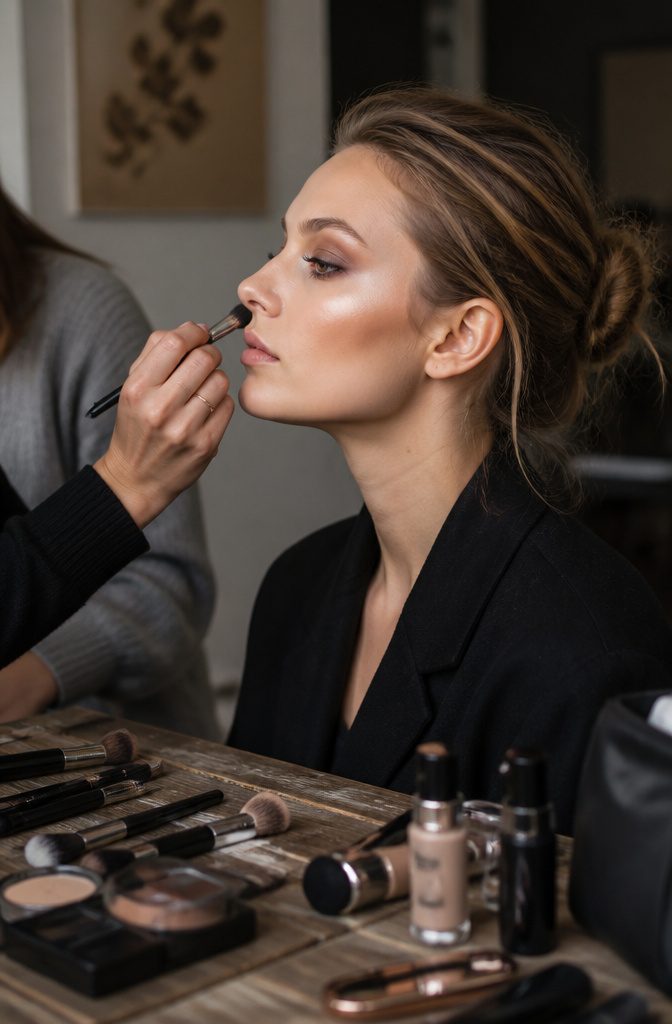
Contouring, highlighting, and blush in an editorial makeup look do the same structural work a tailor does with padding and suppression: they build shape that the camera will read as real, not decorative.
The face needs dimension under lights that flatten everything, so the bone structure gets drawn stronger than nature made it.
What reads as subtle sculpting on set often looks like stage makeup in person, because studio light eats half the definition before it reaches the lens.
The photographer’s strobes or softboxes hit from angles that cancel natural shadow, so the makeup artist has to paint shadow back in, heavier than the eye expects.
Blush follows the same rule. Draping color up toward the temples can lift the cheekbone in a two-dimensional frame, but in daylight that same placement can look like a stripe climbing too high.
The concept governs how far you push it. A clean beauty story keeps contour tight to the hollow and blush low on the apple; a dramatic editorial might extend both into shapes that only resolve under retouching.
The mistake is judging the result in your bathroom mirror and dialing back too soon.
If the contour disappears in the mirror, it will disappear on camera. Build to where you look slightly overdone in person, then let the light do the translating.

Australian Made

LIP GLOSS AND LIP LINER KIT: Get a wet, shiny, defined lip look with the Runway Rogue LuxGloss lip kit. This kit includes the Sheer Pale-Purple Hydrating Iridescent Shimmer, Bride In Show' lip gloss shade and the matte light beige, Spotlight lip liner pencil. Both products use vegan formulas.
5. Eye Makeup and Brows
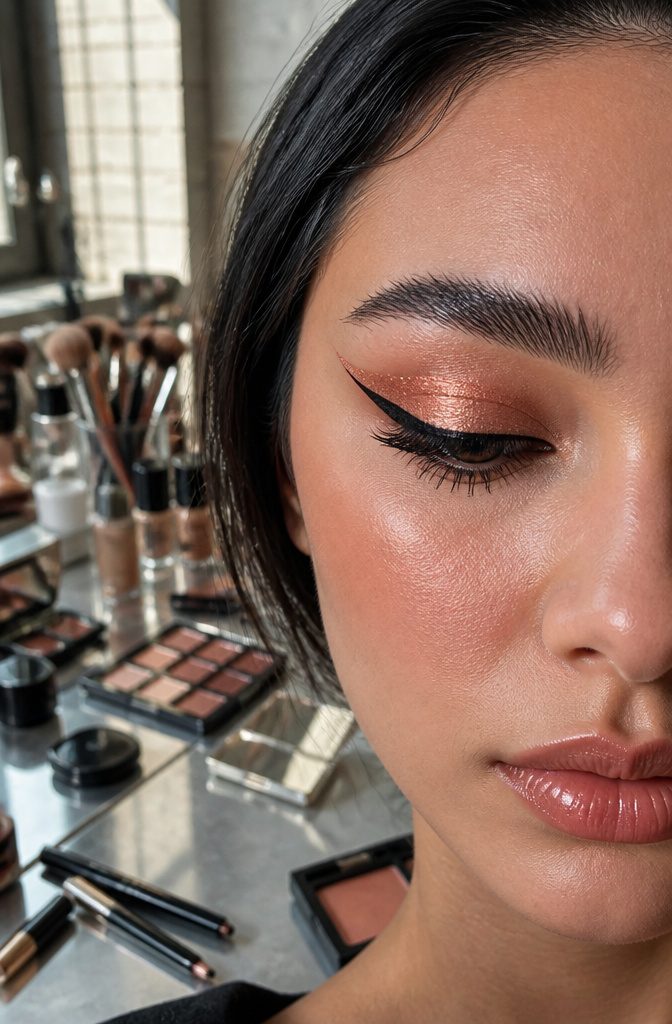
Graphic eyeliner with a metallic or bold color is one way to build an editorial eye, though the step-by-step precision most sources skip is worth addressing directly.
A rose gold liquid liner can coat the lid up to the crease and wing out at the outer corner, then a black waterproof liner along the lash line mirrors that same shape beneath it.
The technique sounds simpler than it is: the two lines need to match in angle and weight, and cleanup with micellar water on a cotton swab is the practical fix when the wing drifts.
Brows frame the whole thing, and two approaches compete. A longwear waterproof brow gel fills sparse areas and sharpens the shape for a polished finish.
But if the brows are already full and well-shaped, brushing them upward for a feathered look adds structure without product overload. The second option keeps the face closer to natural, which sometimes reads more editorial than perfection does.

CONTOUR, BRONZE, SHAPE, SCULPT: Eight shades for face contour and shaping, with two of our merged baked highlighters for illumination. The digital display of shades may appear slightly different once applied due to skin tone and undertones
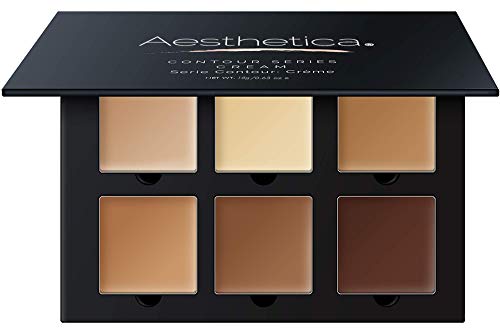
The Aesthetica Cosmetics Cream Contour Kit contains 6 blendable, silky creams that are designed to sculpt, define and highlight your face. Aesthetica puts everything you need to achieve the coveted contour look in one palette.

ALL-DAY WEAR: Specifically formulated for 12+ hours of flawless wear makeup ensuring long-lasting confidence & a gorgeous, lightweight finish
6. Lips and Finishing Touches
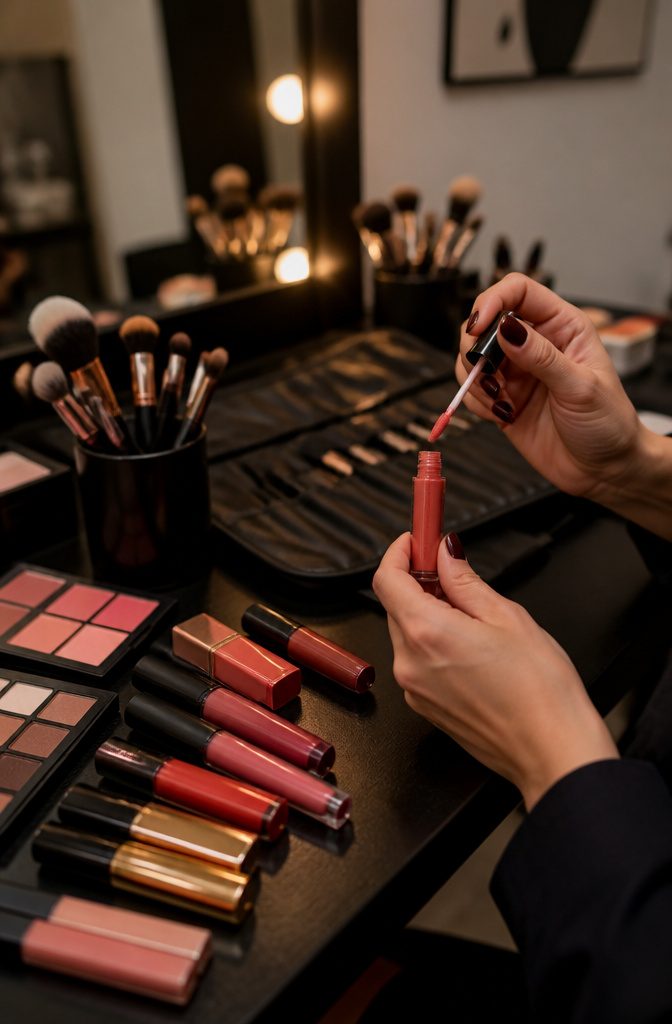
The lip color you choose should either complete the story the rest of the face is telling or deliberately interrupt it. A matte nude keeps attention on sculpted bone structure; a vinyl-bright red shifts the entire photograph to the mouth.
Glossy, high-impact lips work as architectural focal points, especially under studio lights where the catch of reflection reads as dimension rather than slipperiness.
Setting sprays and powders matter here, but the real longevity trick in editorial work is reapplication between shots, not one immaculate application at call time.
A gloss that photographs as liquid silk will transfer, will fade at the center, will need a makeup artist stepping in with a small brush and product between frames.
That rhythm of apply, shoot, blot, reapply is part of the job, not a failure of technique.
Long-wear lip products have their place in a kit, yet the finishes that read most modern, the vinyl and mirror trends, tend to sacrifice staying power for that exact effect.
Building a kit with both options, matte and high-shine, lets you match the product to the concept rather than forcing the concept around what will survive untouched.

THE ULTIMATE SETTING POWDER: The e.l.f. Perfect Finish HD Powder fills in fine lines and blur imperfections, giving your skin a soft, smooth finish.

HIGH-PERFORMANCE, LONG-WEAR – Absorbs excess moisture, reduces tackiness, and mattifies cream makeup. Designed for long-wear to keep your makeup locked in all day.

Brightening Face Makeup: Infallible up to 24H Blur-fection Longwear Loose Finishing Powder sets your makeup while blurring and brightening. Lightweight powders with longwear effects. Transfer and flashback resistant, talc-free with up to 24H wear
7. Runway Execution
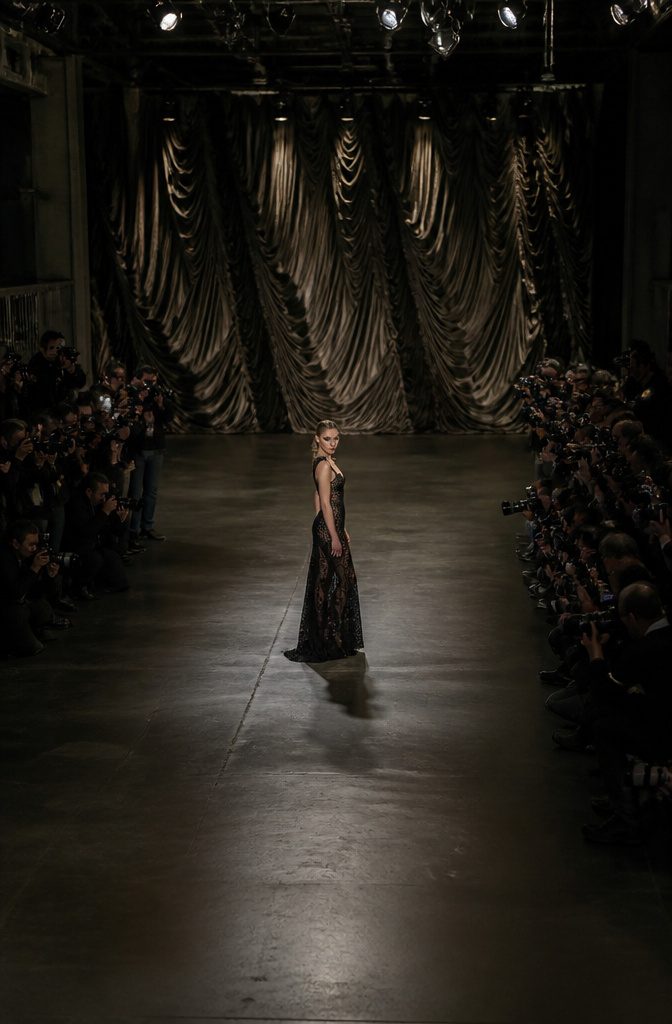
The same face reads three different ways depending on what hits it.
Flash photography blows out subtle contouring and can turn a carefully built cheekbone into a flat plane, so you build heavier shadow than looks right in the mirror if flash is the final destination.
Continuous light, the kind flooding most backstage areas, bleeds warmth and softens edges; what registers as crisp liner under those bulbs can look smudged and lost once the model steps into daylight.
Natural light is the most honest and the most punishing, revealing every texture choice and every blend line you thought you had buried.
I have watched artists at shows realize too late that the designer changed the lineup and their girl now opens under skylights instead of spotlights.
The good ones keep two versions ready: a flash version with doubled pigment and a daylight version with everything pulled back by roughly a third.
They do not guess; they test on a phone camera under each condition during the hour before call time.
Collaboration with stylists happens in motion, not in meetings.
A necklace arrives that sits higher than the mock-up, erasing the collarbone highlight you planned. Hair gets pulled tighter, lifting the brow shape and exposing work you would have placed differently.
The backstage reality is that these changes land ten minutes before exit, and the only useful preparation is an organized kit with pigments accessible enough to rebuild half a face without tipping the brush cup.
Adaptability is not a soft skill there; it is the physical arrangement of your tools and the muscle memory of having done the alternate version already in your head.
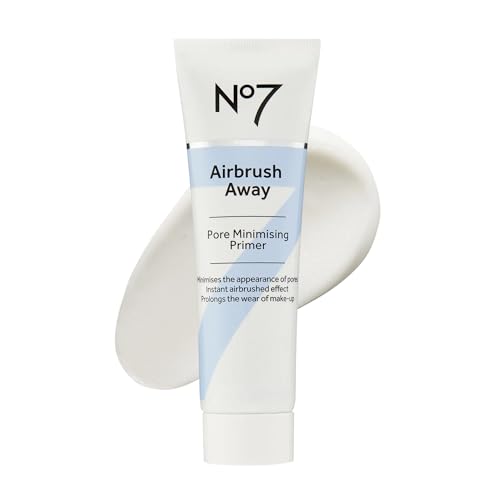
Pore-Blurring Primer - No7 Airbrush Away Minimizing Primer mattifies skin, instantly blurs pores and reduces shine while providing a flawless finish.
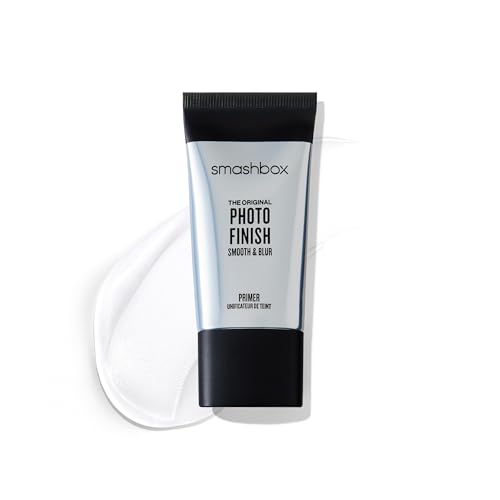
Formula: Instantly smooths and blurs the appearance of fine lines and pores, creating a flawless base that helps makeup apply more evenly and last longer throughout the day.

PORELESS PRIMER: Makeup Revolution's Pore Bluring Primer is infused with smoothing agents that help to reduce and minimize the appearance of poresr; your answer to a seamlessly silky smooth makeup base!
8. Backstage Tips
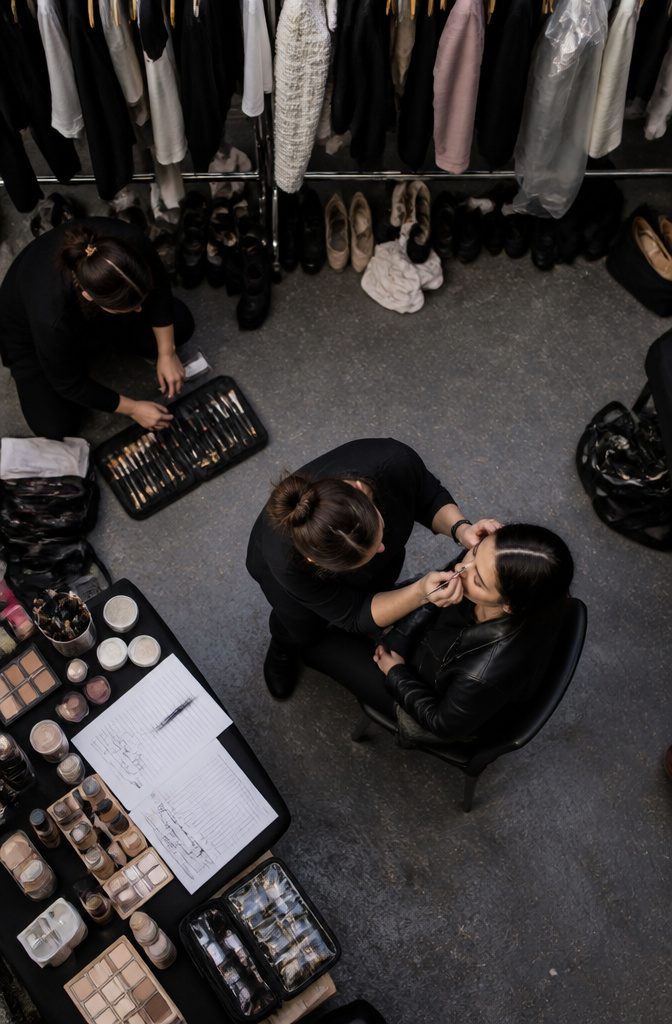
A brush roll laid out in the order you use it saves more time than any single product.
I watched a makeup artist lose six minutes on a four-look shoot because her crease brushes had sunk to the bottom of a zip pouch. Six minutes meant the fourth model got a rushed lip, and the photographer noticed.
Tool organization for quick access follows the same principle as the kit itself: face first, then eyes, then detail work.
Products that serve multiple purposes belong at center. The same blush on lids and cheeks keeps the look monochromatic and keeps your hands out of the bag.
Time allocation per model needs a buffer you almost never use. I plan for the adjustment that never comes, and when a last-minute concept change does arrive, that buffer is what lets me hear it without panic.
The models feel the difference between an artist who is rushing and one who is ready.
Collaboration
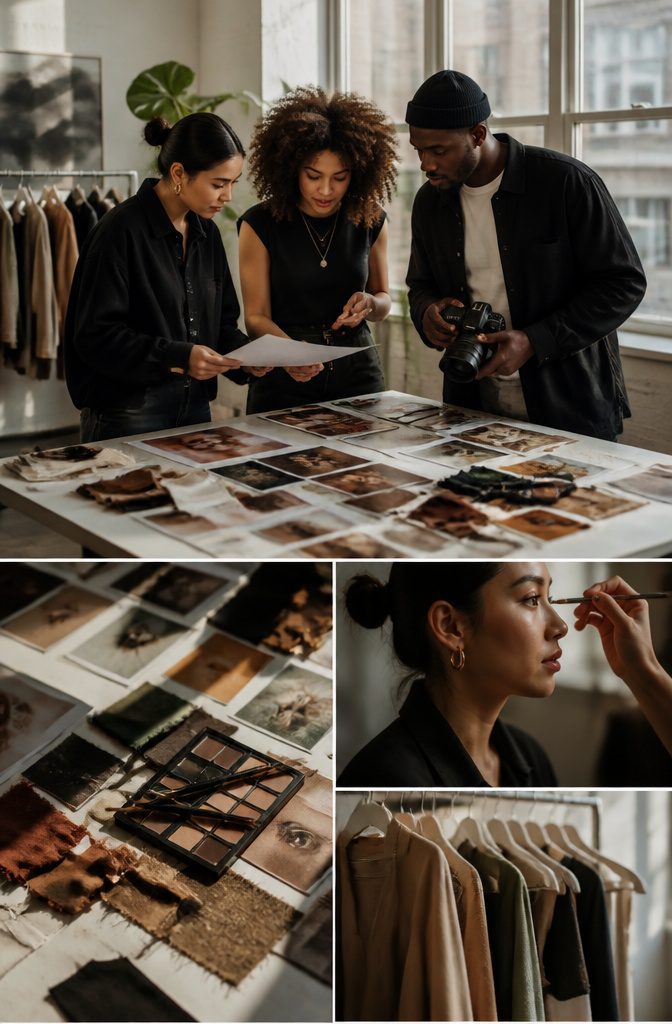
An editorial makeup look falls apart fast when the team isn’t working from the same brief.
I learned this watching a shoot where the makeup artist had spent hours on a matte, sculptured face, only to find the photographer had lit for dewy skin and the stylist had pulled iridescent fabrics.
Three departments, three moods, and six looks that never made it past the first edit.
The brief is the contract. Most teams share mood boards and sketches beforehand, but the gap between "shared" and "understood" is where money burns.
A pre-shoot discussion only works when everyone speaks their own department’s language back: the photographer names the light temperature, the stylist confirms fabric texture under that light, the makeup artist states which products will read as intended.
Skip that back-and-forth and you get the kind of misalignment that costs a full day of studio rental and the team’s flat fees.
The sources describe teams of five to ten people, sometimes with an art director or producer in the mix.
More voices mean more chances for drift. One person has to own the final call on the editorial makeup look, or the model sits in the chair while three departments negotiate by pointing at a screen.

DUO TEXTURE, INFINITE DIMENSION: Features a silky velvet contour on one side to add depth and color, paired with a pearlescent shimmering highlighter on the other to create a radiant, 3D glow. The perfect combination for a naturally sculpted and illuminated look.

WHAT IS IT: This carefully curated palette features six talc-free shades, including three contour shades for defining and sculpting your features and three highlight shades for adding luminosity and dimension.

Highlight and Contour Palette: Sculpt your best features and highlight like a pro with the NYX Professional Makeup Highlight and Contour Pro Palette; Each set includes 8 refillable shades of creamy color perfect for customizing your coverage
Trends
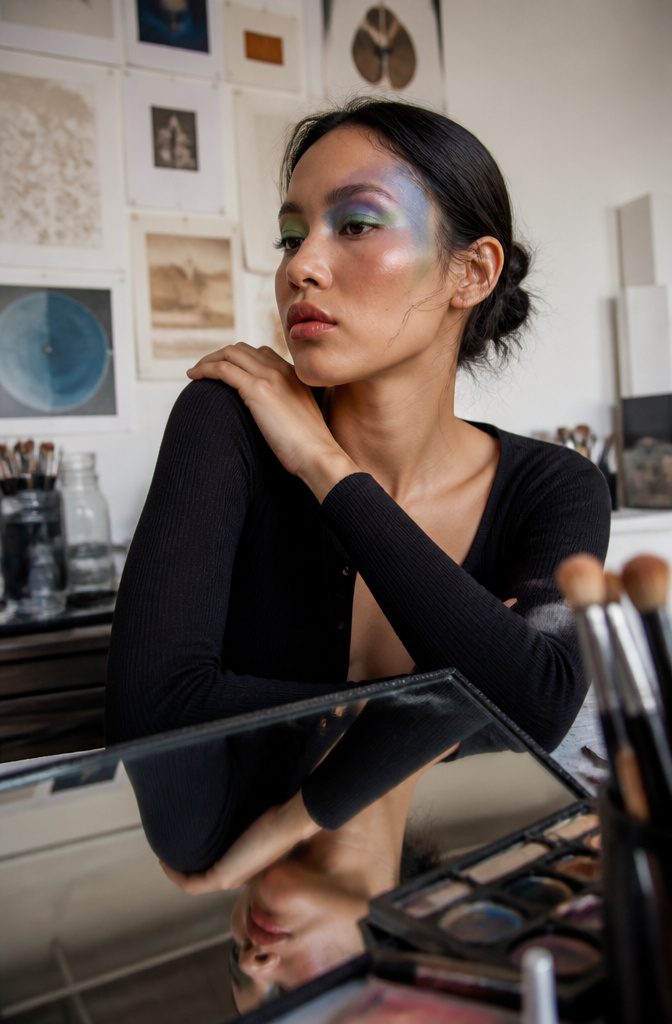
The line between a wearable editorial makeup look and pure runway spectacle sits lower than most people assume.
Bold colours, graphic eyeliner, metallic finishes, and unique textures all filter through from the runway, but the ones that survive on a real face are those that still let the person underneath read as human.
I follow a handful of publications and a smaller handful of influencers, and the test I apply is whether the look would need a team of three to maintain it through a dinner.
If yes, it stays in the reference folder for inspiration, not for execution.
Creative editorial work pushes further: alternative textures, graphics, shapes, uncommon materials adhered to the face, or paint applied to unusual parts of the body. These are the images that now travel from magazines to music videos to the Met Gala.
The shift means contemporary references are as likely to come from a celebrity’s red carpet as from a fashion editorial, which changes how quickly a trend arrives and how long it lasts.
The useful skill is knowing which trend to borrow and which to leave as spectacle.
Versatility matters more than novelty; a portfolio that shows both contemporary and timeless work appeals more to clients and creative directors than one that chases every new texture without discrimination.

High Definition Pressed Finishing Powder: Get HD camera ready; This silky mineral based pressed color correcting powder provides translucent coverage and has a lightweight matte finish

Provides a natural, matte and flawless finish

Long-lasting Makeup Hold: MEICOLY setting powder ensures your makeup stays flawless all day long without moving, even under the harshest stage lights.works well to set makeup, no touch-ups needed, as your look remains intact from morning till night.
Portfolio Development
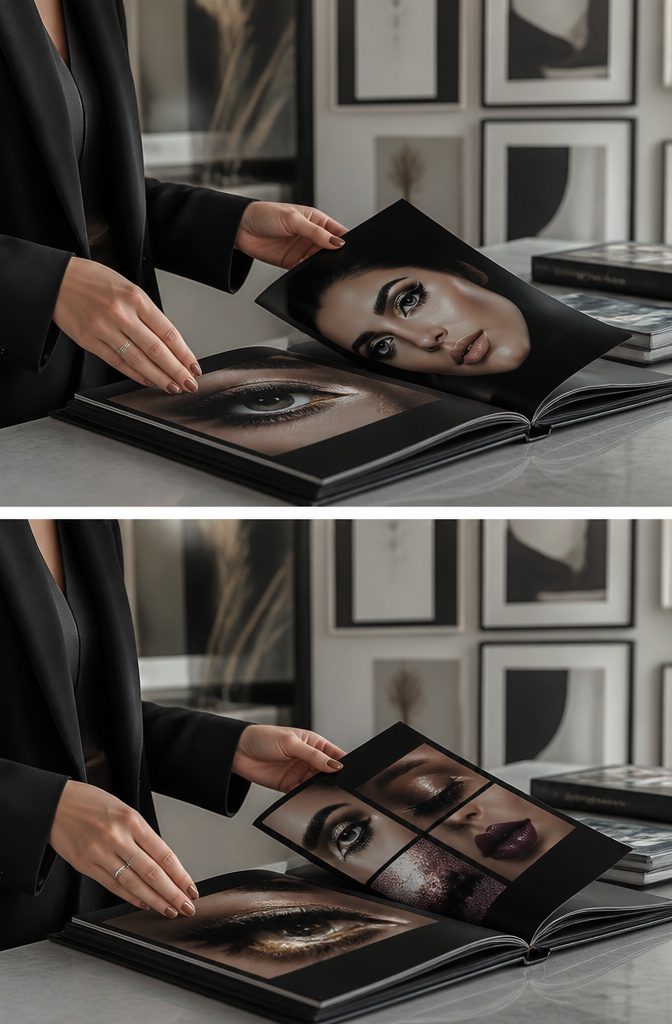
A portfolio lives or dies on what the viewer sees in the first three seconds, so high-quality images are non-negotiable.
Flat lighting or a phone flash will flatten the editorial makeup look you spent two hours building; directional, even light and a sharp angle let the blending, the negative space, the deliberate imperfection all read as choices rather than mistakes.
The order matters as much as the content.
Lead with the work that got you hired, not the work you loved most. Runway-ready looks and editorial shoots both belong in the mix, but the placement should telegraph range immediately: technical precision here, creative risk there.
An art director flipping through needs to know you can execute the full editorial makeup workflow without guessing whether the next page will deliver.
Organization is restraint. Five strong images outrank fifteen uneven ones every time, and the weakest entry sets the ceiling for how your skill gets priced.
Cut the portfolio down until every piece could sit in the opening slot, then lead with the one that already has.
Time Management
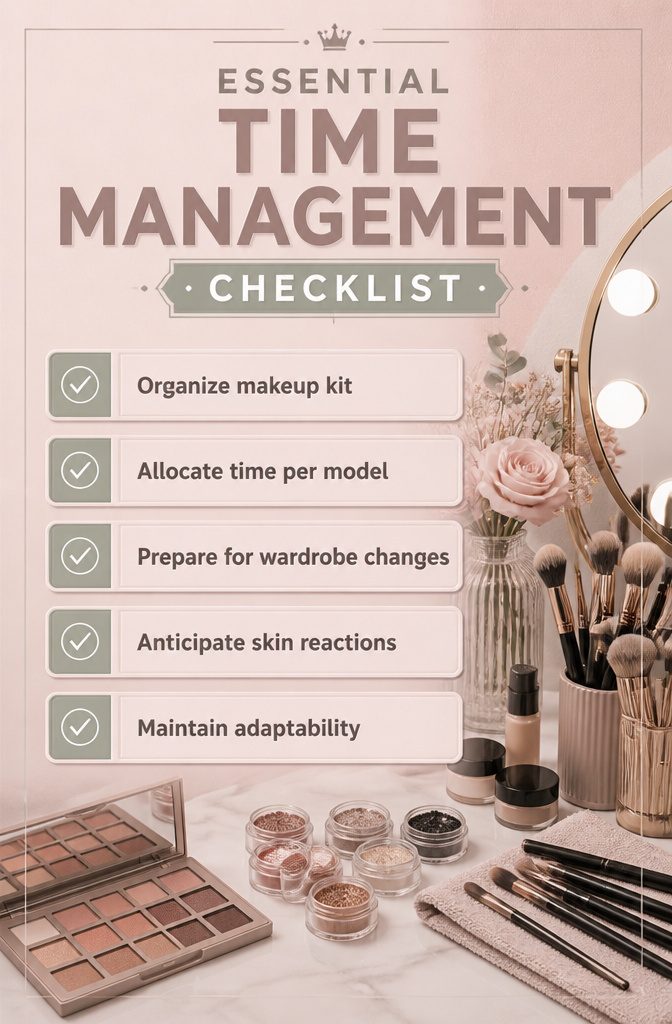
A call time that was generous at 8:00 AM can collapse to nothing when the first look runs long, and the shot list somehow doubles while nobody is watching.
That is the normal backstage rhythm, not the exception, and the makeup station has to keep pace without announcing the pressure.
The kit layout matters first. Brushes, pigments, and tools arranged for single-handed reach save the minutes that add up across four or five faces.
I have seen artists lose thirty seconds hunting a specific liner while the photographer checks light, and thirty seconds times six models is the difference between ready and rushed.
Allocate time per model, then cut it by a quarter as your baseline, because the schedule will shrink and you will need the buffer.
Adaptability is not a soft skill here. Wardrobe changes, last-minute concept shifts, or a model’s own skin reaction all land on the station with no warning.
The artist who can strip a planned eye down to its essential shape and still deliver the editorial impact keeps the day moving. Efficiency is what protects the quality; without it, speed just produces half-finished work.
Common Challenges
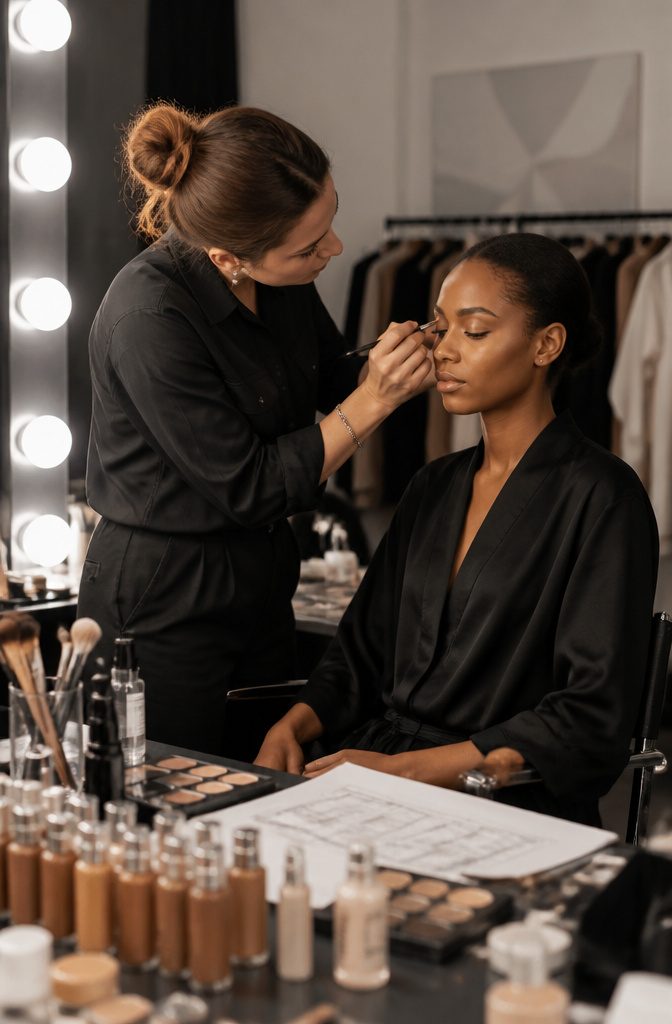
Tight schedules, diverse skin types, and last-minute changes are the reality of any editorial makeup look worth creating. The pressure is not an exception you plan around; it is the baseline you build into.
Renelyn Thomas once had to execute four distinct editorial looks in under 30 minutes each.
That kind of compression forces a minimalist approach that still reads as intentional on camera, not rushed. The lesson was efficiency without sacrificing the impact the image demands.
Model diversity adds another layer.
A kit organized for one skin tone fails the moment the call sheet changes, and it will change. Products and techniques have to cover a genuine range of tones and textures without the luxury of a test day.
The hardest part, for me, is the last-minute pivot. A concept shifts, wardrobe arrives wrong, a model has a reaction you did not anticipate.
Adaptability is not a soft skill here; it is the technical foundation that keeps the work usable. You either have a system for those moments or you lose the shot.
Frequently Asked Questions
What are the key editorial makeup steps every MUA should know?
Start with thorough skin prep, then lay down a flawless base that can survive high-resolution photography.
Define features with contour and blush built heavier than looks natural in person, perfect the eyes and brows to match the concept, and finish with lips and setting products chosen for how they read under the specific lighting.
Each step has to hold up to close inspection and hours of shooting, not just a bathroom mirror check.
How can I improve my runway look execution?
Test your work under the exact lighting conditions the model will face, keeping alternate versions ready for flash, continuous light, or daylight.
Build pigment roughly a third heavier for flash than for natural light, and organize your kit so you can rebuild half a face in minutes when wardrobe or hair changes last-minute.
The muscle memory of having planned the alternate version in advance matters more than speed alone.
How do I stay updated on magazine makeup trends?
Read current magazine shoots, follow runway collections, and track what stylists and photographers are circulating now, not what was current six months ago. Mood boards built from recent references keep your work from looking archival.
The test for whether a trend belongs in your kit is whether it still reads as human on a real face without a team of three to maintain it.
Do I need professional photography for my editorial portfolio?
Yes, high-quality images are non-negotiable because flat lighting or a phone flash will flatten the editorial makeup look you spent hours building.
Directional, even light and a sharp angle let your blending and deliberate choices read as skill rather than mistake.
Lead with the work that got you hired, organized to show range immediately, and cut until every piece could sit in the opening slot.