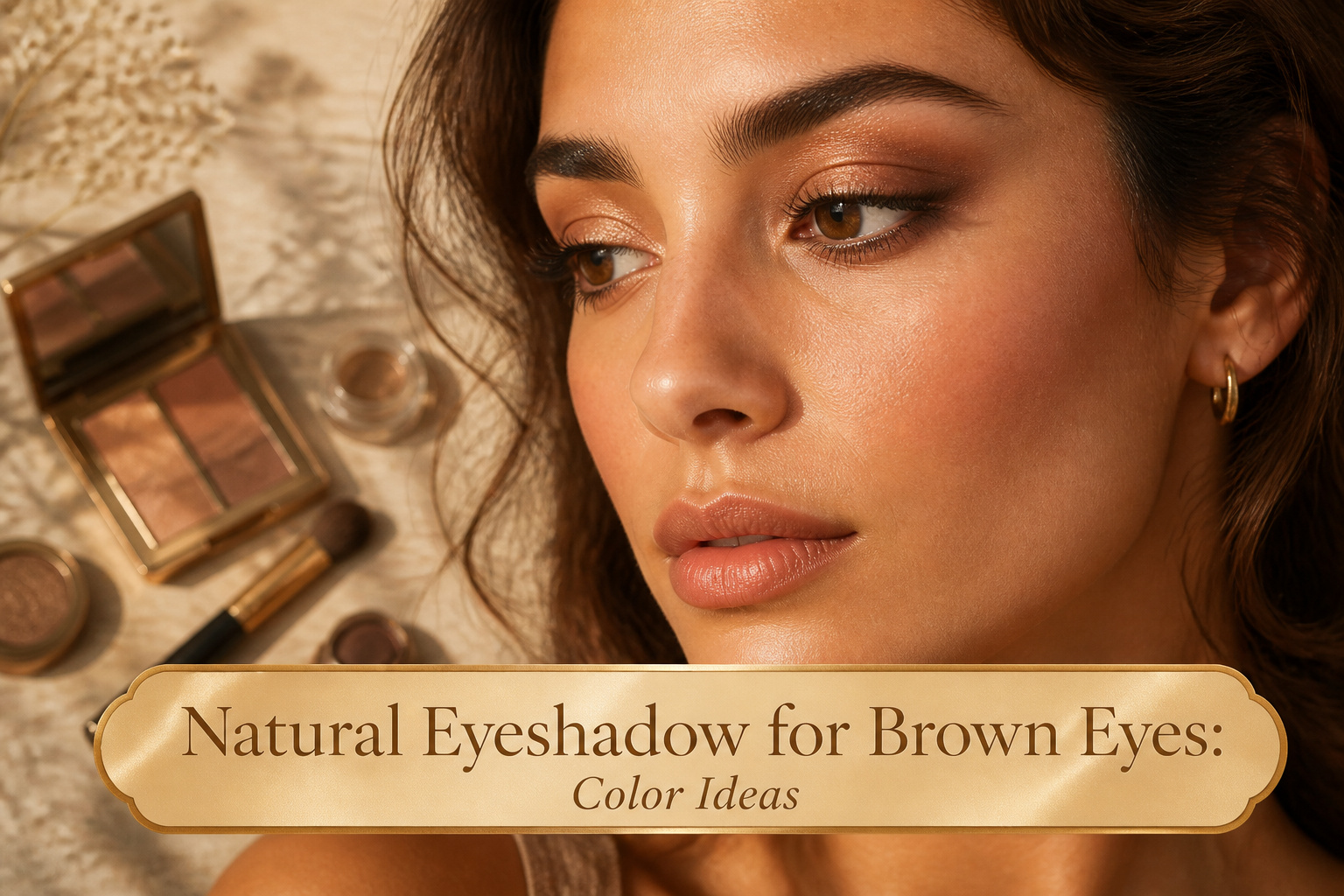
Warm bronze is the shade that lands on brown eyes like candlelight on wood, pulling amber and honey flecks forward without reading as makeup. If your skin runs cool or olive, skip ahead to soft taupe or navy; the orange in bronze can turn muddy against blue undertones. The cost of getting it wrong is a lid that looks oxidized rather than polished, which is why skin undertone matters more than eye color once the shadow sits on your face. Nikol Beauty built an entire trio around this logic, pairing bronze toffee with rose gold and golden taupe so the shades move through the same family without flattening into one wash.
1. Warm Bronze
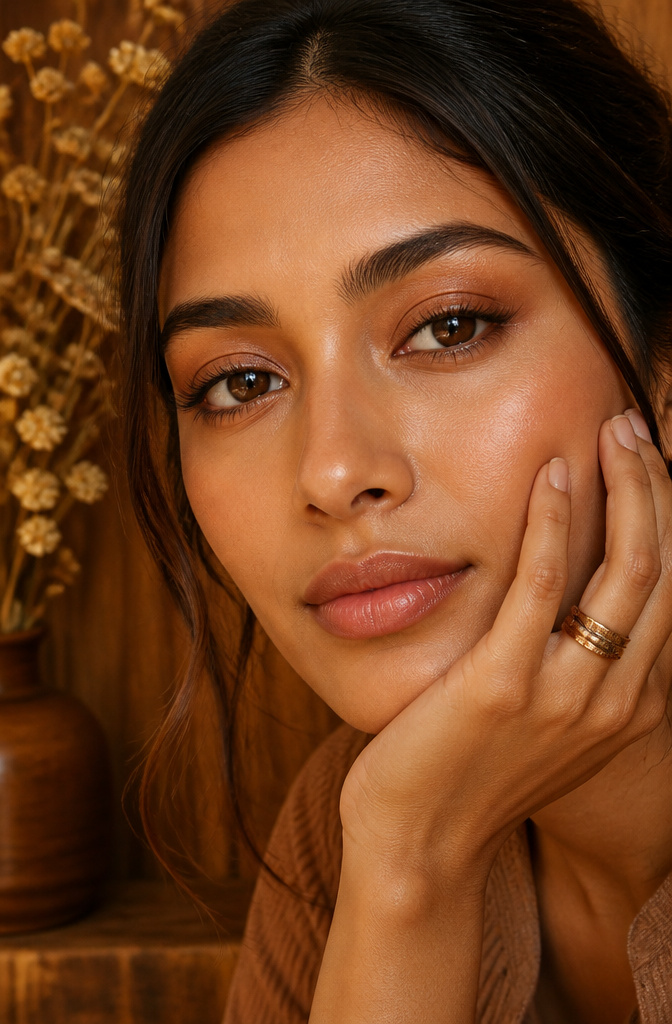
Warm bronze lands on brown eyes the way candlelight lands on wood. The warmth pulls out the amber and honey flecks that sit quietly in most brown irises until something coaxes them forward. This is not a shade that announces itself across a room. It builds dimension slowly, so the eye looks brighter without the makeup reading as makeup.
The recommendation for warm bronze comes up more consistently than almost any other shade I found while comparing notes. It works all over the lid for an everyday shape, or pressed a little heavier into the outer corner when the day runs into evening. Nikol Beauty built an entire trio around this logic: rose gold, golden taupe, and bronze toffee that move through the same family without ever flattening into one flat wash.
Cool tones like navy or emerald will give you contrast if that is what you want. But bronze does something subtler. It stays in the same tonal world as the eye itself and simply turns the volume up on what is already there. That makes it the most reliable choice when you want to look polished without looking like you worked for it.

Eyeshadow Palette: This professional level makeup palette features 16 vegan, pigmented shadows that glide onto lids and make eyes pop with color; Use with NYX Professional Makeup eyeshadow primer for bolder, longer lasting color

Multicolor:Eyeshadow palette has a variety of bright colors for you to choose from,you can easily mix and match colors,reasonable color matching,and eyeshadows with high pigmentation will make your eye makeup look more lustrous

✦Flattering for All Ages – With 18 pop colors, cool and stunning. 4 Multi-Reflective Shades, 10 Nude Matte Eyeshadows, 2 Glitters, 1 Pressed Pearl, 1 Concealer Base, From teens to older women, this versatile palette offers timeless shades that suit every stage of life. Soft tones and easy blending make it beginner-friendly while offering depth for more advanced looks.
2. Rich Copper
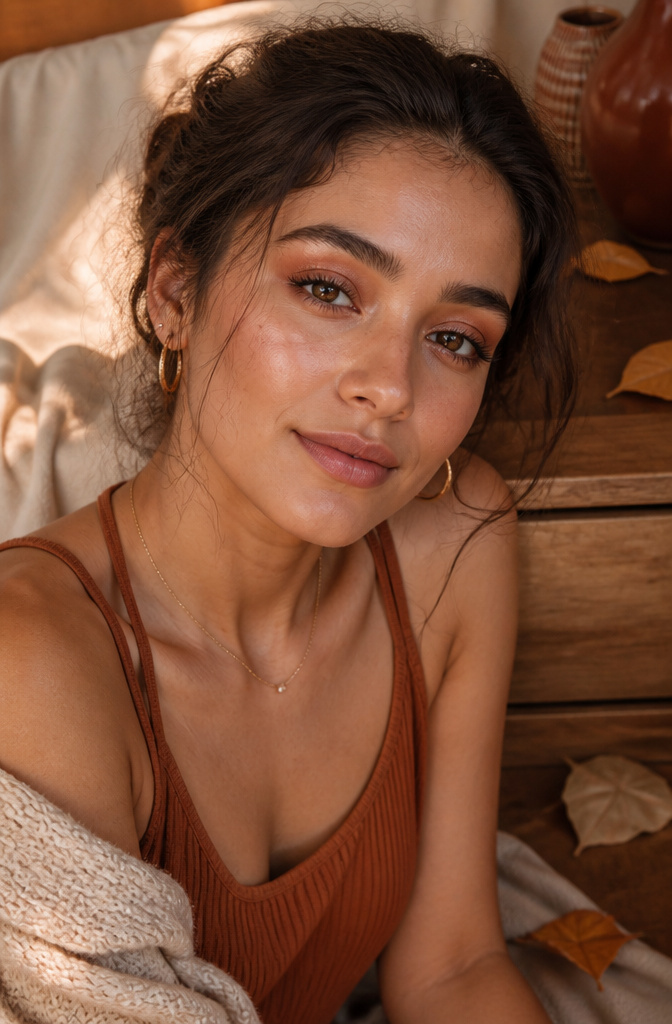
Copper sits right between orange and brown on the color wheel, which is exactly why it works as natural eyeshadow for brown eyes rather than costume makeup. The shared warmth lets medium and deep brown eyes absorb the shade instead of fighting it, and that orange-red undertone can pull an almost amber flash from the iris in certain light.
I learned to be careful with depth, though. Dark gray and black shadows pressed too close to a deep brown eye can flatten it out entirely; copper does the opposite by feeding the eye’s own warmth back into itself. On lighter brown or hazel irises the effect is softer, less dimensional, because there is already less depth for the shadow to echo.
Warm and neutral skin tones carry it best. In autumn and winter palettes especially, a copper wash across the lid with brown liner and mascara reads as alive rather than applied, which is the whole point of calling something natural in the first place.

CREAM-TO-POWDER SHIMMER FINISH WITH ALL-DAY HOLD: Starts as a silky, pigment-rich cream and sets to a luminous shimmer powder that stays crease-free and fallout-free —delivering glowing, dimensional shimmer lid color that truly lasts.

【Flattering Shades for Every Skin Tone】 Each stick is thoughtfully crafted in rich, smoky tones that flatter all complexions. From warm neutrals to deep charcoals, these pigmented shades enhance your eyes and add instant dimension with minimal effort.
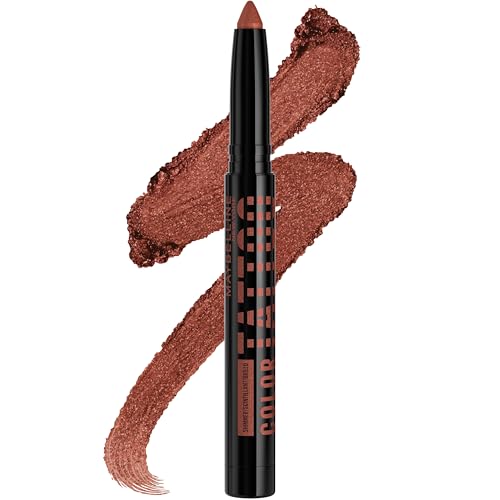
All-in-1 Eye Shadow, Eye Liner and Eyeshadow Primer: Maybelline’s Color Tattoo Eye Shadow Sticks deliver 24HR tattoo performance for all day wear in a multi-use stick. It primes, defines, lines and highlights lids with ease
3. Shimmering Gold
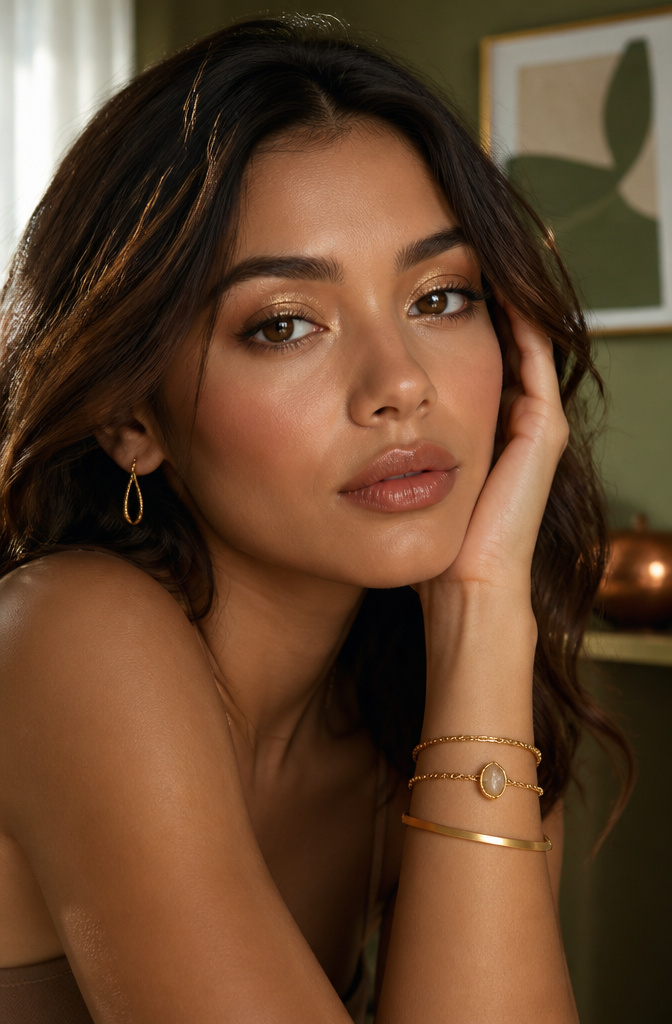
Shimmering gold sits right next to bronze as one of the most universally flattering choices for brown eyes, though the difference between a useful gold and a dated one is worth watching for. A true gold carries enough depth to read as light catching the lid rather than a metallic mask sitting on top of it. The yellowish frosts that dominated the early 2000s flatten everything out and can read as costume now; what works in 2026 has a softer, more dimensional quality.
The placement matters as much as the shade. Tapping it onto the center of the lid or the inner corner opens the eye area and catches light where you actually want it, rather than washing the whole socket in shimmer. This is the move for making brown eyes look bigger and brighter without reaching for a darker or more dramatic color.
Warm tones like gold enhance the natural warmth already present in brown eyes, which is why it flatters across undertones. Cooler contrasting shades have their place, but gold is the forgiving option that does not require figuring out where you sit on that spectrum. Finish with black or brown eyeliner and a few coats of mascara to keep the definition from getting lost in the glow.
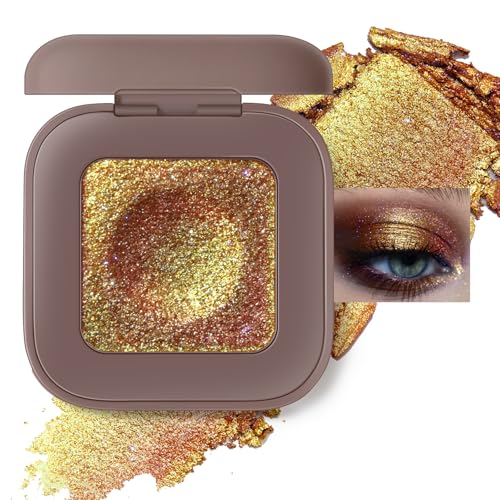
High-Intensity Diamond Glitter Eyeshadow: Infused with rich color payoff and a dazzling diamond-like glitter top layer, this eyeshadow delivers stunning duochrome effects with just a gentle swipe. The multidimensional reflectivity adds depth and brilliance to make your eyes pop with vibrant, buildable shine. Ideal for creating head-turning looks effortlessly

BLEND IT, BEAUTIFUL: These eyeshadows have a silky sheer formula that blends easily

【Rich Pigment & Versatile Shades】Featuring an array of multi vivid shades including black, white, brown, purple, green, and beige, this pressed powder eyeshadow palette is designed for crafting stunning eye makeup looks that range from subtle to bold. Each shade is highly pigmented for impactful color that draws attention
4. Earthy Terracotta
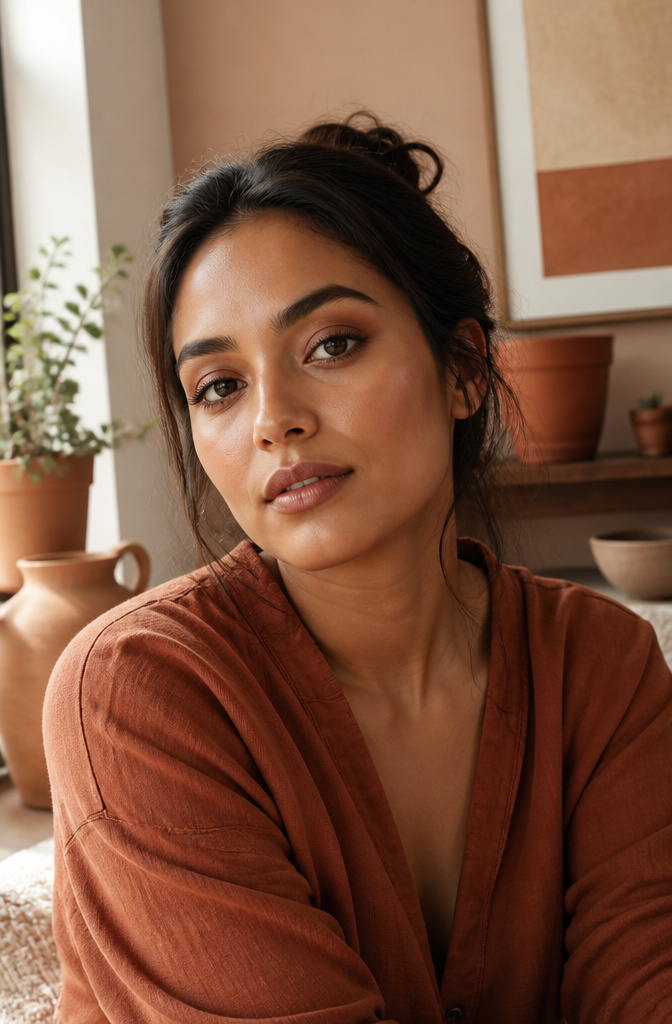
Terracotta sits in that useful space between rust and clay, orange-red-brown without the metallic finish of bronze or copper. A matte terracotta in the crease adds depth without darkness, and on medium or tan skin it reads as warmth rather than color. The passage from Nikol Beauty notes it works best there as a transition shade, which matches what I’ve found: it bridges a base and a deeper accent without demanding attention itself.
For warm undertones, terracotta flatters almost automatically, picking up the yellow or golden cast in skin that tans easily and wears gold jewelry well. Neutral skin can wear it too, though the effect is quieter, more grounded. Clarins groups it with caramel and copper as an earthy tone that enhances the natural warmth already in brown eyes, and that is the point: it does not brighten or contrast so much as deepen what is there.
I keep terracotta for days when shimmer feels like too much, or when the light is flat and metallics turn ashy. It is a workhorse, not a statement, and that is its value.

Long-Lasting Wear: Award-winning eye shadow provides up to 12 hours of wear for a flawless look.

【ALL-MATTE EYESHADOW FOR MATURE WOMEN】Erinde 10-color eyeshadow palette series 04# Cement, "ALL MATTE" eyeshadow palette with a range of warm and cool tones, from soft matte light gray to rich dark brown, suitable for older women who like natural eye makeup and young people who need dignified eye makeup.

1. HIGH-IMPACT MATTE COLOR – A soft light taupe matte eyeshadow with warm beige and oat undertones creates a natural brightening effect. Perfect for eye socket blending, under-eye softening and seamless base layering for clean, natural eye looks
5. Soft Taupe
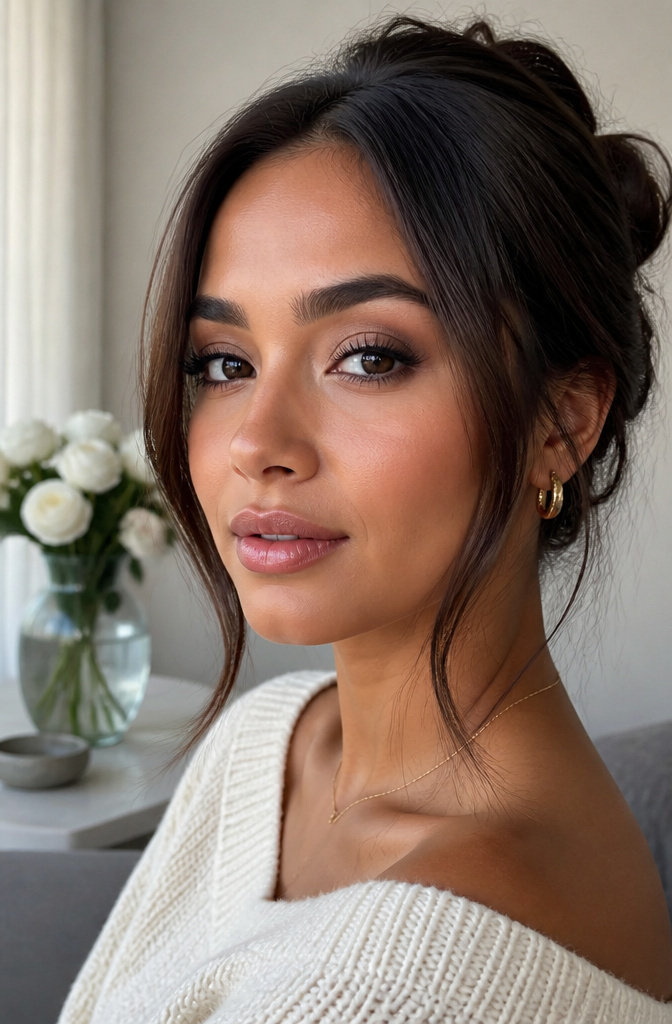
Soft taupe is the cool-neutral that defines brown eyes without adding color. It reads as shadow rather than pigment, which makes it the most versatile workhorse in a natural palette.
The grey-brown mix sits differently depending on where you place it. In the crease, it works as a transition shade that builds depth without warmth. On the lid itself, taupe flatters very fair skin that turns muddy under true browns or reads too cool under pure greys. It also functions as a blending tool, softening the edge between a deeper outer-corner shade and the brow bone without leaving a visible trace of its own.
What surprised me, comparing notes across palettes, is how forgiving taupe is across undertones. The same pan that looks almost lavender-grey on warm olive skin turns a proper neutral brown on cooler complexions. Nikol Beauty’s Rewrite The Rules trio includes a matte taupe built for this kind of shape-shifting, and their Strong Brew palette pairs it with richer cocoa for when you want to stay in the same family but go deeper. A shimmery taupe on the lid, kept to the center and paired with a brown winged liner, is the drugstore look I see referenced most often for brown eyes. It requires almost no technique and still looks intentional.

Long-Lasting Color: Wugbc cream eyeshadow stick provides highly pigmented vibrant shades in one swipe- no patchiness! The smooth creamy texture glides on effortlessly and stays for long lasting wear without fading or creasing. Suitable for daily makeup or special events

Revolutionary eyeshadow with instant colour release and dual wet and dry use

Easy-to-wear shades. All-day wear.
6. Deep Chocolate Brown
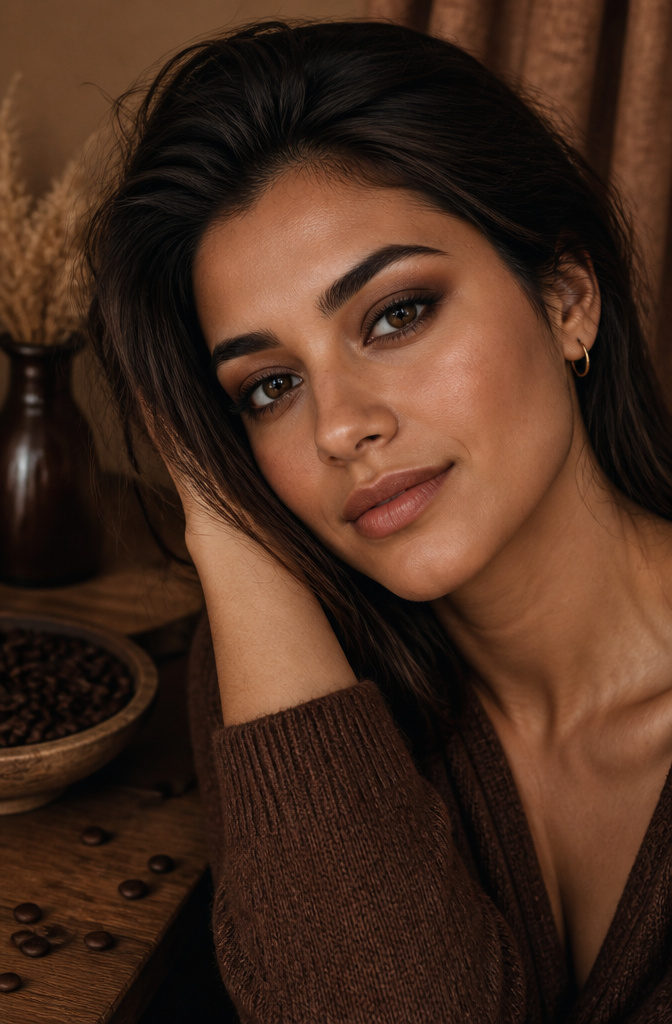
A deep chocolate brown shadow gives brown eyes the definition of a smoky eye without the harshness that pure black creates. The warmth in the right chocolate shade softens into your natural color rather than fighting against it, which is why multiple sources specifically warn against reaching for straight black on brown eyes.
The brown smokey eye is the toned-down cousin to the black smokey eye, just as cool, but not as dramatic and more suited for daytime.
That distinction matters for daily wear. Layer the chocolate shade over a lighter base and concentrate it at the outer corner or along the upper lash line for depth that reads as definition, not costume.

Your Golden Hour Muse: Let the Aurelia palette inspire your mood. This curated collection of 9 warm-toned neutrals—from soft matte browns to luminous coppers—is designed to effortlessly create that perfect, sun-kissed soft glam look, whether for day or night

The Neutrals of Our Dreams - Go loco for this toasted neutral 9 pan palette, perfect for your every day look. This super wearable neutral eyeshadow palette is cute, compact, and ready for any natural makeup look.

Gorgeous Finishes: Unlock a number of artistic styles with this palette of warm and cool nude pigments in matte, shimmer, and glitter finishes. The only limitation is your own creativity.
7. Amethyst Purple
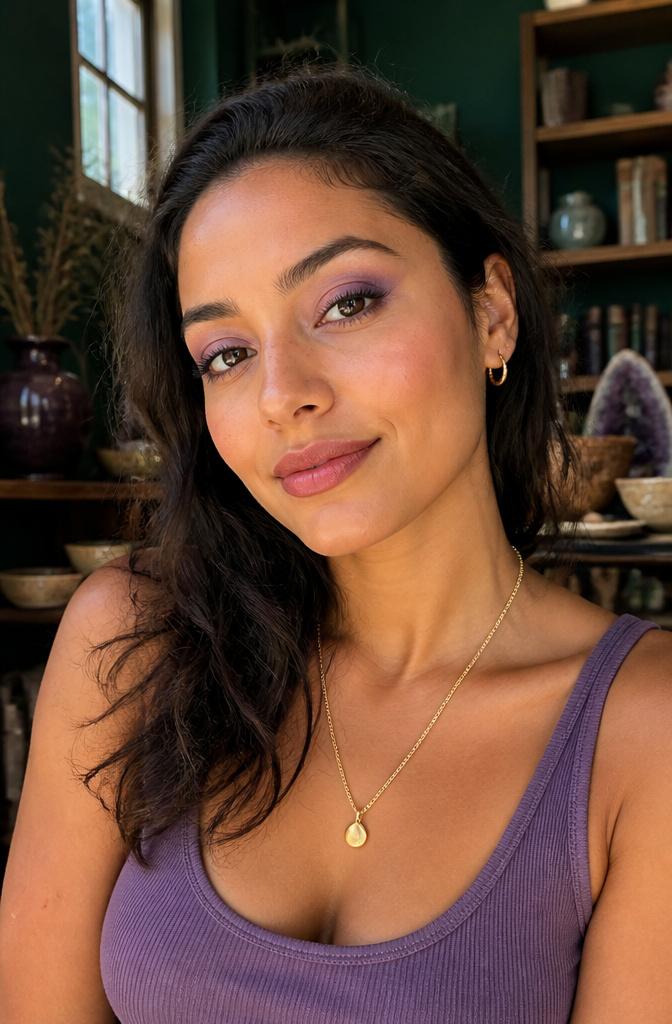
Purple sits opposite yellow on the color wheel, which is exactly why amethyst works on brown eyes. Most brown irises carry warm amber or golden undertones, and that complementary contrast makes both colors read more vivid: the purple deepens, the brown brightens. Amethyst is the easiest purple to wear because it is saturated enough to matter but not so cool that it turns costume-like. Applied sheer, it is one of the boldest choices that still counts as natural. The Nikol Beauty Naughty Nancy trio, a set of sparkling mauve, plum pink, and deep plum, is a ready-made way to get this brightening effect without mixing shades yourself. Sheer application is what keeps it wearable for daytime; build it only where you want the color to pool, usually the outer third of the lid.

Molten Copper Radiance – Rich copper, amber and golden shimmer blend together to create a sophisticated metallic eye look with subtle multidimensional reflections.

100% clean vegan formula free of talc, mineral oil, paraben and fragrance

CREAM-TO-POWDER SHIMMER FINISH WITH ALL-DAY HOLD: Starts as a silky, pigment-rich cream and sets to a luminous shimmer powder that stays crease-free and fallout-free —delivering glowing, dimensional shimmer lid color that truly lasts.
8. Plum
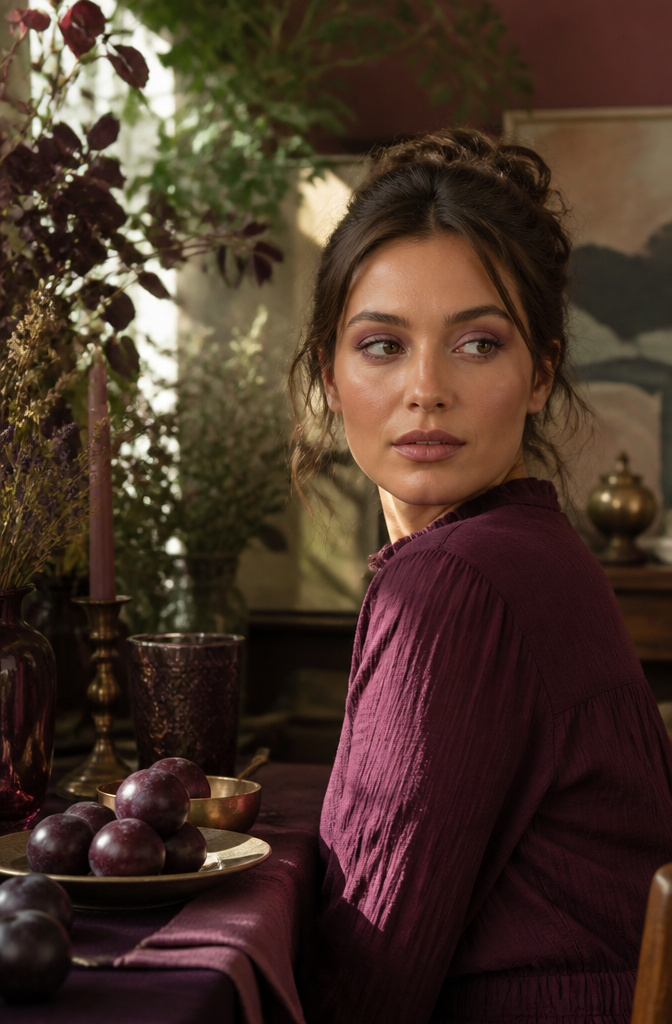
Plum sits where amethyst becomes too loud. The brown in its base pulls the color inward so it melts against skin rather than floating on top, which makes it the practical choice for anyone who wants purple’s contrast without the costume effect. Cool undertones and deeper skin tones carry it best; on mine, a warm medium, it reads muddy unless I keep it sheer.
The move that works is treating it as a liner or a depth color. Smudged along the upper lash line, it gives the same brightening effect against brown eyes that the sources describe, just quieter. Blended into the outer corner, it builds enough drama for evening without requiring a full lid commitment. I skip packing it across the whole eye; the brown base that makes plum subtle also turns it bruise-like when over-applied.

✦MATTE AND SHIMMER COLORS: Both matte shadows and shimmers have velvet creamy texture in range of metallic, satin, and matte finishes. Each color is unique, easy to layer and blend. You can use base primer for better application. If you get a damaged eyeshadow palette, please feel free to contact us for a best solution.

DAILY & PARTY READY: This dazzling shimmer eyeshadow enhances your eyes with a charming and long-lasting glow, making them stand out in any occasion. Sparkle Brown Gold Metallic Glitter Eyeshadow

Shadow, Line and Prime: Meet our 1st all-in-one eyeshadow, eyeliner and eyeshadow primer. Color Tattoo Up To 24HR Wear Eye Stix brings easy all-in-one color. Made with tattoo-powered pigments, this eyeshadow stick delivers up to 24 hour wear
9. Navy Blue
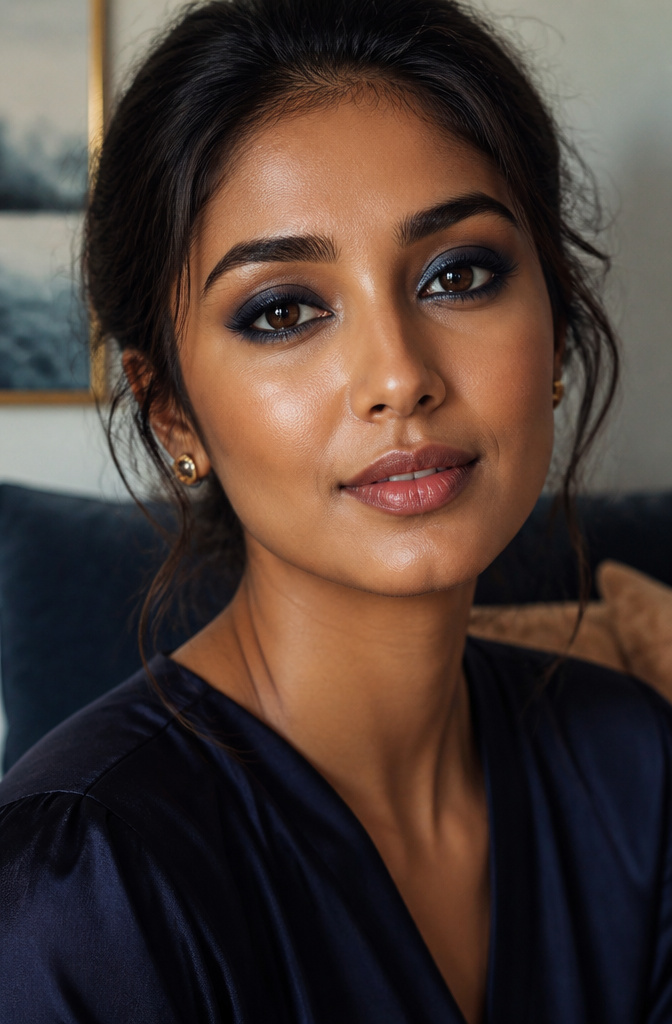
Navy blue reads as a sophisticated neutral while still creating high-contrast pop against brown eyes, which is why it works as a natural alternative to black liner or shadow. Pure black can flatten brown irises and read harsh against lighter skin tones; navy adds definition without that starkness. Most navy shades carry slight warmth in the undertone, and that warmth harmonizes with the pigments in brown eyes rather than fighting them.
The cool-undertone friendly option here is worth noting for anyone whose veins read blue and whose silver jewelry outperforms gold. Unlike bright cobalt, which can look dated, navy feels modern and wearable. For anyone hesitant to commit to full lid coverage, a smudged liner application lets you test the effect before expanding outward.
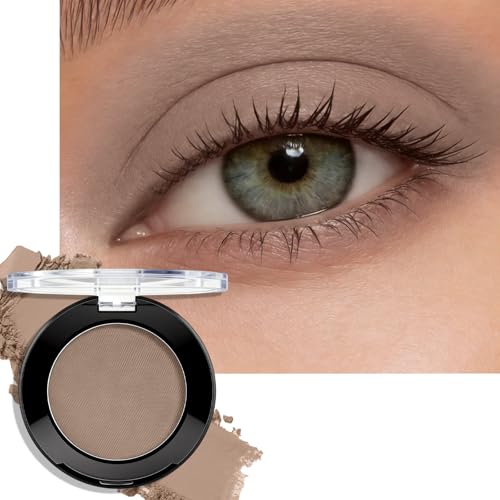
SINGLE-PALETTE MAKEUP PRECISION: Each compact eyeshadow palette features 1 intensely pigmented monochrome shade - choose your preferred finish: velvety matte for seamless blending or soft shimmer. Ultra-fine powder glides smoothly without creasing, ideal for mature skin and precise application

【Vibrant Color Selection】Choose from 22 stunning shades, including 15 mattes (Snow, Gray, Spicy, Forest, Sea, Blue Sky, Dark, Buff, Coffee, Light Beige, Misty Mauve Gray, Dusty Rose Pink, Caramel Brown, Misty Taupe, Earthy Brown), 3 soft shimmers (Blue Spark, Tapestry Taupe, Cocoa Brown Shimmer ), and 4 high-shine glitter shades (Moonlight, Saturn, Glass, Champagne), perfect for daily wear, festivals, and performances.

【Rich Pigment in a Single Shade】This matte single eyeshadow delivers bold, buildable color in a compact size. Available in universally flattering neutral tones like taupe, mauve, and soft brown, it’s perfect for natural eyeshadow makeup looks from subtle to defined
10. Forest Green
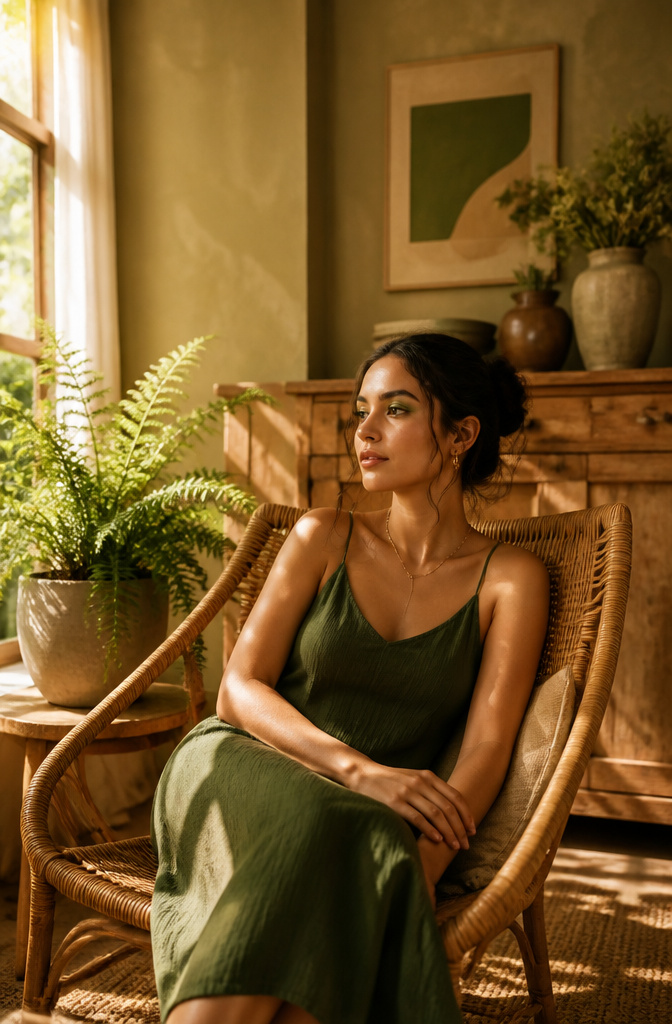
Deep emerald or forest green reads as earthy rather than costume-like when it carries yellow or brown undertones, the kind that sit in olive territory rather than leaning teal. That warmth keeps it from clashing against brown irises the way brighter, cooler greens tend to. On brown eyes, especially hazel-leaning ones, the shade pulls out any hidden warm flecks and creates contrast without the jolt of neon or jewel-bright emerald.
The mistake is reaching for a true emerald or anything with a blue shift. Those versions fight the warmth in brown pigment. What works is the deeper, dirtier green: muted enough to register as neutral, rich enough to feel intentional. Applied softly through the crease or pressed along the lash line, it gives definition that reads organic rather than dramatic.

Dual-Color Reflective Magic: This holographic glitter eyeshadow palette features a high-pigment formula with rich, vibrant base colors that apply effortlessly. Topped with floating diamond-like shimmer, it creates a mesmerizing duochrome effect, adding dimension and sparkle to your eyes. Perfect for bold, head-turning looks that shine from every angle

Intensely Versatile - Transform your look with a curated blend of 9 luxurious shades that shift effortlessly from a soft daytime glow to a dramatic nighttime allure. Enjoy seamless blending for a finish that adapts to every style with precision.

Multicolor:Eyeshadow palette has a variety of bright colors for you to choose from,you can easily mix and match colors,reasonable color matching,and eyeshadows with high pigmentation will make your eye makeup look more lustrous
11. Olive
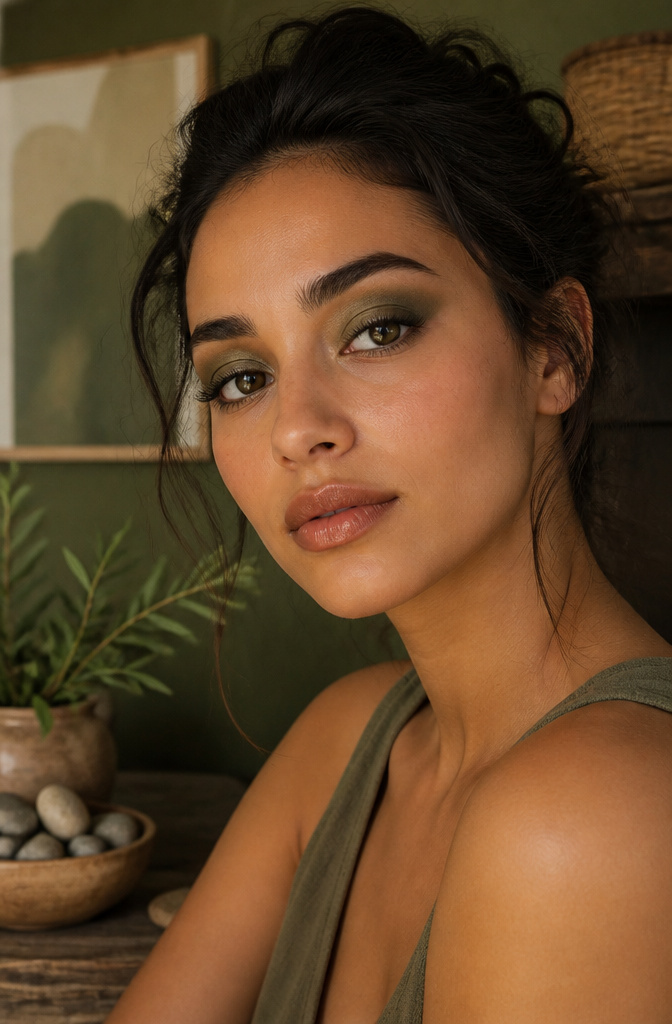
Olive sits almost exactly where brown and green meet on the spectrum, which is why it reads as a sophisticated neutral rather than a color choice. On medium to deep skin tones with warm undertones, it does something particularly useful: it deepens the eye without the harshness of a true dark shade, and it never competes with the natural warmth in the complexion.
The trick with olive is keeping it muted. A forest green pulls focus; olive lets the brown in your eyes do the work while it quietly frames them. I reach for it on mornings when a taupe feels too flat but a bronze feels too expected. It works in the crease, across the lid, or smudged along the lower lash line as a soft definition that reads as shadow rather than liner.
For warm undertones especially, olive functions as an extension of the skin itself. The green-brown cast disappears into the complexion just enough that the eye looks defined without anyone registering green as the reason. That is the point of natural eyeshadow for brown eyes: enhancement that does not announce its method.
12. Burgundy
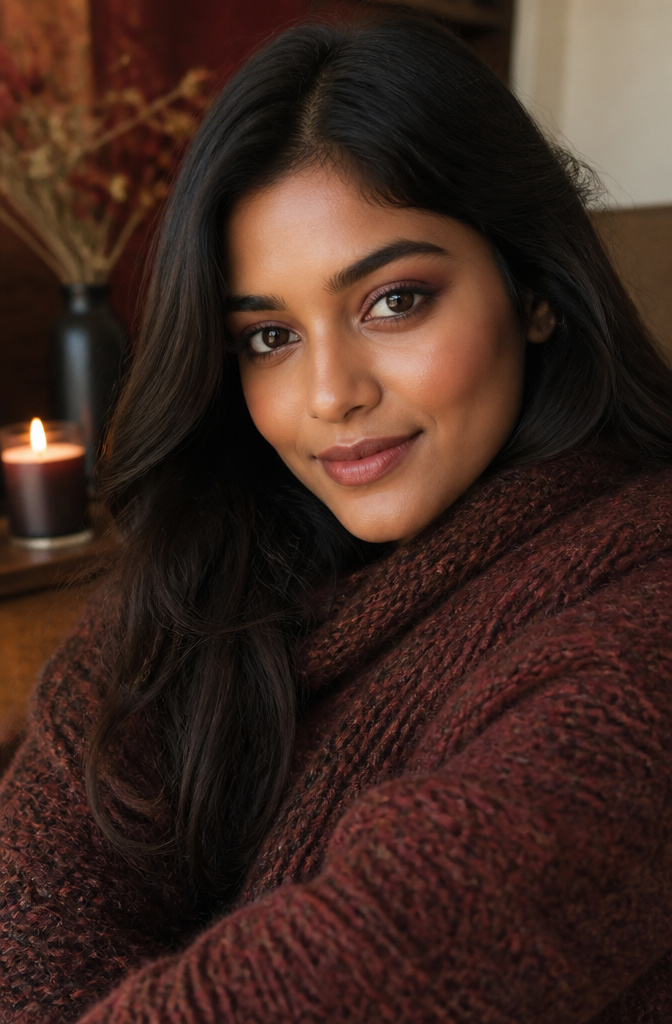
Burgundy sits in that narrow space between a neutral and a statement. The red-brown depth pulls warmth forward without flattening into pure brown, and on brown eyes the effect is more dimensional than you’d expect from a color this dark. I reach for it when the occasion asks for definition but not drama: a dinner where you want to look finished, or an evening when black liner feels too severe.
The red undertones do the work here. They catch light differently than a flat espresso or chocolate, so the eye reads as deeper rather than just shadowed. That warmth means burgundy works across warm and neutral undertones without turning muddy or pink, though on very cool complexions it can read ruddy if you pack it heavy. Light brown and hazel eyes need a lighter hand; the contrast between iris and lid is already there, so a sheer wash along the lash line or softly blended into the outer corner keeps the balance. Deep brown eyes can carry more saturation, and the color’s intensity meets theirs rather than overwhelming it.
A matte or satin finish keeps it in the natural register. Shimmer pushes burgundy toward evening faster than most shades, which is fine when that is the goal, but for the everyday I prefer the flatter texture. Apply sparingly and build: this is a color that announces itself quickly, and the line between defined and bruised is thinner than with browns.
13. Champagne
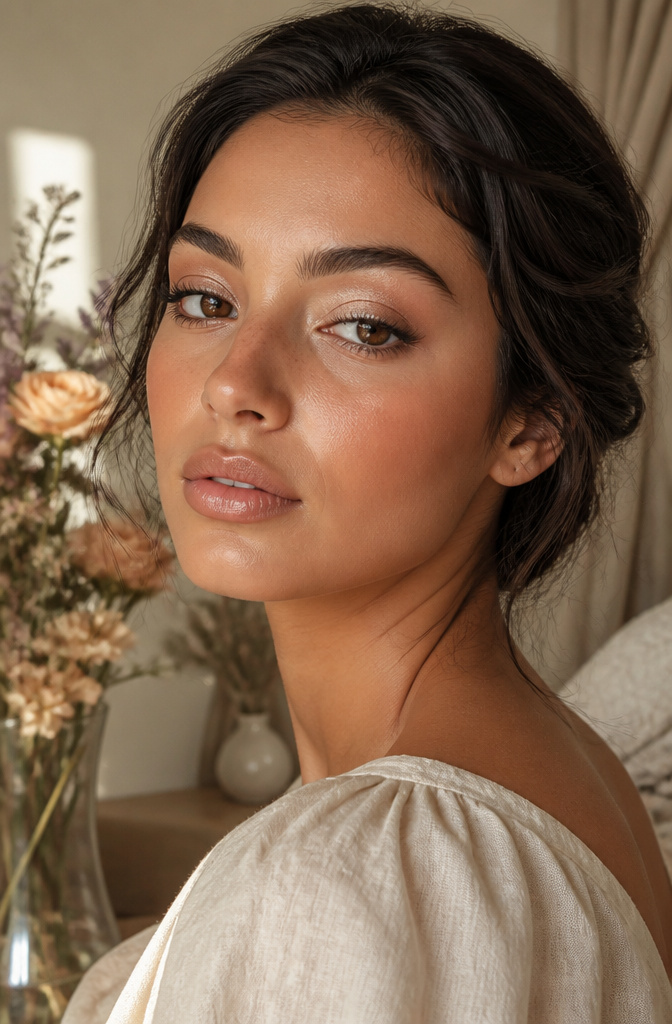
Champagne sits right where brown eyes need the light: the inner corner, the brow bone, and across the lid for anyone with fair to medium skin. It carries enough warmth to read as skin-brightening rather than costume-y, which is why frosty white or silver tends to flatten brown eyes while champagne lifts them. The pink-gold undertone does the work of making the white of the eye look whiter without the metallic chill that sources flag as less flattering.
Layer it over a matte base first, then press the brighter shimmer at the center of the lid and the inner corner for dimension. On the brow bone, keep the application sheer; too much density there turns luminous into glaring. For a full eye, sweep it from lash line to crease and deepen only the outer third with something darker. The Cabana trio from Nikol Beauty builds this out practically, pairing champagne with iced pink and toffee bronze so the whole look stays in the same warm family.
14. Soft Pink Mauve

Soft pink mauve sits in the cool-toned sweet spot for natural eyeshadow on brown eyes: enough gray to keep it from reading as hot pink, enough pink to add a subtle flush that looks like skin rather than makeup. On fair to medium skin, the effect is a bare-lid warmth that makes brown eyes look brighter by contrast.
Pastel pinks without depth tend to read childish, which is why the mauve matters. The grayed undertone keeps the color anchored in the natural family rather than drifting into something theatrical.
For a workable trio, Nikol Beauty’s Fresh Beauty set layers soft seashell as a base, warm rose pink through the crease, and mid-toned lavender at the outer corner. The combination builds the same fresh contrast without relying on a single wash of color.
15. Charcoal

Charcoal sits at the far end of the natural eyeshadow range for brown eyes, trading the starkness of pure black for a softened gray-brown that still reads as smoky. The sources agree black lands heavy on brown eyes, so charcoal steps in as the gentler substitute with nearly the same depth.
Cool undertones pull this color best, though most users find it neutral enough to work without the clash risk of true black. Placement matters: trace the upper lash line or press into the outer corner, then blend the edges until they fade into whatever mid-tone sits in the crease. The goal is definition without severity, and charcoal delivers exactly that line.
I notice the same effect holds whether the rest of the eye stays matte or carries a faint shimmer. The color does its job quietly, which is why it earns its spot last on this list rather than being skipped entirely.
16. Applying Natural Eyeshadow Step by Step
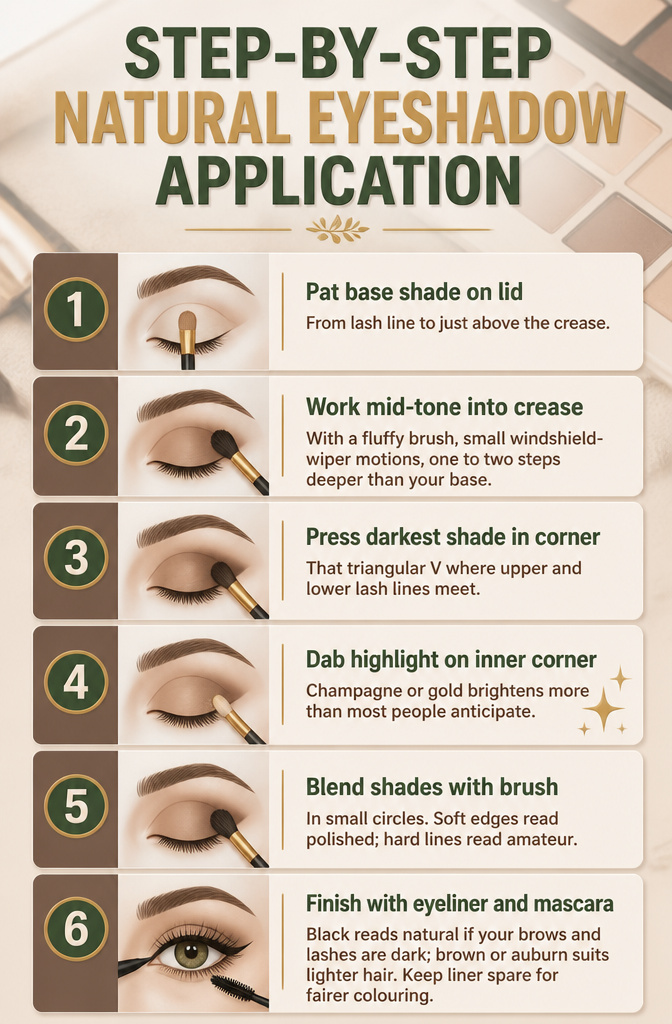
Primer makes the single biggest difference in whether your shadow lasts until lunch or creases by 10 a.m. I learned that the hard way after too many mornings of checking my reflection in the office bathroom mirror. Oily lids especially need that smooth base; without it, colour fades and migrates faster than you’d expect.
- Pat a base shade across the entire lid, from lash line to just above the crease. The colour should match your skin tone or read slightly lighter: champagne, soft gold, or pale taupe for fair to medium complexions, taupes and browns for deeper skin. Skip white bases on dark skin; they refuse to blend.
- Work a mid-tone into the crease with a fluffy brush, small windshield-wiper motions, one to two steps deeper than your base. Warm taupe, bronze, terracotta. Keep it in the fold, not below it.
- Press the darkest shade into the outer corner, that triangular V where upper and lower lash lines meet. Chocolate, plum, charcoal. Blend inward, fading into the crease colour. Start small; building is simpler than removing.
- Dab a light shimmery highlight on the inner corner. Champagne or gold brightens more than most people anticipate.
- Blend where shades meet with a clean, fluffy brush in small circles. Soft edges read polished; hard lines read amateur.
- Finish with eyeliner and mascara. Black reads natural if your brows and lashes are dark; brown or auburn suits lighter hair. Keep liner spare for fairer colouring.
Warm or Cool
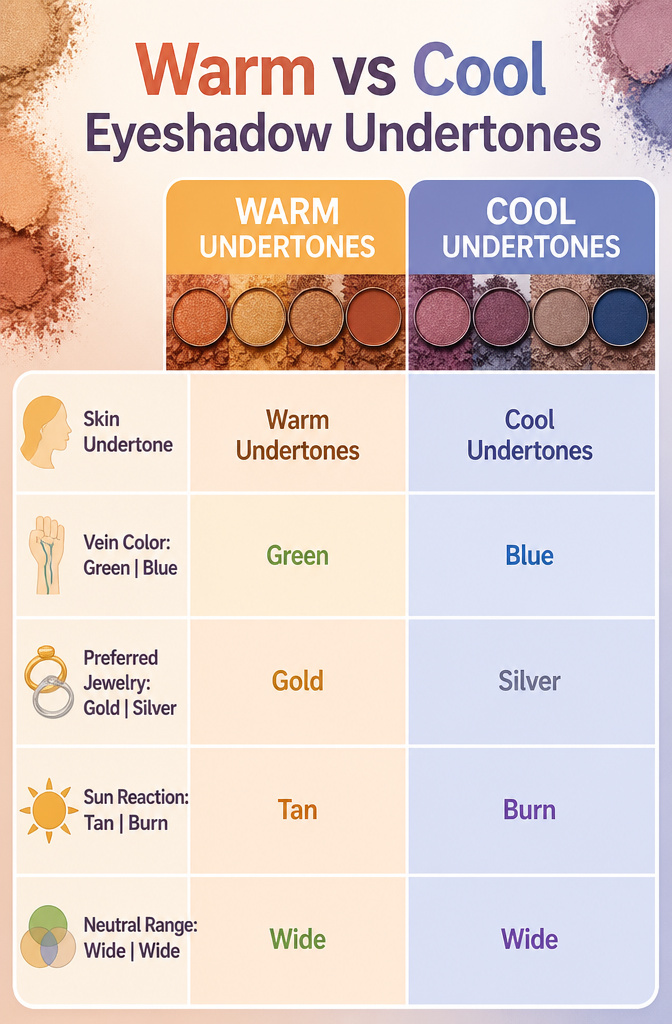
Skin undertone matters more than eye color once the eyeshadow sits on your face. The shade can flatter brown eyes perfectly and still look off if it fights your complexion.
Warm undertones pair with coppers, golds, bronzes, and terracotta. These echo the warmth already in your skin rather than competing with it. Cool undertones do better with mauves, plums, cool taupes, and navy, which give contrast without that orange or muddy cast warm shades can leave behind.
Three quick checks work for self-identifying. Vein color on the wrist: greenish points warm, blue-purple points cool, a mix suggests neutral. Jewelry preference usually reveals it too, gold reading better on warm skin, silver on cool. How you react to sun helps, warm tones tending to tan where cool ones burn first.
Neutral undertones give the widest range, both warm and cool shades working without clash. That flexibility lets you choose by occasion and effect rather than compatibility, which is where I would put my money if I had the option.
Matte, Shimmer, or Both
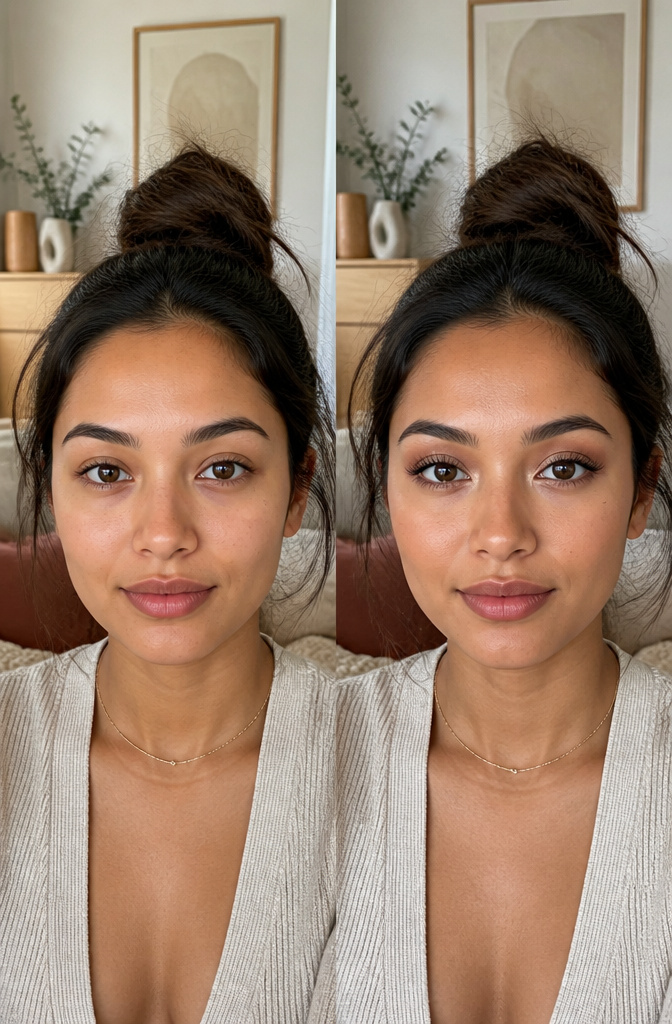
Matte shadow in the crease and outer corner gives brown eyes structure without catching on texture, which matters more as skin changes. Shimmer on the lid and inner corner does the opposite: it pulls light forward and makes the eye area read brighter, more open. The finish should match the job, not the trend.
For daytime, matte reads as skin rather than makeup. A warm taupe swept through the socket and a deeper brown pressed into the lash line is enough. The shimmer can stay, but keep it small: a touch of champagne at the inner corner, or a thin wash of bronze patted only where the lid rounds forward. That restraint keeps the glow from becoming glare under office light.
Evening asks for more dimension, and layering both finishes answers it. Start with the matte base, deepen the crease with a darker shade, then press shimmer onto the center of the lid where the light hits naturally. The contrast between flat and reflective creates depth that a single finish cannot. Bronzes and coppers work especially well here because they pick up the gold already in brown irises and amplify it without reading as costume.
The mistake is matching intensity everywhere: shimmer from lash to brow, or matte so heavy the eye looks sunken. Structure and light need separate territories to do their jobs.
What I Skip and Why
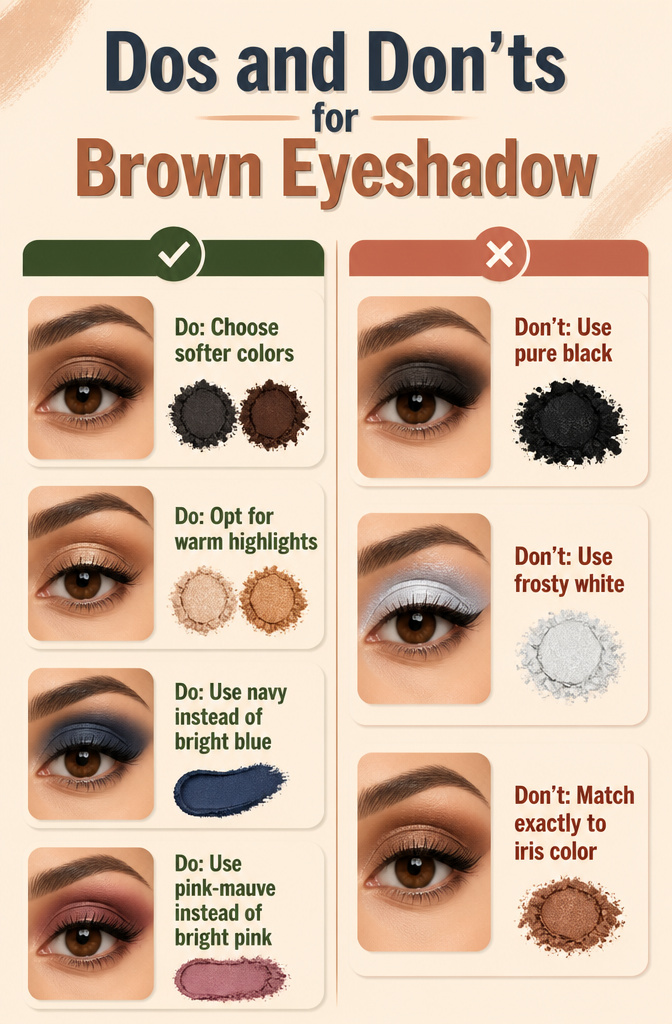
Four shades keep showing up on "best for brown eyes" lists that most sources quietly warn against.
Pure black reads harsh on the lid, especially as skin texture changes. The same depth comes through in charcoal or deep chocolate brown, both softer at the edge.
Frosty white highlight does the opposite of what it promises: it catches light on every tiny fold and can make the eye area look puffy. Champagne or soft gold brightens without that chalky, dated finish.
Bright cobalt blue tends to look retro rather than modern. Navy carries the same blue impact with more sophistication; a thin bright blue liner works if you want the pop without the costume effect.
Hot pink without depth clashes against brown irises rather than complementing them. A pink-mauve or dusty rose achieves the warmth with better balance.
An exact match to your eye color is the fifth trap to know: it flattens the iris instead of defining it. Go lighter, darker, or shifted in tone.
Frequently Asked Questions
What is the most flattering eyeshadow color for brown eyes?
Warm bronze and shimmering gold are the most reliably flattering choices. Bronze pulls out amber and honey flecks in brown irises while staying subtle enough to look polished without visible effort. Gold catches light where you want it and enhances the natural warmth already present, making it forgiving across undertones.
Can brown eyes wear bold colors like purple, blue, and green?
Yes, brown eyes handle bold shades exceptionally well because the iris warmth anchors even vivid colors. Amethyst brightens through complementary contrast with amber undertones, navy reads as a sophisticated neutral alternative to black, and forest green with yellow or brown undertones pulls out hidden warm flecks without looking costume-like.
What eyeshadow colors should brown eyes avoid?
Pure black, frosty white, bright cobalt blue, and hot pink without depth are the four that most often fall flat. Black can flatten brown irises and read harsh; frosty white catches on texture and looks dated; cobalt reads retro rather than modern; hot pink clashes instead of complementing. Charcoal, champagne, navy, and pink-mauve achieve similar effects more softly.
How does skin undertone affect eyeshadow choice for brown eyes?
Warm undertones pair best with coppers, golds, bronzes, and terracotta, which echo skin warmth rather than competing. Cool undertones suit mauves, plums, cool taupes, and navy, giving contrast without orange or muddy cast. Neutral undertones wear both ranges, letting you choose by occasion rather than compatibility.