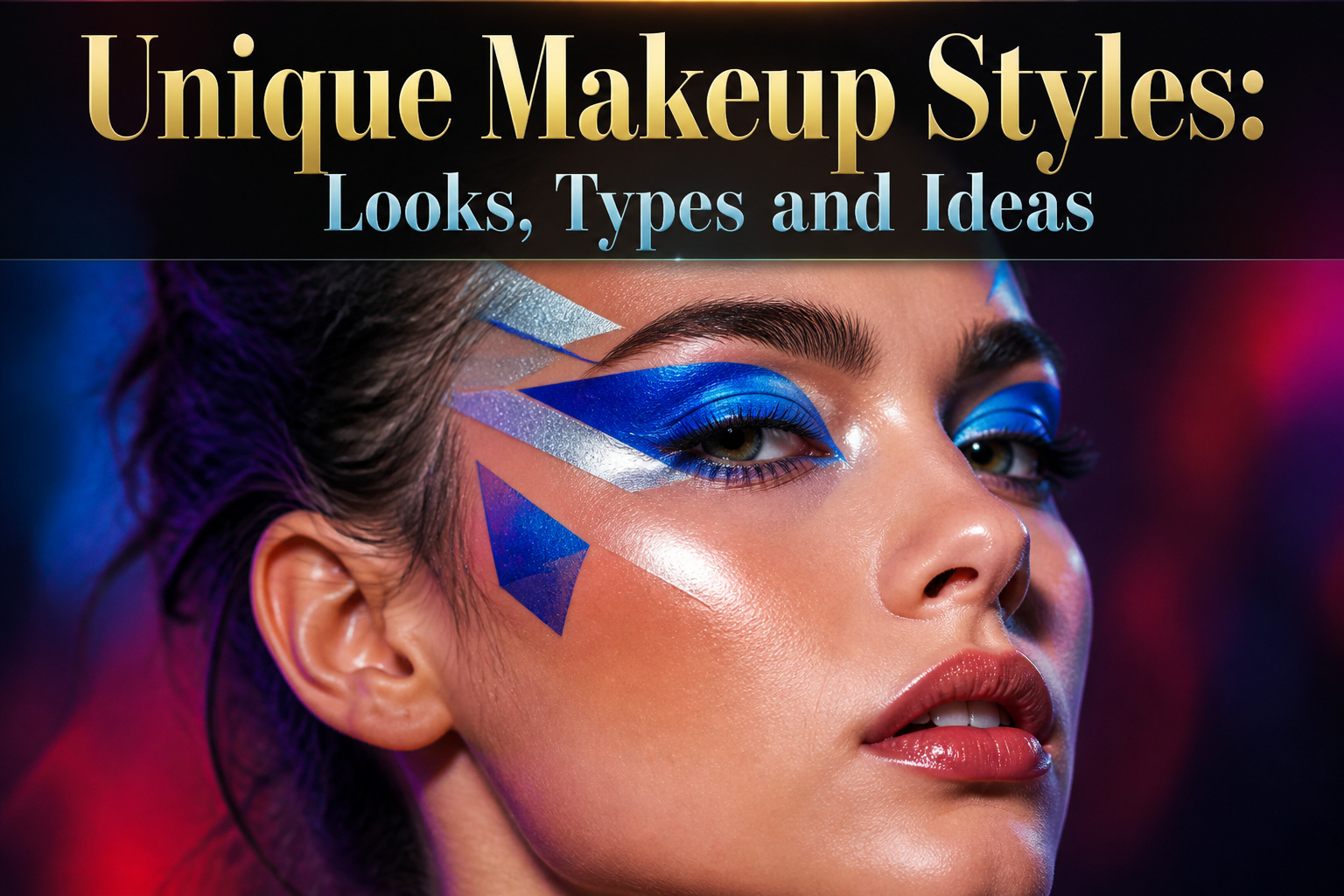
Unique makeup styles are deliberate looks that use color, texture, and placement to move beyond standard beauty routines into personal statement or artistic expression.
The catch is that what reads as brave on one face registers as costume on another, and the difference is intent rather than technique.
A slash of silver across the temple or acid green floating above the crease with no blending earthward: these are the details that separate style from disguise.
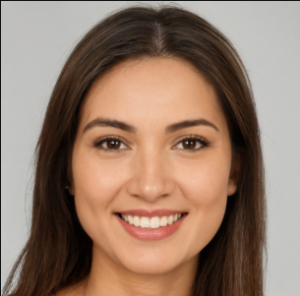
1. Natural
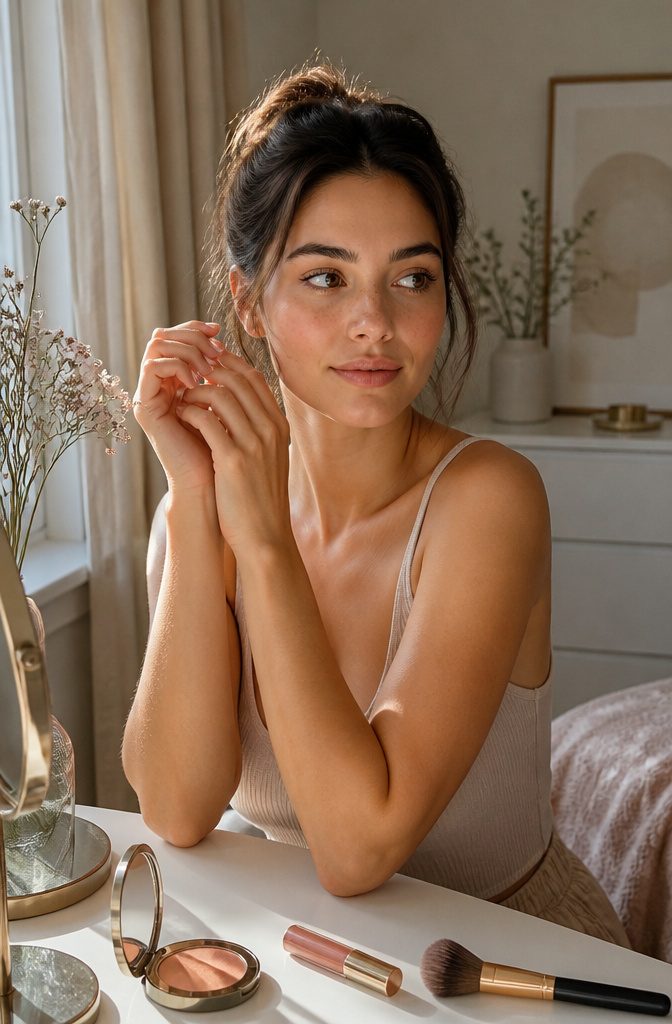
Sheer foundation sits at the center of natural makeup, and the texture matters more than the shade. A light formula, whether a true foundation or a BB cream, should let skin texture show through rather than flatten it into porcelain.
I learned this the hard way after years of layering medium-coverage base over every freckle, only to notice in daylight that the finish read as mask rather than skin. The goal is evening out tone, not erasing imperfection.
Nude lip shades work best when they sit slightly deeper than bare lip color, creating subtle definition without announcing themselves.
Soft blush tones applied high on the cheekbone, not the apple, mimic the flush of actual circulation rather than painted decoration. Brown eyebrow liner keeps the frame soft; black reads as costume in this context.
Blending is the technique that makes or breaks the look.
Harsh lines betray the effort, while diffused edges let each product dissolve into the next. Light-reflecting formulas help here, bouncing light off high points so the face carries dimension even under minimal pigment.
This style dominates daily wear for good reason. It adapts from office to errand to unexpected dinner without recalibration, and it photographs without flashback or obvious artifice.
Spring and summer favor the dewy, cream-based finishes; the rest of the year simply shifts toward slightly more matte textures within the same restrained palette.
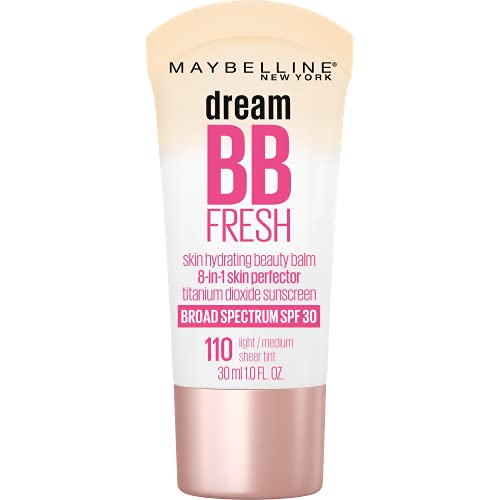
Dream BB fresh 8-in-1 skin perfecting beauty Balm hydrates, protects with SPF 30, brightens, blurs imperfections, smoothens, enhances, is oil-free and available in 5 skin-tone perfecting shades

Anti-Redness BB Cream ultra-light lotion delivers 4 beautifying actions in 1: neutralizes the look of redness, corrects skin color for an even complexion, hydrates for all day moisture and hides imperfections

All-in-one BB cream for everyday use: MISSHA M Perfect Cover BB Cream blends skincare and makeup in one simple step, offering light-to-medium coverage with SPF protection—ideal for daily routines that need both complexion coverage and skin care benefits.
2. Vintage
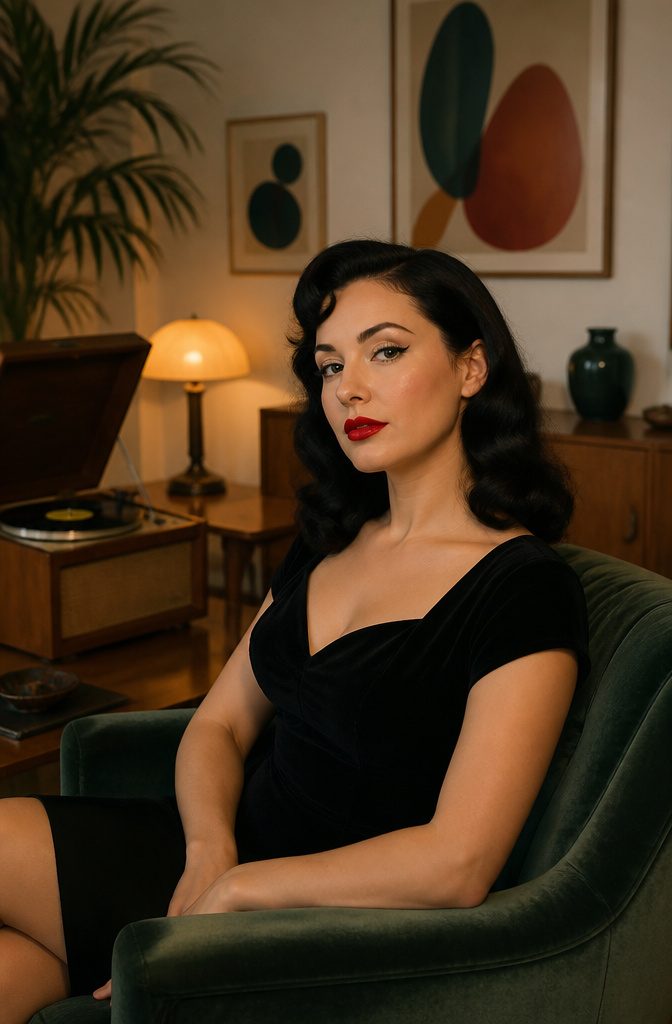
A flawless matte complexion sits at the center of vintage makeup, and getting there means choosing the right base formula.
Matte foundation or a pressed powder finish does the heavy lifting, especially on oily or combination skin where shine breaks the illusion.
The 1950s Hollywood version paired that velvety skin with sharp cat-eye liner and a bold red lip, the combination that still defines the look today.
The style has shifted since its origins. The 1920s flapper era went darker and more dramatic, with deep reds and smoky eyes reflecting post-war freedom.
By the 1960s, eyes took over entirely, with heavy lashes and white eyeliner pushing lips to the background. What we now call "vintage" usually means that 1950s glamour standard: matte skin, winged liner, red lipstick.
For occasions, this reads intentional rather than casual.
A wedding, a formal dinner, or any event where photographs matter, the look holds up. The matte base photographs cleanly without reflection, and the defined liner and lip give structure to the face from a distance.
The red lip itself works best with prep. Line first with a red liner to define shape and emphasize the Cupid’s bow, then layer a satin or matte red lipstick on top.
Keep the rest minimal, the skin even and the eyes precise, and the whole thing stays balanced rather than costume.

Innovative Jelly-Balm Texture – Unique jelly-balm formula fills pores and fine lines for a smooth, flawless finish. Applies evenly without caking or patchiness, making it easy for beginners to control coverage.

Matte And Poreless Powder Face Makeup: Ideal for normal to oily skin, this long-lasting powder leaves a natural, poreless-looking finish with long-lasting shine control; Allergy tested, non-comedogenic
3. Edgy
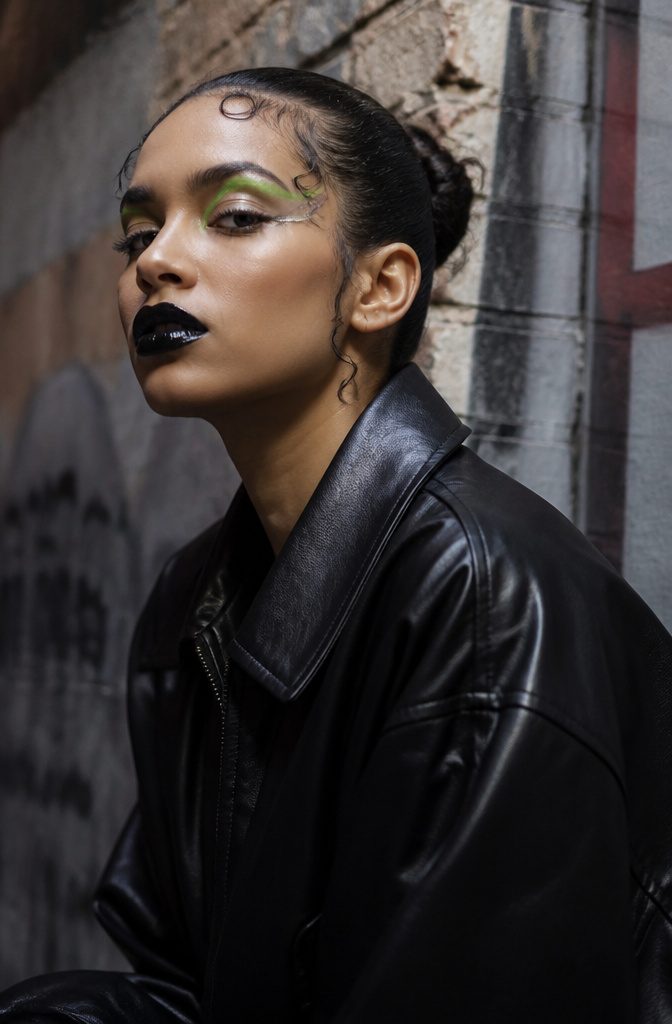
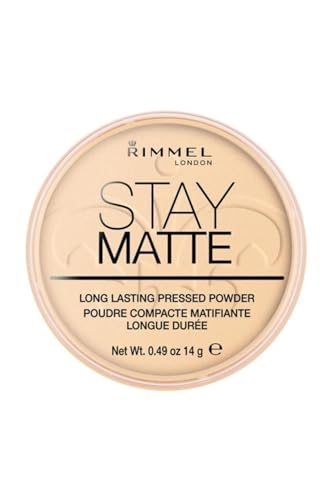
An edgy makeup style announces itself before you speak. Unconventional color placement does the heavy lifting: a slash of silver across the temple, acid green floating above the crease with no attempt to blend it earthward.
Graphic lines replace soft definition. A wing stops being a flick and becomes architecture, or a floating line of kohl hovers an inch below the lower lash line with no connection to the eye itself.
Unexpected textures finish the story: vinyl gloss over matte black, crushed glitter that looks wet but feels like sand, a lip powdered until it reads as leather.
This is the most personal of the unique makeup styles. What reads as brave on one face registers as costume on another, and the difference is not technique but intent.
The same graphic liner that looks like armor at a warehouse show becomes a conversation piece at a gallery opening, and both are valid.
Evening settings handle it best, though a toned-down version, a single structural line and a muted lip, can survive daylight if your workplace tolerates individuality.
Dark smoky eyes and lip shades that edge toward black are the familiar entry points.
The mistake is stopping there. True edge comes from the combination that should not work: the severity of the line against the softness of the face, the high-fashion placement in a low-light bar.
It fails when it looks applied rather than inhabited, so the skin matters as much as the pigment. A base that can handle scrutiny keeps the look intentional rather than accidental.

Precise Wings Every Time: This waterproof, liquid brush tip eyeliner gives you a smudge free cat eye look; A removable wing stencil helps you get perfectly precise wings, every time

Highly pigmented, jet black color glides on smoothly

SUPER SLIM LIQUID EYELINER: The Super Slim longwear ultra fine tip liquid eyeliner gives you total control for precise lines that last up to 12 hour. Create a sleek sophisticated look with this 0.4 millimeter eyeliner pen
4. Colorful
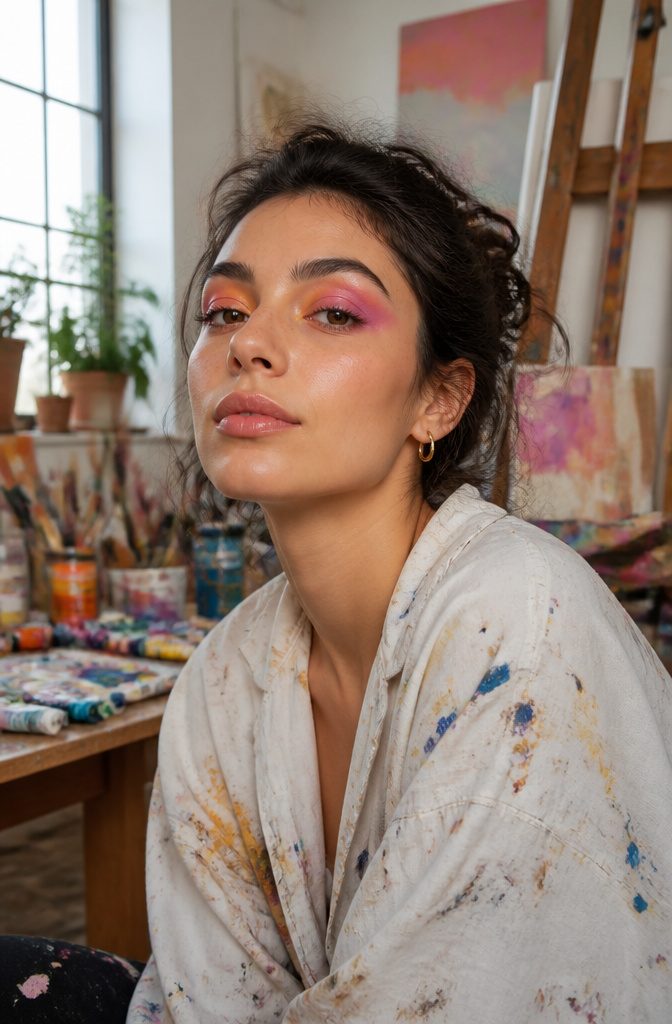
Saturated color on the face works best when you treat the face like a canvas with a limited palette.
I learned this the hard way after trying a galaxy-inspired eye look I saw circulating online: three competing pigments turned muddy because I had ignored undertone temperature.
Warm oranges, pinks, and purples blend cleanly only when every shadow shares the same texture and the same underlying warmth.
The technique is straightforward: light orange at the inner corner, warm pink across the center lid, softer purple pulled outward, with each shade meeting at the edge of the previous rather than overlapping in a single patch.
Social feeds have made this accessible in a way editorial shoots never could.
What once stayed on stage or in magazine spreads now arrives daily from creators mixing fashion references with hand-painted details, and the shift has changed what "wearable" means. The standard is no longer perfection but imagination.
We’ve always put different colors on our eyelids, so why not our lips?
Cardi B’s red gloss outlined by a darker lip pencil, or Rosalía’s multi-step lip routine, both land because the contrast is deliberate rather than accidental.
Dark lip liner was one of Google’s top trending makeup searches in 2023, which tells me readers are already experimenting.
Keep one feature loud and the rest quiet; if the eyes carry three blended pigments, the mouth stays in the same color family or goes bare.
Two-tone lips pair with minimal eye work, not with sunset shadow. The balance is the whole point.

Perfectly Matte: Achieving a flawless, color-intense matte finish is just a swipe away with Maybelline Super Stay Matte Ink liquid matte lipstick. Get up to 16 hours of wear with this liquid lipstick in shade Exhilarator for a true ruby lip color

★Powerful Red Statement Shades – This bold trio features Chill, Crimson, and Rust tones crafted to define, enhance, and dominate. Each shade delivers intense color payoff that transforms your lips into a confident, seductive focal point.

Perfectly Matte: Achieving a flawless, color-intense matte finish is just a swipe away with Maybelline Super Stay Matte Ink liquid matte lipstick. Get up to 16 hours of wear with this liquid lipstick in shade Voyager for a red wine lip color
5. Bridal
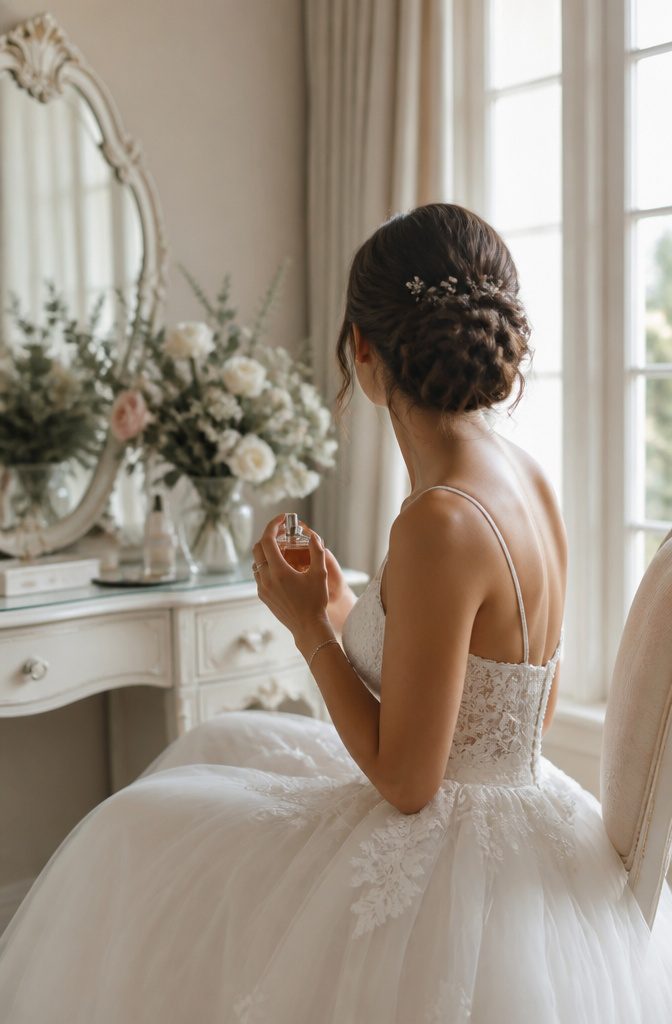
Bridal makeup sits at the far end of the precision spectrum from the no-makeup look.
The finish has to read as polished in person and still survive twelve hours of talking, dancing, and probably crying, all under camera flash that turns any texture into a liability.
What separates it from natural makeup is the deliberate construction: every edge is placed, every highlight is a decision rather than a suggestion.
The base is where this shows most. A bridal face needs to hold without the oxidation or sliding that reads fine at brunch but becomes patchy by ceremony’s end.
The coverage is fuller than everyday, yet the goal remains that the skin looks like skin, not like product.
Photography readiness means matte enough to prevent bounce-back shine, luminous enough to avoid flatness. It’s a narrow band, and most of the work is in the prep and the setting, not the pigment itself.
Color choices tend conservative for a reason.
Trend shades date the photographs; the bride’s own coloring and the formality of the event are the actual brief. A ballroom at six o’clock demands more structure than a garden at four.
The precision extends to brows, lip line, the exact placement of a subtle contour. Nothing is left to the light or the angle.

❤. This UCANBE forest green eye palette is mixture of 15 stunning green hue shades that velvety & go on smoothly texture with matte satin finishes to create next level looks to unleash your artistry. Each blendable, buildable and long-lasting, created to suit every skin tone and eye color.

【Green Gemstone Shadow Palette】The Green Gemstone Palette by Docolor is versatile and wearable in equal measure. Delivering infinite possibilities, this unexpected palette encourages you to experiment, empower and express yourself however you please, Let your eyes have an Green gem-like luster

【Light to Dark Green Shades – From Olive to Emerald】This SUSIKEKI 6 colors eyeshadow palette features a versatile range of green tones, including light lime, olive, deep emerald, and dark forest. With a mix of matte, shimmer, glitter, and metallic finishes, it's perfect for expressive and artistic makeup looks.
6. Dramatic
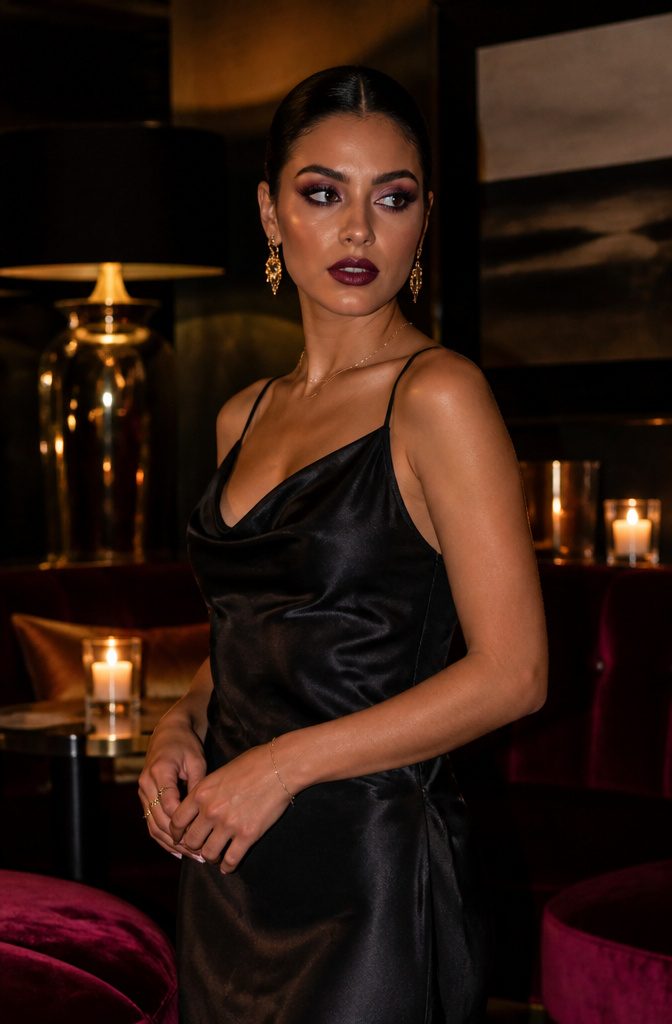
Dramatic makeup puts subtlety aside for moments that demand presence. The technique builds intensity through layering, contouring, and bold features rather than hoping a single strong element carries the whole face.
Defined brows, sculpted cheekbones, and eyes that command attention form the backbone of the look. Rich colors do the work: deep plums, charcoals, metallics, and reds that make features pop against evening light.
Texture matters as much as color.
Matte finishes emphasize sharpness and structure, while shimmer and gloss are placed strategically to catch light exactly where you want the eye to land. The goal is harmony, not chaos.
Each bold element should complement the others rather than compete for attention. In skilled hands, the result feels powerful but controlled.
The mistake is treating dramatic makeup as appropriate for every setting. Under bright lights or at evening events, the intensity reads as confidence and artistry.
In daylight or quiet rooms, the same choices overwhelm and read as costume. Reserve the full build for occasions where the environment can handle the weight, and scale back one element, never all, when the moment calls for restraint.

1-fluid ounce tube of Neutrogena Healthy Skin Anti-Aging Perfector All-in-One Tinted Facial Moisturizer with SPF 20 to help reduce the appearance of fine lines and wrinkles
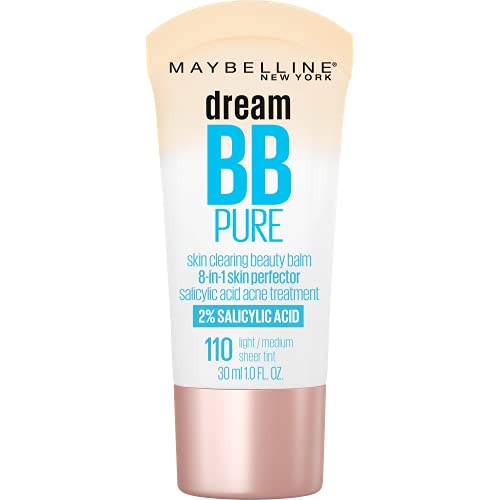
Dream BB pure clears Acne with 2 percent salicylic acid, conceals pimples, imperfections, minimizes look of pores, Reduces appearance of Redness, hydrates and smoothens, mattifies and clarifies, is oil-free and available in 5 shades

Tinted Serum with 1% Hyaluronic Acid: Skincare meets makeup. True Match Nude Hyaluronic Tinted Serum instantly brightens and evens skin while it hydrates, for a nude, radiant finish. Skin feels plump and hydrated in a 3-week consumer test.
7. Minimal
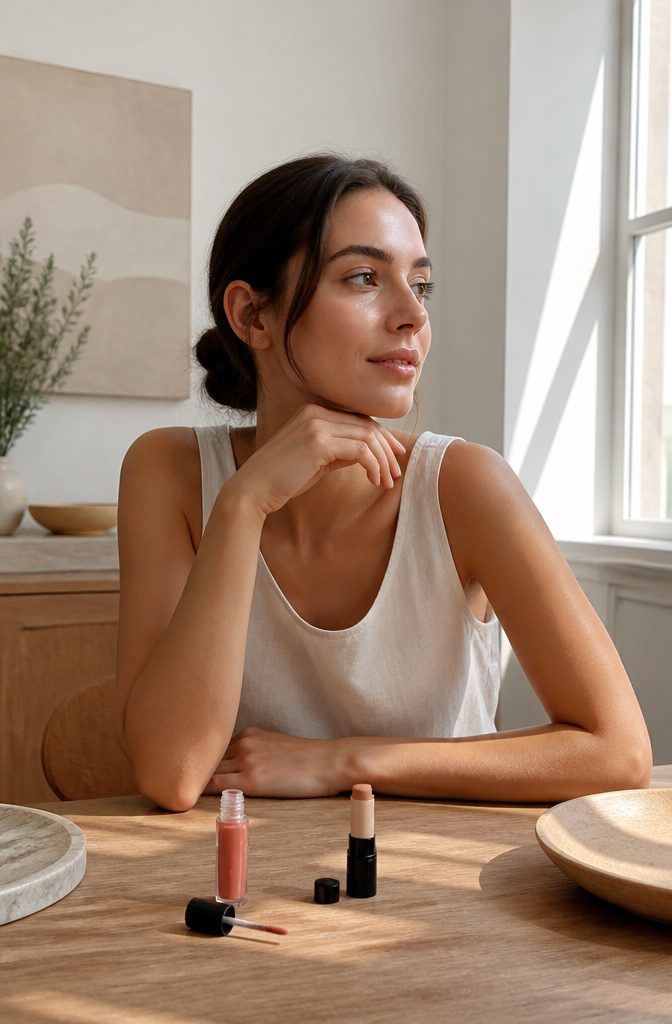
Minimal makeup is not the same as natural makeup, though the two get folded together constantly. Natural makeup still runs through the full routine: light foundation, soft shadow, mascara, a nude or pink lip, the grooming of brows.
Minimal strips the count down. You might use a 2-in-1 foundation-concealer only where needed, fill brows, and wear gloss.
That is the whole face. The difference is fewer products total, not merely lighter versions of the same steps.
Skin prep matters more here than anywhere else. With no full-coverage base to smooth texture and no contour to reshape, the canvas has to do its own work.
What reads as "effortless" is usually a deliberate stretch of time: the cleansing, the moisture layer that sits right under whatever sheer tint follows, the patience to let it sink in.
The philosophy behind choosing this restraint is simple. You are deciding that clarity and clean lines matter more than layered enhancement, that the skin itself is the feature worth showing rather than the skill of disguising it.
It is a harder look to execute well, and easier to mistake for doing nothing at all.

【FLAWLESS COVERAGE & SETTING MAKEUP】Build up to full, flawless coverage with a few swipes, and then stash it in your makeup bag for quick touch-ups. A pro-quality, refined pressed powder to set makeup with a matte finish. Infused with nourishing ingredients, it wears comfortably without feeling drying.

SHEER PRESSED POWDER: Sheer, oil-free powder helps keep shine under control.

【FLAWLESS COVERAGE & SETTING MAKEUP】Build up to full, flawless coverage with a few swipes, and then stash it in your makeup bag for quick touch-ups. A pro-quality, refined pressed powder to set makeup with a matte finish. Infused with nourishing ingredients, it wears comfortably without feeling drying.
8. Soft Glam
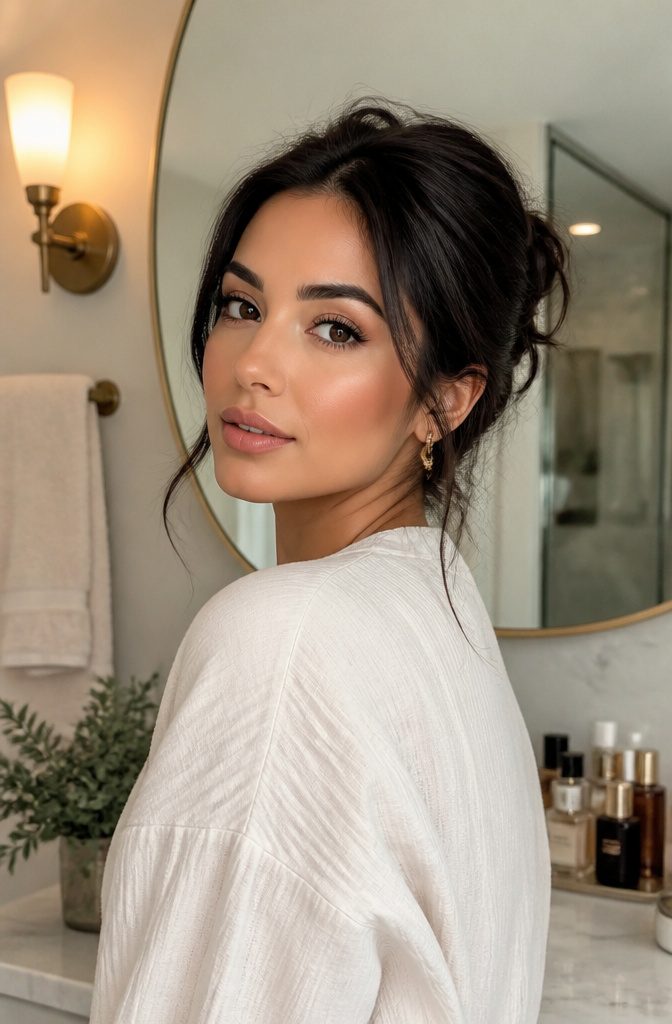
Soft glam lives or dies on the skin. The sources all point to the same thing: a luminous, radiant complexion that catches light without looking wet, built from a light base and minimal contouring rather than heavy foundation.
The bridge between natural and dramatic happens in the highlight and shadow. A warm-toned blush in dusty pink, placed on the apples of the cheeks, gives the flush.
Light contour sculpts the cheekbones. The restraint is the point; enough structure to read as intentional, not so much that the face becomes architecture.
Where soft glam separates from full glam is the blend. The sources favor cream textures, blended out lightly with fingers for what one describes as a "soft, lived-in feel."
A shimmery cream shadow across the lid, a brown pencil line rather than black, warm neutrals swapped for deep blacks and silvers. The edges stay diffused.
No hard lines, no sharp cutoff between colors. Fluttery lashes frame the eye without the weight of full strip drama.
The technique that prevents the slide into full glam is this: build pigment in thin layers and stop one layer before you think you need to.
The sources keep returning to blendability and light application. That is the discipline.

💟 【8mm Wing Stamp】 Our 8mm cat-eye stamp is perfect for soft, subtle everyday makeup looks.

EYELINER FOR ENHANCING & DEFINING: Keep yourself in line—this waterproof liquid eyeliner makes it easier than ever to instantly enhance and define your eyes.

EYELINER FOR ENHANCING & DEFINING: Keep yourself in line—this waterproof liquid eyeliner makes it easier than ever to instantly enhance and define your eyes.
9. Smokey Eye
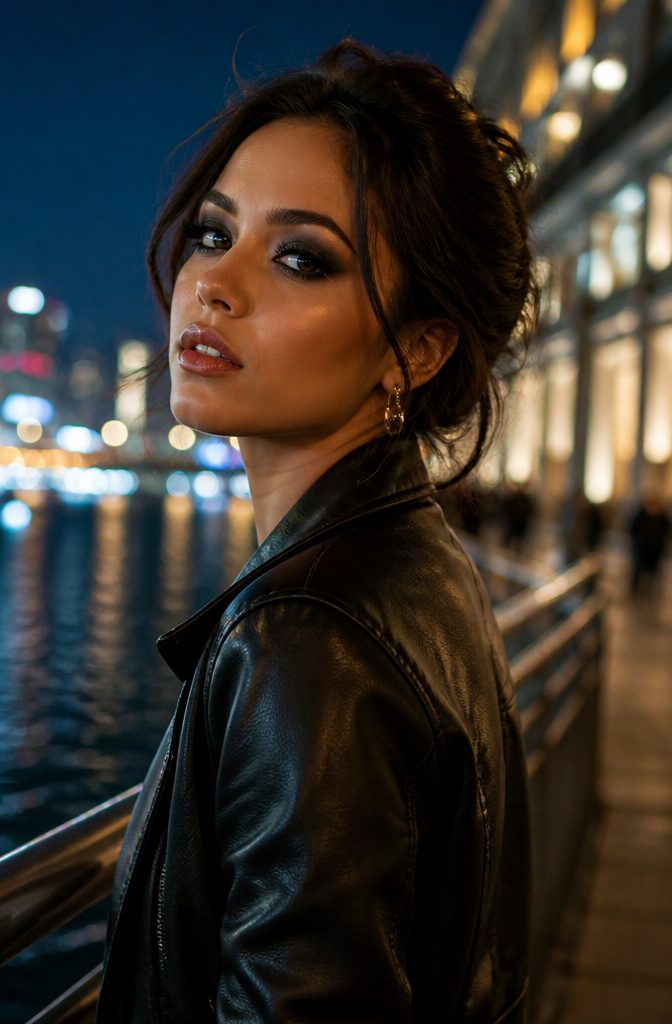
A smokey eye lives or dies by the order you lay it down. The sources describe the build as layers starting from a dark base and blended upward into softer tones, and that sequence matters more than the specific color.
I start with the deepest shade, black or gray or espresso, pressed right against the lash line where precision is not the point.
A small, dense brush works it in short back-and-forth strokes, staying below the crease. The second layer, a mid-tone, goes on a fluffier brush and is swept through the crease in windshield-wiper motions.
The top layer, the lightest, is what saves the look: buffed along the brow bone and pulled outward at the outer corner so the gradient diffuses rather than stops.
The smoked effect comes from that upward diffusion, not from how dark the bottom layer is.
Jewel tones can modernize the look, though the staples remain black, gray, and espresso. What keeps this style current across decades is its adaptability.
Darker, deeper hues suit evening appearances, while softer browns, taupes, or a light plum work for daytime. The kohl-rimmed liner that often accompanies the classic version adds structure, but the blending is what prevents the raccoon result.
Poor blending turns bold into blotchy fast. A nude lip lets the eyes hold center stage without competition.
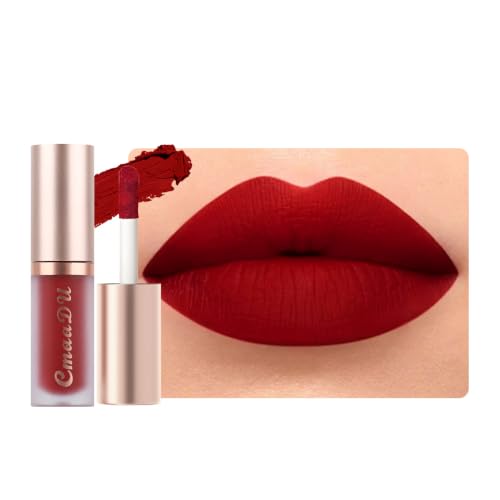
❤【12 Popular Colors】We have carefully combined 12 popular matte liquid lipstick colors for girls, you no longer have to struggle to choose a color, is enough to fully meet all the needs of girls.

Matte Finish Maybelline Lipstick: This velvety, hydrating matte lipstick goes on in one swipe, delivering bold, intense color that lasts; Formulated with honey nectar for a sensuous finish

3-Color Dark Red Lipstick Set: Includes plum, burgundy and wine red lip stains in a rich matte finish. The coordinated shades range from deep berry to classic dark red for versatile lip makeup.
10. Artistic
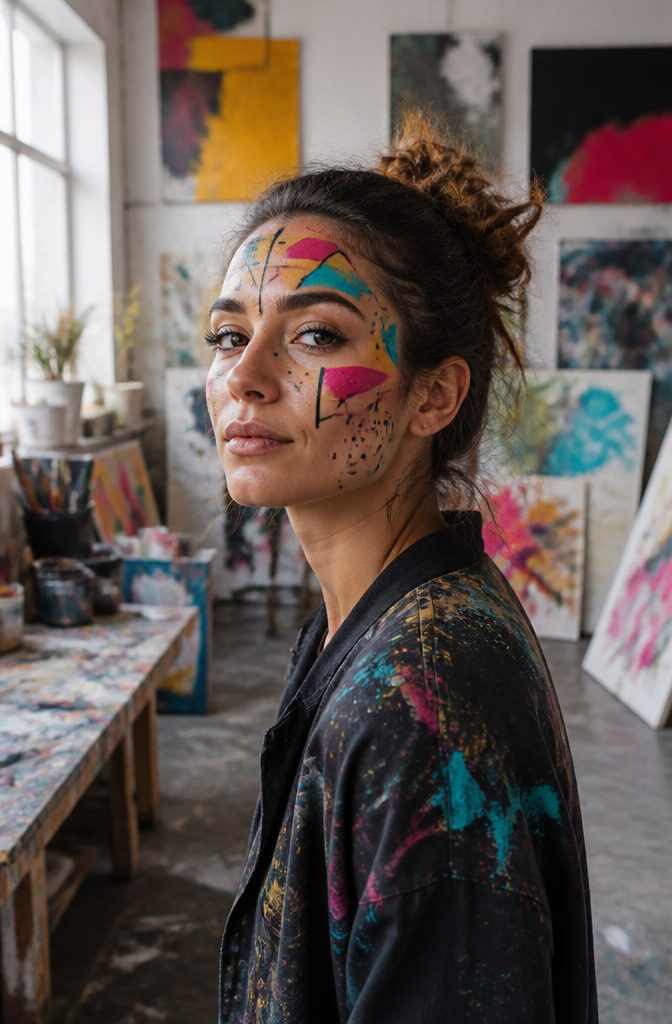
Artistic makeup treats the face as a canvas rather than a set of features to correct or balance. Colors, shapes, and textures replace the old rules of symmetry and restraint, and the result sits somewhere between fashion statement and self-portrait.
What convinced me, reading through the sources on this, is how sharply the practical divide falls between two kinds of artistic work.
Wearable artistic looks keep one foot in daily life. A graphic eyeliner design that floats above the crease, or a single hand-painted flower across the cheek, reads as deliberate without requiring a runway context.
These are the looks that thrive on Instagram and TikTok, where imagination gets the spotlight while perfection takes a back seat.
Full editorial makeup, the kind seen in fashion magazines and portfolio work, operates by different standards.
Vibrant colors and abstract shapes convey a story or theme, but the strength that reads as artistic expression in a photograph often translates as unorthodox, even impractical, under office fluorescence.
The same boldness that makes a portfolio shot memorable makes a grocery run feel like performance art.
Two ways to play this: treat artistic makeup as an occasional experiment with one wearable element, or reserve the full editorial approach for shoots and events where the context supports the statement.
The middle ground, a complete artistic face worn to brunch, rarely lands the way the mirror suggests it will.

Duochrome Glitter Eyeshadow: Intense Color Shifting, Different light and angle will present different colors, holographic glitter eyeshadow will bring you attractive eye makeup

💚🌳INTENSE PIGMENTATION: One-swipe application delivers rich, vibrant emerald green color with stunning metallic finish and diamond-like sparkle. Chrome emerald green glitter eyeshadows metallic finish reflects light for a bold, eye-catching look.

Vibrant, Long-lasting Color: Urban Decay 24/7 Eyeshadow singles deliver high-pigment, richly saturated color with up to 12 hours of wear. The velvety-soft formula glides smoothly onto lids and builds easily, with shades ranging from soft everyday neutrals to rich jewel tones. Create everything from subtle definition and soft washes of color to bold, dramatic eye looks with vibrant, crease-resistant wear that lasts from day to night.
11. Retro
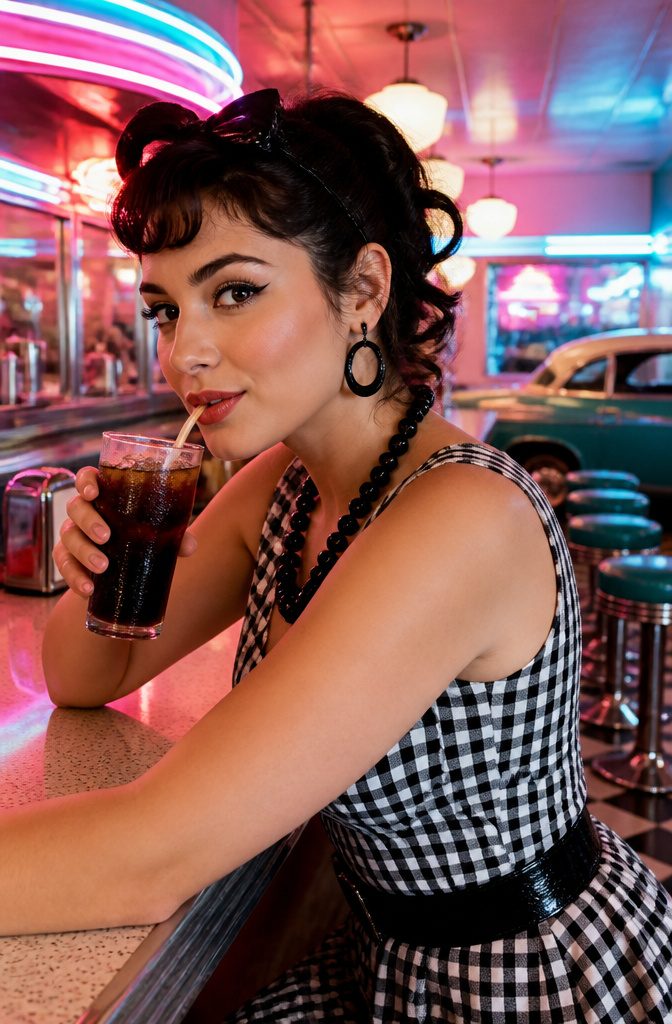
Retro makeup borrows from any past era but updates it deliberately, which separates it from vintage’s stricter period accuracy.
The 1950s winged liner and matte red lip surface constantly, though now the wing is sharper and the lip often sheerer than the original pancake finish.
The 1970s brought back bronzed skin and feathered brows after a 2010s revival sparked by filtered Instagram references to Studio 54; the 1990s brown lip and muted eye returned when TikTok users started layering modern skincare underneath the otherwise flat formulas.
Signaling the era without looking costume comes down to one authentic element paired with current everything else.
A 1960s cut crease works with dewy skin and a blended lower lash line rather than the original stark white lid to brow bone.
A 1980s blush drape stays modern when the color is sheer and the placement stops at the temple instead of marching into the hairline.
The revival moments matter because they filter what actually returns: the 1970s came back through music festival aesthetics, the 1990s through normcore fashion cycles, each stripping away the decade’s excess and keeping what reads as effort rather than disguise.
12. Romantic
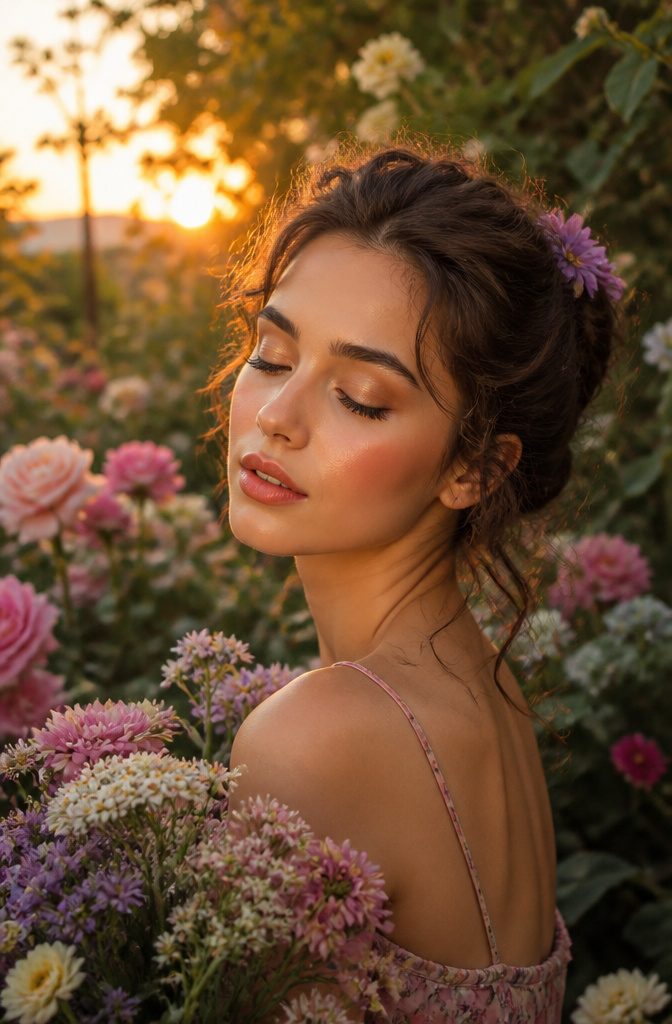
Romantic makeup lives in the space between effort and feeling. The edges stay softened, the colors run warm, and the finish catches light like skin remembering summer.
What separates it from soft glam is the intent behind the blend: soft glam chases polish, the even surface and controlled highlight, while romantic makeup chases emotion.
A cheek might look slightly wind-flushed rather than sculpted; an eye might look recently touched by something felt rather than recently perfected in a mirror.
The tones that do this work are pinks, peaches, mauves, and soft browns, colors that read as internal warmth rather than applied color.
Cream-based or dewy textures keep the reflection gentle and diffused, never sharp. The skin should look velvety and lit from within, not shiny and not matte.
For this effect, emphasize the cheeks and the inner corners of the eyes. A peach-tone blusher placed high, a wash of gold or champagne shadow catching the inner eye, a natural and slightly fluffy brow: these carry the feeling.
Downplay contour, sharp liner, and any finish that reads as deliberate architecture. The romantic look fails when the structure shows through.
13. Bold Red
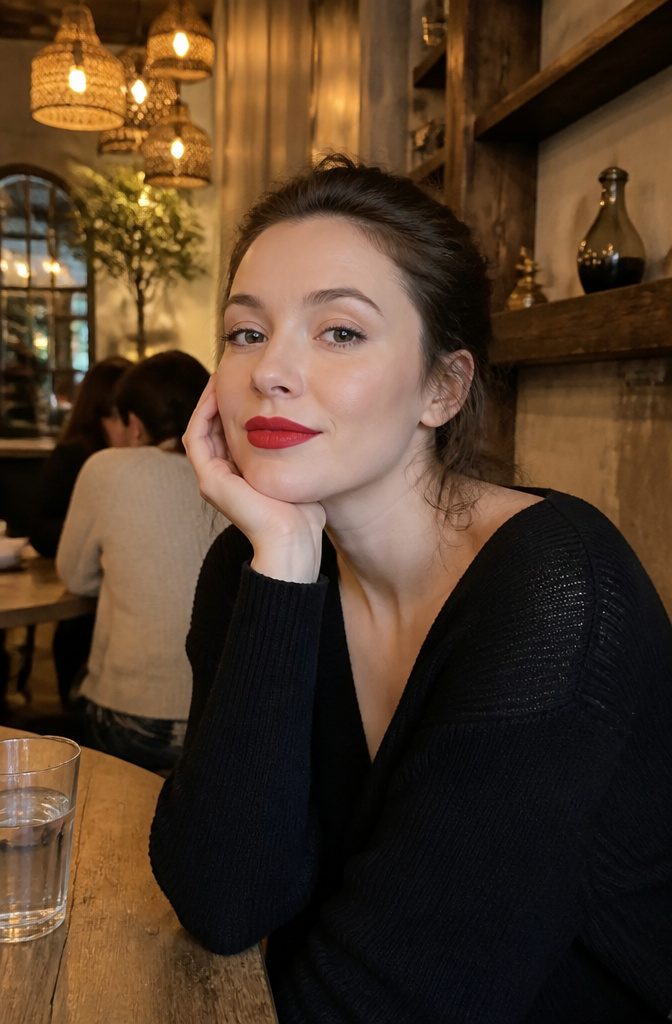
Red lipstick only reads as bold if the rest of the face steps back.
I learned this the hard way after pairing a crimson mouth with flushed cheeks and a smoky eye for a dinner, and the mirror showed three features shouting at once.
The balance sources describe, that classic pairing of red lips with winged liner, works because the eye definition stays sharp and controlled rather than soft and diffused.
The undertone is what makes red wearable rather than costume.
A blue-based red flatters cooler complexions; orange-leaning warms read better on golden undertones. Getting this wrong is the difference between looking revitalized and looking like you tried something.
Prep matters more here than with any other lip color. Red exposes every dry flake and blurred edge that a pink or nude would forgive.
The precision the look demands means exfoliating first, lining to define the Cupid’s bow with real care, and applying with a brush rather than straight from the bullet.
Other shades let you swipe and go. Red requires that steady hand and an eye for proportion, a study in restraint that rewards the effort with focus and strength.
14. Gothic
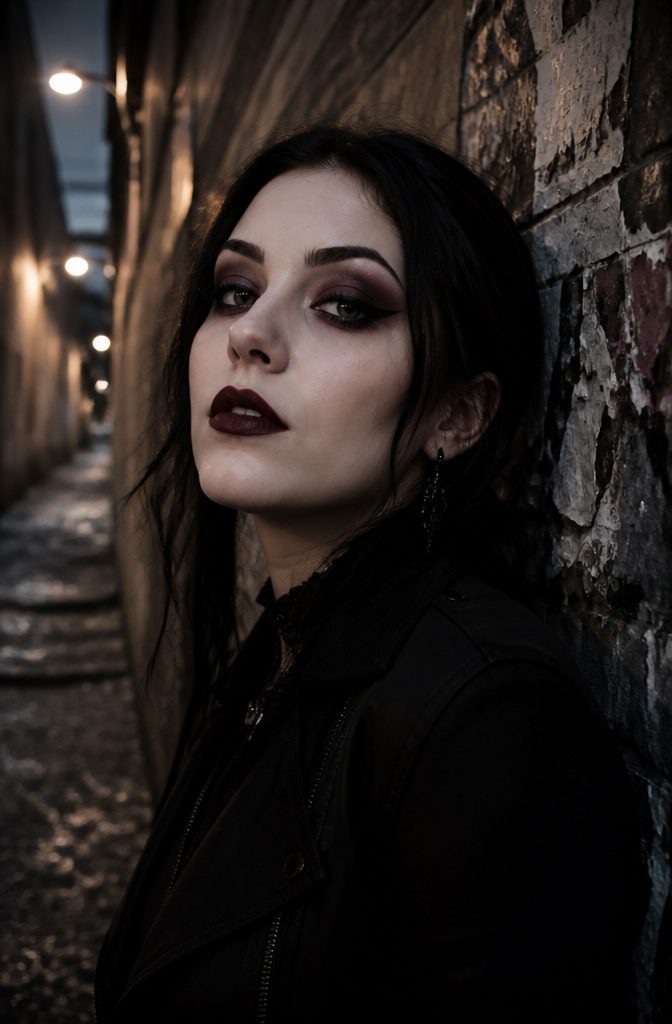
A lip in black, burgundy, or deep plum carries the whole gothic look, and the rest of the face has to work in service of that darkness without sliding into murk.
The sources describe a pale base set with translucent powder, then cheekbones carved out with deep contour for a hollowed-out effect.
Eyes stay sharp with heavy gel pencil liner and stacked tones like a black wing topped with burgundy, which keeps the dimension visible even under low light.
The style grew from subculture, but the translation to everyday wear is where the real choices sit.
Matte black lipstick reads as the classic reference point; a glossy finish pulls it toward something newer and more wearable for a dinner out than a club night.
Fluttery false lashes and sharply defined brows keep the structure deliberate rather than accidental. The key tension is between drama and control: each bold element needs its own space, or the face collapses into a single dark smear.
A glossy plum lip with clean skin and one sharp liner wing solves this for most daytime settings where full gothic registers as costume.
15. Pastel
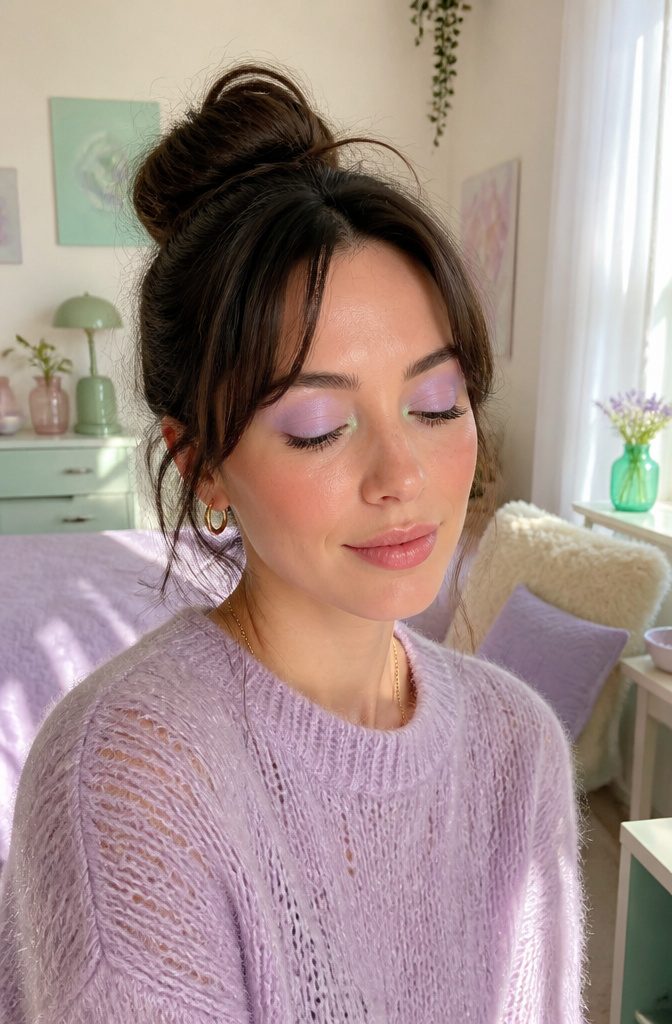
Milky lavender, mint, and peach sit on the skin like watercolor rather than ink, and that softness is exactly what makes pastel makeup read as its own category.
The pigment needs a true white base to hold its shape; anything yellow or ruddy underneath turns sage into dirty dishwater and pink into inflamed skin.
I learned that the hard way with a pistachio shadow that looked surgical on my bare lid and only settled into something wearable after I switched to a white primer.
Pastel shares territory with colorful makeup in that both reject neutral brown, but the overlap ends at saturation.
A neon orange demands attention; a creamsicle peach invites it closer. The same pastel eye with a sharp black liner becomes editorial, while diffused edges read romantic.
Where colorful makeup often builds intensity, pastels lose their point if you layer too heavily. Two thin passes of pigment beat one thick one every time, because opacity kills the milkiness that defines the look.
How Trends Move
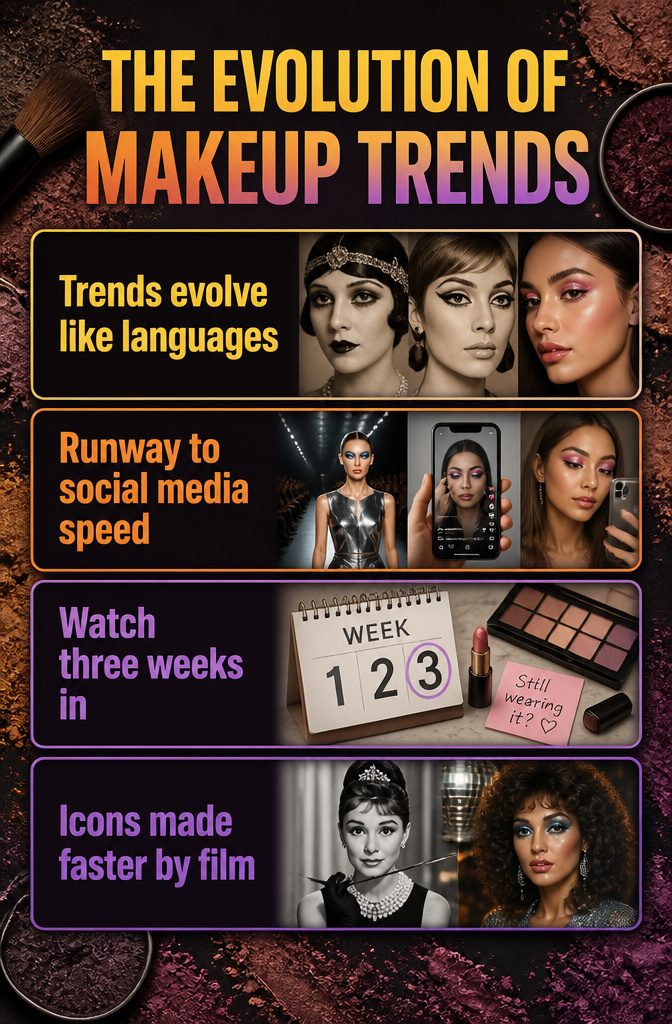
Makeup styles evolve the way languages or music do. The smoky eyes and thin brows of the 1920s reflected rebellion and jazz-age spirit; by the 1960s, graphic eyeliner and pale lips took over, driven by pop art and youth culture.
Each revival reinterprets rather than copies history, and that distinction matters when you’re deciding whether a trend suits your actual life.
The cycle from runway to everyday wear has compressed dramatically. A look that appears in editorial shoots can filter onto social media within hours, which means viral sensations and classic beauty now coexist on the same face.
Fashion and film still shape what gains traction, Audrey Hepburn’s cat-eye or disco-era shimmer proving that screen storytelling creates icons faster than any advertising could.
Not every source deserves your attention. Red carpet appearances and established fashion weeks still signal what designers revisit from old decades, but the endless scroll of internet fads mostly creates noise.
The better move is to watch how a trend functions three weeks after the initial hype, when you can see whether anyone still wears it to grocery shop or pick up their kids.
That lag tells you what actually moved from spectacle to wardrobe.
Tools and Techniques
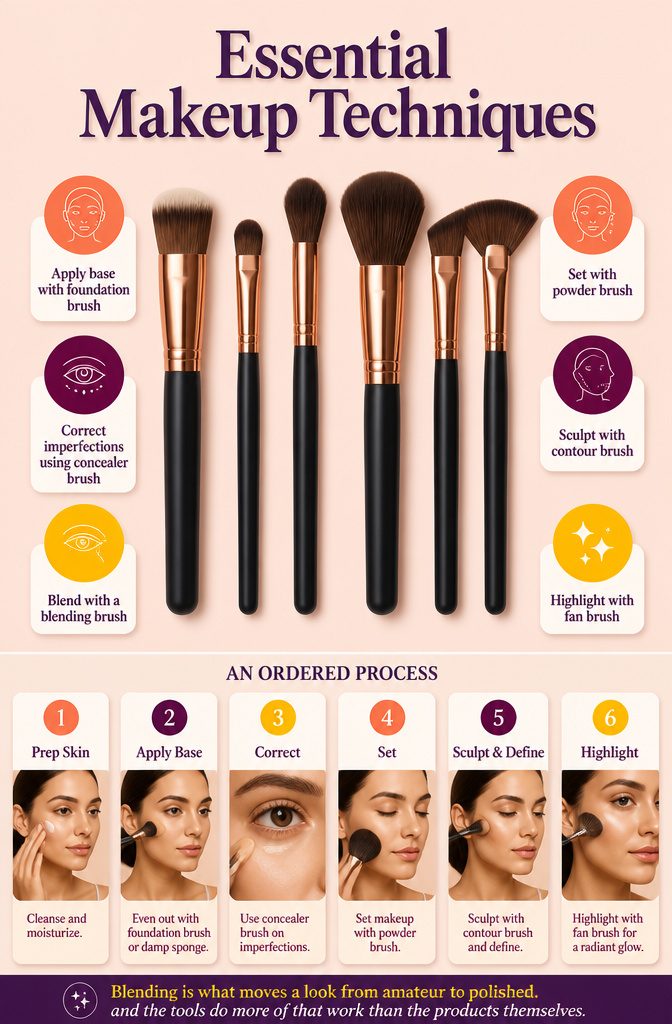
A damp sponge diffuses cream blush into something that looks like actual skin, while the same product tapped on with a finger sits on top and reads as makeup from across a room.
Blending is what moves a look from amateur to polished, and the tools do more of that work than the products themselves.
The brushes worth owning are narrower than most kits suggest. A foundation brush lays base evenly, a concealer brush handles spot correction, and a blending brush is non-negotiable for seamless eye work.
A powder brush sets everything without shifting it, and a single contour brush plus a fan brush for highlighter cover sculpting and glow.
That is six brushes, not the twenty that come in the average set. The rest are redundant: specialty shapes that do a job a standard brush already manages if you change the angle.
Technique shifts the same products between styles entirely. A tinted moisturizer or BB cream, blended with a damp sponge, gives subtle definition and a skin-like finish.
The same product buffed in with a foundation brush reads as fuller coverage, more polished, less natural. Brow gel frames the face when combed upward; when pressed flat, it disappears.
Highlighter on cheekbones with a fan brush mimics natural radiance. Packed on with a fingertip, it becomes deliberate shimmer, a different style altogether.
Matching the Occasion
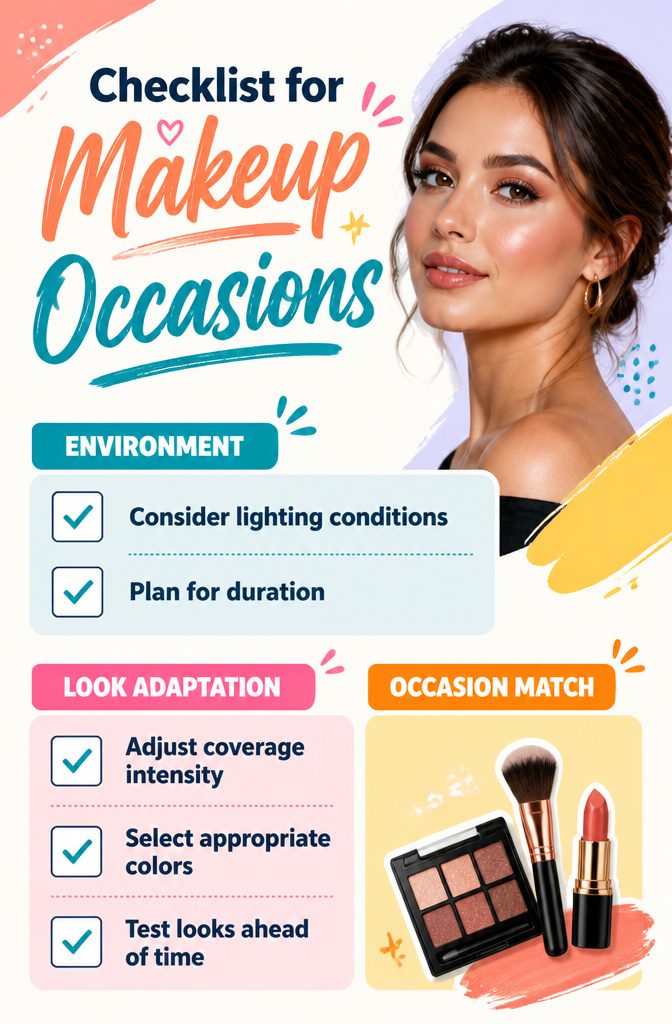
The same face in one week might carry a glowing natural look under office daylight, then shift to soft glam for a dinner out, then intensify to full smoky eyes for a Saturday event.
Lighting and duration matter more than most people account for: strong daylight rewards minimal, smart choices, while artificial evening light lets deeper pigment and shimmer read as intended rather than disappear.
A professional planning for television will push pigment stronger still, since camera sensors wash out what looks balanced in person.
Adapting a favorite style comes down to degree, not abandonment.
The smoky eye you wear for drinks can scale back to lighter and medium gray tones for a workplace version; the natural base you rely on daily takes bold liner or a stronger lip when the occasion demands something more striking.
The mistake is treating each look as a fixed identity rather than a dial you turn. A beginner learns facial structure and product control through that natural foundation, then adds precisely where the setting asks for it.
Product Choices
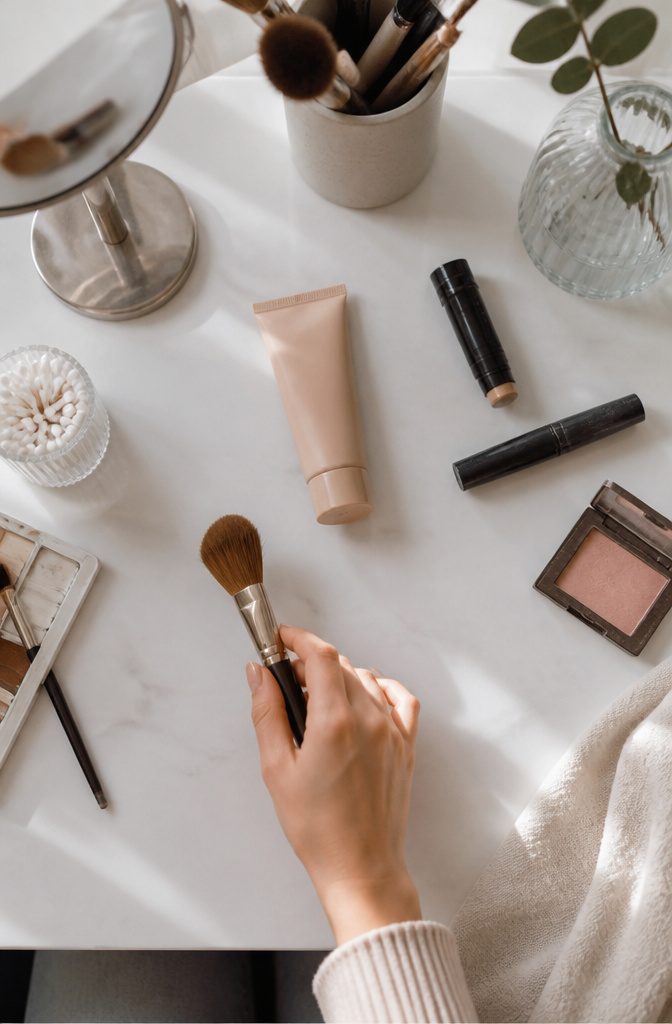
A single BB cream with light, buildable coverage handles the natural base and doubles as the first layer under bolder looks.
The same lengthening mascara that keeps a minimalist eye clean can be pressed into service for soft glam; the difference is whether you add a second coat or stop at one.
Blush in a neutral tone close to your natural flush bridges styles without requiring a separate product for each.
What separates a kit that spans looks from one that merely accumulates is checking whether a product’s claim matches the result the style actually demands.
A formula promising "seamless blending" matters for minimal and natural styles where edges must disappear, but a bold red lip or graphic liner can tolerate, even benefit from, a crisper boundary.
I stopped buying separate "day" and "night" versions once I noticed that the same pigment in a sheer application reads as subtle, while concentrated placement reads as deliberate.
The money saved goes toward one well-pigmented palette with range rather than three that each do one thing adequately.
Frequently Asked Questions
What types of makeup looks are there?
The fifteen unique makeup styles covered are natural, vintage, edgy, colorful, bridal, dramatic, minimal, soft glam, smokey eye, artistic, retro, romantic, bold red, gothic, and pastel.
Each sits at a different point on the spectrum from barely-there polish to full editorial construction, and the right choice depends on your setting, lighting, and how much statement you want the face to carry.
How do I know my makeup style?
Your makeup style comes down to what makes you feel confident, which colors sit right with your undertone, and whether your daily life happens under office fluorescents or evening spotlights.
The article suggests trying one authentic element from a style you are drawn to while keeping everything else current, so you can test a look without committing to full costume.
What is the most common type of makeup?
Natural makeup is the most common, built from sheer foundation or BB cream, nude lips slightly deeper than bare color, soft blush high on the cheekbone, and brown brow liner.
It dominates daily wear because it moves from work to errands to dinner without needing to be rebuilt, and it photographs clean without flashback.