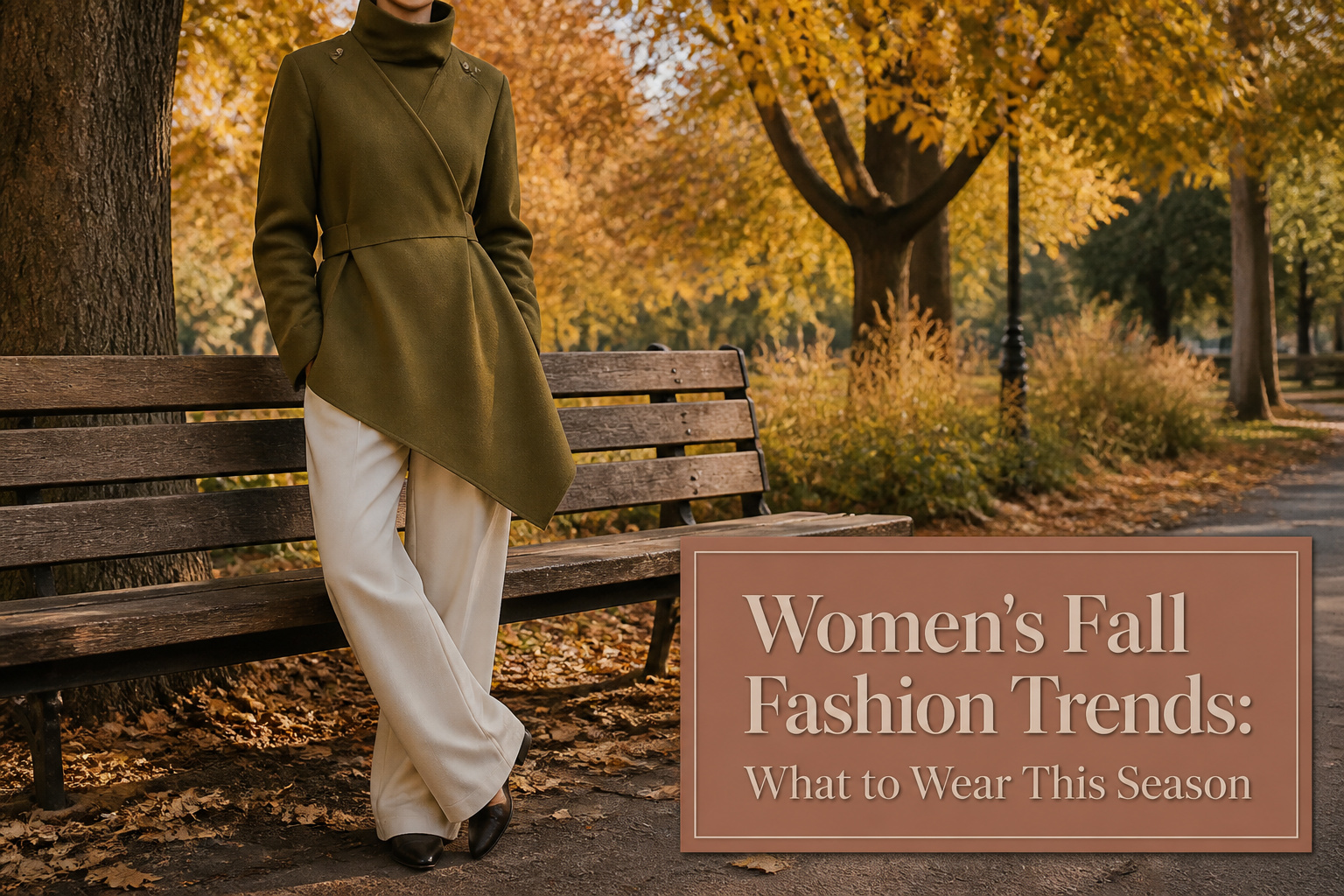
Women’s fall fashion trends for 2026 are defined by one restraint: every statement piece needs a classic counterweight.
Asymmetrical hems and sculpted jackets only work when the rest of the outfit stays quiet, and a single cherry red accent does more than head-to-toe color ever could.
Track pants in cotton-blend fabric weights, not gym nylon, are the piece that surprised me most this season.
Asymmetrical Details
Asymmetrical details started gaining real traction last fall, and this season they have settled into something genuinely wearable rather than runway-only sculptural pieces.
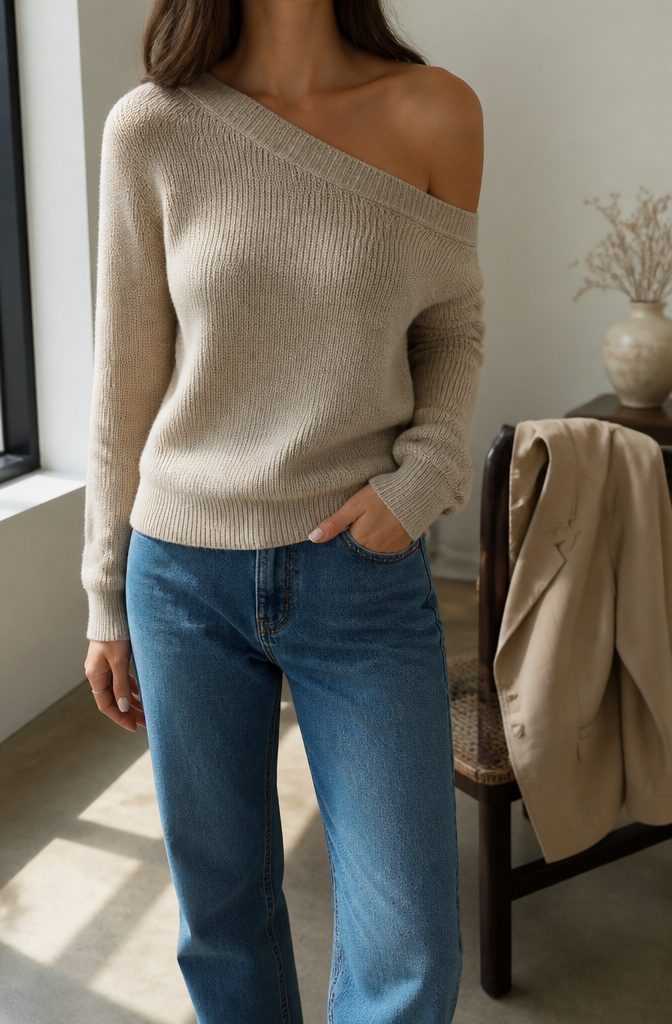
What works for everyday closets is the subtle version: a one-shoulder neckline on a fine-gauge knit, or a camisole with a hem that drops slightly lower on one side.
These add shape and visual interest without demanding that everything else in the outfit compete for attention.
The angled hem is the easier entry point if you are building from what you already own.
A sweater with a diagonal finish looks current over straight-leg jeans you have worn for three years, and the line draws the eye upward in a way that flatters most proportions.
One-shoulder cuts require slightly more thought. They expose the neck and collarbone asymmetrically, which can balance broader hips or add structure to a softer shoulder line, but the strap placement matters.
Too wide and it slides; too narrow and it cuts in at exactly the wrong point. Try the movement in a fitting room: raise your arm, reach across your body, see if the neckline stays put.
For occasions, a one-shoulder knit in a neutral tone moves from daytime meetings to dinner with only a change of earring and shoe.
The asymmetrical hem works across more casual settings, and layering it under a shaped jacket keeps the line visible without letting the trend wear you. Keep the rest classic is the rule that keeps this from looking like costume.

MATERIAL: This sweater is soft, lightweight, and breathable. The material ensures durability while providing a cozy, comfortable wearing experience against the skin all day long

This off shoulder waffle knit top features batwing long sleeves and has a boat style neckline. Off-the-shoulder design & loose fit silhouette makes fashion look, waffle knit tops for women, tunic sweaters for women

Material: Made with high-quality materials, this women knit sweater is durable and comfortable, This sweater features a relaxed fit. If you're between sizes, we recommend choosing the smaller size.
Track Pants for Everyday
Track pants have slowly been making their way outside of the athleisure category, and this fall they are showing up in office-adjacent and weekend styling that actually holds together.
The difference between gym wear and real clothes comes down to fabric weight and rise.
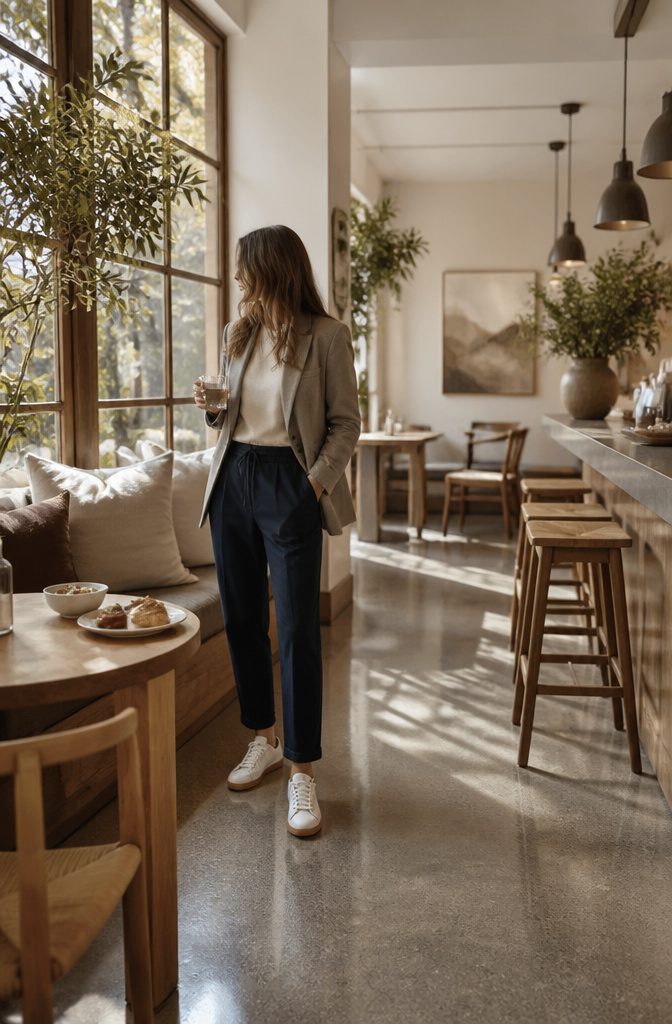
A cotton-blend pair with some heft to it drapes like trousers rather than collapsing at the knee by noon, and a mid-to-high rise keeps the waistband sitting clean under a tucked-in knit or a blazer rather than sliding low and breaking the line.
Shoes took three tries to get right. My first attempt with chunky running sneakers looked like I had forgotten to change after a workout; ballet flats made the whole outfit feel apologetic.
Loafers or slim-profile leather sneakers hit the balance, giving the pants that sporty-meets-polished finish without trying too hard.
An oversized knit on top works for coffee runs; swap in a structured blazer and the same pants move straight into a casual meeting.

US SIZE:S=(US 4-6),M=(US 8-10),L=(US 12-14),XL=(US 16-18),XXL=(US 20-22)

ASYMMETRICAL DESIGN: Women's ribbed knit sweater features a diagonal wrap-inspired front seam that creates a modern asymmetrical look and adds distinctive detail to a simple silhouette
Bold Stripes
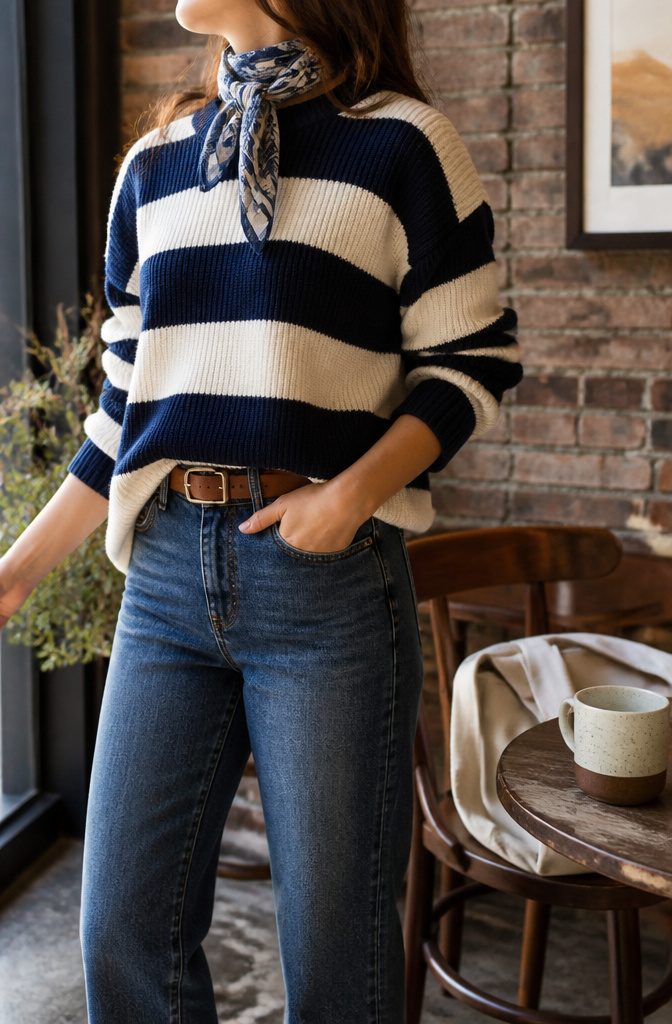
Rugby stripes are replacing the thin Breton lines that have dominated for years, and the difference in presence is immediate. Thicker bands with higher-contrast color combinations read as deliberate rather than borrowed from a sailor costume.
The scale matters more than most people expect. A stripe that measures two to three inches across carries weight that can overwhelm a smaller frame, while someone taller can handle the wider spacing without the pattern wearing them.
The mistake is treating bold stripes as a neutral base.
They are not. Let them anchor the outfit and keep everything else solid: denim, chocolate brown trousers, charcoal under a solid jacket.
Cherry red against cream or deep navy against off-white both work, but the contrast is doing the visual work, so competing prints only fight it.
A single bold stripe piece per outfit is the practical limit. Layer a striped knit polo or cardigan over nothing busier than a plain tee, and the look holds together.
Add a second striped element, even a scarf, and the referee comparisons start to feel earned rather than feared. Rugby shirts in this pattern are the obvious entry point, though sweaters and knits carry it more naturally into everyday wear.

Wide Leg Side Stripes:Relaxed women’s wide leg track pants with subtle contrast white side stripes for casual sporty style; clean tailored silhouette fits light workouts, daily errands and casual weekend outings.

Brushed Fleece Blend: 65% polyester, 33% cotton, 2% spandex delivers soft warmth without bulk. Midweight fabric drapes clean — structured yet slouchy, breathable all day.

Soft Sherpa-Weight Fleece: 50% Cotton 50% Polyester French terry fleece delivers warmth without stiffness — midweight drape that's structured yet cozy, breathable for all-day wear.
Satin and Silk Basics
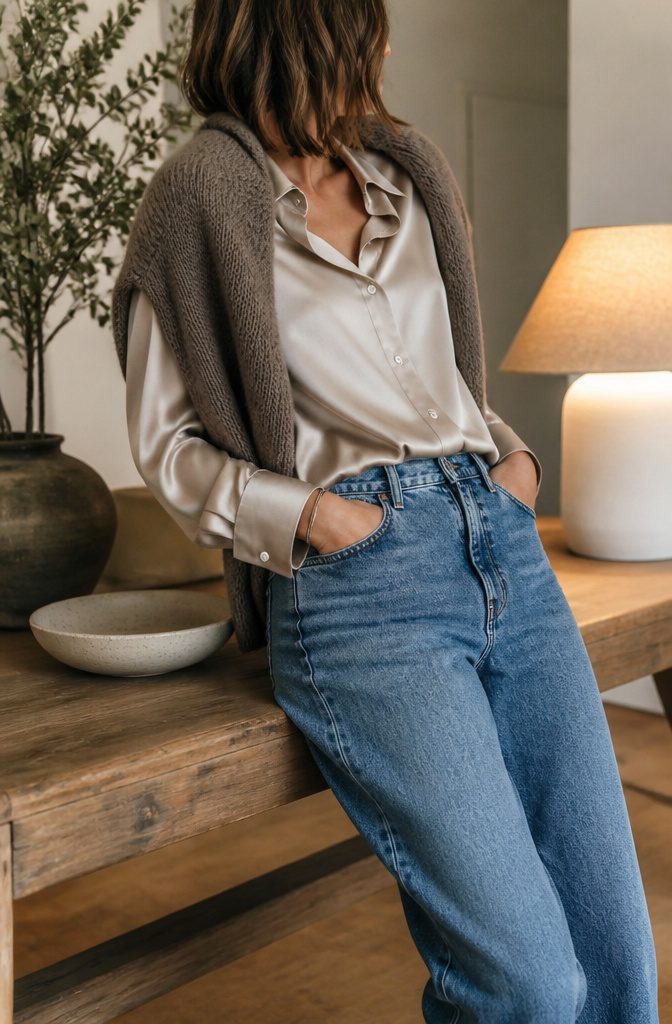
Silk and satin are moving past the occasion skirt this fall.
A silk button-down or pair of relaxed trousers now works for Tuesday meetings, not just Saturday weddings, and the trick is pairing that shine with something coarser: a satin skirt under an oversized knit, silk tops with regular denim, or satin pants with a suede jacket.
Cut matters more than fabric here. Relaxed trousers in silk can read as pajamas if the leg is too wide or the waistband too soft, so structure at the waist and a straight or slightly tapered leg keeps them office-appropriate.
A button-down in the same material avoids that problem entirely, though it will wrinkle in the car ride to work; the creases are part of the look, but they collect at the elbows and across the back where the seatbelt hits.
I pack a travel steamer if the meeting matters, or I lean into the rumple and wear it under a shaped jacket that hides the worst of it.
Care is the real limit. These pieces hand-wash or dry-clean, and they spot-water in ways cotton does not.
I own two silk button-downs in rotation so one can rest while the other is at the cleaner, because wearing the same one three times in a week shows at the collar and cuffs faster than you’d think.

Fabric: 100% Polyester camisole tops for women

Fabric has no stretch

🌸Size: XS=US(2), S=US(4-6), M=US(8-10), L=US(12-14), XL=US(16-18), XXL=US(20). Model is 5’3 135lbs 32DD & Jean size 27/28 , size Medium. Please feel free to contact us if you have any issues. We will provide you with a satisfactory solution within 48 hours.
Ballet Sneakers
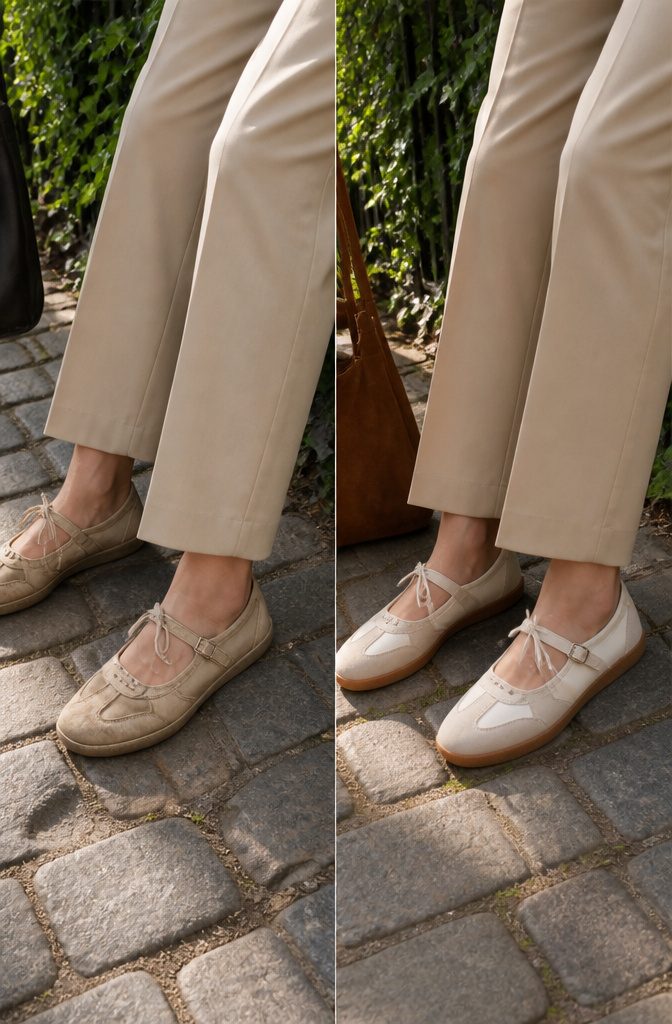
Ballet sneakers sit at an odd intersection: the slim sole and strap detail of a ballet flat grafted onto a low-profile sneaker body.
Adidas Samba Jane, Adidas Taekwondo Mei, and Puma Speedcat Ballet Sneaker are the three names carrying this hybrid into fall, and each lands differently on the foot than the ballet flats they borrow from.
The arch support is where the compromise shows. These styles inherit the thin midsole of a ballet flat more than the structured footbed of a running shoe.
A full day on concrete leaves the foot flatter than a traditional sneaker would, though not as flattened as a true ballet flat with no heel counter at all.
The Samba Jane and Taekwondo Mei run slightly firmer through the arch than the Speedcat, which stays closer to its racing-shoe roots with less underfoot structure.
Outfit weight determines whether they lift or sink a look. Wide-leg trousers or a heavy wool coat drag them toward costume territory; slim jeans, a narrow trouser, or a shorter hemline let the narrow silhouette read as intentional.
The strap or feminine detail that defines the category needs visible ankle space to register, so a cropped pant or rolled cuff works better than a full break.
The sock question decides everything. No-show liner socks keep the ballet reference clean and the strap visible; anything with height breaks the line and turns the shoe into a confused sneaker.
Skip the sock entirely before you add a crew height, though bare skin in leather-lined versions takes a few wears to soften.

The FitFlop Delicato Soft Leather Loafers are the ultimate sleek loafers - sporting a slim modern low-profile silhouette yet that feels like sneakers. In luxe butter-soft Nappa leather, with clean lines and a slightly square toe design. Cut to fit b

OFFICIAL COLE HAAN: Women's Driving Flats; Timeless style powered by innovation, for when you need to look, feel, and perform at your best

With the Delicato, FitFlop has crafted the ultimate sleek loafer, a slim, modern low-profile silhouette that feels like a sneaker. Luxe butter-soft metallic nappa leather with clean lines and a slightly square toe fits beautifully with jeans or tailo
Cherry Red Accents
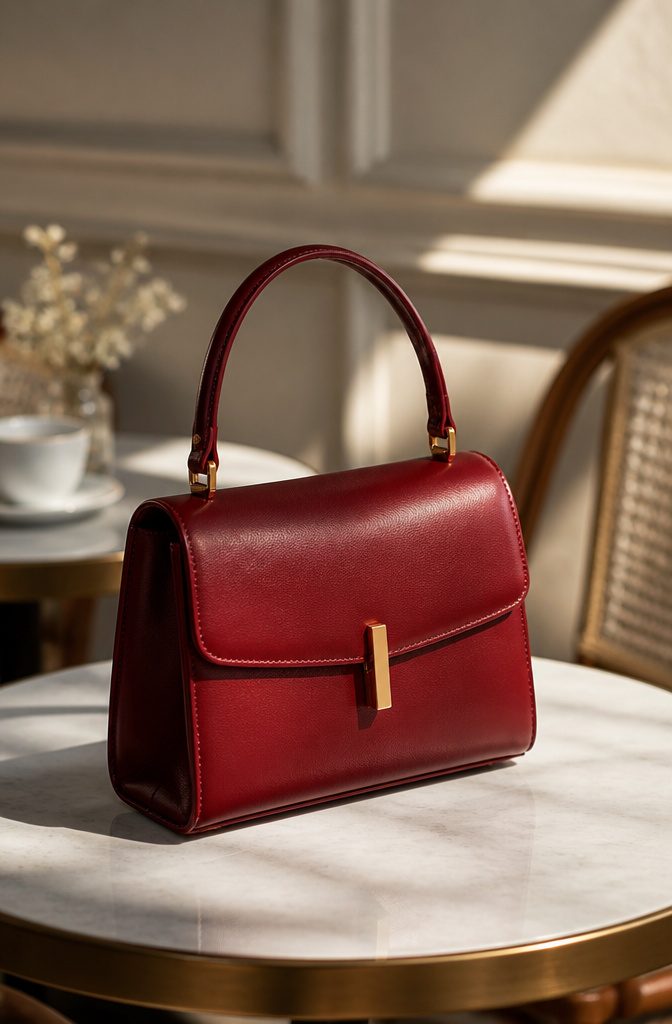
Deeper reds have been trending for the last few fall seasons, and while burgundy is not going anywhere, cherry red feels like the fresher color update for 2026.
The move is toward using it as a small pop against an otherwise neutral outfit rather than wearing it head to toe.
A cherry red handbag, sneaker, ballet flat, scarf or sweater is enough to make a simple combination feel current.
The color pairs especially well with chocolate brown, charcoal gray, cream and classic denim. These neutrals ground the red so it reads deliberate, not accidental.
Skin tone shifts how the color lands. On cooler complexions, the blue undertone in a true cherry can look crisp and awake.
On warmer or olive skin, that same blue base can turn flat or even sallow. In those cases, a cherry that tilts slightly orange, closer to a ripe fruit than a candied one, usually wears better.
The wrong version does not just clash; it can make the wearer look tired in a way that is hard to name until the right swatch appears beside it.

Soft and comfortable knit fabric, crochet design adds a touch of texture and visual interest while maintaining its breezy and relaxed feel

Soft Stretch Knit: Made with 60% Polyester, 35% Rayon and 5% Spandex, this women's tunic top features soft, lightweight and stretchy knit fabric that provides comfortable wear, flexible movement and a relaxed drape for everyday comfort.

Shaped Jackets
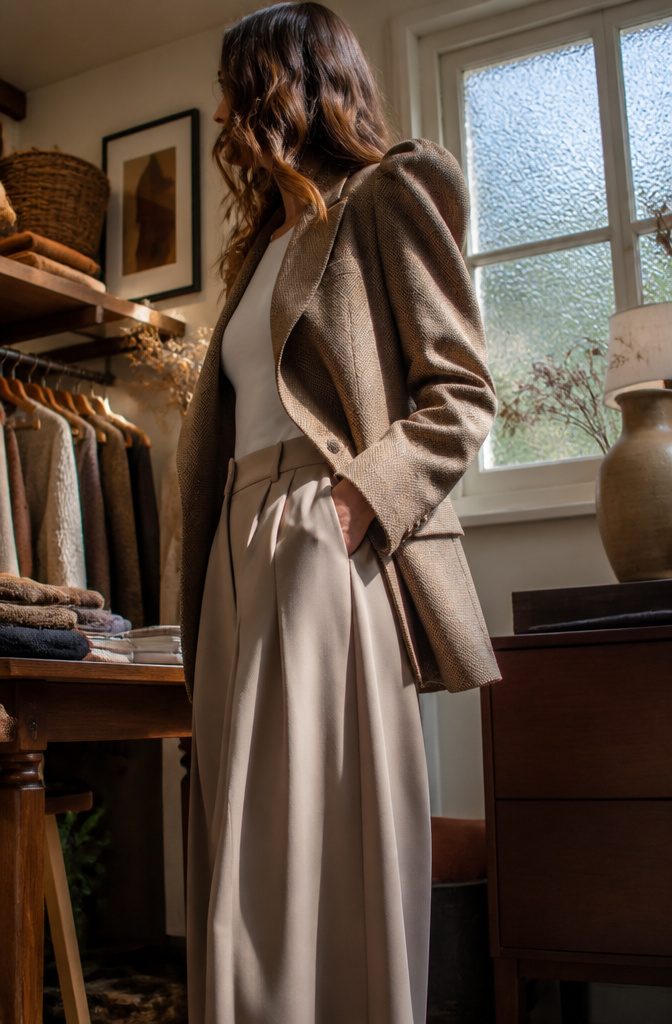
After several years of oversized, boxy outerwear, jackets are starting to have a little more shape again.
Sculptural shoulders and nipped waists are replacing the relaxed blazer era, with houses like Chanel, Givenchy, and Balenciaga reimagining power dressing through softened structures and gently sloping waists.
A shaped jacket over a thin tee wears very differently than one over a sweater. The same cut that skims a lightweight layer can pull across the back and ride up at the hem once you add bulk underneath.
I look for an extra half-inch of ease through the waist if I plan to layer, or I size up and have the waist taken in so the shoulder line stays clean.
The wrong shape adds bulk exactly where most of us want less.
A strong shoulder paired with a too-nipped waist can throw the silhouette top-heavy. A gently sloping waist works better for my frame than a dramatic hourglass; the latter reads costume on me, not polish.
Track pants underneath help ground the look, but loafers or ballet flats do more of that work than sneakers, which can tip the outfit toward costume again.

Cable Knit Fabric for Warmth: Turtleneck sweaters make of soft stretch knit material, this mock neck poncho sweater makes cozy warmth on chilly fall and winter days. The thick but not bulky fabric keeps you comfortable without feeling heavy on your body.

ASYMMETRICAL DESIGN: Women's ribbed knit sweater features a diagonal wrap-inspired front seam that creates a modern asymmetrical look and adds distinctive detail to a simple silhouette

Relaxed Comfort Fit - Features a loose drop shoulder silhouette designed for unrestricted movement, making it ideal for all-day wear without feeling tight or restrictive during daily activities
Updated Lady
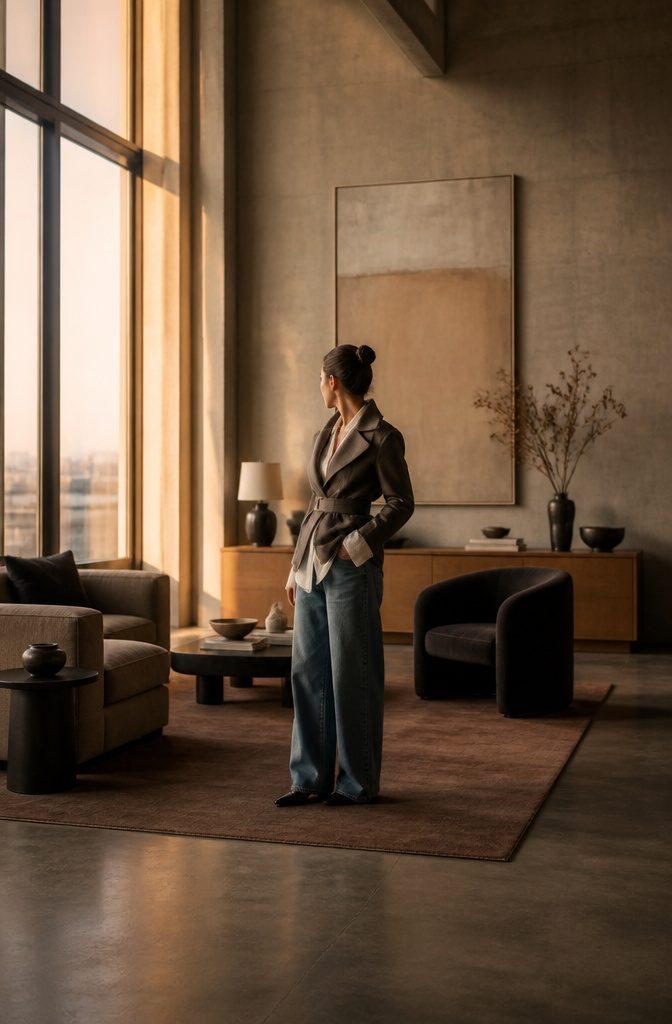
Relaxed tailoring this season lands somewhere between boardroom and brunch, and the piece to buy first is a sculpted jacket with a gently sloping waist.
Chanel, Balenciaga, and Givenchy all pushed this shape for fall 2026, and it reads as intentional rather than borrowed from a suit you never needed for a job you never had.
The pairing with jeans is where most of us will actually wear this.
A silk-inspired button-down underneath bridges the gap; the contrast of that fluid fabric against the jacket’s structure keeps the whole thing from looking like you forgot the matching trousers.
Suede or denim on bottom adds the texture mix that makes it feel dressed rather than dressy.
The line between relaxed and sloppy sits at the shoulder. Softened structure still needs construction; once the shoulder droops past natural, the shape collapses into something that looks slept in.
The sculptural quality matters more than the label inside, and a jacket that holds its line through a day of actual movement is the one worth the hanger space.

Nike Women's Studio Fleece Mid-Rise Joggers

QUALITY FABRIC: Made of 34.2%Cotton+65.8%Polyester , skin-friendly, soft, comfortable and thermal, a great choice clothing for fall and winter.

GOTS-CERTIFIED COTTON BLEND: Made from 92% organic cotton and 8% spandex for added stretch. This GOTS-certified product carries a GOTS label.
Art Deco Evening
The 1920s references walking the fall collections split cleanly into two camps: the ones that read like costume rentals and the ones that actually go out to dinner.
Khaite and Colleen Allen landed in the second group by keeping the geometry tight and the beadwork under control.
A fully beaded tube dress with a feathered headpiece dies at any table smaller than a gala.
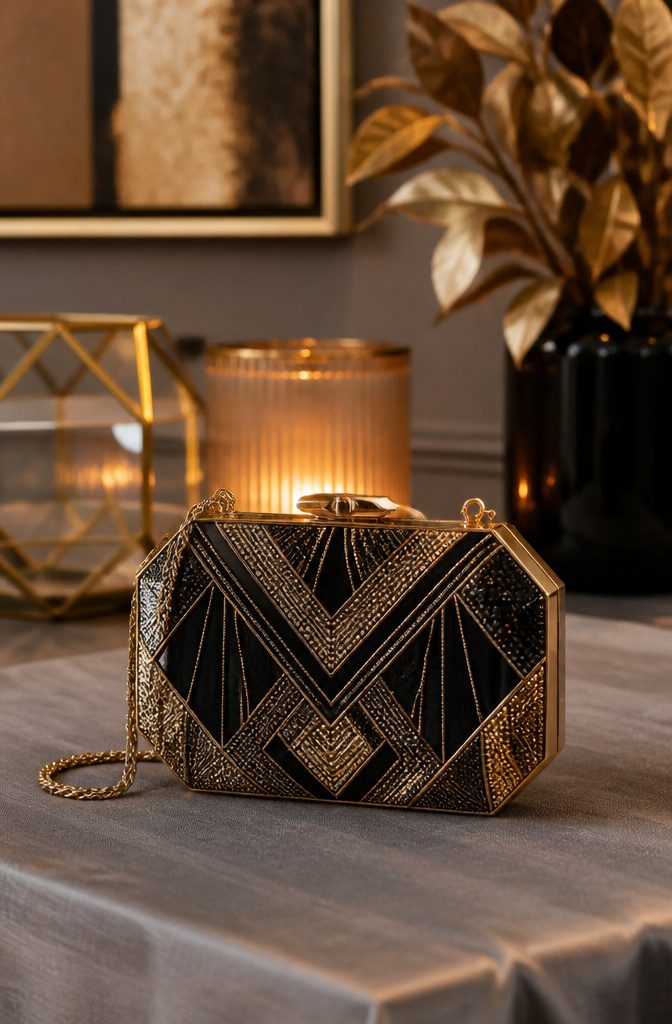
The modern move is a geometric clutch or an opulent evening bag with dense but structured patterning, something that nods to Art Deco without requiring the rest of the outfit to commit to the bit.
The Dôen Nellcote dress at $698 works because its pattern is linear rather than scattered; it reads as textile choice, not theme party.
For bags, sharp angles win over rounded flapper shapes. A rectangular minaudière or a structured envelope with stepped geometric beading carries the reference without the fringe.
Gloves and velvet trim help, but only in single doses. The designers who got it right at Loro Piana and Givenchy used one period cue per look, not five.
That restraint is what moves the outfit from The Great Gatsby set dressing to something you wear to an actual fall wedding.

Soft and lightweight fabric has some stretch, with contrast lace

Features: Plus size going out tops for women, one shoulder, asymmetrical hem, ruched, sleeveless

Fabric: Women's cami top is crafted from high stretchy fabric with a soft texture
Go Figure
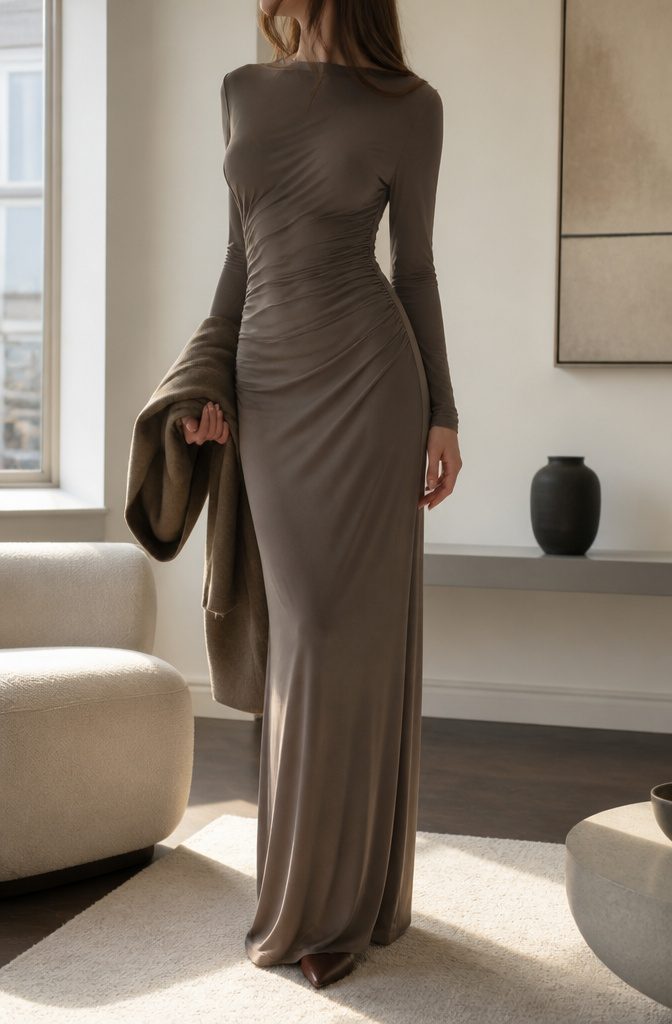
Second-skin dresses showed up everywhere on the fall 2026 runways, from Alaïa to Khaite to Valentino, and the question for anyone over a size two is what happens after lunch.
The fabric matters more than the cut: a true knit skims rather than squeezes, and a double-layer jersey forgives what single-layer slub knit broadcasts.
I look for substantial weight first, then test by sitting down, because a dress that flattens the stomach standing up can roll into a shelf at the waist once you bend.
Shapewear underneath is non-negotiable for some of these pieces, but it becomes its own project: finding a thong that does not show under sheer panels, a bodysuit that stays put when the dress has no shoulder seam to anchor it.
The Jil Sander knit bustier top with a slim trouser handles this better than a head-to-toe sheath, because you can separate the layers and control each one. An Éterne maxi dress reads as the same idea with less engineering.
Translating the trend into your own fall rotation may seem far-fetched, but by embracing it piece by piece, you can achieve the figure-hugging look without going full naked dressing.
— Vogue
What that means in practice: one tight piece per outfit, not two, and never the tightest fabric on the day you will sit through a long dinner.
Cos’s sheer mini with a slip and OTK boot works because the boot and coat do the visual work; the body-conscious layer underneath is only partly visible and partly covered.
The maintenance escalates fast when every garment requires specific underpinnings and you cannot grab a chair without planning. I treat these pieces as event dressing, not Tuesday.

Dual Targeted Support Structure: Integrated elevated longitudinal arch + contoured metatarsal pad redistributes foot weight evenly, easing Morton’s neuroma, metatarsalgia, forefoot burning and arch fatigue for high arches, mild flat feet and overpronation.

Penny loafer silhouette with crafted moc stitch detail

Please refer to the size chart under the product description before ordering and choose the appropriate size according to the measurements provided.
Playful Proportions
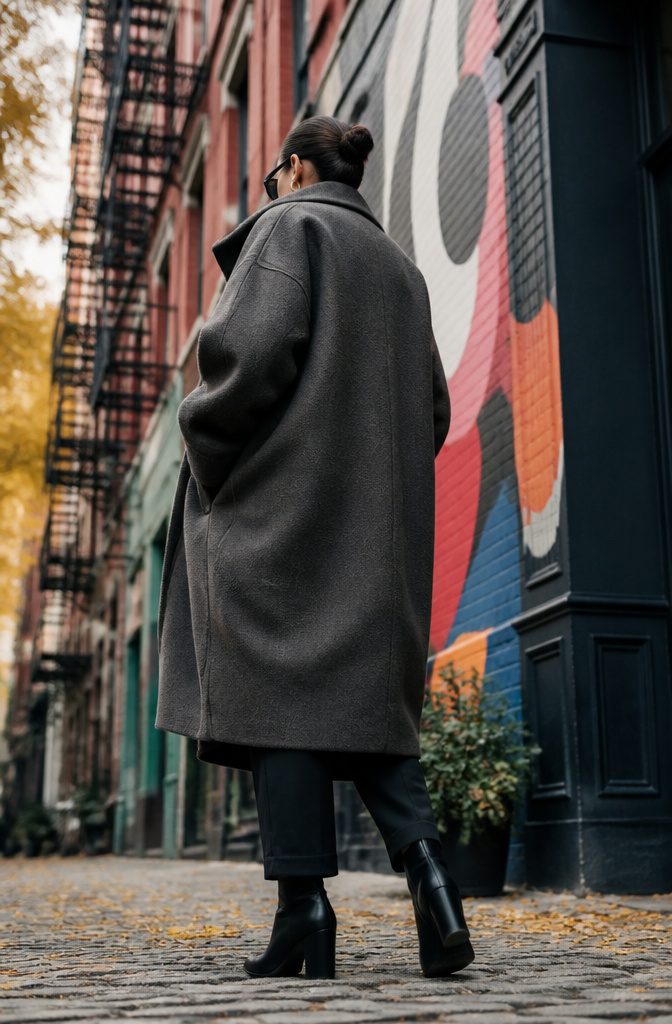
Oversized shapes and dramatic hemlines need height or at least intention to read as playful rather than sloppy.
The fall 2026 runways went heavy on cocoon-like tailoring, billowy pants, and exaggerated silhouettes, but one oversized piece per outfit is the workable limit. Two starts a competition for attention; three and the wearer disappears inside her own clothes.
Balance comes from contrast, not matching volume to volume. A cocoon coat works over slim trousers or a fitted skirt.
Wide pants need a tucked or cropped top that defines where the torso ends. Without that anchor, the eye has nowhere to rest.
Dramatic hemlines, the same rule.
A sharply angled or floor-skimming cut demands either enough heel to keep the leg line long or enough confidence in flat shoes to make the deliberate drop part of the look. Halfway, in between, just looks like a trip hazard.
Down to Earth
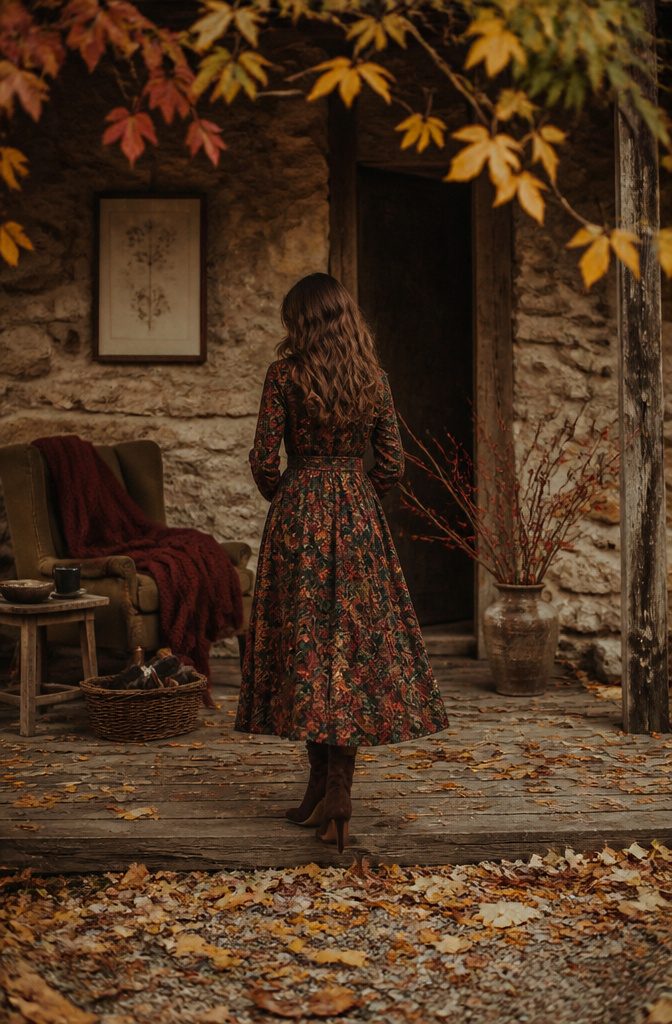
Richer, moodier floral prints have replaced the spring pastels that never quite worked past Labor Day anyway.
Dries Van Noten built entire looks around intricate floral brocades this season, from outerwear to midiskirts, while Simone Rocha and Erdem draped flora across blouses and dresses that read evening or office depending on the shoe.
The trick for October is keeping the palette low: deep burgundy, forest green, or ink navy backgrounds ground the print so it belongs to fall rather than fighting it.
Earth tones split cleanly by undertone. Warm skin carries camel, rust, and olive without any extra makeup; cool undertones need the ashier side of the same family, like taupe, slate, and sage.
If you have never tested this, hold a true orange and a true rust against your jaw in natural light; one will make you look rested and the other will make you look like you need a vacation.
That is the one to avoid.
A satin skirt with an oversized knit bridges the texture gap that florals can create, and a suede jacket over a printed midi dresses the whole thing down for grocery runs.
The combination reads intentional rather than like you grabbed the wrong season from storage.
Wearable Layering
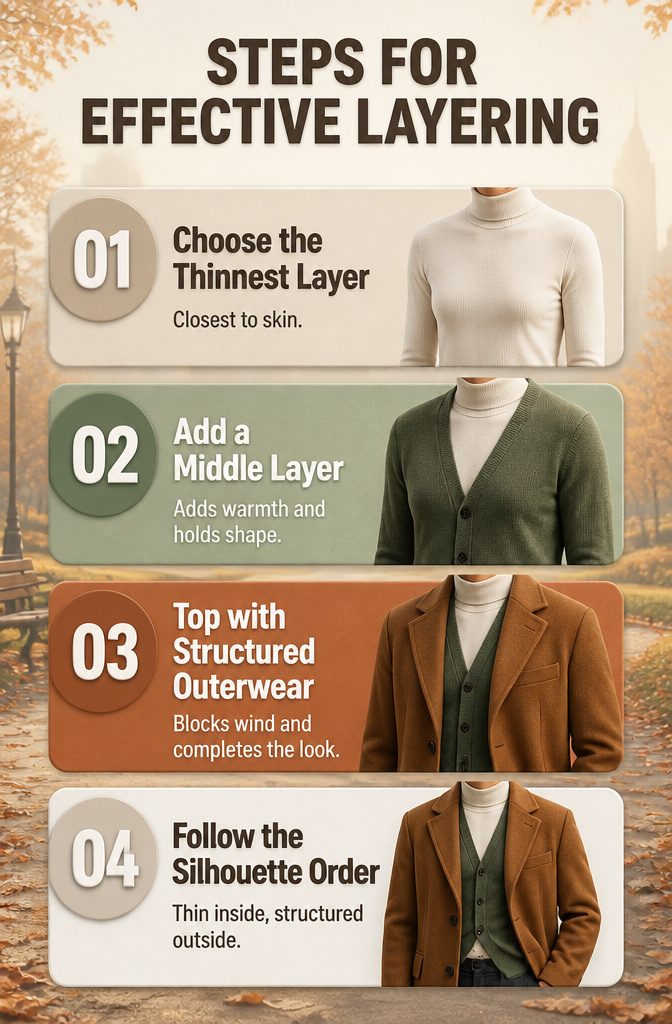
The three-texture rule keeps layering from turning into costume. More than that and you start to look like you dressed in the dark, each piece fighting for attention rather than working together.
I learned this the hard way last autumn, stepping out in tweed, corduroy, and ribbed knit all at once, only to catch my reflection and see a walking fabric swatch.
Silhouette order matters more than the pieces themselves: the thinnest layer sits closest to skin, the structured outermost shell takes the wind, and whatever bridges them needs enough body to hold shape without adding bulk.
A fine-gauge turtleneck under a cotton canvas chore coat works because the middle layer, say a lightweight merino cardigan, has enough density to smooth the transition.
Reverse that order and the turtleneck bunches, the cardigan collapses, and the coat suddenly fits like you borrowed it.
For the commuter-to-office transition, a silk blouse under a cashmere crewneck, topped with a single-breasted wool coat, handles outdoor chill without roasting you on the subway.
The silk breathes against overheating radiators, the cashmere traps just enough air for the walk, and the coat cuts the wind without requiring a size up.
Leave the chunky knits for weekends; they force your outerwear to gap at the sleeves and ride up at the hem.
Fall Color Math
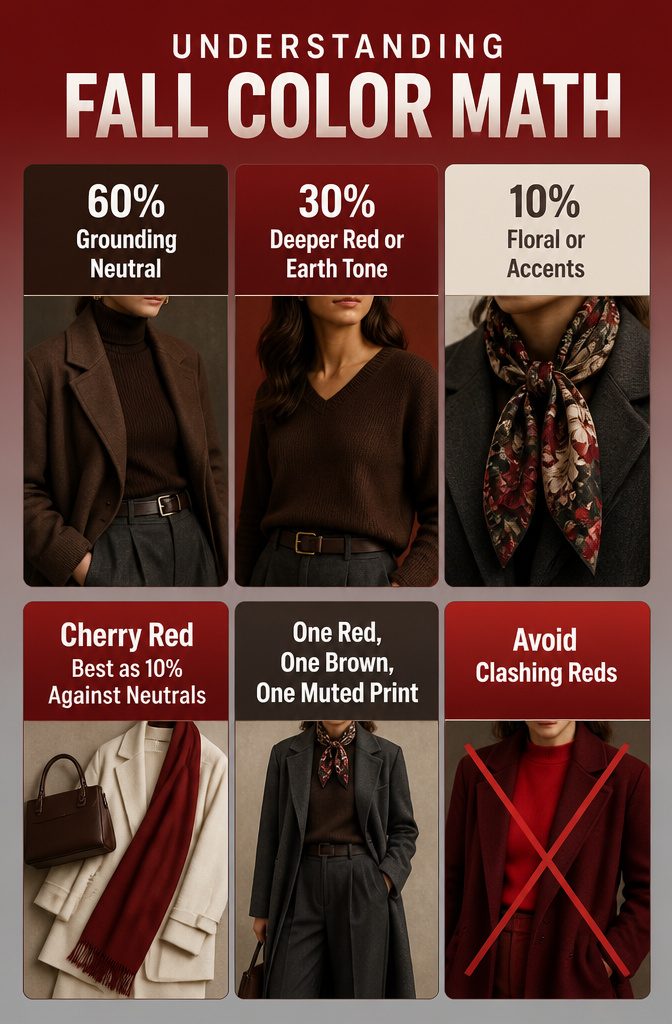
Deeper reds and moodier florals this season are richer than the autumn palettes I used to default to, which means the old habit of matching a burgundy sweater to a burgundy print now reads heavy and flat.
The 60-30-10 rule still governs, but autumn’s darker tones need a stricter eye: sixty percent in a grounding neutral like chocolate brown or charcoal gray, thirty percent in the deeper red or an earthy tone, and the final ten reserved for the floral or accent that keeps the look from sinking.
Cherry red works best as that ten percent against chocolate brown or cream, not as the dominant thirty.
I tried the reverse once, with cherry red as a mid-layer under a burgundy coat, and the two reds bled together into something that looked accidental rather than layered.
The combination that held was charcoal gray trousers and coat, a chocolate brown knit, and a small moody floral scarf at the throat.
The florals at Dries Van Noten and Erdem this season run to brocades and draped silks that carry enough shadow to read as texture from a distance, which is what lets them sit inside that ten percent without shouting.
Burgundy is not disappearing, but it functions better now as part of the sixty percent base, or left out entirely if cherry red is the accent in play.
Two reds in one outfit is the clash to avoid; one red, one brown, one muted print is the math that resolves.
Minimalist Wardrobe Check
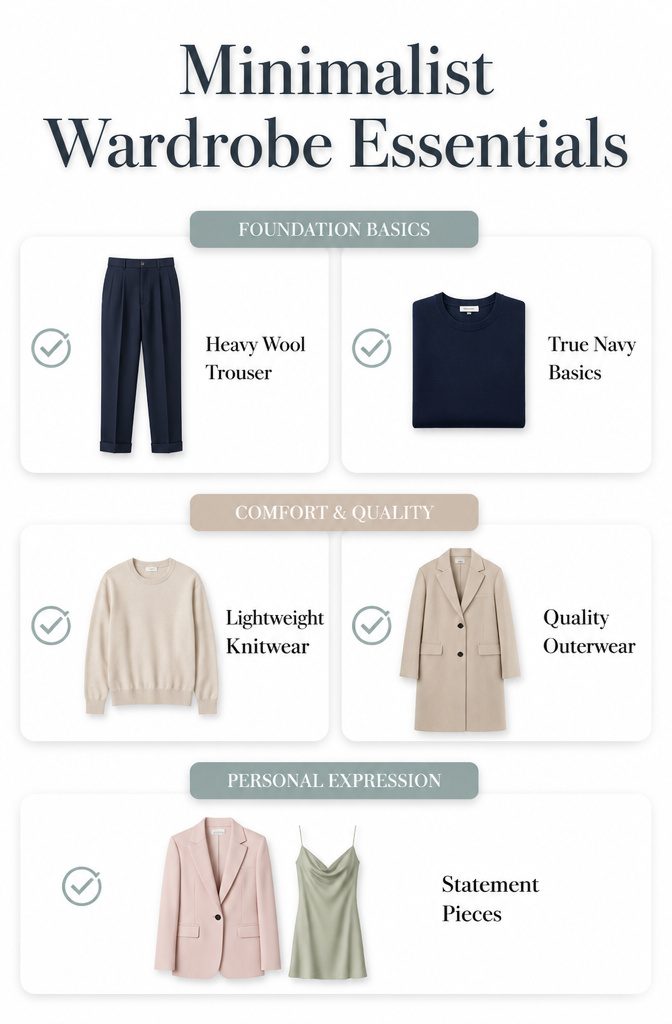
A capsule of about thirty pieces outperformed sixty in my own closet reset. The larger number still looked like abundance on paper, but getting dressed meant sifting through near-duplicates that never quite worked.
Thirty forced a ratio that holds: roughly two-thirds quiet, interchangeable basics to one-third pieces with enough cut or color to carry an outfit.
The difference showed up in cost per wear. A single heavy wool trouser in a true navy, worn two or three times weekly through fall, replaced three trend trousers I had grabbed to "update" things.
The basics earned their keep; the statements had room to matter because they were not drowning in noise.
Quality over quantity is not a frugal pose. It is the only way a small wardrobe stays interesting.
If you truly love a piece, as the standard goes, the desire to keep adding fades. I found that true only once the count dropped low enough that every hanger held something I would reach for today, not someday.
Frequently Asked Questions
What are the fall fashion trends for women?
This season’s standout women’s fall fashion trends include asymmetrical details like one-shoulder knits and angled hems, track pants styled for everyday wear, bold rugby stripes, satin and silk basics worn casually, ballet sneakers, cherry red accents, and shaped jackets with nipped waists and sculptural shoulders.
How can I style fall outfits?
Layer no more than three textures at once, with the thinnest layer closest to skin and the structured piece outermost.
Pair one oversized item with slimmer pieces elsewhere, and use cherry red or moody florals as a 10% accent against a 60% neutral base like chocolate brown or charcoal gray.
What colors are trending for fall?
Cherry red replaces burgundy as the fresher accent color for 2026, pairing best with chocolate brown, charcoal gray, cream, and classic denim.
Deeper reds and moodier florals on dark backgrounds like forest green, ink navy, or deep burgundy replace spring pastels, while earthy tones split warm (camel, rust, olive) and cool (taupe, slate, sage) by skin undertone.