Spring summer fashion trends for 2026 favor utility and ease over spectacle, but only if you know which versions to buy.
The cargo pant that works is the one with a straight leg and clean hem, not the tapered cuff that traps you in sneakers.
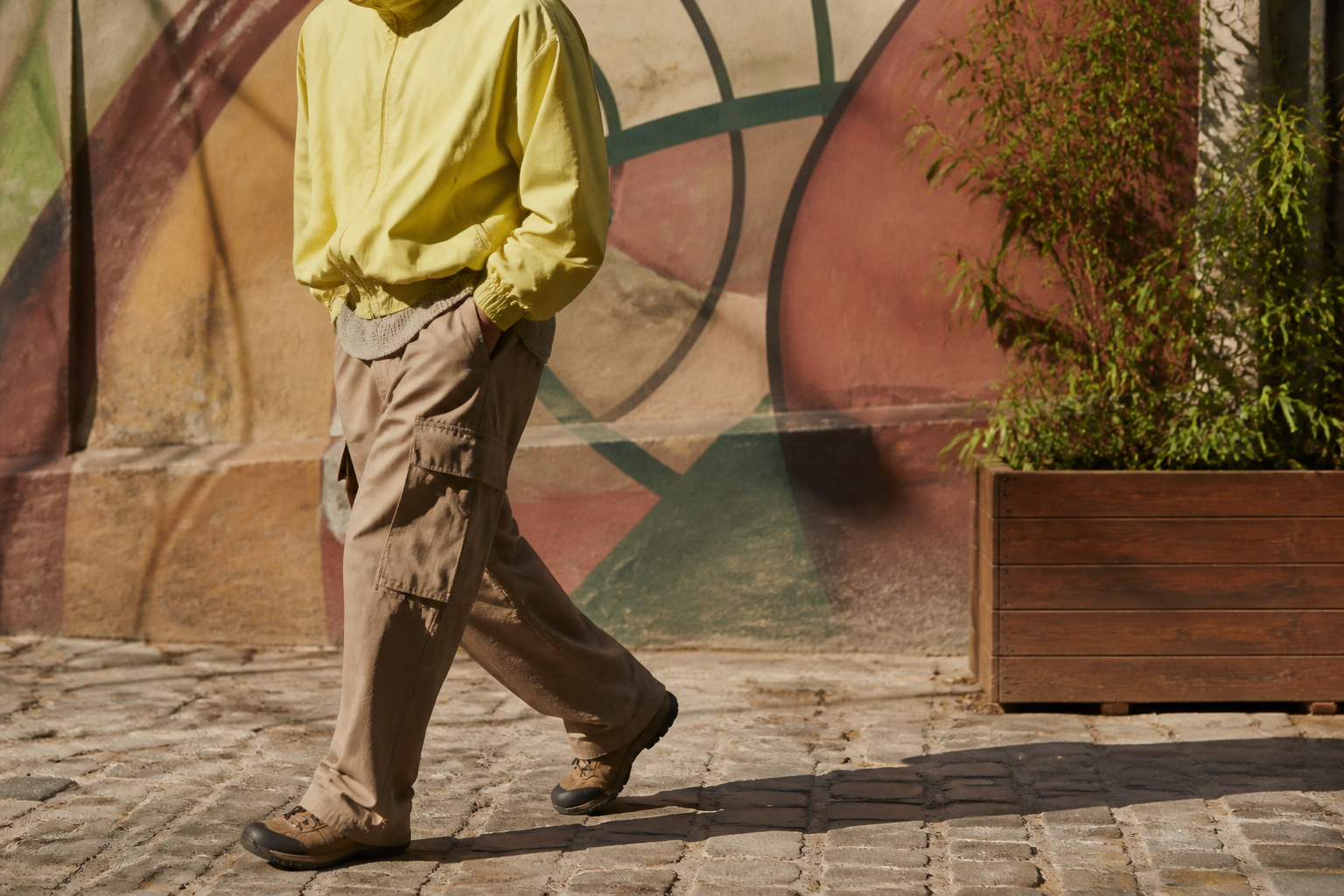
Loewe’s oversized funnel-collar windbreaker in citron or earth tones, shown alongside retro color blocking, is the piece that borrows from gorpcore without requiring climbing gear.
Cargo Pants
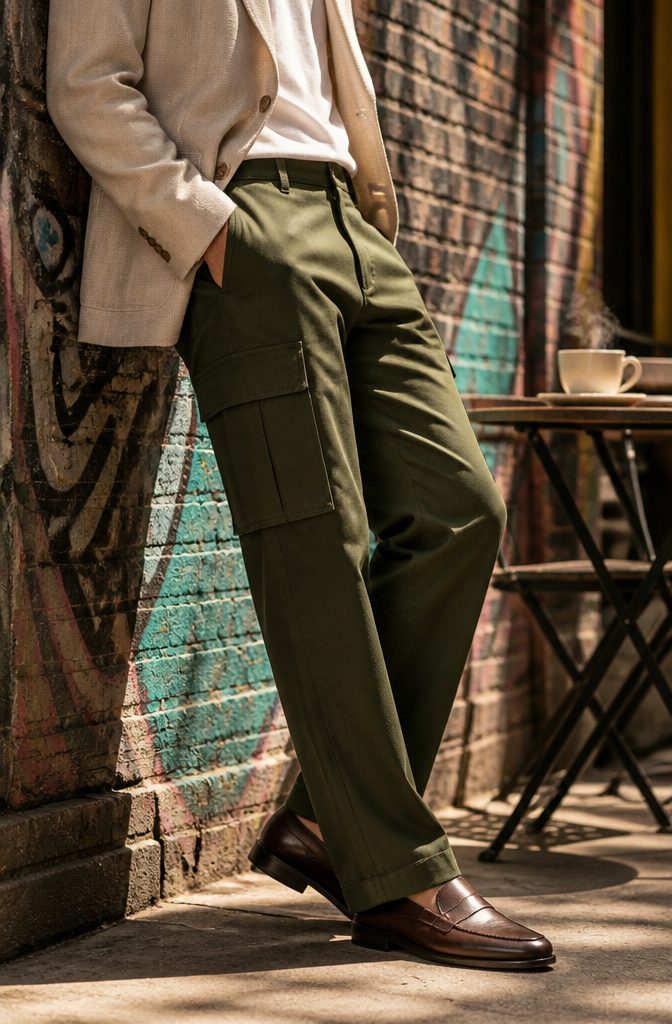
The relaxed fit that dominated runways this season makes cargo pants wearable in a way the tight, low-rise versions never were.
Room through the thigh and a straight leg from knee to ankle means they skim rather than cling, and that silhouette is what lets you dress them up with a structured jacket or keep them casual with a tee.
Earth tones are the practical choice here: olive, sand, and warm brown read as neutral without being boring, and they pair with pieces already in most closets.
Utility details matter more than pocket count. Look for durable fabrics with uniform-inspired construction, and treat the extra pockets as texture rather than storage.
A tapered or elasticized cuff ruins the line; the cleaner hem is what lets a cargo pant work with loafers or heels instead of defaulting to sneakers.
The utility dressing trend leans into this functionality, but the pieces that last are the ones where the hardware feels incidental, not costume. I would skip anything with visible contrast stitching or nylon webbing that reads tactical rather than tailored.

【Premium Fabric】These casual cargo pants are made of 97% polyester and 3% spandex fabric, comfortable against the skin, lightweight, durable, waterproof, and wrinkle-resistant, suitable for everyday wear

RELAXED FIT. These cargo pants sit at the natural waist. Designed with a relaxed fit through the seat and thigh, these cargos will keep you comfortable during any task

MATERIAL:The cargo pants for men is made of 95%cotton+5%spandex to increase breathability and comfort.
Scarf Styling
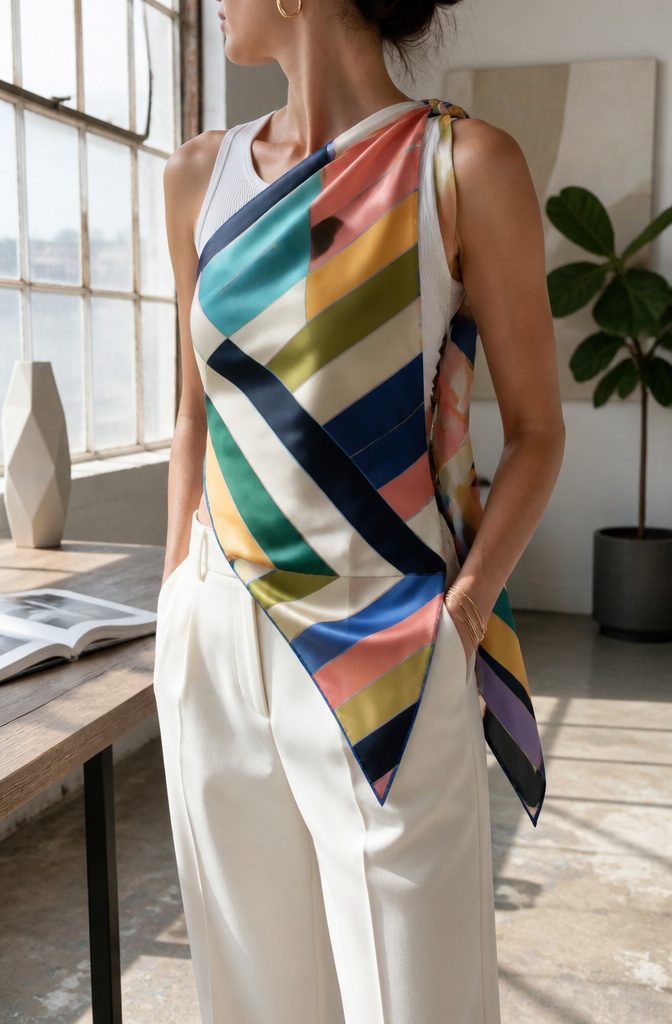
Silk scarves are moving from the neck to everywhere else.
The blown-up prints and exaggerated proportions showing up for spring summer fashion trends mean a scarf can become the whole top, knotted over the shoulder or wrapped at the waist rather than pinned neatly underneath a collar.
A lightweight silk square in a multicolored pattern turns a basic tank or solid dress into something deliberate without requiring a new purchase.
The fabric matters as much as the fold. A heavier silk or cotton blend holds structure for a halter tie or bandeau; something sheerer works better twisted through a belt loop or braided into a hair piece.
I have learned to avoid anything too small, about twenty inches square or under, because the knot eats the print and the coverage turns skimpy fast.
Two approaches to try: wear it as the garment itself, or add it to a neutral outfit as the single moving part. The first takes confidence and sometimes a layer underneath; the second is safer and still reads current.
A scarf tied to a tote handle or worn as a headpiece gives the same visual lift without the commitment of wearing it as a top.
Either way, the multipurpose value is hard to argue against for a piece that packs to nothing and costs less than most jewelry.

Premium Polyester Fabric: Made from 100% polyester, the lightweight and durable fabric offers a soft feel, breathability, and easy care. Designed to maintain its shape after wear, providing comfortable performance for daily activities

REGULAR FIT. Up for any task, these pants keep you comfortable all day. A regular fit and straight-leg opening, these pants combine form and function for the ultimate work attire.

Fabric: Made from 100% polyester fabric with a washed twill-style texture for casual workwear looks.
Retro Prints
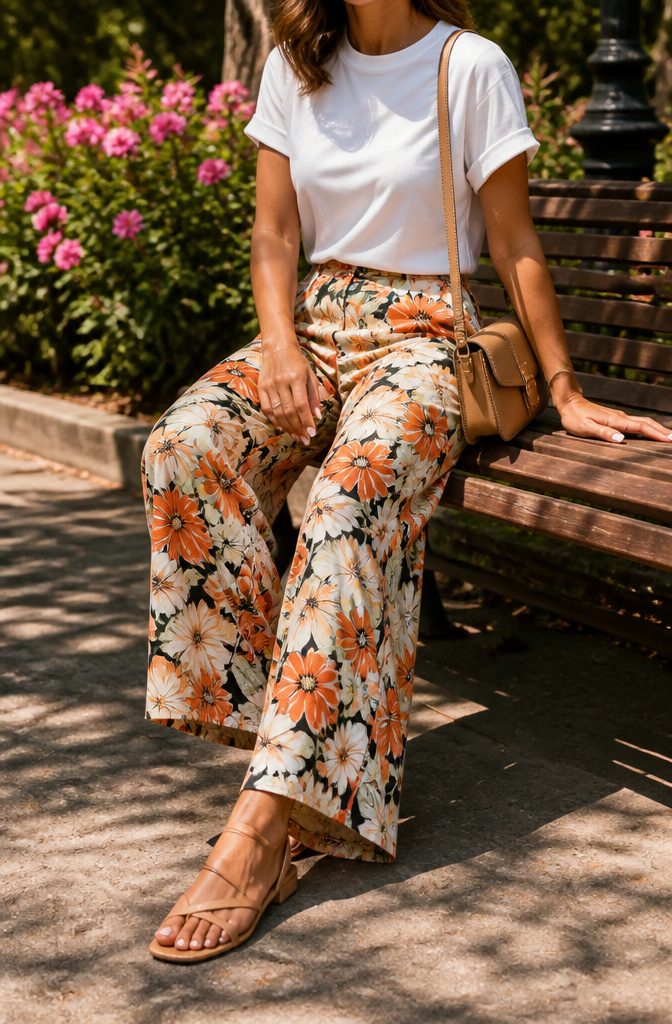
The 70s and 80s prints coming back for spring summer fashion trends are louder than I expected, and the mistake most people make is wearing them head to toe.
A full psychedelic suit or geometric blouse-and-trouser set reads costume, not outfit.
The move is one printed piece against something clean: a high-waisted wide-leg pant in a muted floral with a plain white tee, or an 80s abstract blazer over a black slip dress.
Scale matters for body shape.
Smaller, denser repeats, think 70s ditzy florals or narrow stripes, work better on petite frames without overwhelming them. Larger, sparser 80s geometrics need vertical length to breathe; on a shorter torso they fragment the silhouette.
If you carry weight through the hips, a darker-ground print with the pattern concentrated above the waist draws the eye up. Broader shoulders balance against a softer, less structured print below.
Neutral accessories are what keep this wearable.
Tan leather, simple gold, white canvas: these ground the nostalgia so it feels intentional. The print carries the memory; the bag and shoe should not compete with it.
I have seen good versions of this at every price point, and the difference between the ones that work and the ones that do not is almost always that restraint in the pairing.

SPECIFICATION: Size: 25.6"*25.6"(65*65cm) or 26.7”*26.7”(68*68cm). Weight: 0.88 OZ(25g).

【SGS-CERTIFIED 100% SILK SCARVES】Crafted from premium 6A Grade mulberry silk, this large silk scarf for women offers a luxuriously smooth, soft satin finish with excellent drape. We guarantee every TASESON silk scarf is made of 100% pure silk and verified by an official SGS test report.

【2 PACK of SQUARE SCARVES】One for use, one for washing. 35 x 35 inches/90cm x 90cm large square headscarf. Smooth, silky and shiny. Square satin bandana, classy neckerchief for women
Peplum Tops
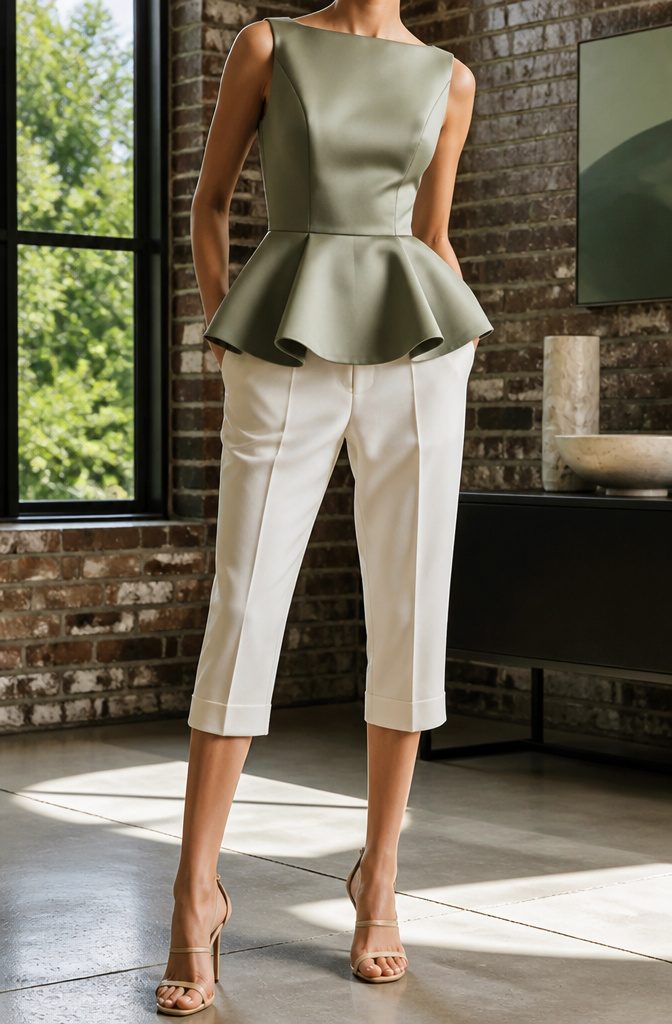
The peplum returning for spring summer fashion trends is not the flouncy, vaguely retro shape from 2012.
What walked at Ashlyn, Khaite, and Stella McCartney reads more architectural: a defined, almost sculpted flare that starts at a higher waist point and holds its line rather than billowing.
Dries van Noten and Adam Lippes pushed this further, treating the peplum as a structural element instead of a decorative ruffle.
That structure changes who it flatters.
The newer, stiffer construction creates a defined waist where there is not one and balances broader shoulders or hips by adding volume exactly at the midsection. A softer, draped peplum would hide a figure; this version redraws it.
Pairing it with what you already own is the easier part. The runways showed these tops with tapered trousers, capri pants, and Bermuda shorts; the common thread is a slimmer leg below the flare.
Wide pants fight the silhouette and look like two competing shapes. A clean ’90s-style bottom, something with a subtle taper and minimal detail, lets the peplum do its work without the outfit feeling costumed.

Material: Polyester,Cotton, soft fabric, comfortable to wear

Material: Y2k cutout back tie polka dot halter tank top, sexy halter neck satin brown going out tops for women is made of polyester, the fabric is soft, lightweight, cozy and comfy to wear, vestidos cortos elegantes night out backless tie dots cami tops

Material: Y2k cutout back tie polka dot halter tank top, sexy halter neck satin brown going out tops for women is made of polyester, the fabric is soft, lightweight, cozy and comfy to wear, vestidos cortos elegantes night out backless tie dots cami tops
Windbreakers
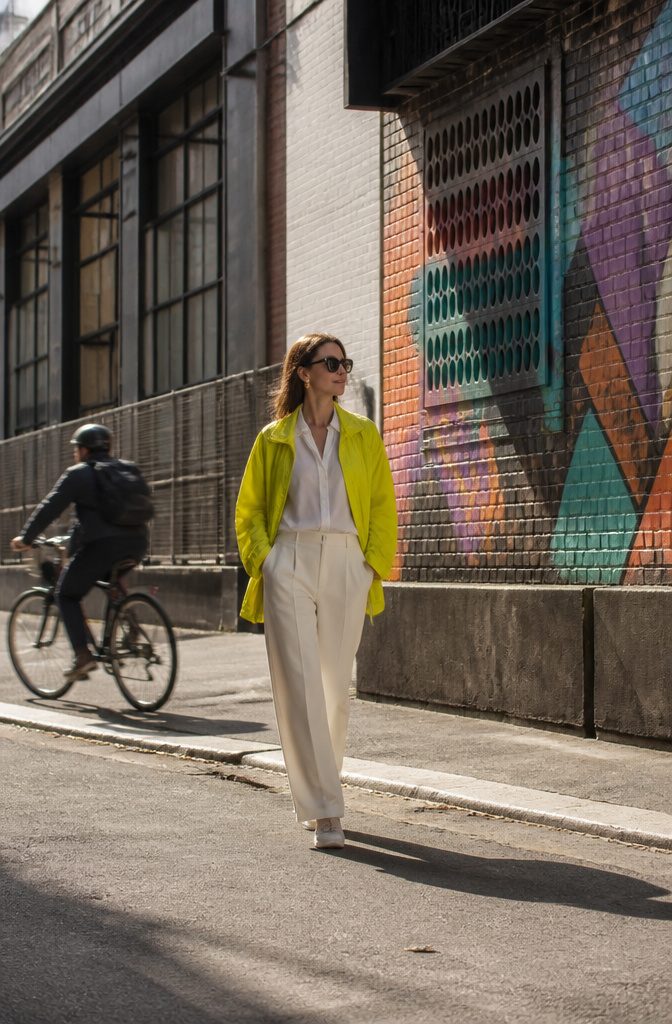
Loewe’s Spring/Summer 2026 show put the oversized windbreaker with a funnel collar back on the map in retro color blocking, and Saint Laurent, Fendi, and Miu Miu followed.
The jacket works because it borrows from gorpcore without demanding you own climbing gear.
Nylon shells in citron or earth tones pair with crisp shirting and a full skirt for contrast, or with technical bottoms and heels if you prefer the Prada route.
Lacoste’s tenniscore collection pushes the same idea through heritage sportswear codes, so the line between outdoor piece and city layer has effectively disappeared.
Uniqlo’s Windproof Stand Blouson and Nike’s Oversized Windrunner sit at the accessible end; both use the same weather-resistant fabric logic as the runway versions. For my own closet, the stand collar matters more than the hood.
It frames the neck and layers cleanly under a blazer if the temperature drops, whereas a hooded shell always reads gym-bound. The leopard-print shell from Lululemon tests that rule, but print windbreakers are one per wardrobe, not two.

Size Guide: XS=US 0-2, S=US 4-6, M=US 8-10, L= US 12-14, XL=US 16-18, XXL=US 20-22. Please check the above "Size Chart" tool before ordering, if you are not sure about the size, please contact us without hesitation.

Package included:One Piece Floral Print Bell Bottom Pants
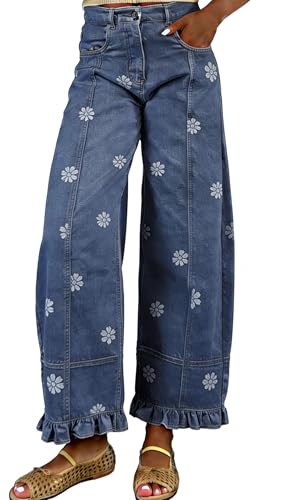
【WARM PROMPT】Size Guide: XS=US 0-2, S=US 4-6, M=US 8-10, L= US 12-14, XL=US 16-18, XXL=US 20-22. GARMENT CARE: This casual baggy cropped jeans for women can be hand washed and machine washed. Do not bleach. Wash separately from different colors. Hang dry and iron low.
Capri Pants
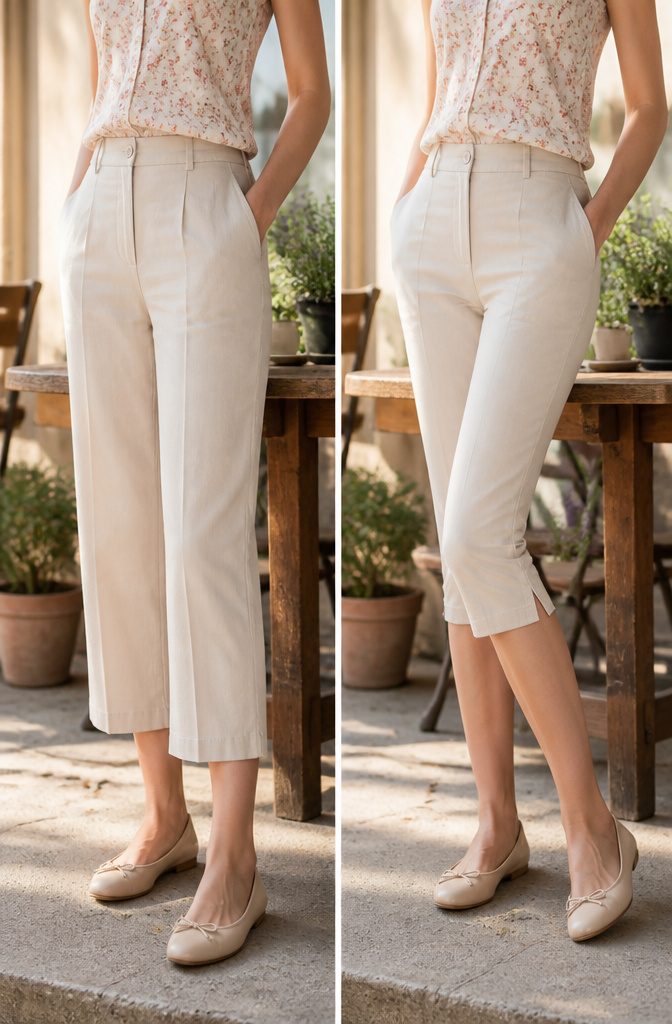
Capri pants are back for spring summer fashion trends, and the runway evidence is hard to ignore. Versace and Rabanne both showed them for Spring/Summer 2026, though the length still splits rooms the way it did in its first wave.
The risk is looking like you simply outgrew your trousers, which is where the shoe choice becomes the deciding factor. Ballet flats keep the line intentional, especially paired with an anklet for that slight structure break at the ankle.
Sheer or lace capris from Magda Butrym and Sandy Liang offer a more current route than stiff denim, letting you layer underneath for coverage without the heavy silhouette that dates the look.
Height matters for where the hem lands: mid-calf shortens the leg visually, so a lower vamp on your flat helps extend what the pant cuts off.
The Gap High Rise Capri Jean and Sandy Liang Barlow Capri sit at different points on the refinement scale, but both work if the ankle bone is your target, not the widest part of the calf.

RELAXED FIT SILHOUETTE. These cargo pants sit at the natural waist with a relaxed seat and thigh. Finished with a contoured waistband and a relaxed fit leg, these cargo pants will keep you comfortable all day.

Breathable material: These striped pants are made of 95% cotton 5% spandex. They have straight legs and cargo side pockets. They are comfortable and breathable, durable and suitable for everyday wear.

Premium Breathable Wear-Resistant Material:These men’s cargo jogger pants adopt high-quality lightweight stretch blended fabric, featuring excellent breathability and wear resistance
Terrycloth and Towel Dressing
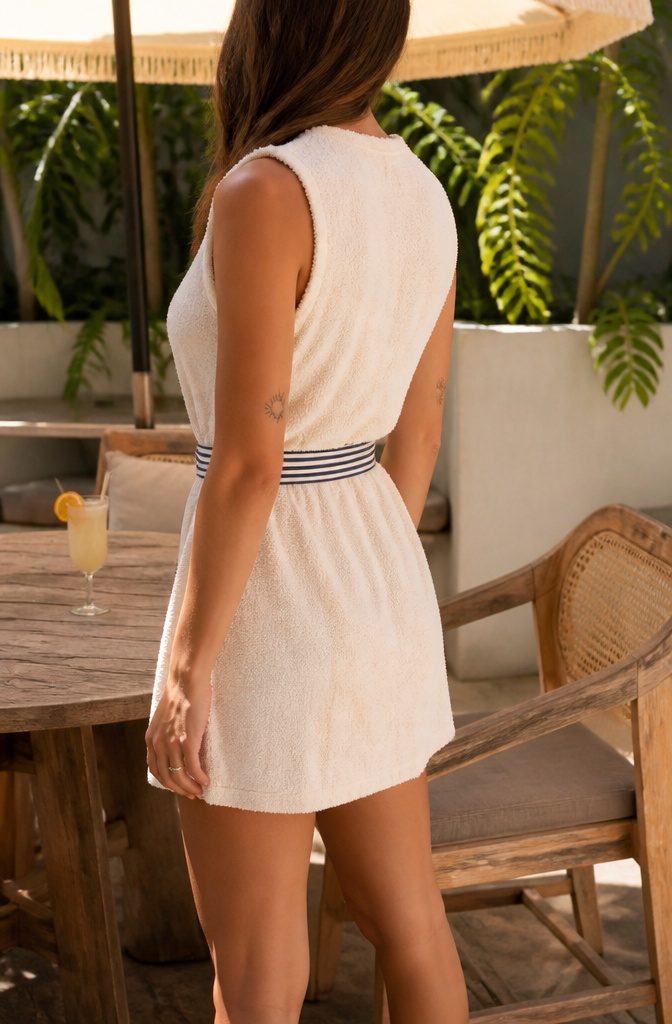
Terrycloth and towel dressing for spring summer fashion trends walks a narrow line between playful and sloppy, and the difference is almost always the cut.
Loewe and Christopher Esber went literal with their Spring/Summer 2026 runway pieces, Esber offering a wrap-front strapless that reads like a towel cinched post-shower.
COS took the same material but gave it shoulder straps you can tuck inside when you want less coverage, which keeps the texture from feeling too literal.
The move that saves it is structure: a defined waist, a halter neck, or a midi length that reads deliberate rather than borrowed from the hotel pool.
For everyday wear, cotton-blend terry in a jumpsuit or wrap skirt works better than anything that looks like it came off a lounge chair.
Juan Vidal’s floral-print dress carries beach towel energy, but that punch only suits a vacation context. The rest of us need the weight and finish to feel closer to a structured cover-up than to actual swimwear.
I’ve found terrycloth pieces fail most often at the neckline, where too much softness collapses into something that looks slept in.
A halter or strapless cut forces the fabric to hold its shape, and that tension is what makes the trend wearable past July.

4 Functional Multi‑Pockets for Hands‑Free Use: Features 4 practical storage pockets. 2 deep front pockets fit large smartphones; 2 button‑flap side cargo pockets securely hold cash, cards, keys and lip balm. Covered pockets stop small items from slipping out during travel, sightseeing or shopping.

Cargo Pants Women: Straight-leg styling combines a clean everyday silhouette with utility-inspired construction, making these pants easy to pair with boots, sneakers, tees, tanks or casual outerwear.

Please consider sizing up on first purchase. Fit Tip: For accuracy, measure yourself in your undergarments. Give all measurements in inches. If your measurements are between sizes, order the larger size
Utility Dressing
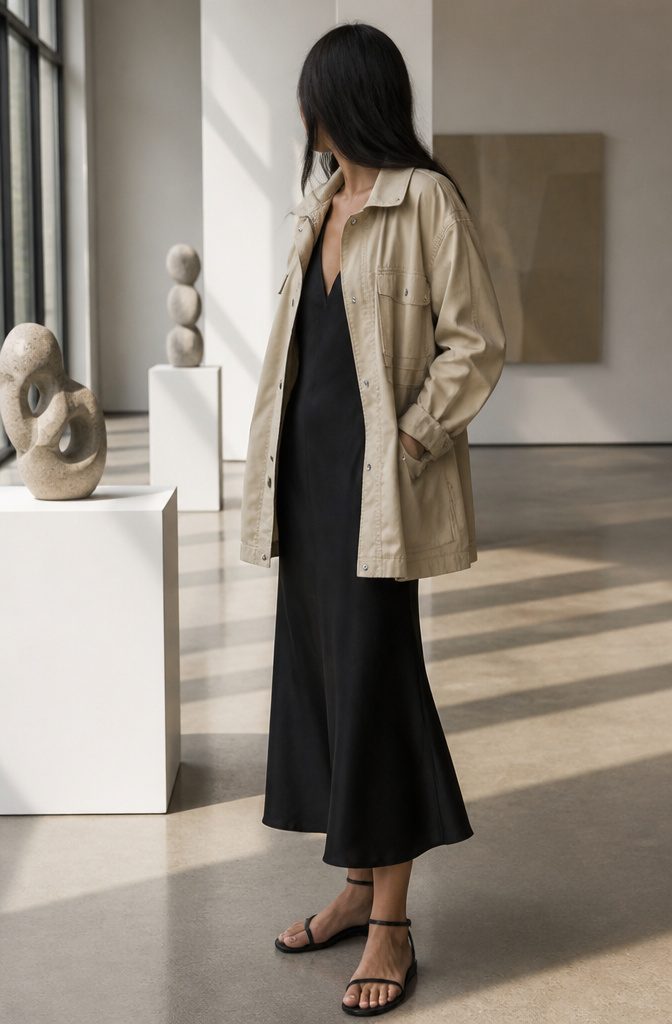
Utility dressing for spring summer fashion trends is about clothes that earn their place through function, not just looks.
Earth tones carry the palette, but the real work happens in the details: uniform-inspired silhouettes cut from durable fabrics, pockets that actually hold something, closures that fasten with purpose.
A metallic tunic layered under a cargo jacket, like Burberry paired for contrast, keeps the look from turning into costume.
The pieces stretch well beyond cargo pants. A structured field jacket in olive or sand works over a slip dress for dinner without looking like you are heading to a job site.
The line between utility and costume sits in proportion and fabric weight. One workwear detail per outfit usually does the job; two starts to read like a uniform, three like a theme party.
A funnel-collar windbreaker in a retro colorway, something Saint Laurent or Miu Miu has shown, functions as the outer layer that pulls the whole thing toward fashion rather than function.
The brands throwing weight behind this, Fendi included, mean the pieces are showing up in cuts that actually fit a real body rather than a runway ideal.

Generous 27x27 Inch Square Scarf: This satin head scarf measures 27 inches on each side, offering ample fabric to create versatile styles as a head wrap, neck scarf, shawl, or hair accessory

Head scarf material-RIIQIICHY hair scarf is made of high quality fabric, the touch of the scarf is silky and soft just like silk scarf, and looks shiny like satin scarf.

Material: Polyester. This scarf fabric is soft, very light and smooth feeling, the elastic is excellent when you pull it. These elegant lightweight neckerchief suitable for any uniform, like Stewardess, Hotel and Bank attendant etc, a perfect accessory for any seasons.
Jazz Age Dresses
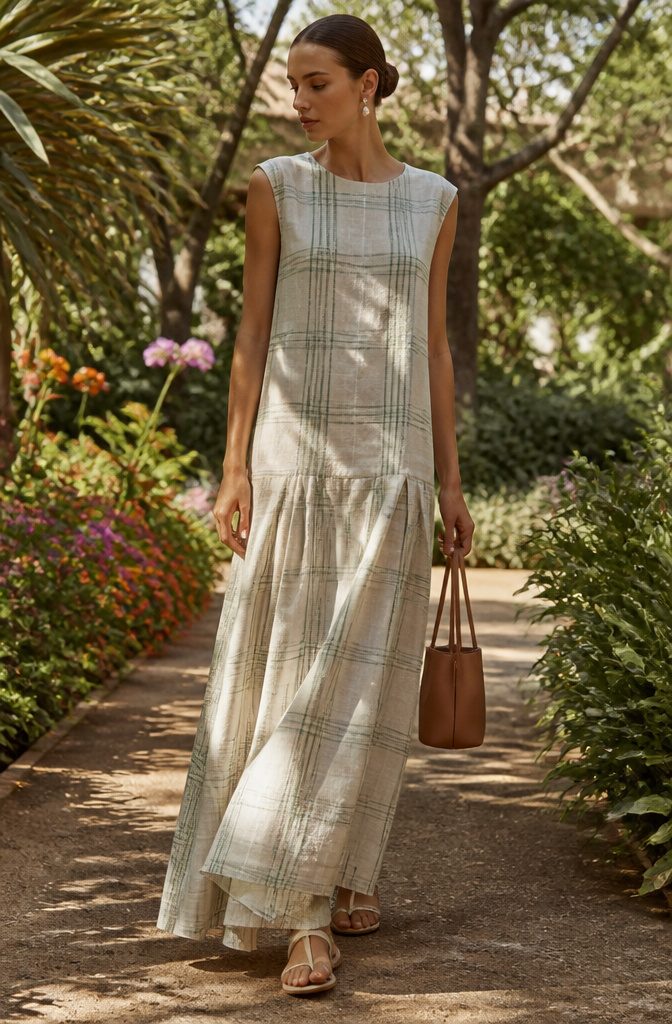
Drop-waist dresses are back for spring summer fashion trends, but the 2026 version keeps the relaxed 1920s spirit without the costume feel.
I noticed this watching Sacai’s runway: the midi and maxi lengths in linen read as modern rather than period piece, especially with prints like plaid or stripes that function as neutrals in a working closet.
The mistake is treating these as only evening wear. A floor-length shift in linen works for Saturday errands with flat sandals; the same dress, swapped to a structured earring and heel, handles a dinner where tailoring would feel stiff.
The inherent ease is the point, not the decade it references.
Keep accessories minimal and contemporary to avoid the flapper-party trap.
One clean shoe, one modern bag, no stacked bangles. The silhouette does the historical work; your job is to ground it in now.
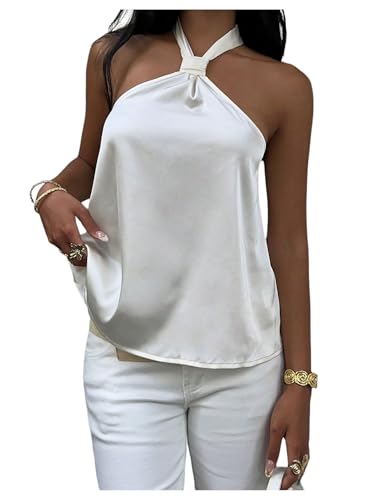
Soft and comfortable fabric has no stretch, skin friendly and lightweight

Features: Silk blouse for women features sexy cowl neck,cap sleeve/sleeveless,cute bow tie,exquisite pleated details,side ruched design and flowy style,giving you a charming and trendy looking when you wear it.

UNIQUE 3-WAY STYLING SCARF:Women's polka dot halter top with versatile scarf design, this trendy scarf top features 3 different wearing ways: wear scarf on both sides, place on one side, or tie a bow at the back. Sleeveless keyhole mock neck vintage going out tops for women, ideal cute halter tops for women daily casual wear.
Color Direction for Spring Summer
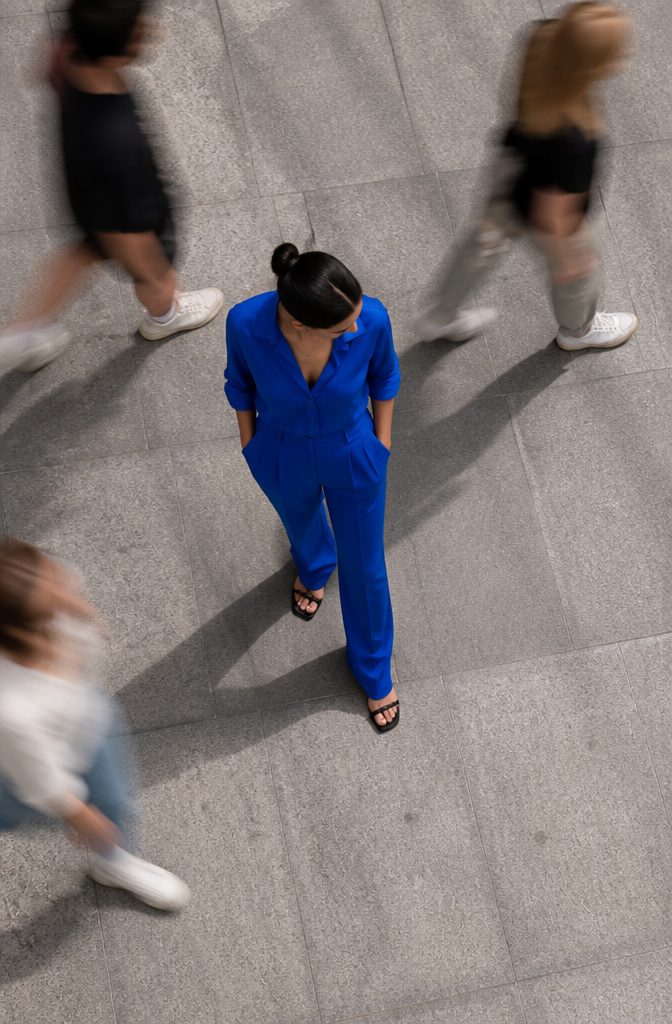
Lime, poppy, and electric blue are the three colors showing up everywhere for spring summer fashion trends next year, and the difference between wearing them and being worn by them comes down to how much skin sits between the fabric and your face.
Electric blue is the most forgiving of the three. On cooler undertones it reads crisp and intentional; on warmer complexions it can pull a little loud unless you break it up with a collar or layer it under something neutral.
Lime demands the most careful placement. Full lime dresses or suits tend to overwhelm anyone past a medium depth, but a lime belt, bag, or shoe against white or navy gives the same trend hit without the complexion fight.
Poppy sits in the middle: a poppy red blouse works across more skin tones than most assume, though it turns theatrical fast if the cut is too formal.
Accent pieces carry these colors better than full looks for most wardrobes. A single electric blue trouser with a grey sweatshirt, or poppy flats with broken-in denim, gets you the seasonal point without requiring a closet overhaul.
If you do want the full look, lime in a silk or linen reads easier than lime in stiff cotton, which can start to feel like a costume by noon.

Hippie Costume Pants Material: Soft and Comfortable, Stretchy Fabric, Fit To Wear All Day. Machine Wash are Available

Style: Seam front loose jeans for women ankle-length, boho floral printed baggy jeans with pockets, camo print jeans sweatpants women outwear, leopard flared jeans y2k girls streetwear, polka dot pants boyfriend jeans for women patchwork cargo cotton denim palazzo trousers

【WARM PROMPT】Size Guide: XS=US 0-2, S=US 4-6, M=US 8-10, L= US 12-14, XL=US 16-18, XXL=US 20-22. GARMENT CARE: This casual baggy cropped jeans for women can be hand washed and machine washed. Do not bleach. Wash separately from different colors. Hang dry and iron low.
Fabric and Silhouette Guide
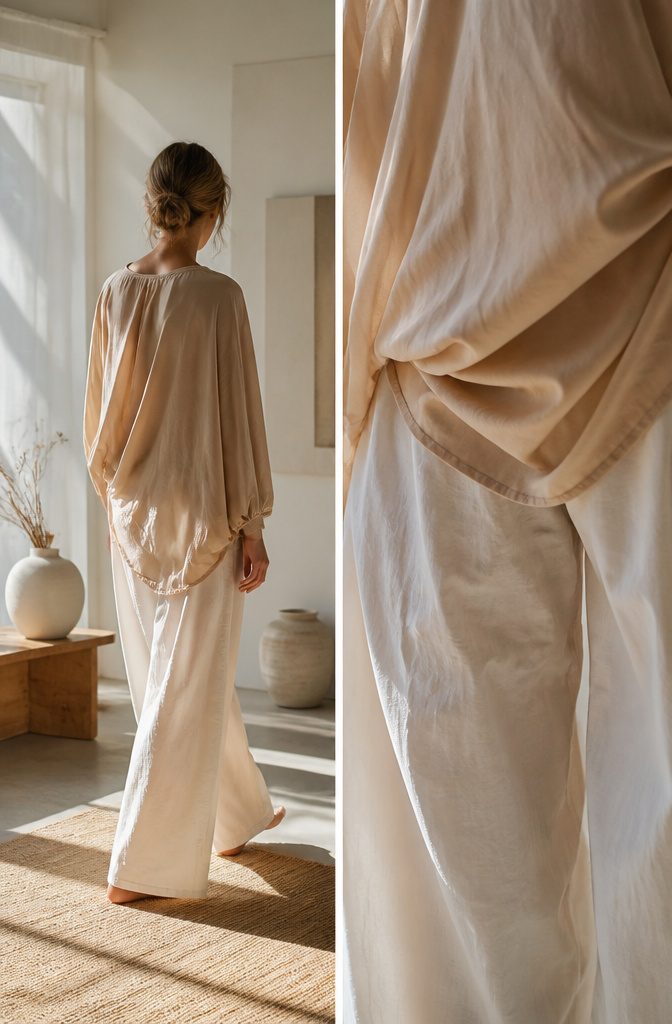
Fluid fabrics and relaxed shapes are where next season’s comfort actually lives. American Vintage built its entire spring summer fashion trends 2026 collection around soft cottons, jersey, and ultra-light materials that move rather than hold their shape against you.
The difference shows up around 2 p.m. when structured pieces have gone clammy; these keep air moving.
The silhouette direction runs toward loose, almost lingerie-inspired cuts rather than anything body-skimming.
Balloon trousers landed at Michael Kors, Brandon Maxwell, and Altuzarra as the alternative to straight linen, and they work because the volume sits in the leg while the waist stays defined.
That proportion matters more than most people notice: a billowy pant with a clean top half reads intentional, but paired with another oversized layer it collapses into shapelessness.
Jersey blends handle the transition between indoor air conditioning and outdoor heat better than pure cotton, which wrinkles and stays damp.
A fluid fabric in a relaxed cut buys you the one thing summer dressing rarely delivers: the outfit still looks composed after you’ve been in it for six hours.
The mistake is sizing down to "balance" the volume; these pieces are cut to fall a certain way, and fighting the intended drape just strains the seams.
Accessories That Complete the Look
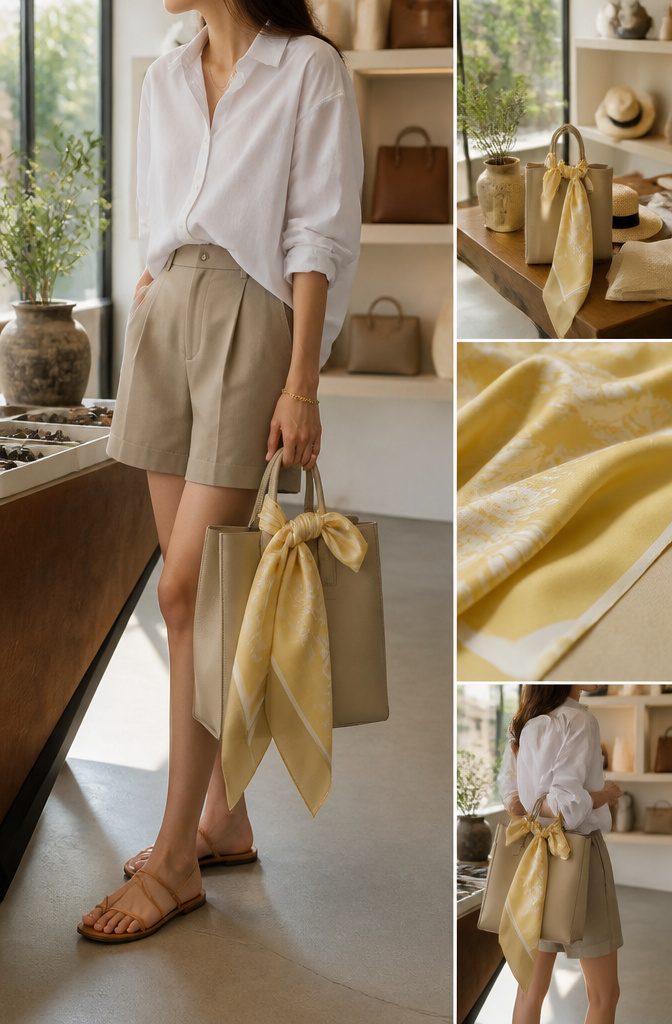
A silk scarf tied around a tote bag adds more interest to a neutral outfit than most jewelry, and the same piece works as a headpiece or even a bathing suit cover-up when the afternoon turns to poolside.
That kind of multipurpose use matters when the goal is finishing what you already own rather than buying new clothing.
For hats, bucket, raffia, and statement shapes are the ones worth keeping near the door.
A raffia hat carries the same summer weight as a sun hat but reads deliberate, not accidental, and pairs with linen or cotton without fighting the texture.
Long scarves in silk or satin, wrapped at the neck or waist with tassels that move when you walk, are the detail that turns draped tailoring into something intentional.
The butter yellow of Khaite’s version or the movement of Fforme’s maxi dress styling both show how fabric that moves with the body does more work than fabric that sits on it.
What Top Drawer Dressing Means for Layering
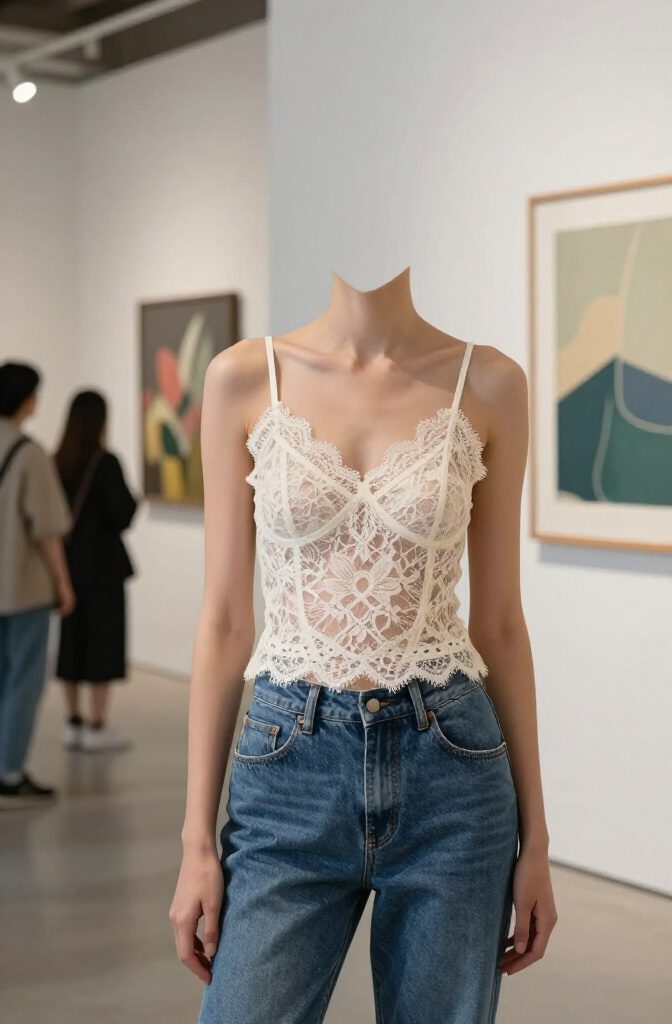
The lingerie-as-outerwear movement for spring summer fashion trends works best when you treat it as a layering problem rather than a dare.
A mesh slip skirt over statement tights, the way Acne Studios styled it for Spring/Summer 2026, gives the sheer element something to ground against.
The same principle holds for a lacy camisole: denim underneath or over it keeps the look from reading as bedroom-only.
The line between wearable and too daring sits at opacity and structure.
A Stella McCartney lace camisole with jeans is one thing; a full negligee-inspired lace dress without a jacket or substantial shoe is another. Hailey Bieber’s date-night version works because the setting justifies the exposure.
For daytime, American Vintage’s approach from their Spring/Summer 2026 collection is instructive: fluid fabrics and pastel colors drawn from vintage lingerie, but cut loose enough to layer without revealing the exact contour underneath.
The "more is more" layering No. 21 showed on the runway is the advanced play, and frankly it is where most of us should stop watching rather than imitating.
Two sheer pieces stacked create a textural effect; three and you are managing straps, hems, and visible underlayers like a costume, not an outfit.
For practical wear, one lingerie-inspired piece per look, anchored by something tailored or heavy, is the workable limit.
Frequently Asked Questions
What are the top trends for spring/summer 2026?
The standout spring summer fashion trends include cargo pants in earth tones with straight legs, silk scarves worn as tops or accessories, retro prints from the 70s and 80s, architectural peplum tops, oversized windbreakers with funnel collars, and terrycloth pieces with structured cuts.
Drop-waist Jazz Age dresses, capri pants, and utility dressing with functional details also define the season.
How can I style retro prints for summer?
Wear one printed piece against something clean, like a muted floral wide-leg pant with a plain white tee or an abstract blazer over a black slip dress.
Keep accessories neutral with tan leather, simple gold, or white canvas so the print carries the nostalgia without competition. Match scale to your frame: smaller repeats for petite builds, larger geometrics for longer torsos.
What are the best fabrics for spring/summer?
Fluid fabrics and relaxed shapes win for comfort: soft cottons, jersey blends, and ultra-light materials that move with you rather than holding shape against your body.
Jersey blends handle the transition between air conditioning and outdoor heat better than pure cotton, which wrinkles and stays damp. A fluid fabric in a relaxed cut keeps an outfit looking composed after six hours of wear.