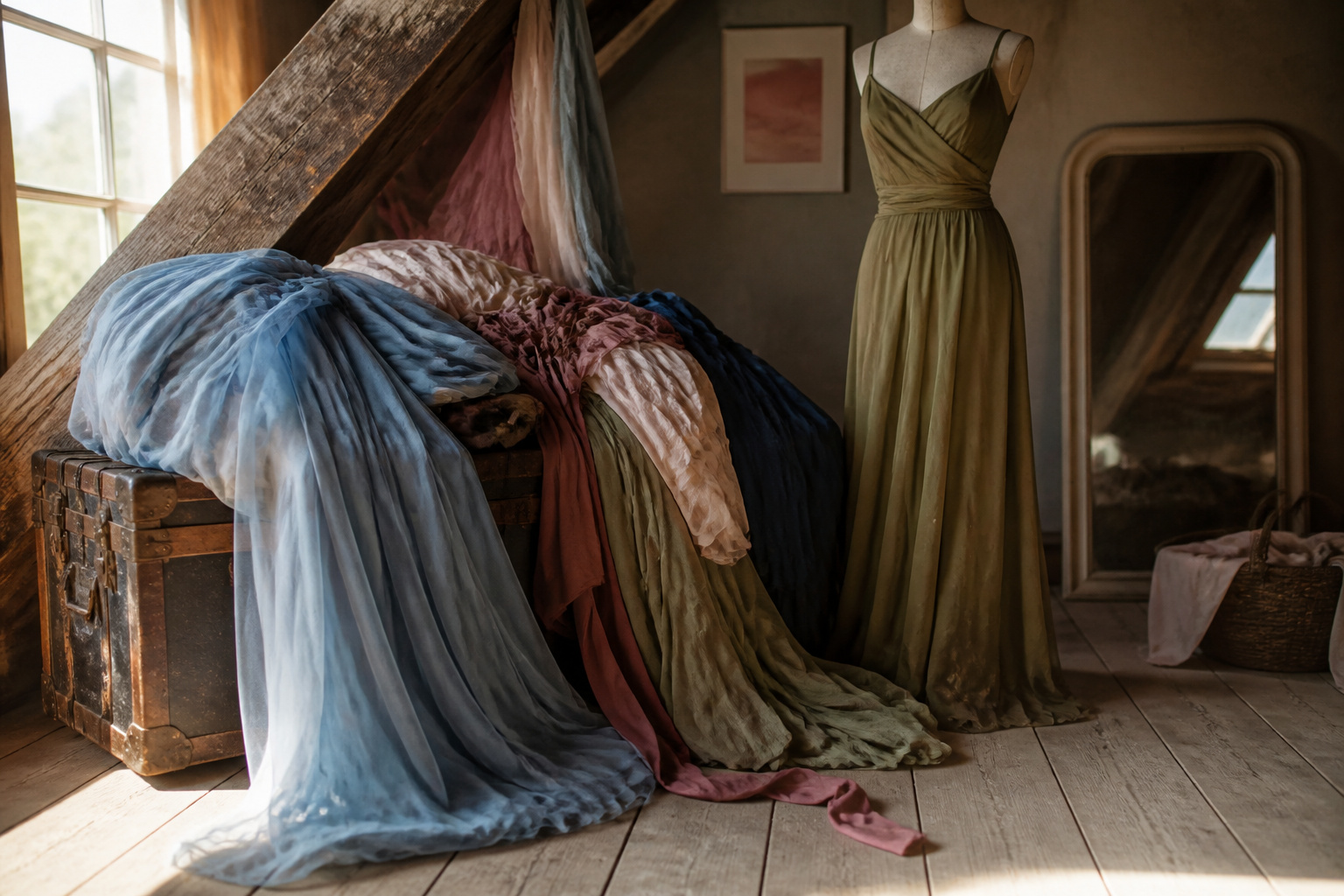
Eleven practical paths exist for old bridesmaid dresses, but the right one depends entirely on whether the gown is sturdy polyester that resists dyeing or soft chiffon willing to take a cut. A dusty blue number can hide in plain sight at another wedding; a sage green twin to the current bridal party’s palette will not. The chiffon maxi I kept meaning to hem sat four years until its style aged past saving: that hesitation is the cost no list prepares you for.
1. Sell the Dress
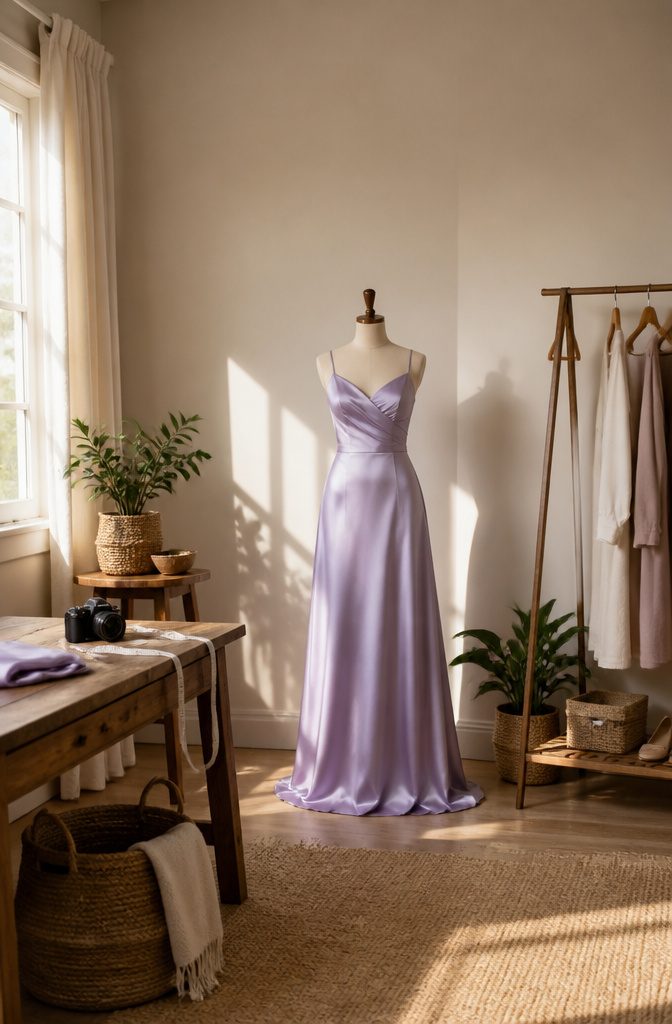
Online resale gives the fastest path to cash, but a listing that actually moves takes more than uploading a photo and hoping. eBay still rewards the patient seller with a wider buyer pool, while Facebook Marketplace works better if you want local pickup and no shipping hassle. The difference in effort is real: Marketplace buyers often expect same-day replies and haggle harder because the format feels casual.
What separates a listing that sits from one that sells is accurate measurements taken flat, not stretched, plus the brand name and exact color as listed by the designer. Photos need daylight and a clean background, not a bathroom mirror at 10 p.m. One detail too many sellers skip: steam the dress before shooting. Wrinkles read as neglect, and neglect reads as hidden damage. Price to undercut the current retail by at least a third if you want movement within two weeks; full retail minus ten percent will sit. Ship the day after payment, or expect a dispute.

SIZE RECOMMEND: US 4/6(Small), US 6/8(Medium), US 10/12(Large), US 14/16(X-Large). The fabric is strechy, please choose the size as you usually wear.

Covered Platform Peep-toe Pump
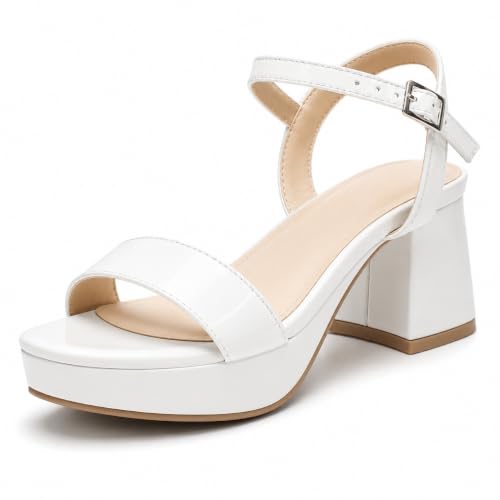
Open Toe Design: Designed with a square toe and a single strap design, these women's platform sandals provide a sleek look while accommodating different foot shapes. The soft latex cushioned insole offers support and comfort, making these Comfortable Sandals for Women ideal for long walking or standing.
2. Donate It
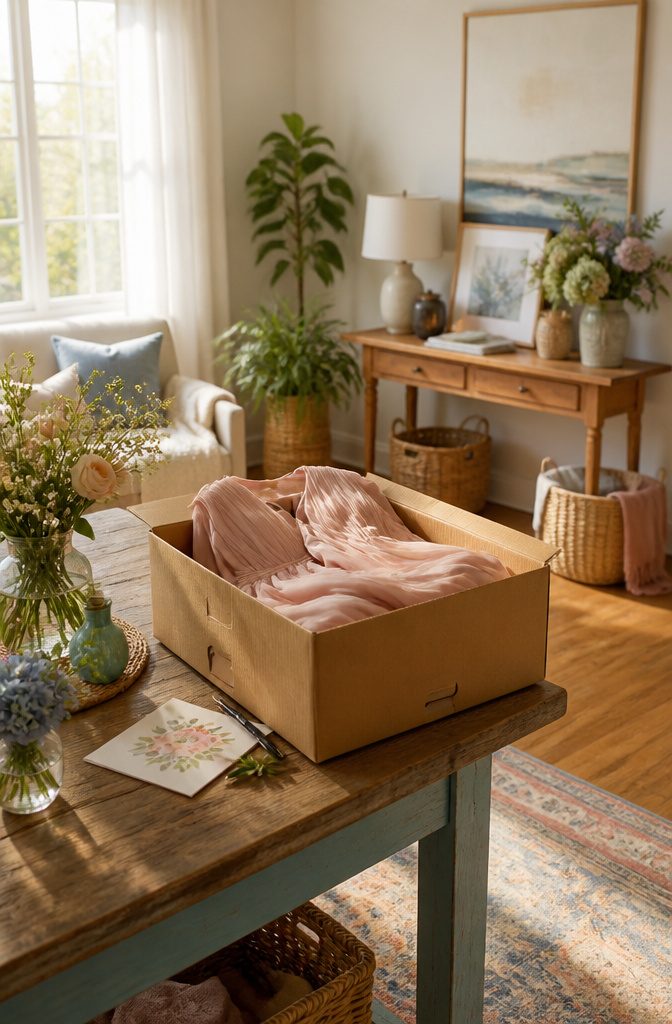
Charities that move formal wear to women who actually need it for a milestone moment are the most direct path for a dress that still has life. Brides Across America runs a program for military brides, collecting gowns and bridesmaid dresses to give to service members and first responders for their own weddings. The dress you wore once becomes the one she walks down the aisle in.
DARE Formal Wear operates differently. They take wedding and formal wear to resell, and the profits fund training and support programs around domestic abuse recovery and education. Your dress enters a retail cycle that pays forward in services, not just in kind.
Both organizations accept gently worn pieces, though the condition threshold feels reasonable from the donor side: clean, no damage, ready to wear without work. Shipping is typically on you, and the tax receipt comes after they process the donation. The process takes longer than dropping bags at a local thrift store, but the specificity of where the dress lands matters more.

Fabric: Polyester and Spandex fabric, the fabric is soft and stretchy and comfortable to wear.

Fabric: Lace wedding guest dresses for women, crafted from quality floral lace with a soft, skin-friendly stretch lining to prevent itchiness and ensure breathable. The material is lightweight yet durable, offering a comfortable fit that moves with you, making it suitable for summer all day wear at weddings or evening events

Elegant Sequin Dress Design: Crafted with premium sparkly fabric, this cocktail dress features dazzling sequins that catch the light beautifully, making you the center of attention at any event. Perfect for weddings, parties, and holiday gatherings
3. Consign It
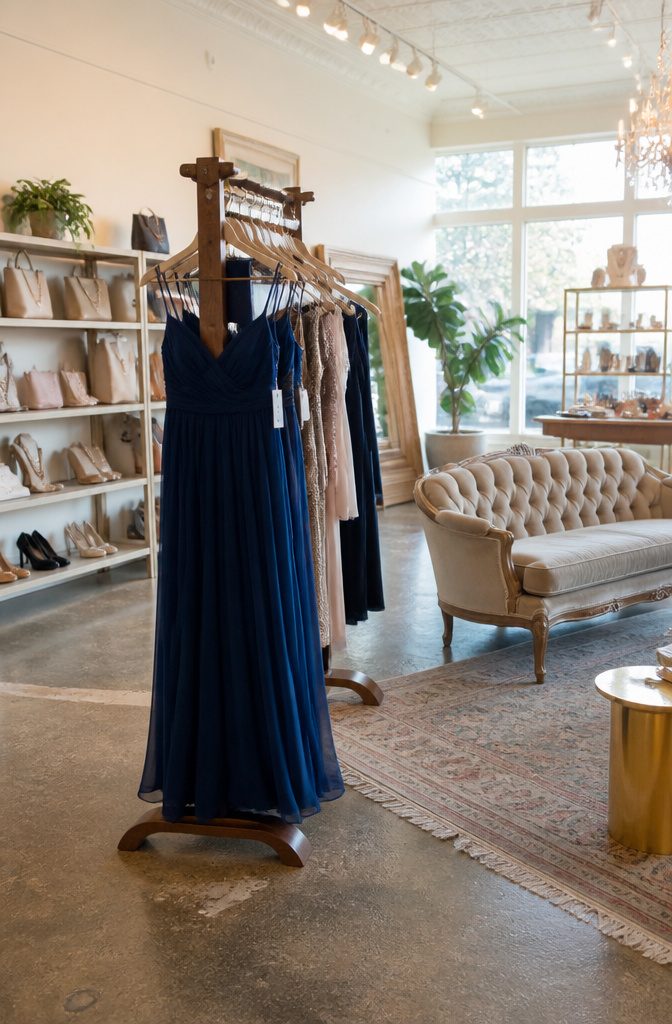
Consignment shops take the work out of selling old bridesmaid dresses, though the convenience costs you roughly half the payout of a direct sale. The buyer sets the price, handles the photography, and meets the customer; you drop off the garment and wait for a check, typically thirty to sixty days after it sells.
Not every dress makes the cut. These shops gravitate toward current or recent styles from known labels, usually within two to three seasons, and they pass on anything that needs repair, cleaning, or dramatic alteration. A floor-length chiffon gown in a soft neutral has a shot; a satin number in a dated coral with visible hem damage does not.
The split varies by shop and by price point. Higher-end consignment, the kind that accepts evening wear, often takes forty to fifty percent commission but prices aggressively enough that your net can still beat a cluttered closet. Lower-tier shops may ask less commission and still move the dress slower, which matters if the goal is clearing space before you move or the next wedding season hits.
What convinced me, reading through how these arrangements work, is that consignment suits the dress you would feel silly listing yourself: not quite special enough to stage for photos, too good to donate without trying for cash first.

Material:This maxi dress for women are made of shiny fabric,soft,comfortable and breathable.Cool fabric is suitable for wedding guest women.

Elegant Two-Piece Chiffon Set: This ensemble includes a sleeveless chiffon dress with a beaded neckline and a removable jacket. The tiered hemline and classic design make it perfect for weddings, galas, and special occasions

Size Guide: S=US 4-6, M=US 8-10, L=US 12-14, XL=US 16-18, XXL=US 20. This Long Dresses For Women Formal Made From Knit Blend Materials, Incredibly Soft, Breathable, Stretchy And Offers a Beautiful Drape, Body-Hugging Yet Comfortable Fit, Making It An Ideal Long Dress For All-Day Wear During Summer Or Layered In Cooler Weather
4. Re-Gift It
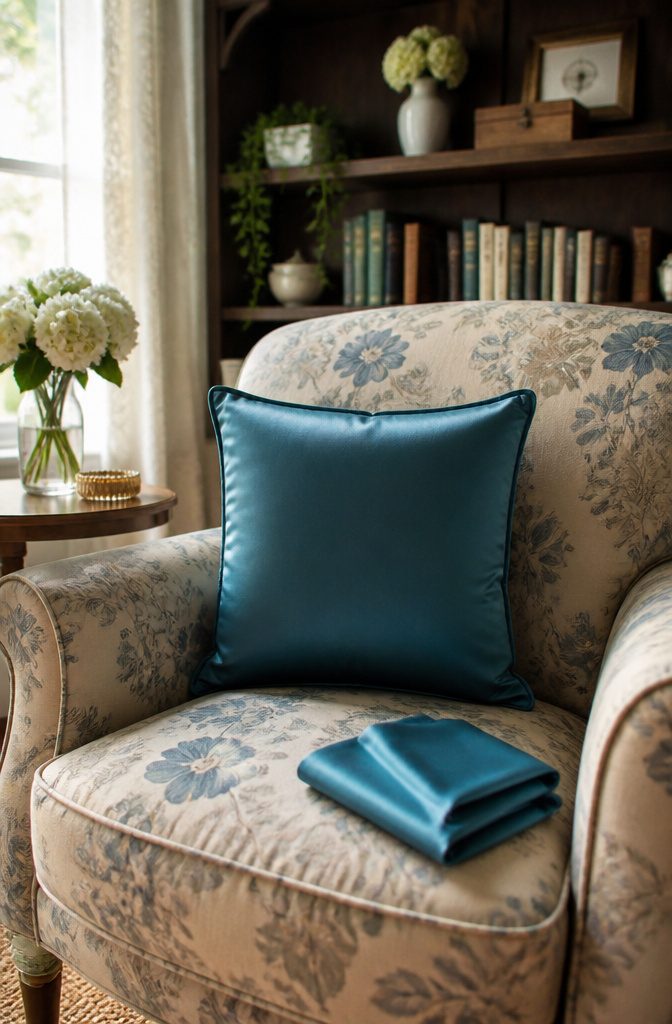
Turning the dress into a decorative pillow or throw for the bride walks a fine line between touching and slightly strange. The gesture reads as heartfelt when the friendship runs deep and the wedding was genuinely intimate; the fabric carries shared history, and the bride recognizes the hours she spent choosing that exact shade. It lands differently when the relationship is more casual or the dress was clearly a budget concession nobody loved. In that case, the pillow becomes a reminder of obligation rather than affection, a craft-project guilt trip left on her couch.
The practical hurdle is simpler than the emotional one. A full bridesmaid dress yields enough material for a standard 16–18 inch pillow with matching trim, or a modest lap throw if the skirt had volume. The work has to look intentional, not salvaged: clean seams, a proper insert, and lining that keeps satin from sliding off the sofa. Sloppy construction tips the gift from sentimental to unintentionally comic, the kind of object that gets stored in a guest-room closet.

ONE SIZE: fits all US 0-16; PLUS SIZE: fits all US 18-24

Size Tips: Crafted from lightweight chiffon with no stretch for a structured, elegant drape. The smocked elastic back adds flexibility for a more comfortable fit across different body shapes. Please refer to the size chart before ordering to select your best fit

FEATURES: Ruffles Maxi Long Formal Party Evening Gowns, Maxi Corset Dress with Pocket, A Line Wedding Guest Dress For Women, Square Neck Corset Evening Party Dresses For Women, Women's Maxi Prom Dresses, Dresses Long for Formal, Maxi Chiffon Wedding Guest Dress.
5. Hem It
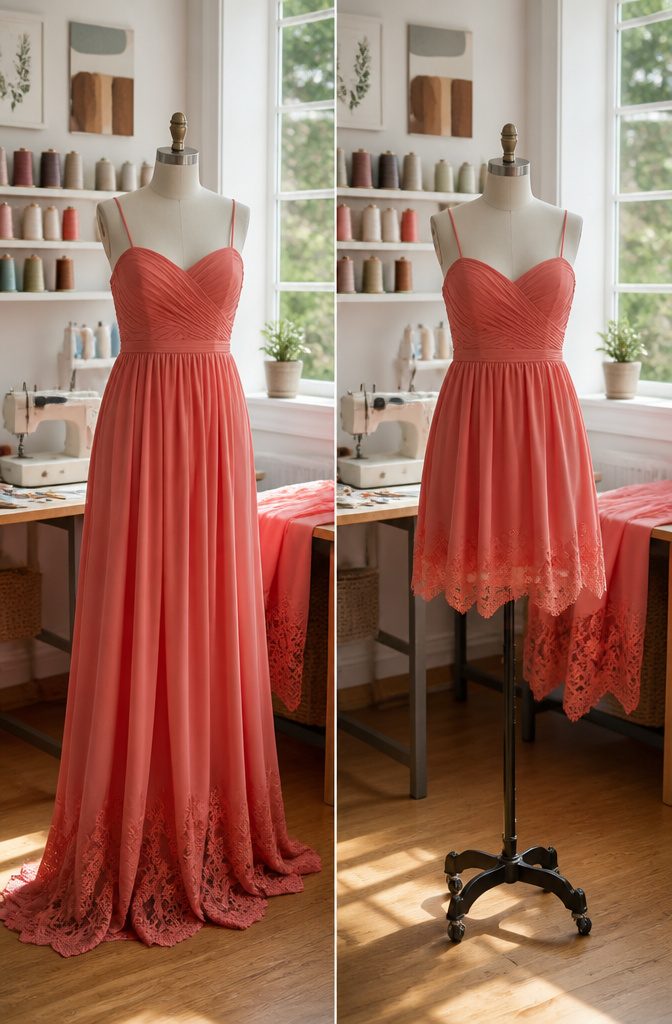
Floor-length gowns sit in closets because the length announces wedding before anything else. Shortening one to midi or mini shifts the whole register: suddenly it reads as a cocktail dress, a dinner option, something you might pull out for a date without the backstory showing. The catch is the math. Alteration cost varies by dress, and an expensive original makes the tailor’s bill easier to swallow than a budget buy does. If the bride insisted on a higher price point, the investment in hemming pays back in actual rewear opportunities. But a cheap polyester number? The cost to shorten can approach replacement value, and the fabric may not drape right once the weight at the bottom is gone. Worth checking whether the dress is truly floor-length to begin with; this only applies if it is.

Premium Design: Butterfly short sleeves, empire waist, sexy V-Back design, floor-length, and anti-see-through lining make you look more elegant, charming and beautiful at any important moments

PERFECT 4-INCH HEEL: Such a 4 inches block high heel giving enough height is perfect for women who want a heel but are physically not capable of wearing even a short stiletto style.
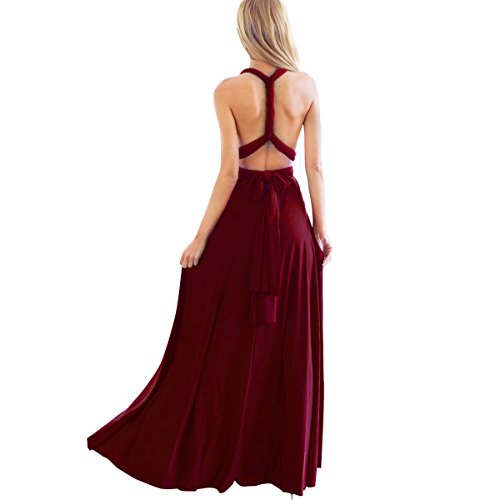
TOP CHOICE: Women's Casual Deep- V Neck Sleeveless Vintage Wedding Bandeau Maxi Dress. Women lady sexy convertible multi way wrap dress plus size full length long maxi dress wedding bridesmaid party formal dress, multi way dress for women, evening dress for women long dress for women elegant casual formal boho summer wedding guest fall women prom dresses long, bandage off shoulder slim fit V neck cocktail homecoming evening gown strapless bandeau tube top wrapped chest dresses for women;
6. Cut It
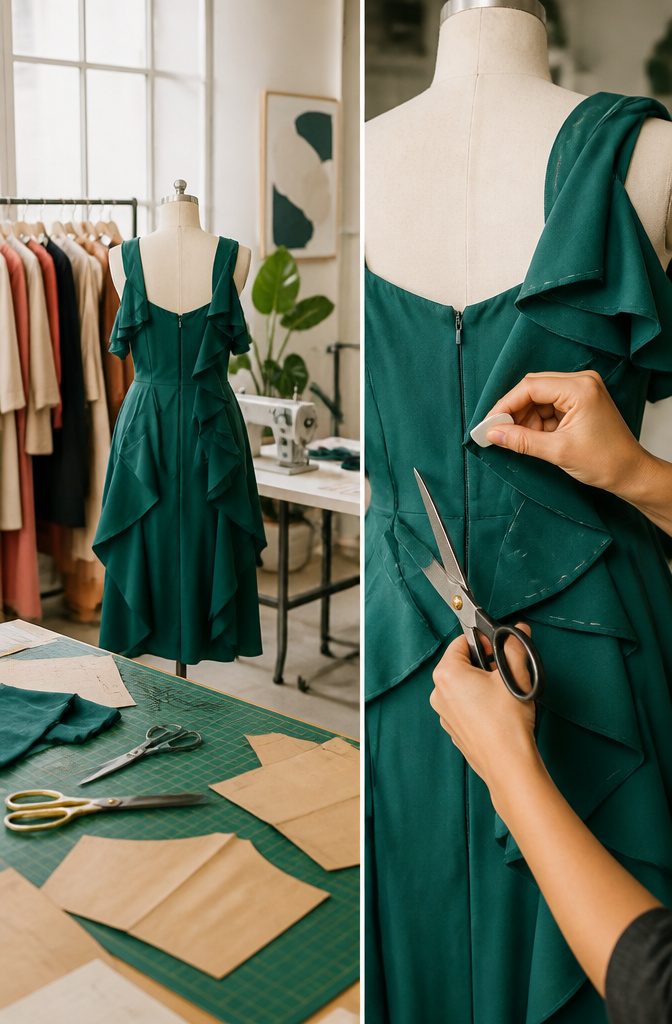
The waist seam on most bridesmaid dresses sits right where you’d want it for a crop top and skirt set, which makes the cut straightforward if the construction cooperates. A dress with a defined waistband and a zipper at the back or side seam separates cleanly; you end up with a top that tucks into high-waisted trousers and a skirt that works with a tucked-in tee. Boned bodices or dresses where the skirt attaches at the natural waistline hold their shape best after the division.
Empire waist cuts are harder to salvage this way. The seam sits too high for a modern top, and the skirt starts in a spot that reads costume rather than wearable. Same with heavily gathered or drop-waist styles: the proportions fight you. I learned this the hard way with a chiffon number that had no waist seam at all, just continuous draping from shoulder to hem. The tailor looked at it and said I’d need to add structure that wasn’t there, which meant the cost overtook the value of the pieces.
For dresses that do work, a tailor can finish the raw edges with matching facing or a narrow hem. The two pieces multiply your options more than a single awkward dress ever could. The skirt goes casual with sneakers; the top dresses up dark denim. You spent the money already; this is how you collect on it.

Stand Out in Style: Our vintage graduation dress features a round neck, flare bell sleeve, and decorative belt for a chic and sophisticated look. The unique bell sleeve design adds a touch of retro flare and adds visual interest to the look

The upper part of the dress is lace; Chiffon above the waist

OCCASIONS: Suit for Bridesmaid Party, Formal Evening party, Anniversaries Celebration, Wedding, Banquet, Semi-formal and Formal Occasions.
7. Redesign It
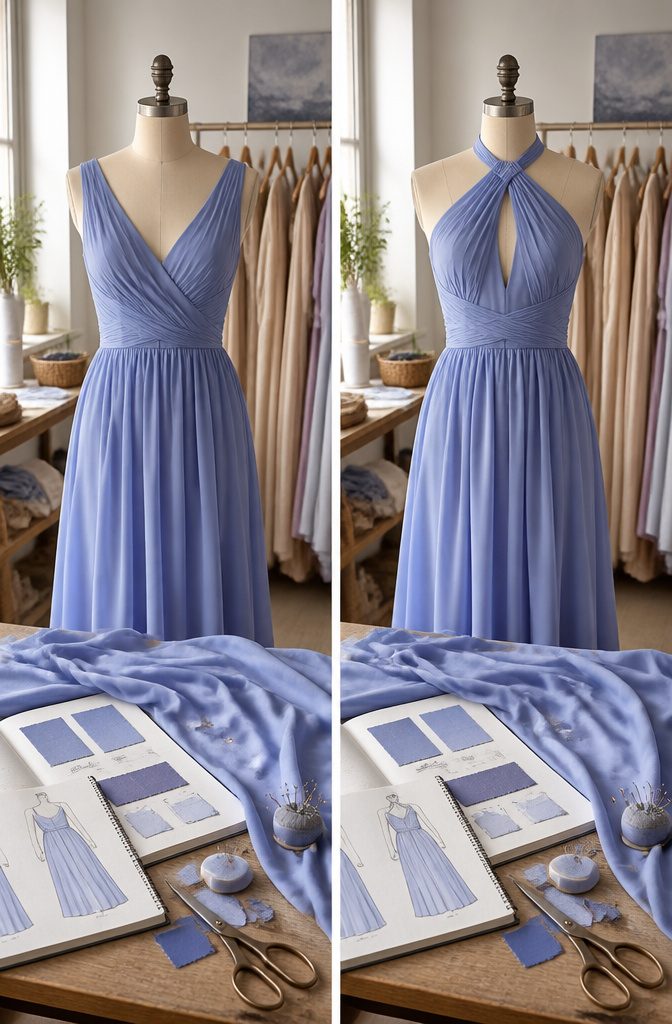
A neckline change turns a dress into something you actually reach for. Strapless becomes halter with matching fabric and a competent tailor, or that dated V-neck softens into a scoop that reads less bridesmaid and more dinner-out. The cost and complexity sit well above hemming; you’re restructuring the bodice, not trimming length. Sleeves go on, sleeves come off, the whole silhouette shifts from A-line to something fitted through the hips. These alterations run higher, and not every fabric forgives the surgery. I have seen satin pucker where chiffon would have eased into the new seam. The limit is less imagination than construction: a seam allowance that is already pressed to its edge, a boned bodice that would need complete remaking. Before committing, a tailor can map what the existing seams allow.

Size Chart:XS (Bust-31.9",Waist-24.4",Cuff-11"); S (Bust-33.9", Waist-26",Cuff-11.8"); M (Bust-35.8", Waist-28",Cuff-13"); L (Bust-37.8", Waist-29.9",Cuff-13.4"); XL (Bust-39.8", Waist-31.9",Cuff-14.6"); 2XL (Bust-41.7", Waist-33.9",Cuff-15");3XL (Bust-43.7", Waist-36.2",Cuff-15.4")

SIZE RECOMMEND: US 4/6(Small), US 8/10(Medium), US 12/14(Large), US 16/18(X-Large), US 20(XX-Large). Please choose a size up if you don't want a too tight fit effect.

Size Recommend: US 4/6 (Small), US 8/10 (Medium), US 12 (Large), US 14 (X-Large), US 16 (XX-Large)
8. Dye It
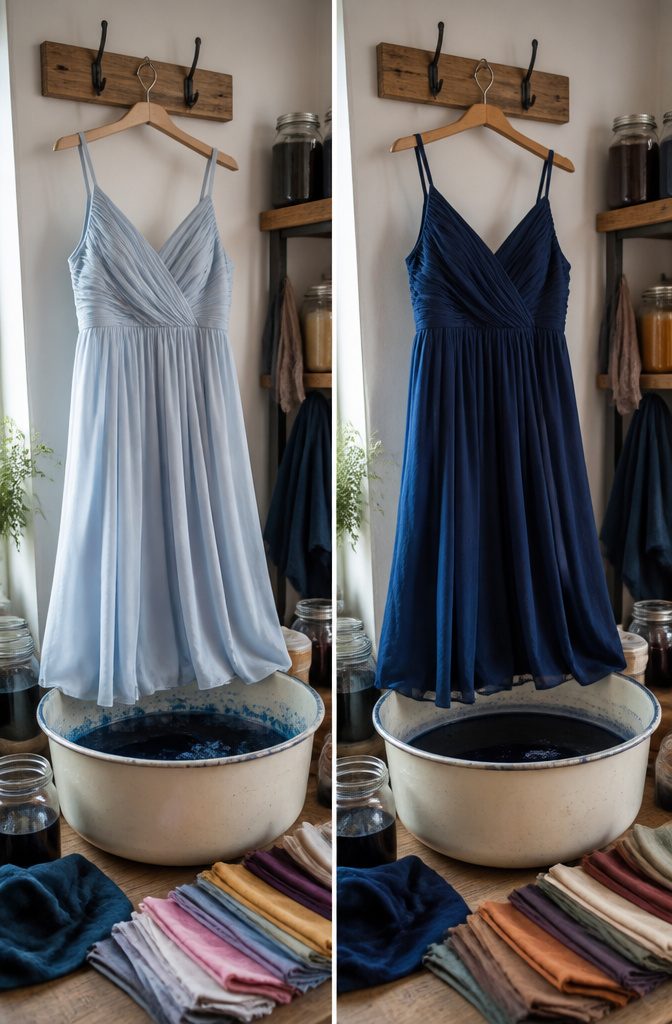
Dyeing a bridesmaid dress sounds like an easy reset until the fabric itself pushes back. Polyester and its blends, which make up most ready-made bridesmaid gowns, resist water-based dyes almost entirely; the color sits on the surface and washes out unevenly. Natural fibers like silk or cotton take dye far more readily, but even then a satin finish can emerge blotchy where the sheen catches light differently. I have watched enough "after" photos to know that navy or champagne bases shift to charcoal or deeper jewel tones with the cleanest results, while black or very saturated purples and reds essentially lock in their original color. The lighter the starting point, the more room you have to move. If the dress is already sage green or dusty blue, you might deepen it to forest or teal, but a true transformation to something neutral is unlikely. Results vary enough that a test swatch from an inside seam is non-negotiable; the hem allowance usually hides a scrap you can sacrifice.

Size Attention: Please refer to the size chart on the pic before ordering

Size Tips: Crafted from soft breathable chiffon fabric for a structured fit. Please carefully review the size chart before ordering to select your correct size

Size Tips: Crafted from soft breathable chiffon fabric for a structured fit. Please carefully review the size chart before ordering to select your correct size.
9. Accessorize It
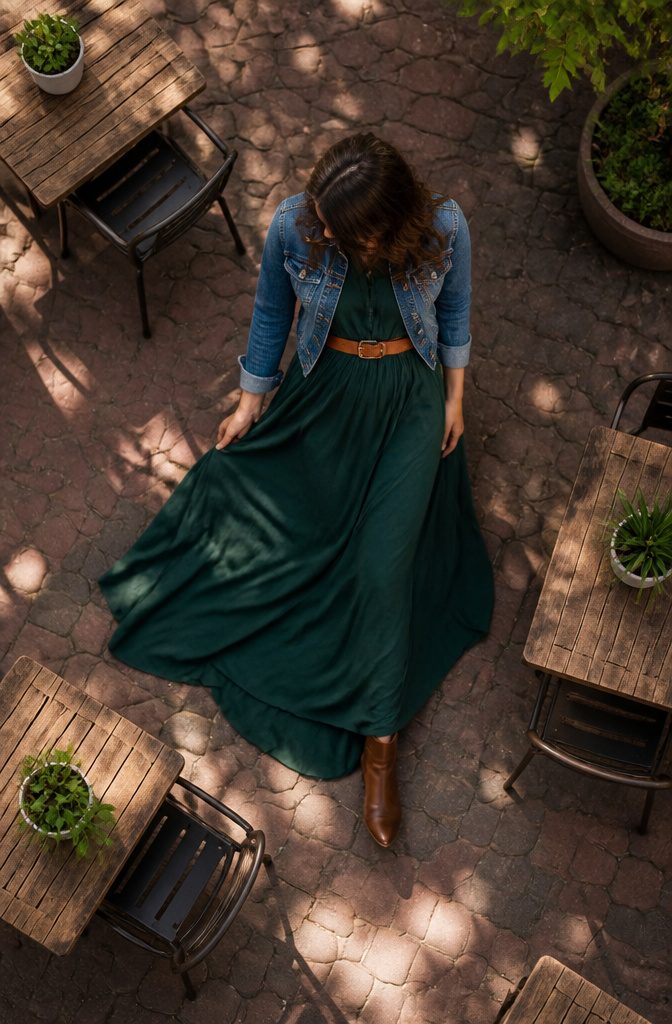
A satin bridesmaid dress that felt obligatory at the wedding can read completely different with the right belt. I have watched a floor-length chiffon gown go from ballroom to backyard barbecue just by swapping the satin sash for a wide leather belt and adding a denim jacket. The structure underneath does not change; the message does.
The jacket matters more than the jewelry. A lace dress paired with boots and a jean jacket loses its bridal-party formality fast. A leather jacket pushes the same dress toward evening: concerts, casual dinners, dates. The sources lean toward ankle boots and bold jewelry with that leather option, which I would follow rather than fight.
Flats or sneakers do more of the heavy lifting than people expect. Chunky boots, slip-on sneakers, even slouchy leather boots all register as off-duty in a way that strappy heels cannot undo. Change the shoes first, then add casual jewelry and relax the hair, and the dress follows rather than leads.
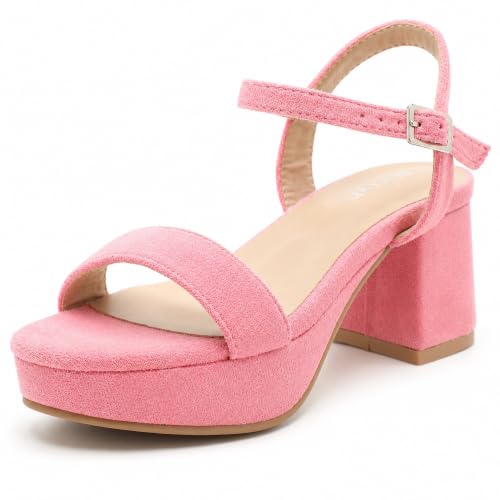
Open Toe Design: Designed with a square toe and a single strap design, these women's platform sandals provide a sleek look while accommodating different foot shapes. The soft latex cushioned insole offers support and comfort, making these Comfortable Sandals for Women ideal for long walking or standing.

halter sleevelessless cocktail party dresse simple ladies dresses for wedding guest floral country bridesmaid dresses with ruffle vestidos para mujer elegantes fall cocktail dress junior short prom dresses ball gown outdoor wedding dresses for guests

Cocktail High Low Dresses: Made of 94% Nylon and 6% Elastane, giving it a soft, breathable and stretchy feel. The wrinkle-resistant fabric is skin-friendly and comfortable for long wear, helping you stay at ease from wedding guest to evening party.
10. Reuse the Fabric
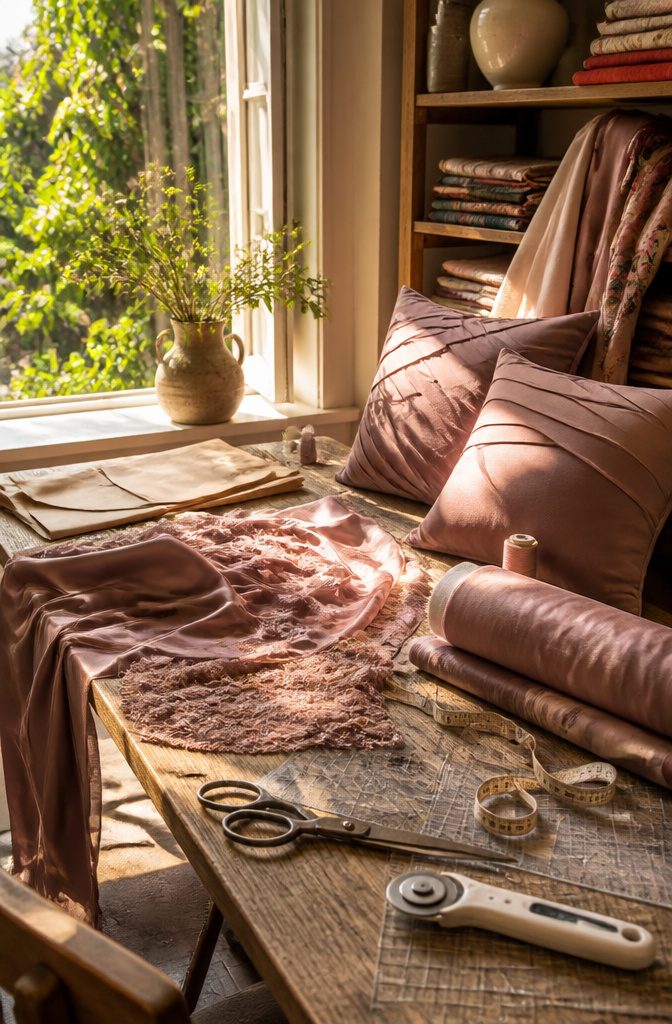
Ripping apart a dress you spent weeks fitting for is not most people’s instinct, which is probably why fabric reclamation shows up the least often among all the suggestions for old bridesmaid dresses. The weight and hand of formal fabric limits what actually works. Heavy satins and structured polyesters suit throw pillows, small upholstery jobs, or a lined evening bag. Drapier chiffons and crepe de chine become scarves, fabric gift wrap, or the backing for a quilt block. What does not work is treating this like quilting cotton: the stiffness that held shape through a wedding does not ease into a soft drape without serious intervention, and most home sewers will not have the steam tools or the patience. If the dress came with a matching sash or has a full skirt with clean panels, start there. The yardage is already separated and the seam ripping is minimal. A bodice with boning, horsehair hem, or eleven layers of lining eats hours for fabric that may, in the end, still read as "bridesmaid" in color and sheen. The math on effort versus outcome turns harsh fast, and that is the judgment call: reclaim where the fabric is already discrete and the project matches the cloth’s nature, not its sentimental weight.

Polyester/Spandex,Fabric is Elasticity,Stretchy,Comfortable

Size Attention: Please refer to the size chart on the pic before ordering

Size Recommend: US 4/6 (Small), US 8/10 (Medium), US 10-12 (Large), US 14-16 (X-Large), US 16-18 (XX-Large)
11. Store It
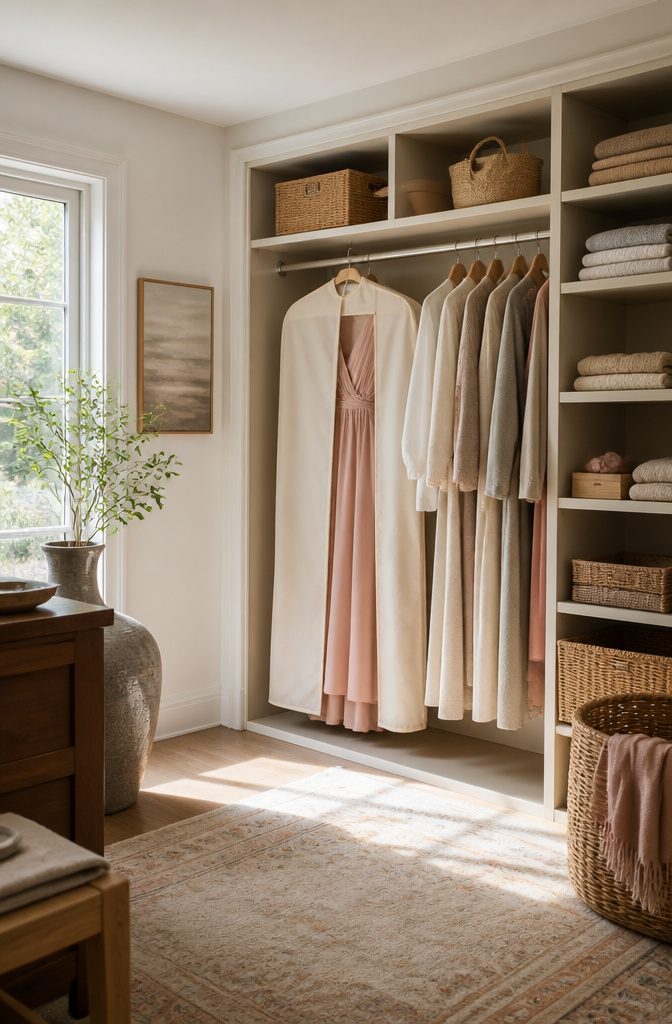
Keeping a bridesmaid dress starts with an honest reckoning about whether the shape and color suit your actual life, not the wedding you already attended. The satin slip dress in dusty rose from my sister’s 2019 ceremony still works with a cardigan and boots, so it stayed. The taffeta ballgown with the plunging back went to consignment, because storage does not turn a costume into clothing.
For what remains, fabric type dictates method. Natural fibers need breathable cotton garment bags, never plastic, which traps the humidity that yellows silk and weakens cotton thread over time. Acid-free tissue paper buffers the shoulders and bodice, and the whole thing hangs in a dark closet with space around it, not compressed against winter coats. Basements and attics are out; temperature swings there do damage that shows up five years later as shattered elastic or brown spots you cannot lift.
A cedar block in the closet helps, though it will not rescue a dress already going musty. Check stored pieces every twelve months, minimum. Unzip, shake out, let air circulate, look for color shift or insect activity. That small ritual is what separates keeping something wearable from hoarding fabric you will eventually throw away unread.
Colors That Rewear Best
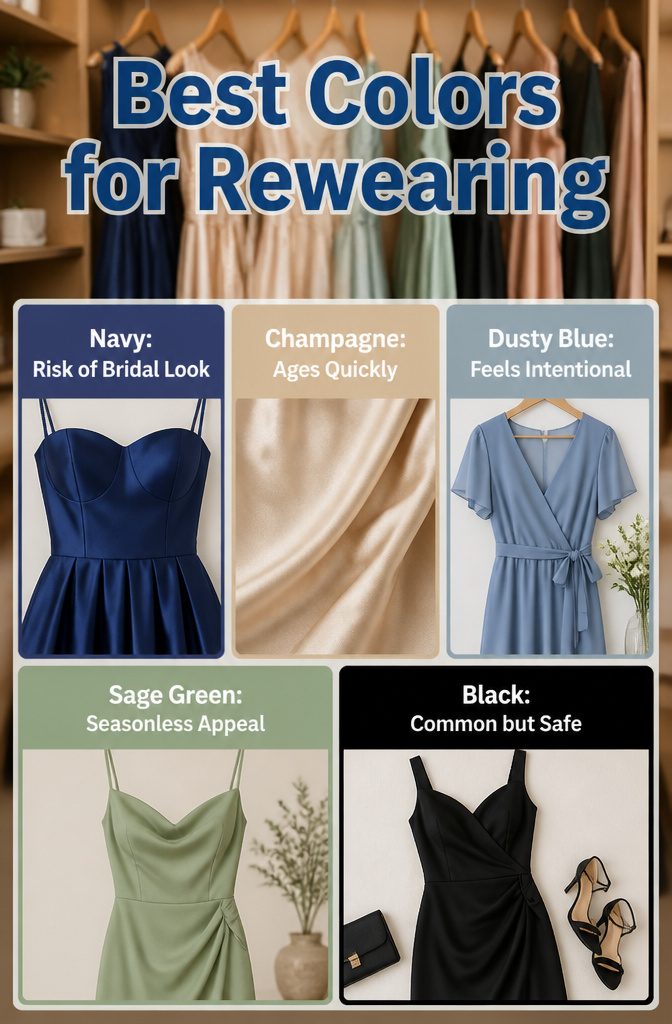
Navy, champagne, dusty blue, sage green, and black surface again and again as the colors that escape the single-wear trap. Dusty blue and sage green earn that reputation honestly: both read as intentional rather than leftover, and they slide across seasons without looking like you grabbed the wrong event’s dress. I have seen dusty blue work at a spring dinner and again at a fall office party with only a shoe change; sage green does the same between outdoor and indoor occasions.
Black and navy should be the safest bets, yet in practice they often look like what they are, bridesmaid dresses in a sober color. The cut matters more than the source admits. A navy satin gown with a structured bodice screams bridal party even at a distance. Champagne ages fastest of the five. Two years out, that particular warm beige turns distinctly 2019 in a way cooler neutrals do not. If your closet holds one of these five, dusty blue or sage green offers the longest useful life; champagne demands the quickest decision to alter or move along.
Wearing One to Another Wedding
The first time I wore a dusty blue bridesmaid dress to a wedding where I was just a guest, I spent the cocktail hour hovering near the perimeter, waiting for someone to hand me a bouquet. The color had been safe for a spring affair the year before, but standing in that same shade against a bridal party in sage green, the mismatch was almost worse than matching would have been. I looked like I had tried and failed.
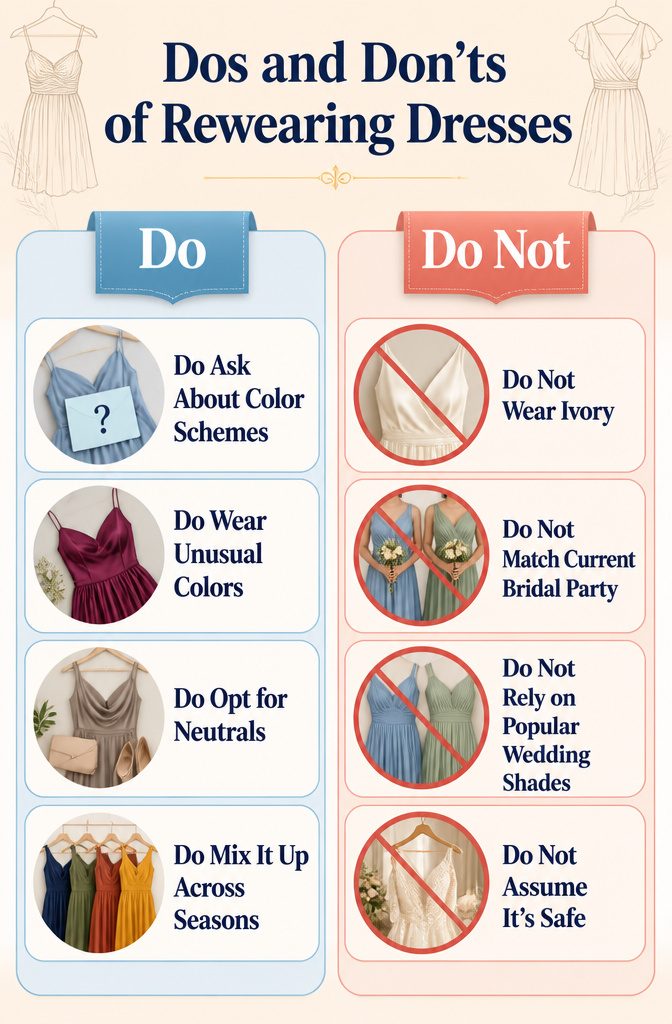
The real risk is not re-wearing a bridesmaid dress; it is re-wearing one in the same color as the current bridal party. Dusty blue and sage green are the two shades most likely to trip you up, since both have become popular enough to appear in multiple wedding seasons. A bright or unusual color from a past season usually reads as a guest’s own choice. A neutral dress works when the new party wears color, and a colorful dress works when they wear neutrals. Ivory is the one absolute avoid: too close to bridal territory regardless of the party’s palette.
If the dress falls in a common wedding shade and you are not certain of the couple’s scheme, asking costs nothing. The fifteen minutes of awkwardness in advance beats an evening of dodging the photographer.
What I Got Wrong
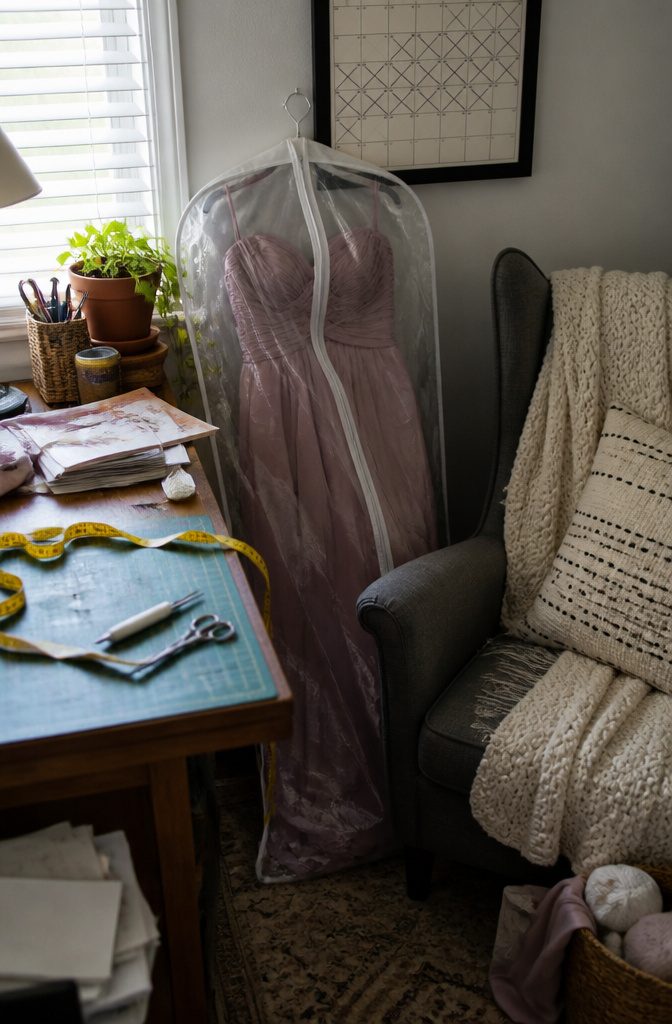
The chiffon maxi from my sister’s 2019 wedding sat in a garment bag for four years because I kept planning to shorten it. Every spring I would pull it out, measure where the midi hem should fall, then lose nerve at the thought of cutting into fabric I never paid for. By the time I finally took it to a tailor, the style had aged past the point where a shorter length would have saved it. The dress that might have worked as a cocktail piece in 2020 looked dated by 2024, and I donated it for less than the alteration would have cost.
That same hesitation cost me twice. A navy satin sheath from a 2017 wedding went straight to eBay unworn; I needed closet space and wanted the cash. It sold for $23, which felt like a win until I saw nearly identical dresses listed by DARE Formal Wear’s resale program, where the profits fund domestic abuse recovery training. The tax receipt would have matched that price, and the dress would have stayed in use.
The one I got right by accident was a burgundy velvet wrap dress. I shortened it myself, badly, then wore the uneven hem to a holiday party with boots that hid the worst of it. Pairing it with a denim jacket dressed it down enough that nobody looked below knee level. The tailoring was amateur, but the styling adjustment is what made it wearable again.
Frequently Asked Questions
Can I wear my bridesmaid dress to another wedding?
Yes, but avoid matching the current bridal party’s colors. Dusty blue and sage green trip people up most often because those shades have stayed popular across multiple wedding seasons. If you are not sure of the couple’s palette, asking beforehand beats an evening of dodging the photographer. Ivory is the one absolute avoid; it reads as too close to bridal territory no matter what the party wears.
How do I make a bridesmaid dress less formal?
Swap in casual outerwear and footwear first. A denim jacket or leather jacket does more to shift the register than jewelry does; ankle boots, sneakers, or chunky boots finish the job. Change the shoes, relax the hair, and add casual jewelry so the dress follows rather than leads.
Is it worth altering a bridesmaid dress?
It depends on the original price point and the fabric. Hemming a higher-end gown to cocktail length pays back in rewear opportunities, but alteration costs on a cheap polyester dress can approach replacement value. The fabric may also drape wrong once the weight at the bottom is gone. Empire waist and heavily gathered styles resist reconstruction more than defined waist seams do.
What are the most versatile bridesmaid dress colors to rewear?
Navy, champagne, dusty blue, sage green, and black surface again and again as the safest bets. Dusty blue and sage green last longest across seasons without looking leftover. Champagne ages fastest; that particular warm beige turns dated within a couple of years. Black and navy need the right cut, since a structured satin bodice still reads bridal party even in a sober color.