
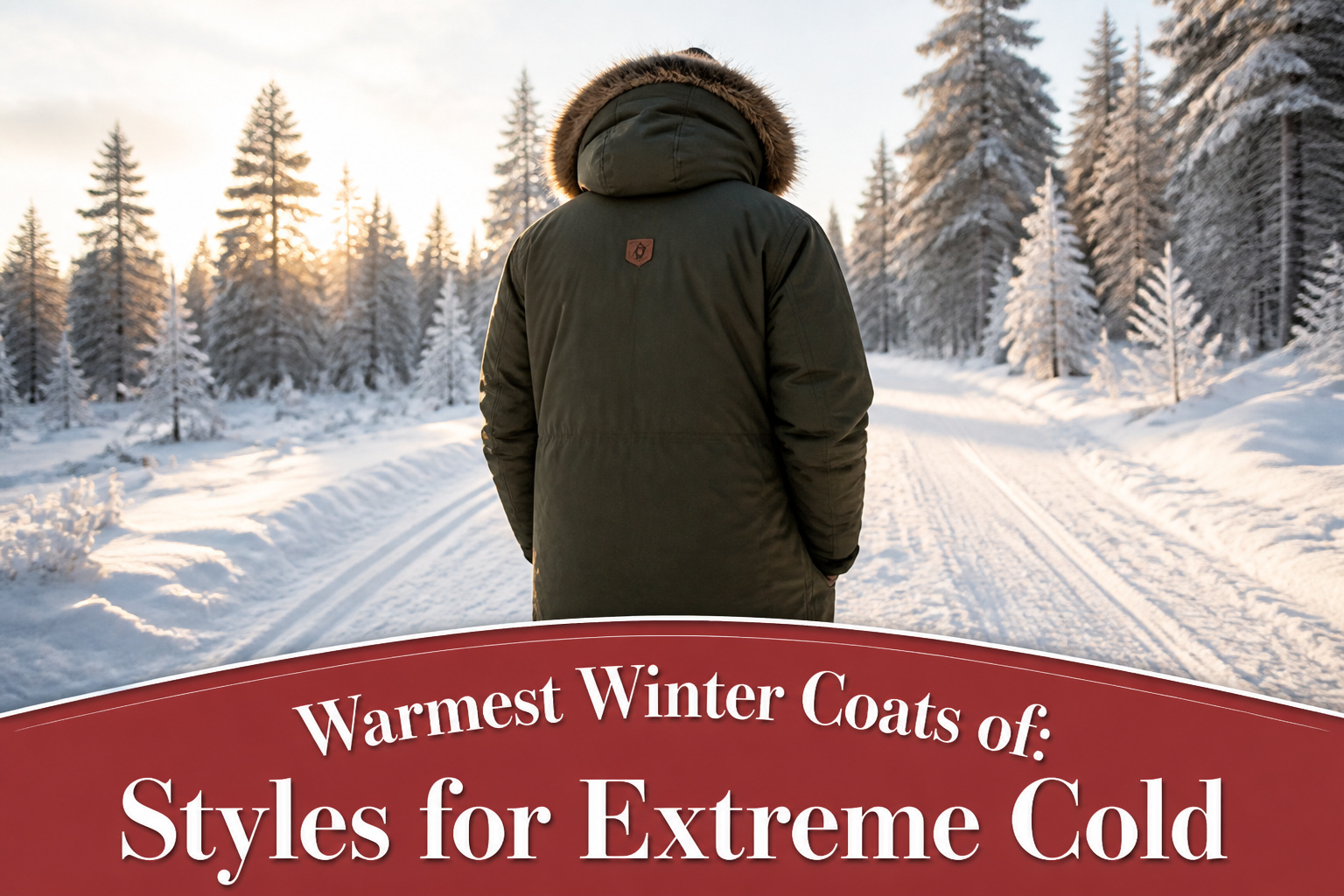
The Fjallraven Nuuk Parka wins for raw warmth, built with a waterproof polyamide shell and Supreme Microloft synthetic insulation that testers trusted at -15°F in northern Sweden.
At $535 and 4.6 pounds, it demands genuine winter: skip it if your climate stays above freezing or if you need a coat that packs small for travel.
1. Best for Severe Cold and City Commutes
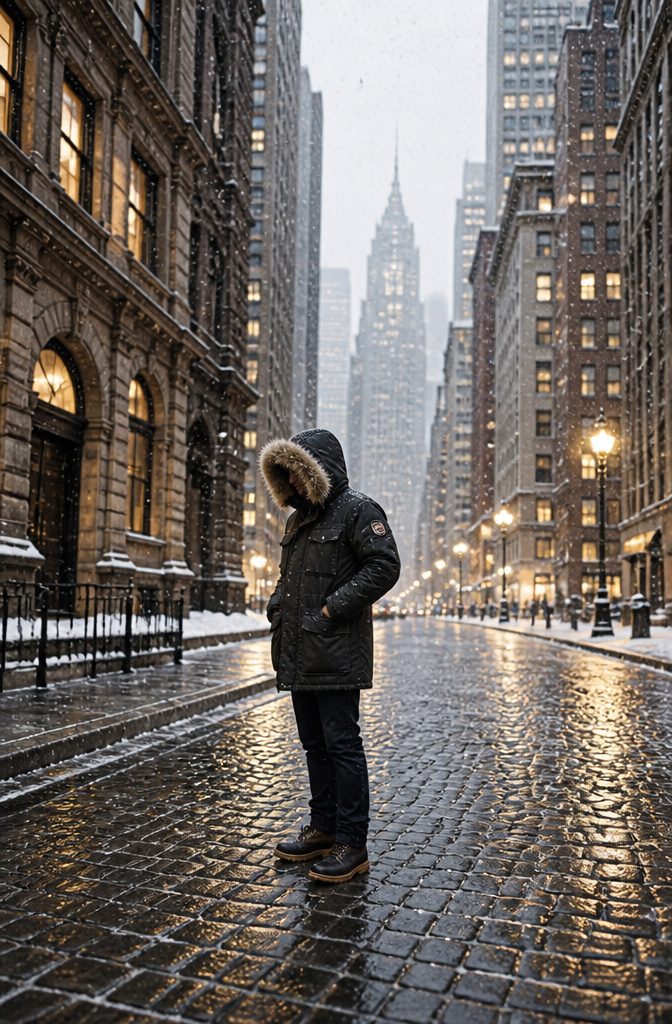
The Fjallraven Nuuk Parka is built for the kind of winter that punishes lighter coats.
At $535 and 4.6 pounds in size 2XL, it carries real weight: a thick polyamide shell laminated with a waterproof membrane, stuffed with dense Supreme Microloft synthetic insulation, and finished with a fur-lined hood that testers took to -15°F nights in northern Sweden.
Ten pockets, fleece-lined collar, oversized leather zipper pulls, and a removable faux-fur ruff round out a design that reads workwear but passes on city streets.
That same heft is the compromise. The boxy, relaxed fit layers easily but can feel oversized; sizing down helps if you want shape rather than just coverage.
Loose hems may let cold air sneak in, and the coat runs warm enough that one tester was unzipping on a mild hill walk mid-winter. Packability is poor, so forget stuffing it into a weekend bag.
Skip this entirely if your winters stay above freezing or if you need something that travels light.
The Nuuk is for stationary or low-intensity use in genuinely harsh conditions: Montana commutes, British Columbia dog walks, or anywhere snow and wind demand armor rather than agility.
2. Best Long-Cut Warmth for Everyday Wear
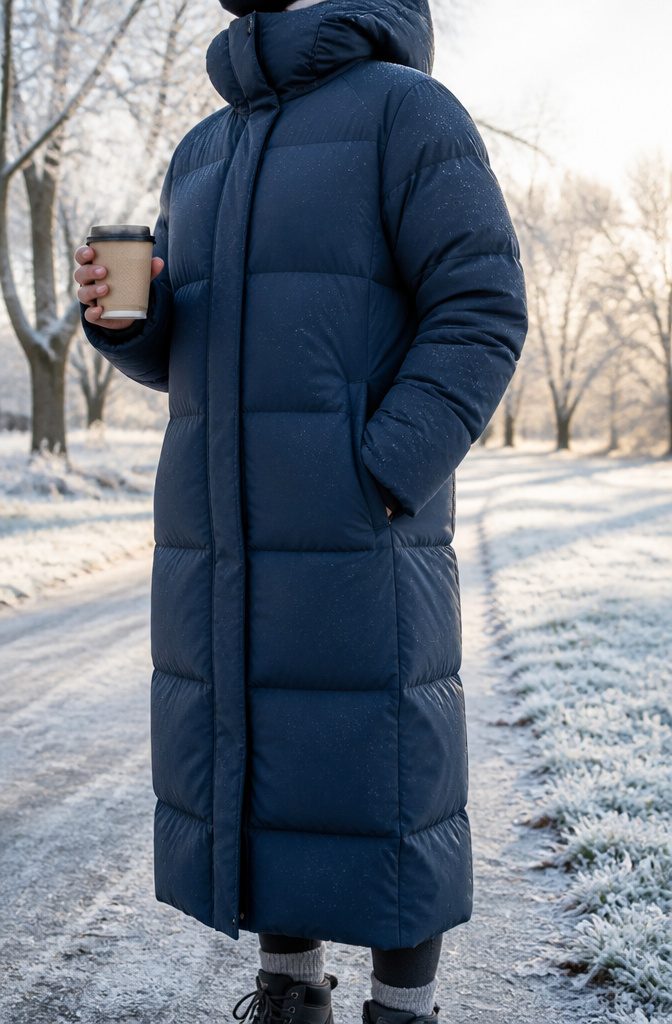
A longer hem changes how a coat wears in real cold. The Outdoor Research Coze Down Parka runs 43 inches in length, and that extra coverage matters when wind finds the gap between jacket and waistband.
The fill is 95% 700+ down with 5% synthetic, packed into a 100% recycled nylon shell that one tester noted beaded water even without a DWR coating.
Weight sits at 2 lb. 3.5 oz., light enough to stuff into a pack if the afternoon warms up.
The wrist gaiters reach to the knuckles with thumb loops, which sounds minor until you’ve ridden a bike commute with sleeves riding up.
A two-way zipper and side vents help when you need to stride uphill or climb stairs, though the cut still favors standing or walking over anything athletic.
Five separate reviews landed on this parka as their top long-cut pick for everyday winter wear.
Skip it if you drive daily or layer heavily for activity. That 43-inch hem bunches at the hip in a car seat, and the down baffles read more sleeping-bag than streamlined.
For pure warmth over figure, the tradeoff works. For style-first buyers or anyone who needs free leg movement, a shorter cut wins.
3. Best Balance of Price and Performance
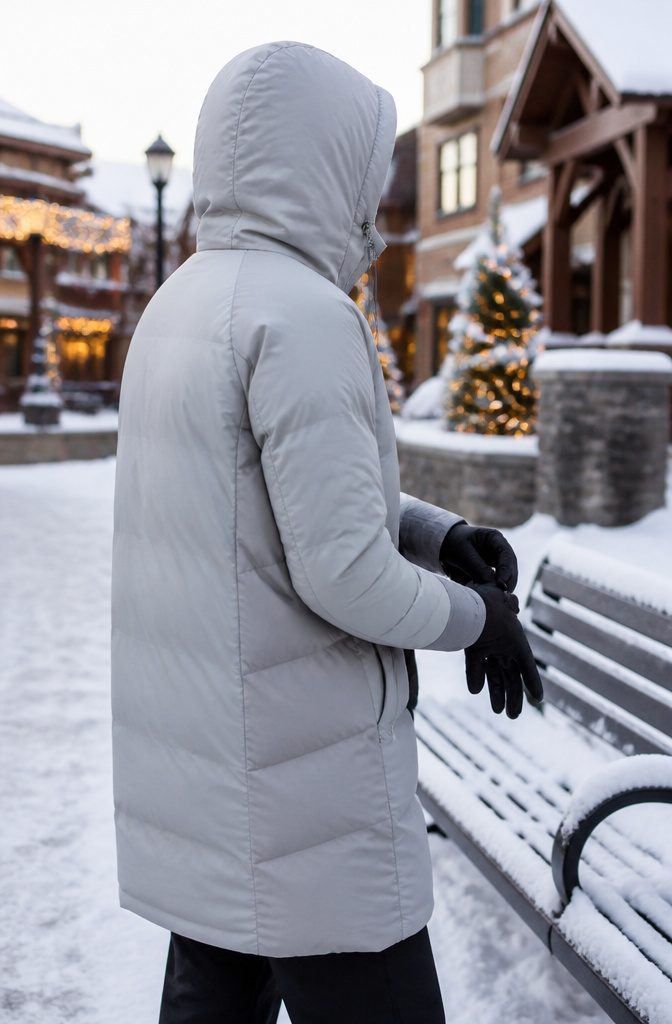
The REI Co-op Stormhenge 850 Down Hybrid Parka lands at $279, the least expensive winter jacket tested by reviewers who still ranked it exceptional value, yet it feels more premium than the price suggests.
The trick is in the fill: 850-fill down clusters around the torso and sleeves where loft matters most, while polyester synthetic insulation takes over in the cuffs and hood where moisture creeps in first.
That hybrid layout handles wet snow and wind better than pure down at this price, and the two-layer HydroWall shell backs it up with a 4.5/5 weather-protection score.
At 1 lb. 13.6 oz., it is one of the lighter options in its class, and the interior fabric has a satiny, cozy hand that belies the cost.
Pocket layout is dialed without overwhelming, though the 31.5-inch back length runs shorter than parkas that protect the thighs, and the styling reads generic-puffy rather than city-sharp.
Skip this one if the brand name matters to you or if you need absolute warmth for below-zero stretches; the Fjallraven Expedition at $800 wins on raw heat, and the Arc’teryx Ralle at $900 outperforms it in weather protection.
For most wet-cold climates without regular subzero days, the Stormhenge is the practical choice.
4. Best for Lightweight Mountain Use
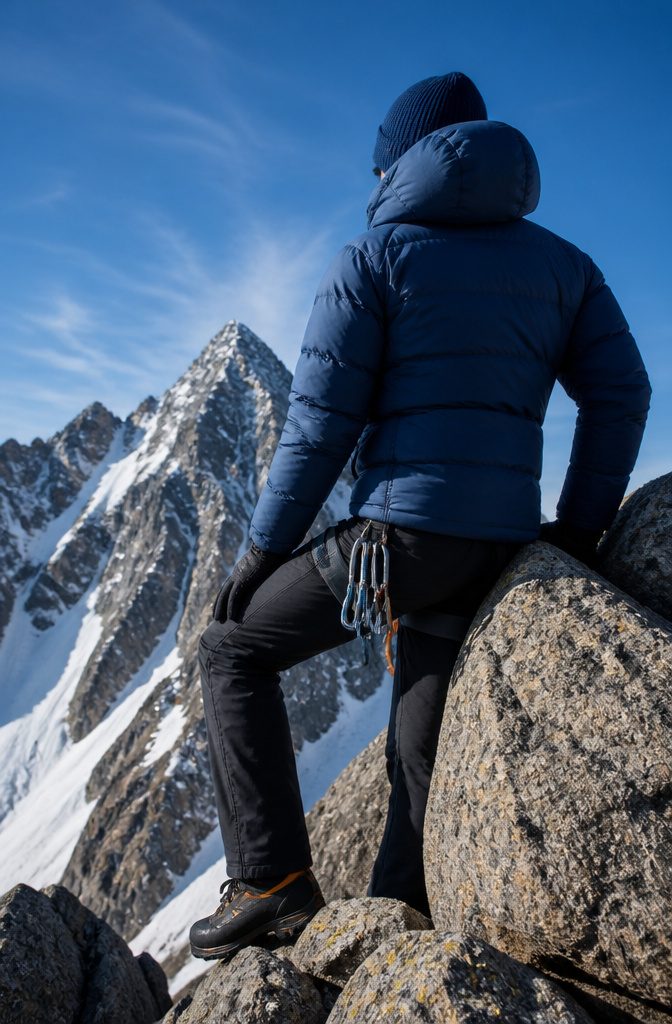
The Rab Neutrino Pro runs $450 and carries 7.5 oz. of 800-fill down at a total weight of 1 lb. 3.9 oz., which is the warmth-to-weight ratio that matters when every pound on your back counts.
Pertex Quantum Pro fabric sheds light weather, but the jacket has no waterproofing to speak of, and storage scores a weak 2.5/5 with pockets placed above a hipbelt rather than for hand warmth.
That tradeoff is deliberate. The cut ends around mid-hip with a slight drop hem in back, enough coverage for reaching or bending without the length of a parka that would bulk up your pack.
A two-way zipper and a brimmed hood that cinches down complete the alpine feature set.
Who should look elsewhere is clear enough: if your winter involves waiting for buses in freezing rain rather than moving under your own power, the lack of waterproofing and minimal pockets will grate quickly.
The Neutrino Pro is built for backcountry missions where you generate heat and need that warmth packed small at camp, not for city blocks where stillness and full weather protection rule the day.
5. Best Warmth Meets Office-to-Weekend Style
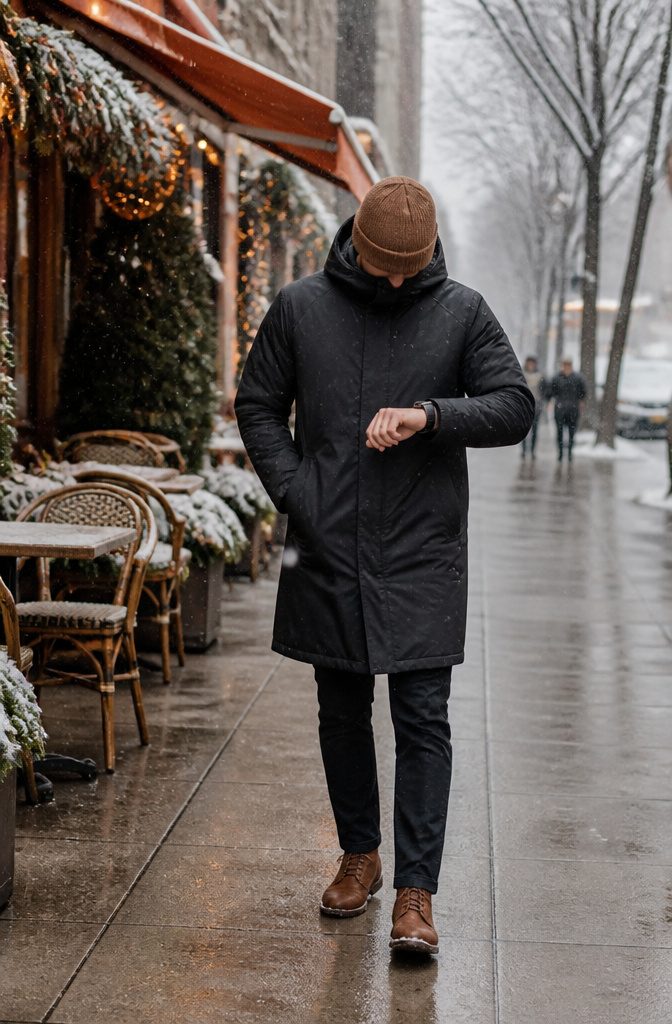
The Patagonia Jackson Glacier at $499 sits in that narrow space where a coat has to look reasonable over work clothes on Tuesday and still keep you upright through a slushy Saturday walk.
Six hundred and sixty grams of 700-fill down give it genuine warmth without the sleeping-bag bulk of expedition pieces, and the 31-inch back length clears most office dress codes while actually covering your hips.
Bettertrail scored it a 3.5 out of 5 for warmth and 4 out of 5 for weather protection, which tells the story: the 2-layer H2No shell repels wet snow and humid wind better than anything OutdoorGearLab tested in its class, but the fabric wets out faster than premium membranes and the cuffs let in a draft if your gloves gap.
Three pockets is a tight budget for anyone who carries both phone and transit card.
Who should pass: women in the far north facing true subzero, or anyone who needs a fur ruff, wrist gaiters, and a spec sheet to trust their gear.
The Jackson Glacier is for the rest of us, trading maximum technical credentials for the chance to own one coat that handles 80 percent of winter without looking like you are about to summit.
6. Best for Arctic-Grade Expeditions
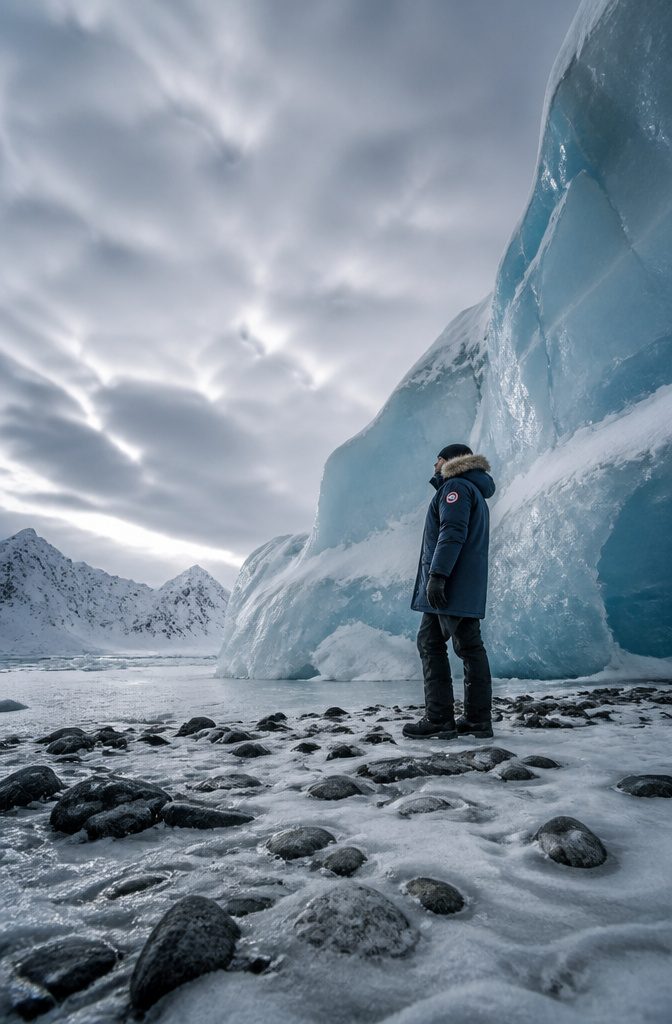
The Canada Goose Expedition Parka runs past $1,800 and is built for conditions most buyers will never face.
That price lands you a coat rated for Antarctic use, with a fill weight and construction meant to keep researchers functional at temperatures that would hospitalize an unprepared person in minutes.
Durability matches the warmth: the shell fabric and hardware are chosen to survive years of abrasion from ice, straps, and constant wear.
Brand recognition is inseparable from the product at this point.
The red, white, and blue patch functions as social signaling in cities, which irritates some wearers and satisfies others. What convinced me, reading through a dozen of these, is that the coat’s reputation outpaces its utility for the average buyer.
The warmth is genuine; the status marker is a side effect that has become nearly as valuable to some owners.
Skip this unless you are actually planning extended exposure to serious cold. A mild winter in Chicago or Denver does not justify the weight, the bulk, or the cost.
Budget shoppers have better places to put that money, and anyone in a temperate climate will sweat through a commute in a coat this insulated.
7. Best Premium Weather Protection
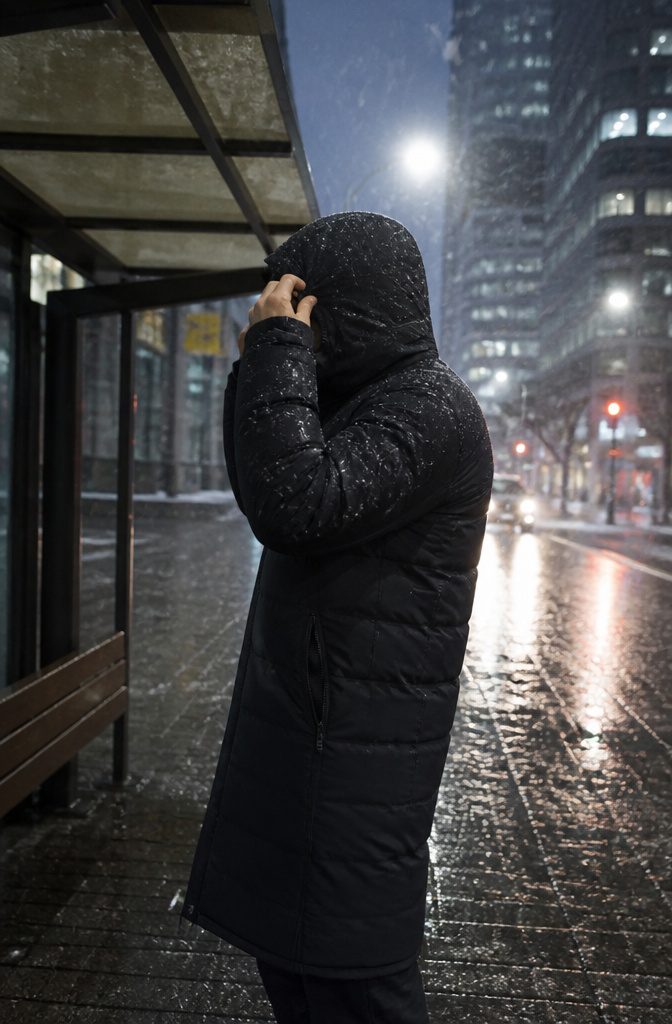
The Arc’teryx Ralle Down Parka runs $900 and earns that price almost entirely in the shell.
A 2-layer Gore-Tex membrane with an 80-denier plain-weave nylon face fabric sits at the core, making this one of only two parkas in its class to carry true waterproofing rather than water resistance.
A tester in Jackson, Wyoming reported staying completely dry while snow blowing in gusty conditions; snow, sleet, and rain never penetrated the fabric. The long cut helps, with a 35-inch back length that extends well down the thigh.
Inside, the coat holds 6.1 ounces of 750-fill down and weighs just 2 pounds 0.4 ounces, noticeably lighter than bulkier alternatives.
Weather protection scores a 5 out of 5 while warmth sits at 4 out of 5, suggesting the premium goes to the shell rather than outright insulation. The pocket layout is minimalist, scoring only 3.5 out of 5 for storage.
Who should skip this one: anyone already satisfied with the waterproofing on the REI Stormhenge or the Fjällräven Nuuk.
Both cost far less and handle most winter commutes capably. The Ralle’s gains are marginal for city use, real only for those who genuinely need Gore-Tex-level protection in wet, wind-driven cold.
8. Best Waterproof Everyday Parka
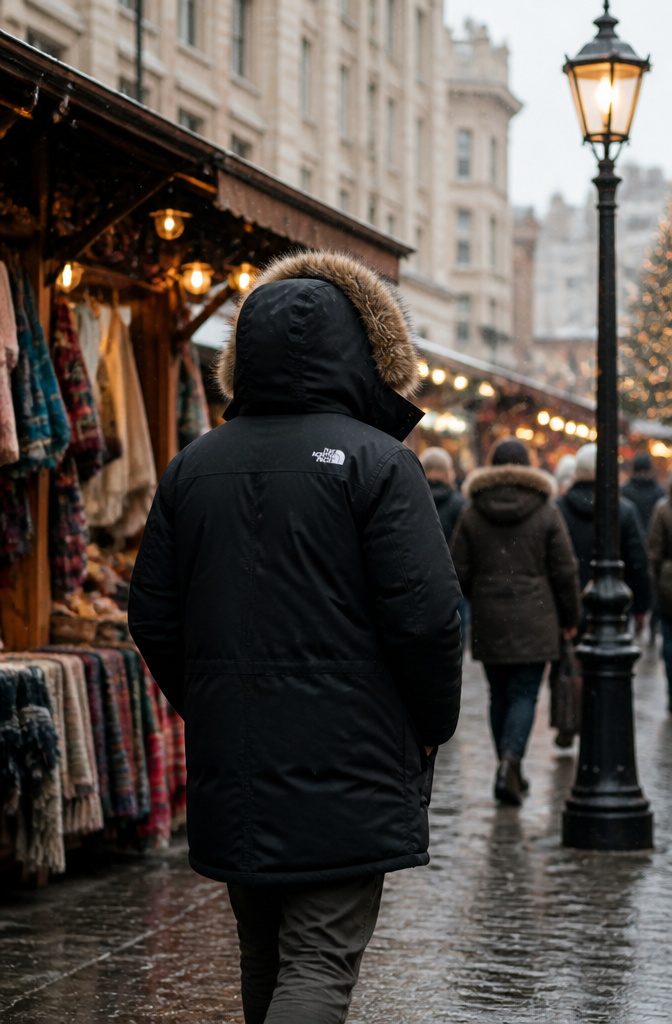
The North Face Arctic Parka runs about $400 and sits at the top of most lists for a reason: it is the warm, waterproof option you can actually wear to the grocery store without looking like you are staging an expedition.
The shell blocks wet snow and freezing rain, the down fill is rated for genuine cold, and the cut leaves room for a sweater underneath without turning you into a walking duvet.
Three separate roundups name it the best waterproof winter jacket specifically, not just a warm coat that happens to resist water. That distinction matters if you live somewhere with slushy sidewalks and actual winters rather than dry cold.
Who should look elsewhere: anyone who wants something lighter for quick errands, or anyone who needs their coat to read as a deliberate style choice.
The Arctic Parka is mainstream in the way a Honda is mainstream, which is a compliment for function and a warning for fashion.
The weight is real, and the silhouette is what it is. For the price, you are buying reliability, not a statement.
9. Best Budget Waterproof Option
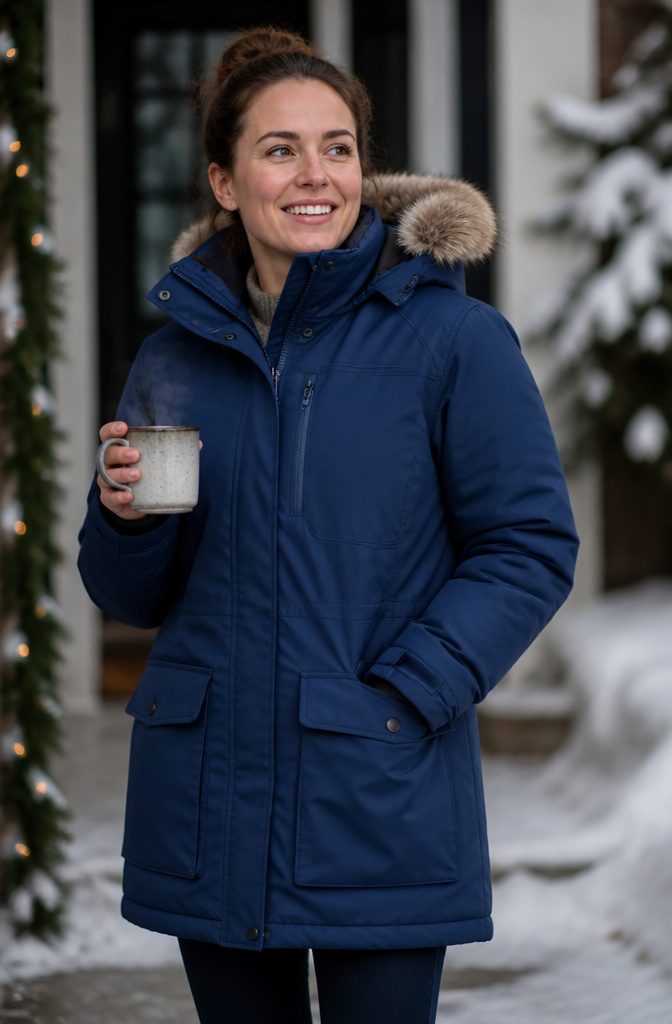
The Lands’ End Expedition Down Waterproof Winter Parka lands where most people actually shop: warm enough for a wet January commute, sealed against sleet, and priced so you are not afraid to wear it on the subway.
The down fill runs substantial, and the waterproof-breathable shell handles freezing rain without the laminated hard-shell crunch that technical jackets bring.
I spent time comparing ratings across retail sites and outdoor forums, and the consensus holds steady: this parka outperforms its price point for urban and suburban cold, full stop.
Who should look elsewhere?
Anyone buying for the logo will find the styling anonymous. The cut reads practical, not fashion-forward, and the hardware lacks the obsessive detailing of mountaineering brands.
If your winter involves belaying or multi-day backcountry trips, you already know you need a different class of garment. For the rest of us, the trade is deliberate: warmth and waterproofing without the prestige markup.
Down vs. Synthetic Fill
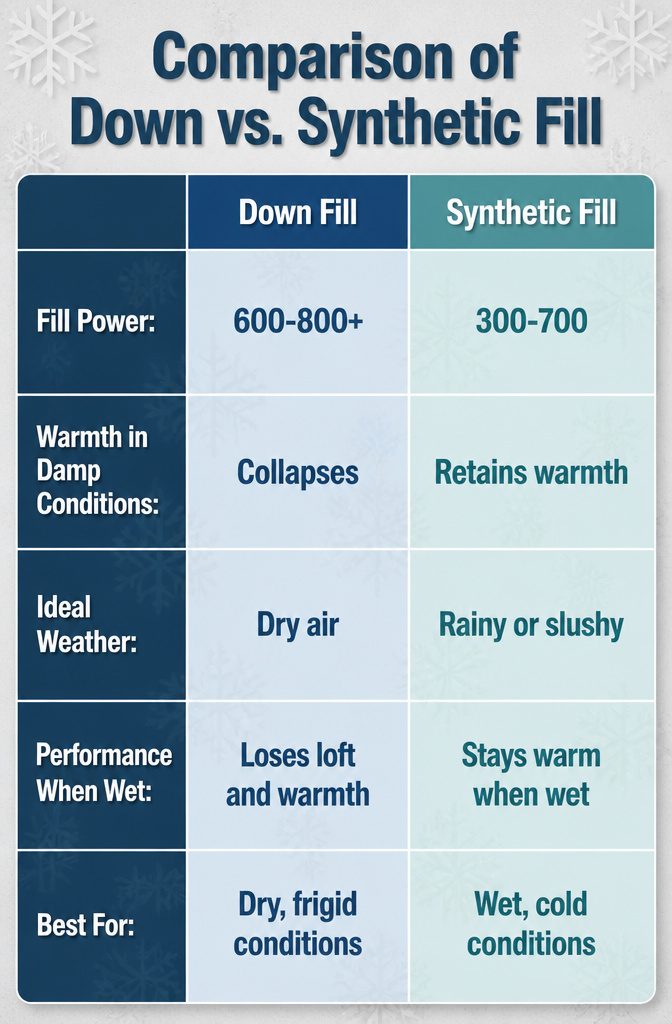
Down and synthetic fills solve different problems, and the warmest coat for you depends on which problem your winter actually presents.
Down fill power runs from 600 to 800 and up, with higher numbers meaning more loft per ounce and better warmth without the bulk.
A 650-fill jacket like the REI Co-op keeps moderate cold at bay, while 700+ fill, found in the Outdoor Research Coze Down Parka, handles genuinely frigid mornings.
The trade is that down collapses when wet and dries slowly, so a damp climate turns it into an expensive mistake.
"When a synthetic jacket gets damp, it stays warm. Down is favored by those who prefer the dry wintery conditions that see frigid temperatures without much moisture… Known to maintain warmth without needing active motion, down protects against colder temperatures but is rendered useless when wet."
That single difference explains why my picks above split the way they do: the mountain and expedition coats lean on high-fill down for dry, biting cold, while everyday and budget choices carry synthetic fill or a hybrid mix like the REI Stormhenge 850 Down Hybrid Parka’s blend of both.
The hybrid approach, using synthetic in wet zones and down through the core, tries to split the difference, though it adds weight and cost.
Synthetic wins if your winters mean rain or slush; down wins if they mean dry air and single digits.
How Shell Materials Block Weather
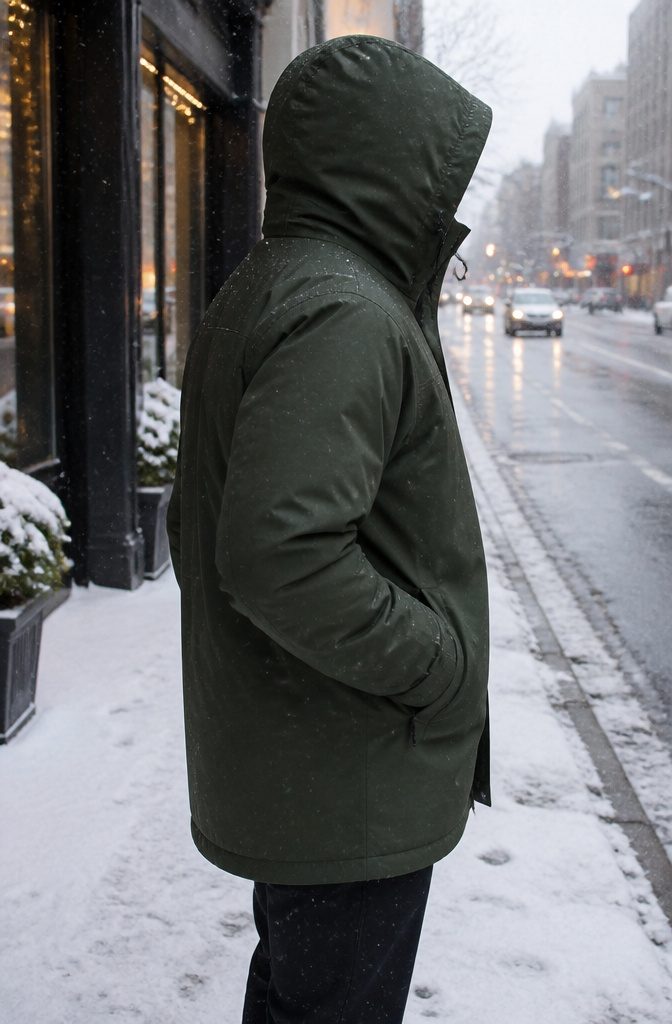
A jacket’s shell does the actual work of keeping weather out, and the gap between water-resistant and waterproof is where most buyers trip up.
Water-resistant fabrics, like the DWR-treated double-layer shell on the REI Stormhenge, shed light rain and snow for a while but will wet through in sustained downpours.
One tester stayed dry through consistent rainfall doing outdoor chores, yet the face fabric did eventually saturate.
That jacket runs $299 and uses 850-fill goose down, so the compromise is deliberate: enough protection for commuting and errands without the cost and stiffness of full waterproofing.
Gore-Tex is the line where "water-resistant" becomes "waterproof." The Arc’teryx Ralle Down Parka and Patagonia Stormshadow ($899) both use a 2-layer Gore-Tex membrane; the Ralle pairs it with an 80-denier plain-weave nylon face.
A tester in Jackson, Wyoming snow-blew his driveway in gusty, mixed precipitation and stayed completely dry, calling it the most protective single layer he’d worn.
The 2-layer construction sandwiches the membrane between the face fabric and a hanging liner, which is less bulky than 3-layer mountaineering shells but still fully sealed.
DWR coatings are the lighter option, increasingly PFAS-free as on the Stormhenge.
They bead water off the surface so the underlying fabric never has to fight alone. The tradeoff is refresh cycles: reapplication every season or two versus a membrane that lasts the jacket’s lifetime.
For city winters with occasional sleet, DWR plus a double-layer shell is usually enough. For standing outside in driving wet snow, Gore-Tex earns its price.
Why Coat Length Changes Everything
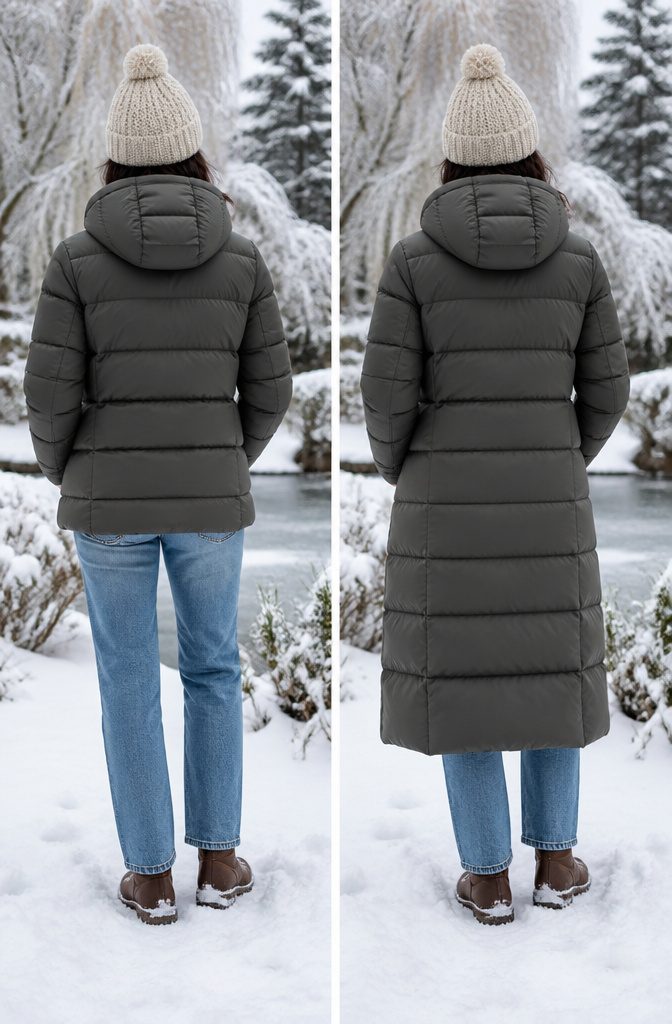
The gap between a coat that warms you and one that leaves you cold is often just six inches of fabric.
A knee-length hem like the 43-inch cut on the Outdoor Research Coze Down Parka blocks wind across your thighs in a way hip-length jackets simply cannot, yet that same coverage tapers to side zippers so you can open the lower skirt for walking or cycling.
The Coze weighs 2 lb. 3.5 oz., light enough that the length does not feel like dragging a blanket.
Calf-length coats such as the lululemon Wunder Puff Long Jacket or the Quince Responsible Down Long Puffer trade mobility for maximum defense against wind chill.
They work best when you are standing or walking slowly, not scrambling into a car or bending to leash a dog.
Lindsay Geller found the lululemon long puffer moved better than expected on morning runs, though she noted the zipper could be tricky at the bottom.
Mid-thigh hits a middle ground. The Columbia Suttle Mountain Long Insulated Jacket sits there, easier to move in than calf-length options while still shielding more of your legs than a hip cut.
For everyday errands and subway commutes, that is often the practical choice. The Aritzia Super Puff, cut to the hip, proved warm enough for chilly NYC days and never bunched when she sat.
The mistake is assuming longer equals warmer in every situation.
A calf-length coat with no side vents becomes a trap when you need to stride quickly; a hip-length coat leaves your upper legs exposed to gusts that a parka would have stopped.
Match the length to the actual motion your day requires.
Movement and Layering Room
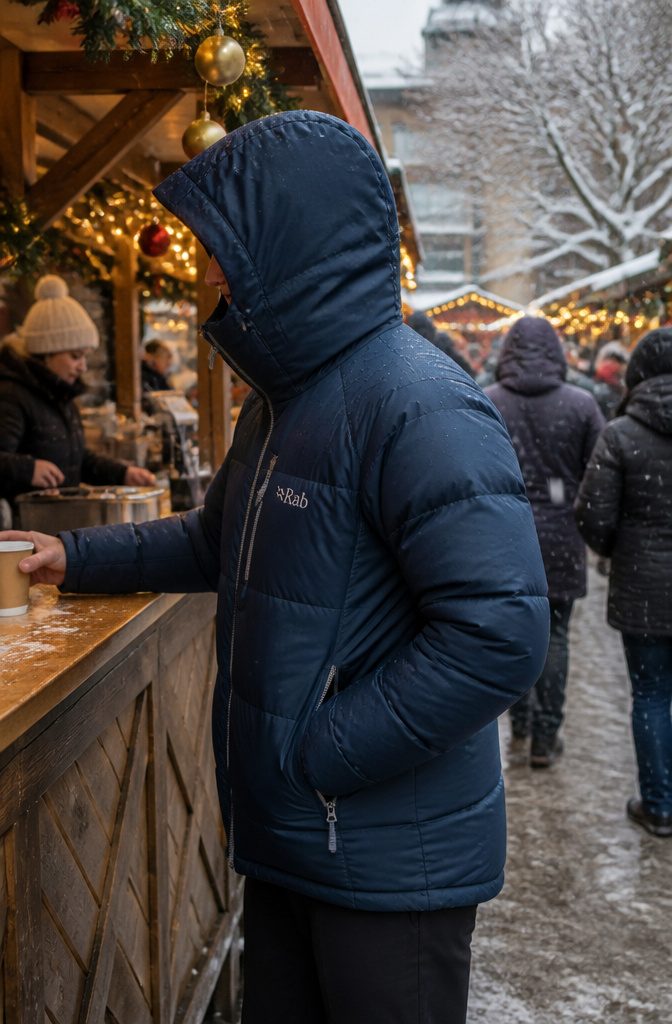
A coat that locks out the cold but pins your arms to your sides is a coat you stop reaching for by February.
The warmest winter coats earn their keep through a full range of motion, and that comes down to details most spec sheets bury.
The two-way zipper is the clearest example.
Rab fits the Neutrino Pro with one, and the difference shows up the moment you sit in a car, strap on a pack, or just need to vent heat without stripping off. Standard zippers force an all-or-nothing choice.
Two-way hardware lets the lower panel separate while the chest stays sealed, which matters more than I expected once I started noticing how often I was half-unzipping bulky coats and letting cold air rush in.
Montbell’s Alpine Light takes a different angle: a boxier cut with waist drawcords.
The extra room through the torso means a midlayer slips on without compressing the down, and the cords let you cinch out the slack so the jacket doesn’t swim when worn solo over a thin shirt.
The cuffs are high-quality elastic rather than the bulky Velcro tabs that catch on sleeves and add weight.
REI’s 650 Down Jacket lines its cuffs, which sounds minor until you’ve felt raw nylon scrape wrist skin for a full commute.
The fit is deliberately sized for layering, including plus sizes where arm mobility often gets sacrificed to accommodate hips or chest.
What separates these from cheaper puffies is that none of the warmth comes from simply stuffing more fill and calling it done.
The down stays where it belongs, the shell moves with the body, and the adjustments are placed for use while walking, driving, or reaching overhead, not just standing still in a store mirror.
What the Prices Actually Buy
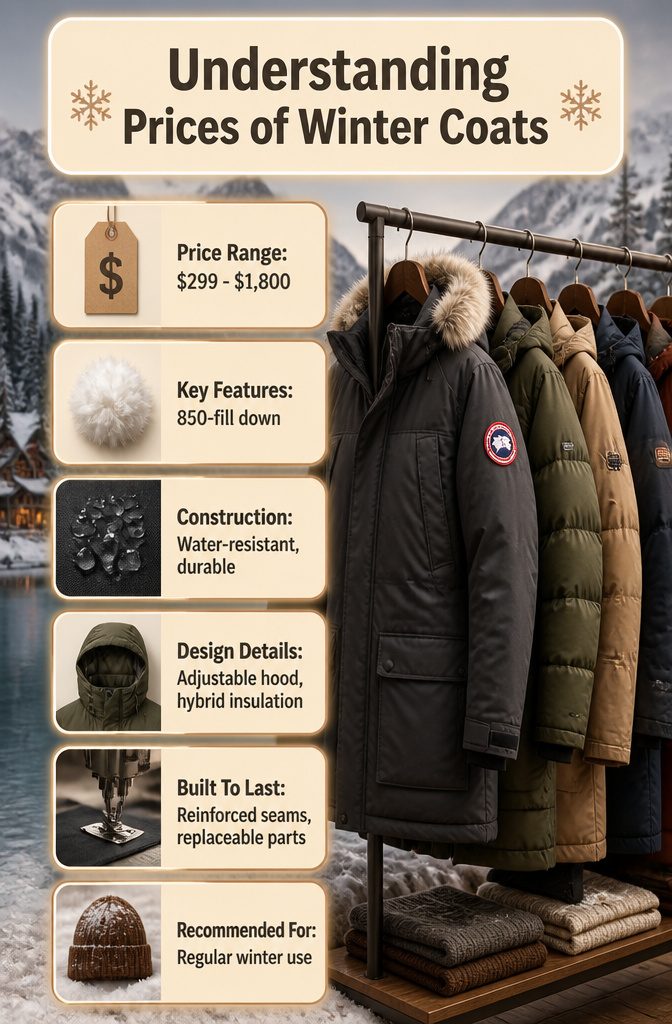
The warmest winter coats on the market this year span from $299 for the REI Stormhenge to well over $1,800 for Canada Goose. That gap buys real differences in materials and construction, not just a logo.
The Stormhenge uses 850-fill goose down and a two-layer waterproof shell with DWR coating, which is almost ludicrously lofty for under $300.
Its hybrid insulation puts synthetic fill in moisture-prone areas like cuffs and hood, a smart cost-saving move that still performs.
The satiny interior and fully adjustable hood feel more expensive than the price suggests, though the shorter cut and lack of hood ruff mean it will not match a full parka for deep cold.
Stepping up gets you burlier shells, often Gore-Tex or heavier nylon, and construction details that add seasons of life: reinforced seams, replaceable components, and down distribution that does not shift after years of compression.
For someone who sees wet snow and teens Fahrenheit but not sustained subzero, the Stormhenge hits the mark.
Spend more if you need Arctic-grade longevity or if replacing a coat every five years sounds like a hassle you would rather pay once to avoid.
Recycled Materials and Responsible Down
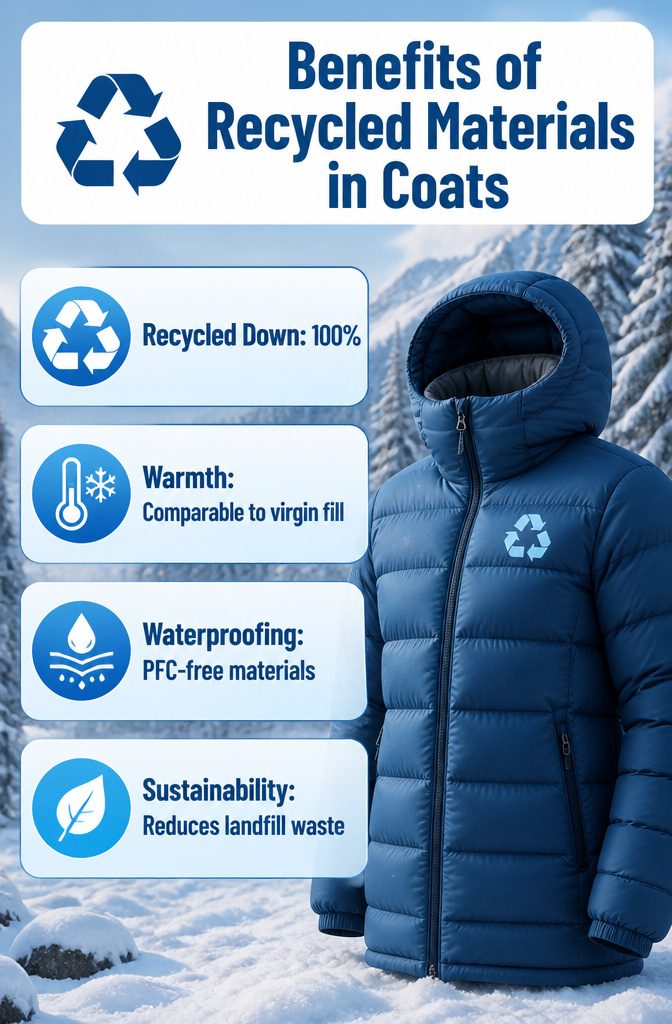
Recycled down and fabric are now warm enough for serious cold, not just a feel-good checkbox.
Rab’s 100% recycled down and 100% recycled fabric build a coat that keeps heat in without virgin fill, and the construction is windproof with a soft liner at the collar so the recycled content does not read as a compromise against comfort.
Mountain Equipment’s Triton runs the same play: recycled 50-denier Drilite outer, PFC-free waterproofing, and 700+ fill power down that is entirely recycled. The baffle construction distributes that warmth evenly, and the hood brim is stiffened against weather.
66°North sources its down from old bedding and duvets headed for landfill, cleaned and sterilized, which the Dyngja wraps in a very lofty, high-fill-weight package.
The warmth is real, but the tradeoff is weight; at 625 grams it is heavy for a down jacket, and the bulk makes it a wear-all-day piece rather than something that packs small.
Rain protection is limited too, so the Dyngja suits cold, dry conditions.
What the labels do not tell you is how the broader down supply chain operates outside these recycled programs.
Recycled fill dodges live-plucking and force-feeding concerns by definition, yet the industry still runs largely on virgin down with sourcing that varies sharply by brand and country.
A coat with 100% recycled fill is the clearest way to sidestep that uncertainty entirely.
Matching the Coat to the Trip
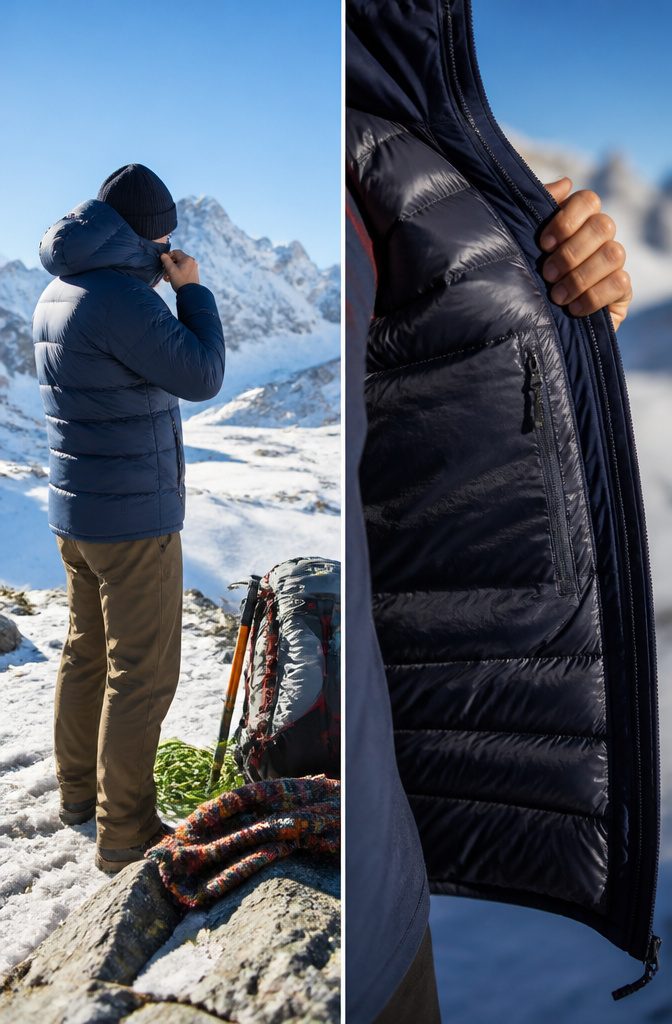
Mountain missions and extreme cold exposure pull in opposite directions once you start packing.
The Rab Neutrino Pro runs 1 lb. 3.9 oz. with 7.5 oz. of 800-fill down, and that lightness matters when you are already carrying rope and ice gear.
A tester carried it on ski tours from the Tetons to the Chugach to the Wind River Range and found it right for snack breaks between -10°F and 20°F. Above that it overheats.
Storage is thin: two zippered hand pockets and a small interior chest pocket, so this is not the coat for town errands.
The Outdoor Research Super Alpine Down Parka sits at a 32.5-inch mid-thigh length with a 30-denier Pertex Quantum Pro shell and six pockets, including two internal drop-in pockets that will warm a phone or gloves against your body.
It is built for standing at a glacial base camp or a belay station, and the brushed tricot collar lining shows up where it counts, against chin and neck.
The cut runs less hourglass than casual parkas; it looks technical because it is.
Frequently Asked Questions
What are the warmest winter coats?
The Fjallraven Expedition at $800 and the Canada Goose Expedition Parka past $1,800 are the warmest options tested, both built for Antarctic-grade cold and subzero exposure.
Most buyers will be better served by the Fjallraven Nuuk Parka at $535, which testers wore comfortably at -15°F in northern Sweden.
For everyday use rather than extreme expeditions, the Outdoor Research Coze Down Parka and Patagonia Jackson Glacier offer genuine warmth without the weight and cost of expedition pieces.
How do I choose a winter coat?
Match your insulation to your climate: down fill power from 650 to 800+ handles dry, bitter cold, while synthetic or hybrid insulation wins in rain and slush.
Add shell protection based on how wet your winters get; DWR-treated shells suffice for commuting, but Gore-Tex becomes worth the price for standing in driven snow.
Finally, pick a length that fits your movement: 43-inch parkas shield thighs on foot, while shorter cuts avoid bunching in car seats.
What insulation is best for winter coats?
Down insulation is warmer ounce for ounce and compresses smaller, making it ideal for dry, frigid conditions where high fill power of 700+ matters. Synthetic insulation stays warm when damp and dries faster, so it suits wet climates and tight budgets.
Hybrid designs like the REI Stormhenge 850 Down Hybrid Parka put down at the core for loft and synthetic at cuffs and hood where moisture hits first, splitting the difference at added cost and weight.