
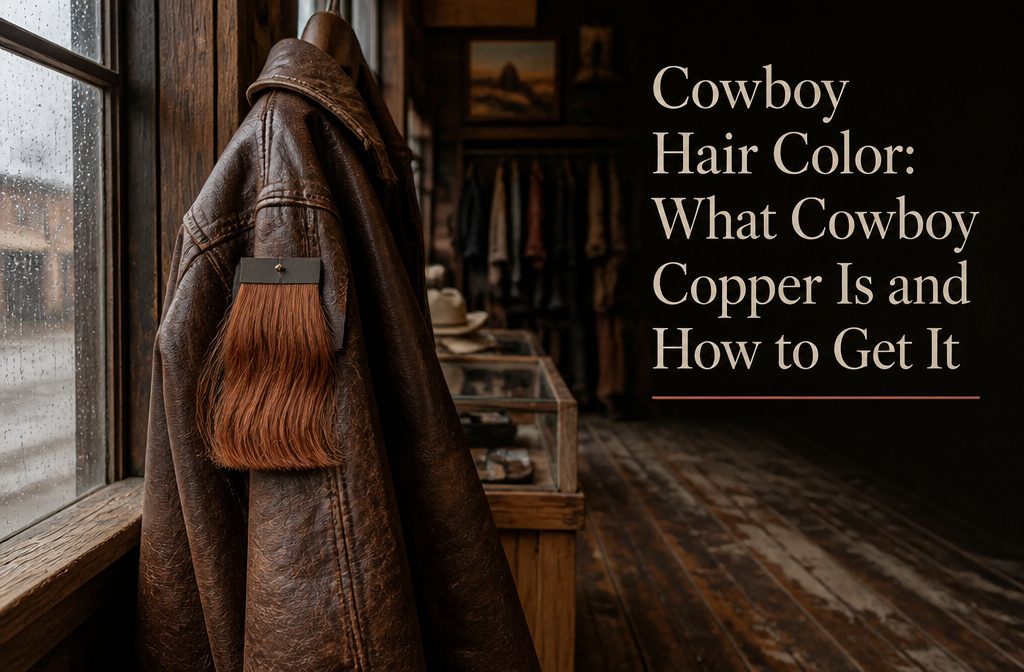
Cowboy copper is a red between copper and auburn, a little deeper than copper and a little lighter than auburn, with brown undertones that keep it from looking like a bright penny.
Your starting color decides the work: brunettes take it easily, while blondes must go at least 2 shades darker and may need a few rounds.
What Cowboy Copper Looks Like
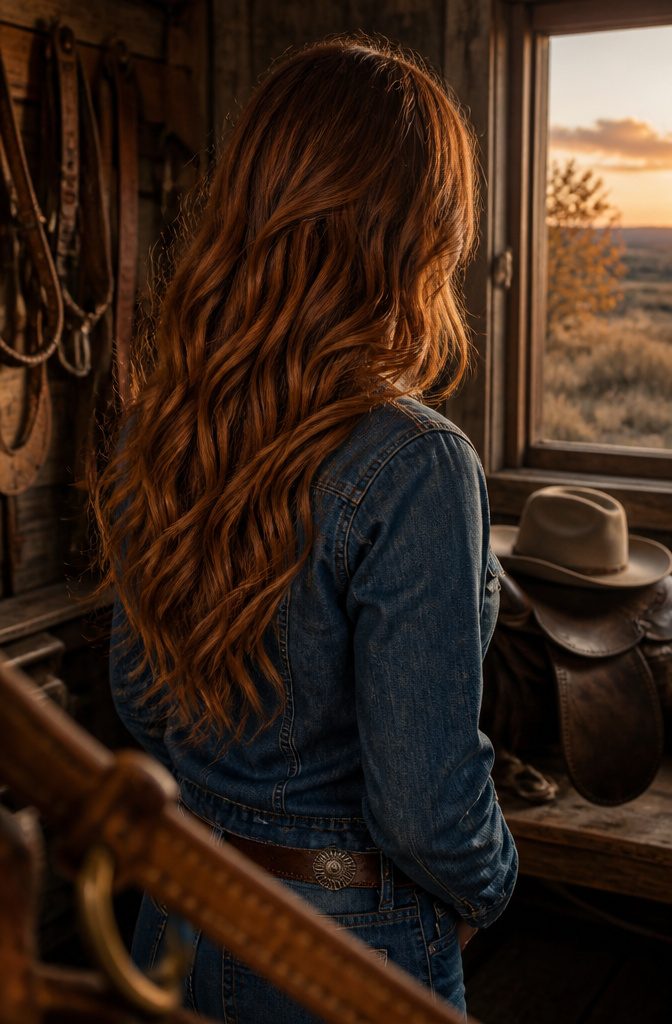
Cowboy hair color sits between two reds: a mix of copper and auburn, a little deeper and darker than copper but a little lighter than auburn.
It reads rich and warm, and deep brown undertones keep it from looking like a bright penny.
The name does real work.
Picture cowboy leather, saddles and warm, dusty sunsets, the tones of Western style and a well-worn hat. Anyone who has watched Yellowstone gets the reference right away.
The shade took off in 2023, when it spread across social media, and it still peaks in fall. A copper that leans brown suits that season better than a brighter one, in my view.
The Brown-to-Red Balance
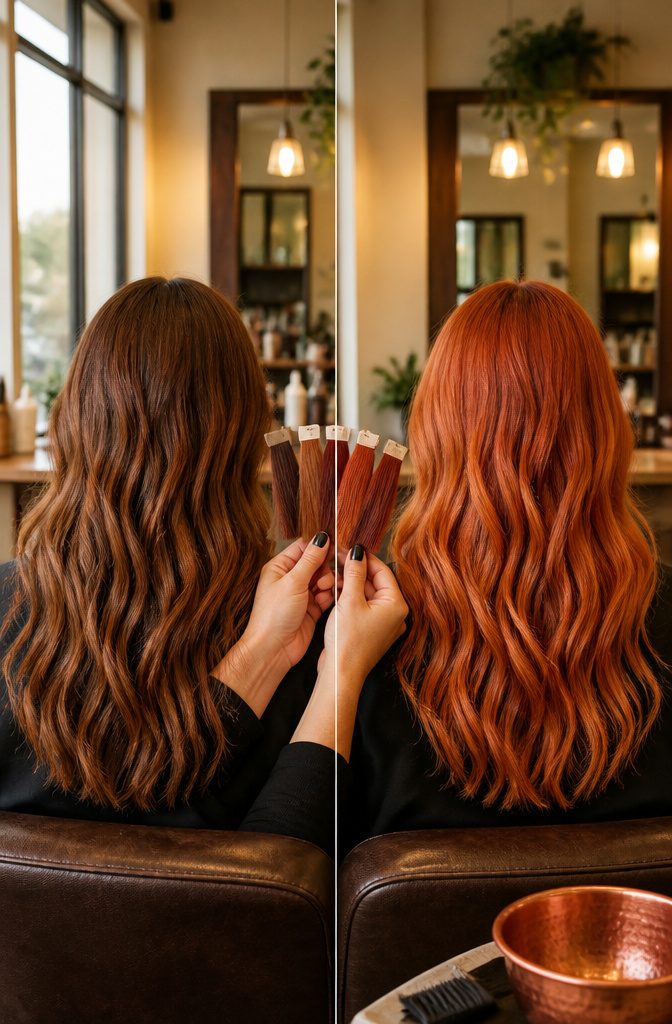
Add more brown to the formula and you get cowboy copper: deeper, softer, closer to a saddle tone.
Add more red and the color slides toward traditional copper, which is brighter and fiery. Same two ingredients, different proportions.
Your natural hair color shifts the result too, so the same mix can land differently on two heads. Blondes tend to come out golden and rich, brunettes get an auburn glow, and darker bases can wear it without harsh bleaching.
I can’t give you a fixed ratio, and neither can anyone else, because none exists.
The colorist adjusts the balance for your base. Bring a photo and ask whether they’d lean brown or red for your starting color.
Skin Tone and Hair Type
Cowboy copper isn’t one fixed shade. What changes from person to person is the balance of copper and brown, and fair, olive and deeper complexions each take a different mix.
A stylist adjusts that balance, so bring photos of your own skin in daylight alongside the inspiration shot.
How much red sits inside the copper is also a personal call. I’d go browner if you want it to read as a rich brunette, and redder only if you want the color noticed first.
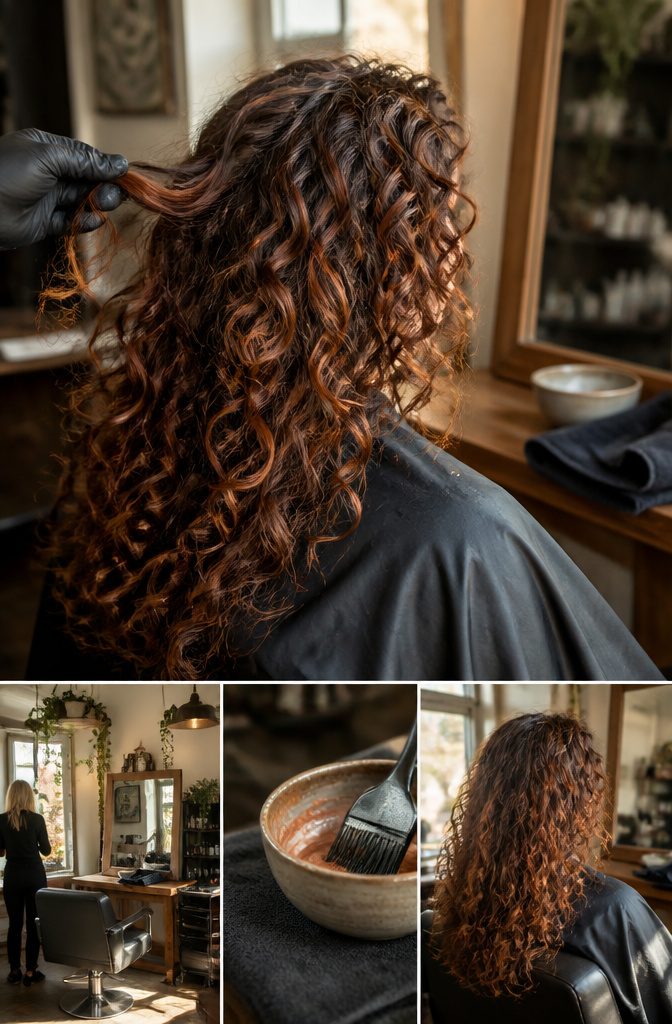
Curly hair needs a different plan.
Skip full saturation and ask for hand-painted highs and lows instead. Color placed by hand moves through each curl, so the pattern keeps its depth and doesn’t turn into one flat block of copper.
Starting Color and Past Dye
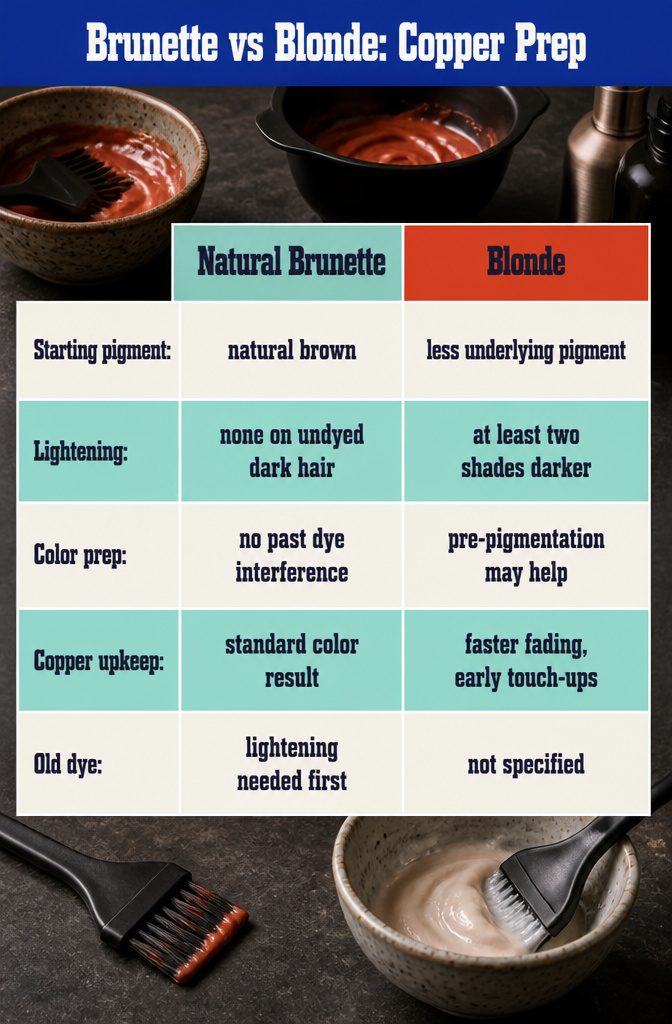
Natural brunettes have the easier road. Color is designed to work with natural pigment, so brown hair takes the tone without interference from past color and lands at, or slightly lighter or darker than, your natural level.
On dark hair with no prior dye, bleach isn’t part of the plan. Leftover dye is what changes that: old color sits in the strands, and it means lightening before copper can show true.
Blondes face a bigger job. This shade means going at least two shades darker, and blonde hair holds less underlying pigment, so it takes color differently and may need a few rounds.
I’d book a pre-pigmentation session first so the copper has something to grip. Red also fades fastest on blondes, so schedule touch-ups early.
Salon Plan and Commitment
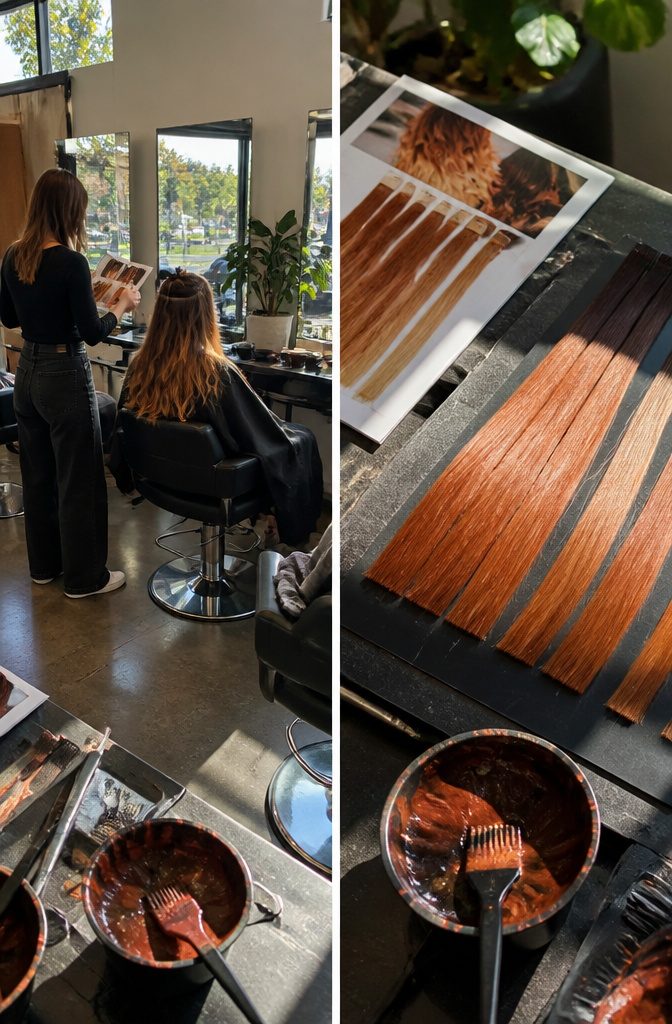
Book a pre-consultation and bring photos of the shade you want; "copper" covers too much ground for words alone. A StyleCaster writer’s visit to Dom Forletta at Mark Ryan Salon shows what the appointment involves:
The entire process took about three hours: a complete full hair dye, then custom highlights after for subtle dimension.
Clear an afternoon, and expect color first and dimension second.
A root-blended balayage means fewer visits, while a full root-to-tip change gives the truest copper. I’d start with the balayage if you’re unsure.
Commit as if it’s permanent: copper can take at least a year to grow out or change, and going back to blonde or brunette may need complete stripping, which can leave hair dry and brittle.
Keeping the Color
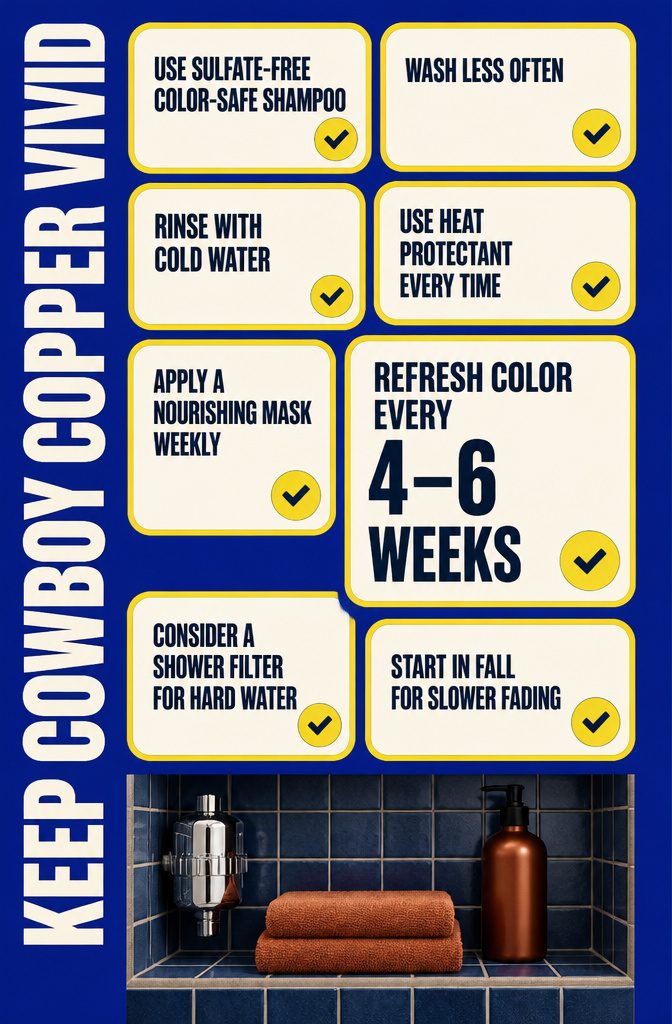
Red fades faster than any other shade, so the routine matters as much as the appointment.
Use a sulfate-free, color-safe shampoo, wash less often, and finish with a cold-water rinse. Heat tools shorten the life of copper too; if you can’t quit the curling iron, use a protectant every time.
A nourishing mask once a week earns its spot, since healthier strands resist fading better. If your water is hard, a shower filter is worth considering.
Plan a full color refresh every 4–6 weeks, with a copper gloss or toner around mid-month and root-only touch-ups between visits. I’d start in fall, when less sun means the shade lightens and washes out more slowly.
Coloring at Home
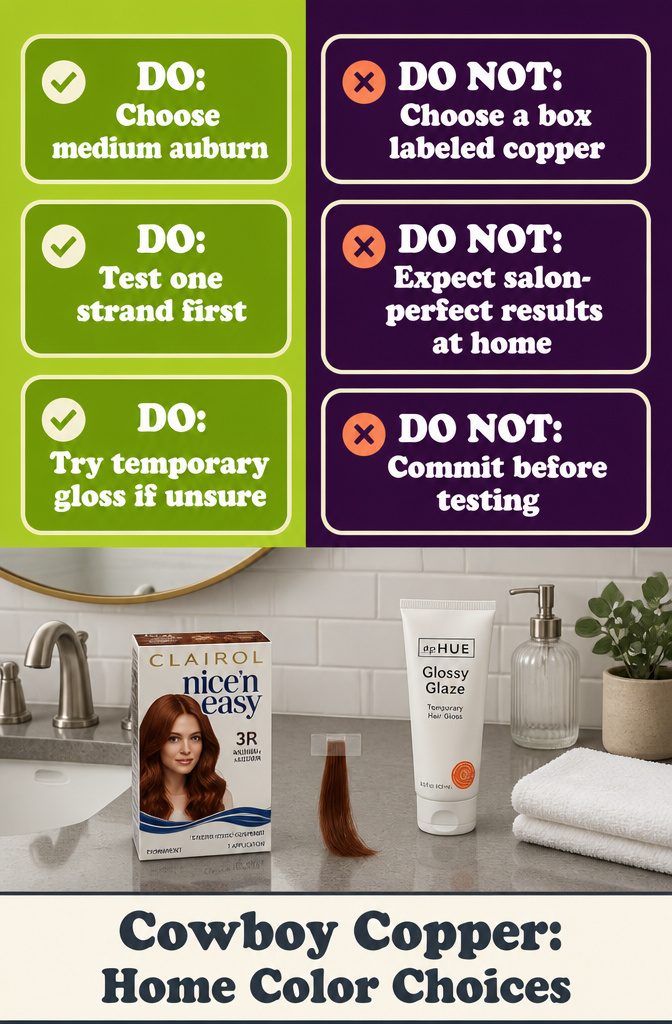
Two ways to play this: book a salon, or color at home with the right box. The salon is the safer call if you want the shade to come out exactly as pictured.
At home, skip any box with "copper" in the name, since it can pull too much orange from your own hair. Look for a shade labeled "medium auburn" instead.
Clairol Nice ‘n Easy ($7) is a drugstore option in that range. If this is your first time coloring, test a single strand before you commit the whole head.
For a lower-stakes try at cowboy hair color, dpHUE Glossy Glaze ($20) is a temporary at-home gloss.
It costs more than the box, but it fades instead of locking you in, and I’d start there if you’re unsure the shade suits you.
Products Worth Buying
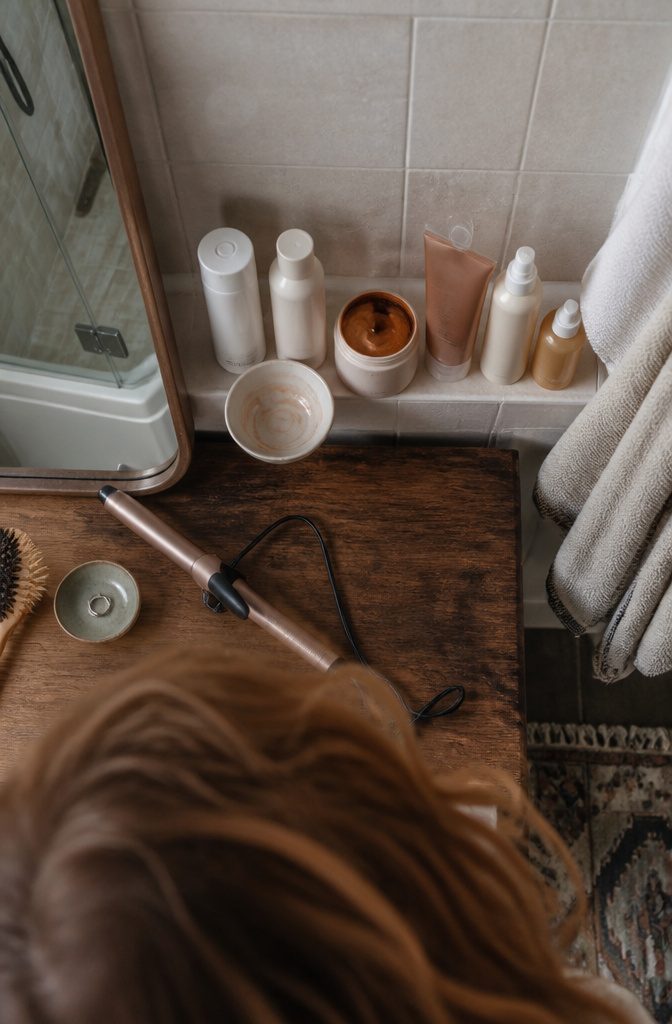
Five kinds of product cover a cowboy hair color routine, and a few names are worth knowing:
- Color-safe shampoo and conditioner: Shu Uemura’s color-safe shampoo is my pick for the wash, since a regular formula works against the dye you just paid for.
- Pigmented mask: Christophe Robin’s copper tone conditioning mask puts warmth back between appointments.
- Gloss: Kristin Ess Signature Hair Gloss in Copper Penny runs $15 at Target and is done in the shower, which makes it the cheapest way to refresh a fading shade.
- Heat protectant: any spray works, and it belongs on before every blow-dry or curling iron.
- Salon add-on: the Redken acidic bond treatment is worth asking for when you book, because lightened hair needs the repair.
Frequently Asked Questions
What is cowboy hair color?
Cowboy hair color, also called cowboy copper, is a rich, warm blend of copper and auburn.
It runs a little deeper and darker than copper but a little lighter than auburn, with deep brown undertones that keep it from looking like a bright penny.
Why is it called cowboy copper?
The name comes from the tones of cowboy leather, saddles and warm, dusty sunsets. It points to Western style, and many people connect it to the look of Yellowstone.
How is cowboy copper different from regular copper?
The difference is the ratio of brown to red. More brown gives you cowboy copper, which is deeper and softer, while more red pushes it toward traditional copper, which is brighter and fiery.
Is cowboy copper still in style, and why did it get so popular?
Yes.
It took off on social media in 2023 and still peaks every fall. People like it because it flatters many skin tones and can be adjusted to your hair type, texture and natural roots.
What skin tone suits cowboy copper hair?
It can work on fair, olive and deeper complexions. The colorist changes the balance of copper and brown for your skin, so bring photos of your own skin in daylight along with your inspiration picture.
Who looks good with cowboy copper hair?
Blondes, brunettes, and people with curly or straight hair can all wear it when the shade fits their skin tone.
Blondes tend to land golden and rich, brunettes get an auburn glow, and curly hair does best with hand-painted highs and lows instead of full saturation.
What is the color process for a natural brunette versus a natural blonde?
Natural brunettes have the easier path: with no past dye, the color takes without bleach.
Blondes have to go at least 2 shades darker and may need a few rounds, starting with a pre-pigmentation session, because blonde hair holds less underlying pigment.
What should I bring to my color appointment?
Bring photos of the shade you want, plus photos of your skin in daylight, and book a pre-consultation first.
Word like "copper" covers too much range on its own, and the color can take at least a year to grow out or change.
Can I get cowboy hair color at home?
Yes, but a salon is safer if you want the exact shade you pictured. For a box dye, skip anything with "copper" in the name, since it can pull too much orange, and look for "medium auburn" instead.
Clairol Nice ‘n Easy ($7) is one drugstore option, and a strand test is smart if it’s your first time coloring.
How do I keep cowboy copper from fading?
Use a sulfate-free, color-safe shampoo, wash less often, and rinse with cold water, since red fades faster than any other shade.
Cut back on heat tools and use a protectant when you do style. Plan a full color refresh every 4–6 weeks, with a copper gloss or toner mid-month.