A photo only shows a finished cut on one head, so what you actually get depends on your own curl pattern and how far those curls pull up once they dry.
The range runs from a buzz cut and a TWA to long layers that keep every inch, and the same length lands very differently on loose 3A waves and on tight 4C coils, which shrink the most.
A dry cut suits many curl types, with the stylist trimming curl by curl and leaving the length a bit longer than you want, since each strand will bounce shorter; fine curls are the exception and usually do better with a cut on wet hair.
1. Curly Lob
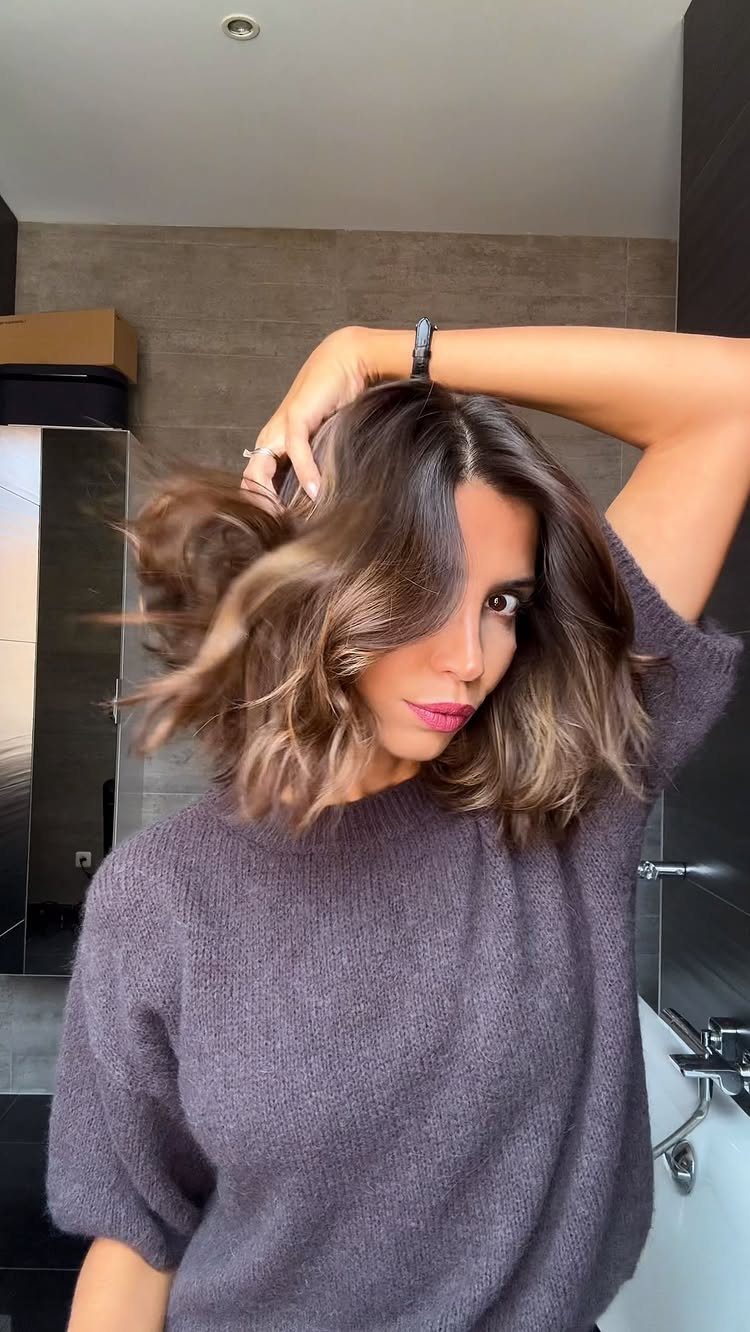
Shoulder length is where curls get the most room to bounce. The lob keeps enough hair to show the wave pattern, and it’s short enough that the weight doesn’t pull the top flat.
I’d ask for it cut with the curls dry, or at least checked dry before the stylist finishes. Curls spring up as they dry, so a lob that looks right wet can land shorter than planned.
2. Long Curly Layers
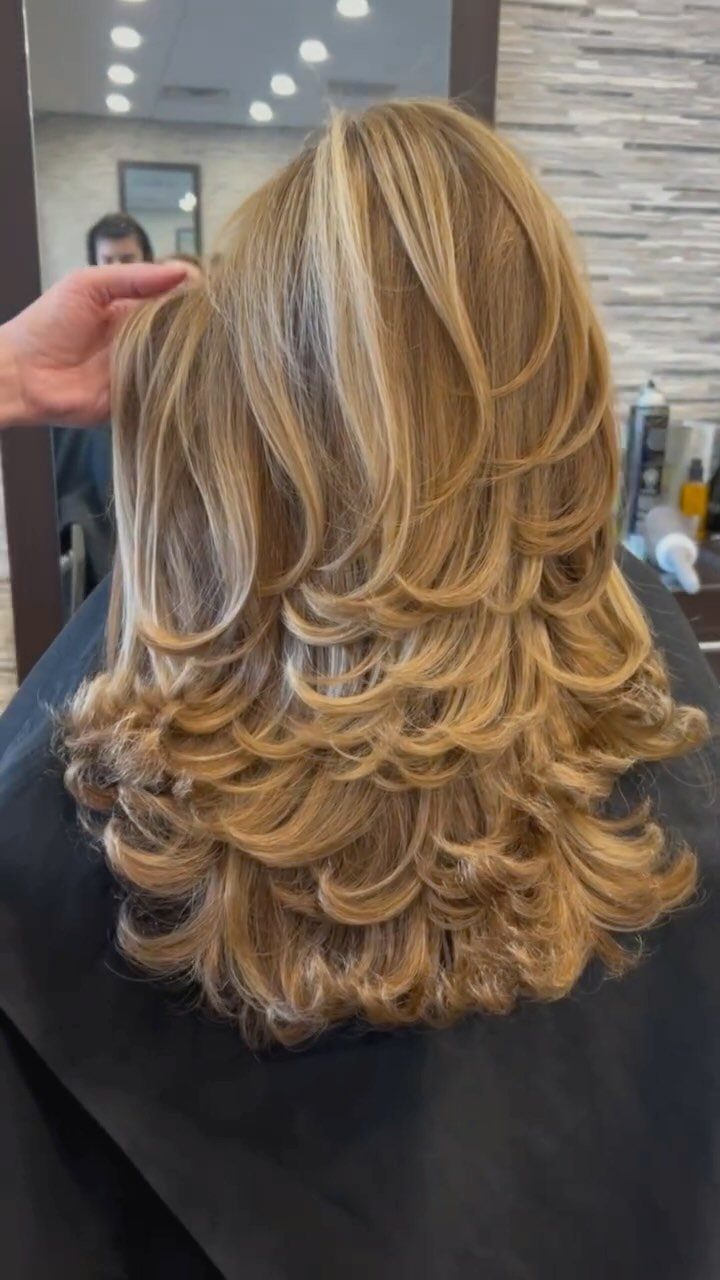
Heaviness is what drags long curls down, and layers are the fix that costs no length.
Ask for them to run through the mid-lengths and ends, with the shortest piece well below the chin, so the curls stack instead of ballooning at the crown.
I prefer this to a blunt one-length cut if you want to keep your length but are tired of the weight.
3. Soft Curtain Bangs
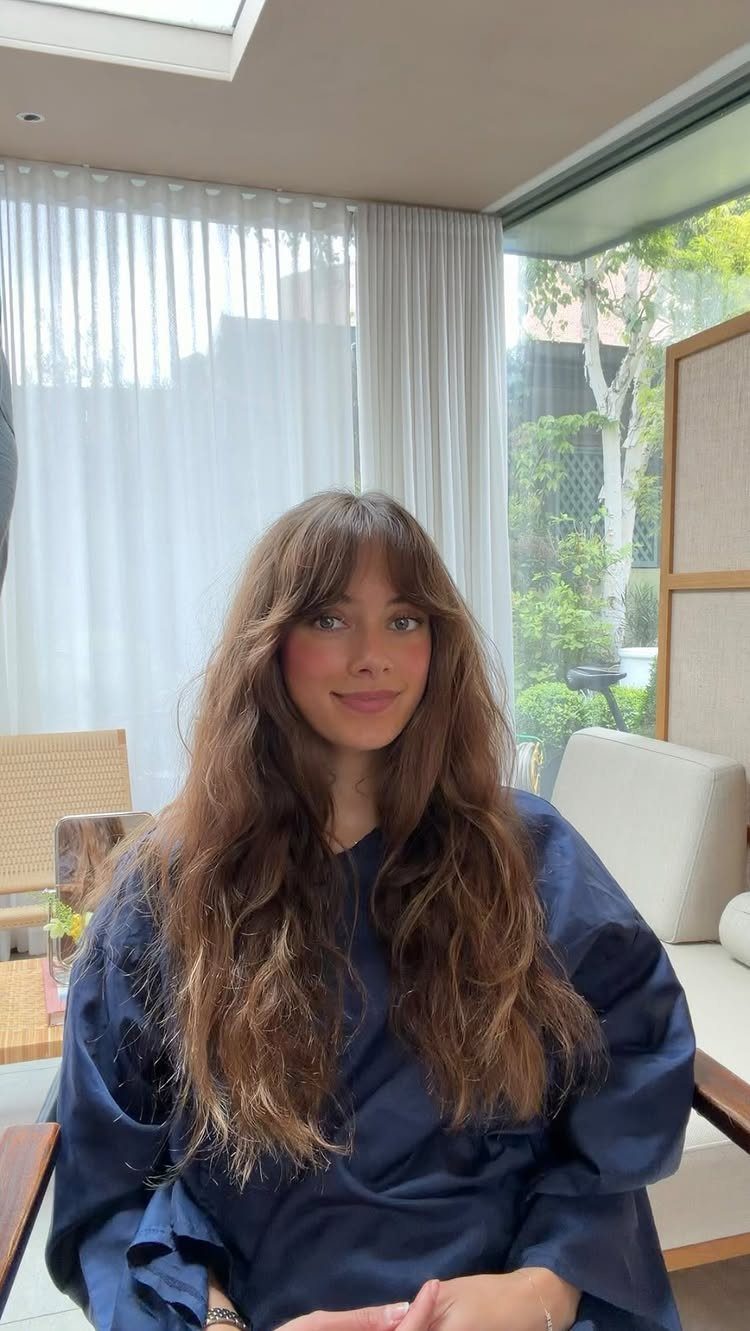
A middle part and 2 sweeping sides: that’s all curtain bangs are, and on wavy hair the natural bend does the styling for you. Ask for them cut longer than you think you want, since waves lift as they dry.
They blend into the rest of your length, so growing them out is easy. The cost is regular trims to keep them out of your eyes.
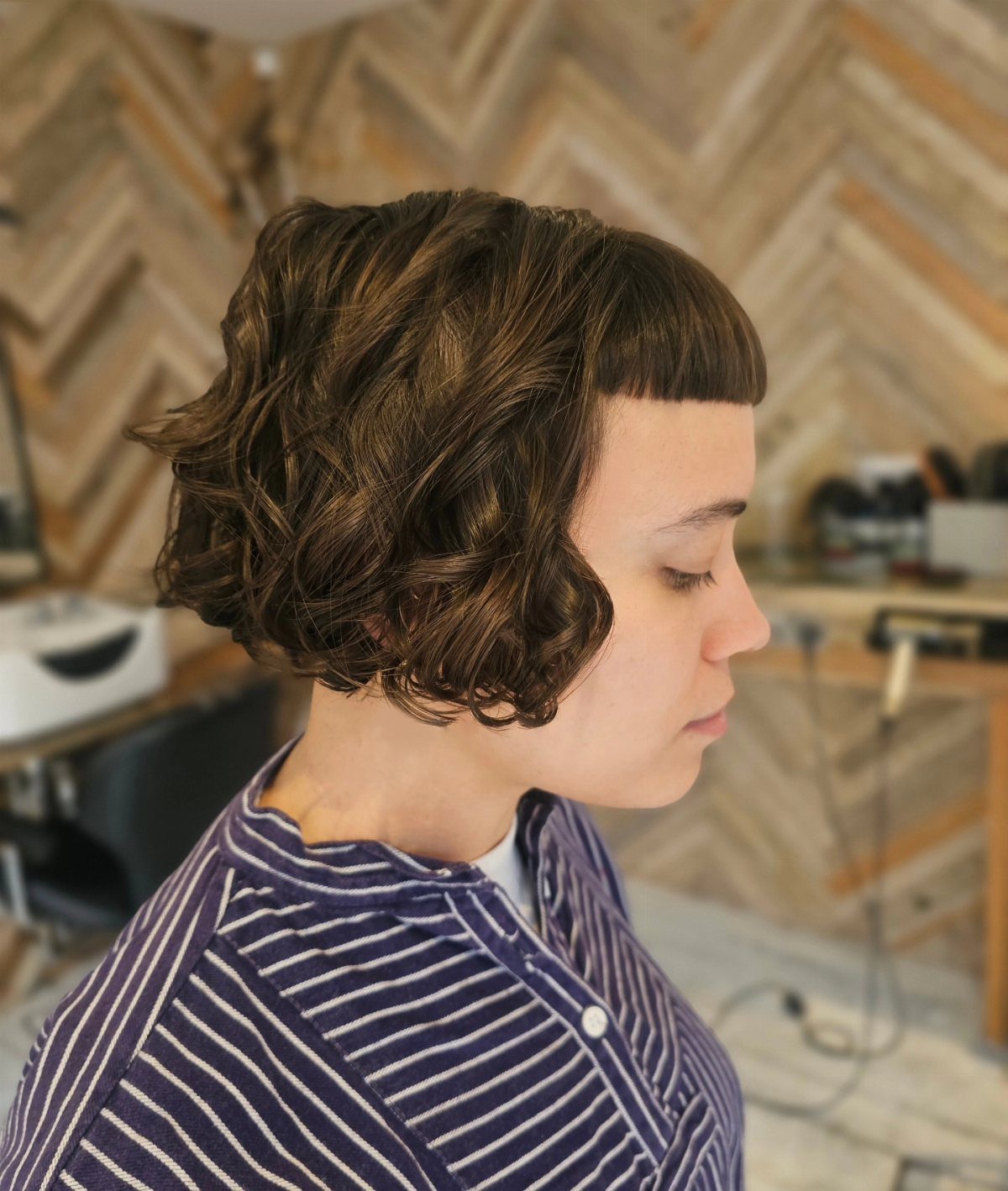
4. Bob with Micro Bangs
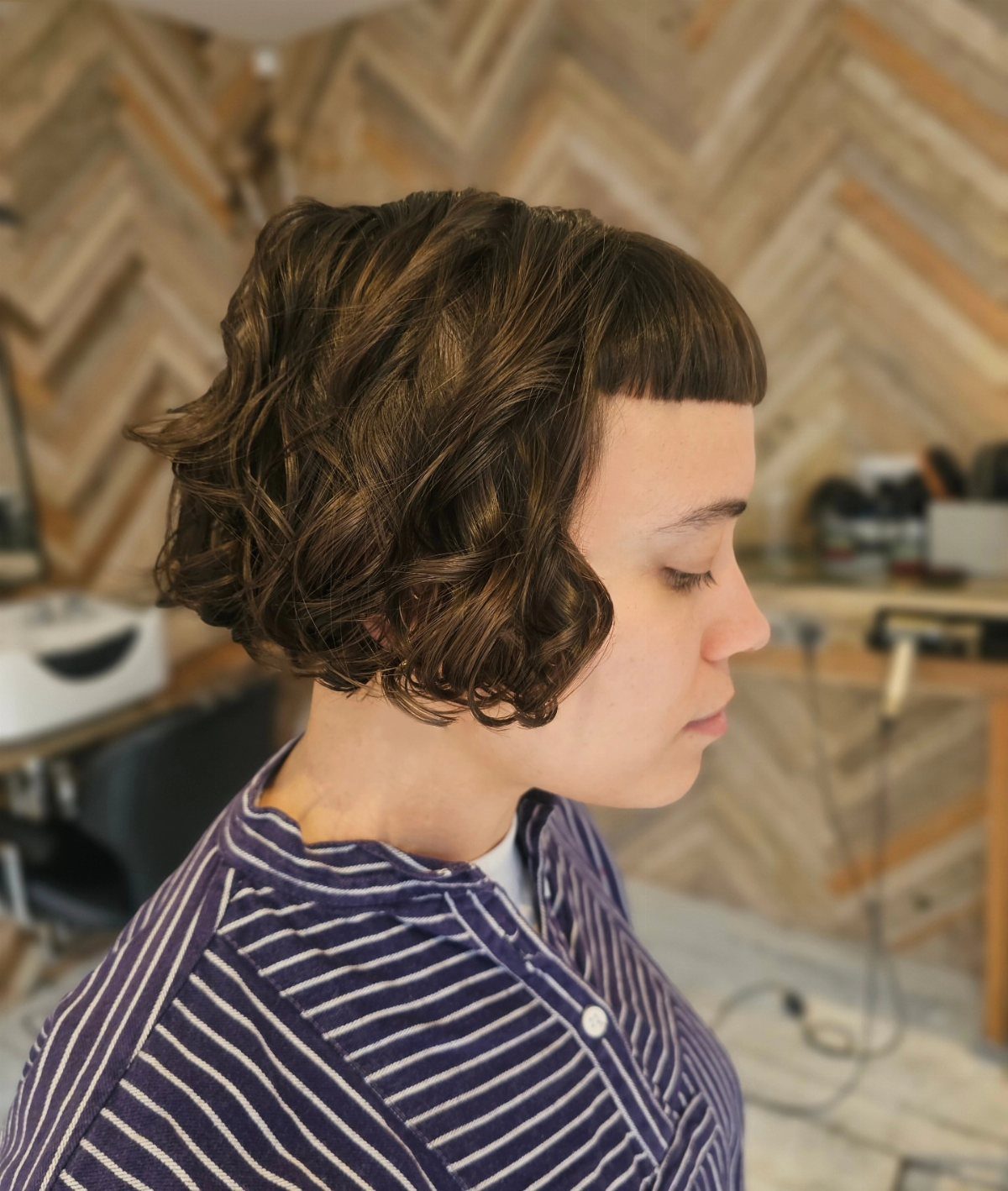
Short curls and even shorter bangs make a bold pairing.
Micro bangs sit high on the forehead, and curly hair springs up after cutting, so they’ll look shorter dry than they did wet. Tell the stylist exactly where you want them to land.
I’d choose this only if you’re comfortable with a visible change. Growing micro bangs out takes patience, and the in-between stage can be awkward.
5. Layered Lob with Wispy Bangs
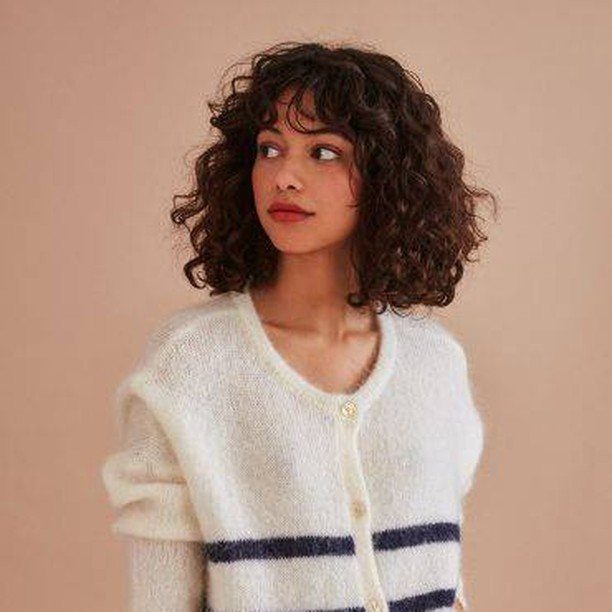
Thinning the weight out of a lob lets the curls spring instead of stack. Wispy bangs finish the look with a lighter fringe that blends into the layers, not a heavy block of hair across the forehead.
Have your stylist cut the bangs while looking at your natural curl pattern, since a tighter wave springs up shorter than it hangs when wet.
I like them best left a bit uneven, since a soft, broken edge looks natural on tight curls.
6. Curly Shag

Choppy layers all over the head give a shag its texture, volume and movement around the face. On curly hair, the layers let each curl sit at its own height instead of piling up in one mass.
Bangs are part of the shape here, so decide on them before the appointment. I’d keep them longer than brow length; that gives you the option to pin them back on days when you don’t want them.
7. Short Crop
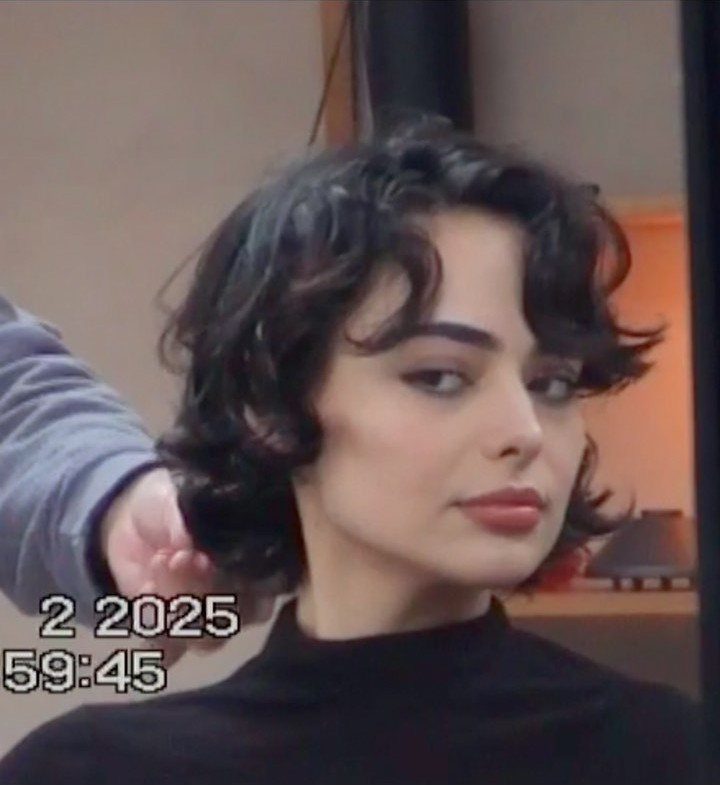
A bixie, the in-between of a pixie and a bob, suits waves because the longer top lets the bend show instead of getting buzzed away.
Texture is the point, so ask for the layers to be cut into the top and left uneven rather than smoothed into one clean line.
Short hair shows every change in the wave pattern, which I like, but it also means the cut needs a trim the moment the shape starts to lose its outline, or it grows out shapeless.
One of the biggest misconceptions about cutting wavy hair is that it should be cut the same way as straight hair, says Shahid Dilshad Pasha, master trainer manager at Davines India. “If you ignore the natural pattern, the cut can look uneven once it dries.”
— Vogue
8. Curly Bob

Chin length is a good test of how much curl you have. A jaw-to-chin bob puts the pattern right at face level, where each ringlet reads clearly instead of stretching out under its own weight.
Tell your stylist to cut it dry, curl by curl, so the hem follows your pattern and doesn’t land in a straight line. I’d skip a razor-sharp blunt edge here; a slightly rounded outline grows out more gracefully.
9. Curly Pixie
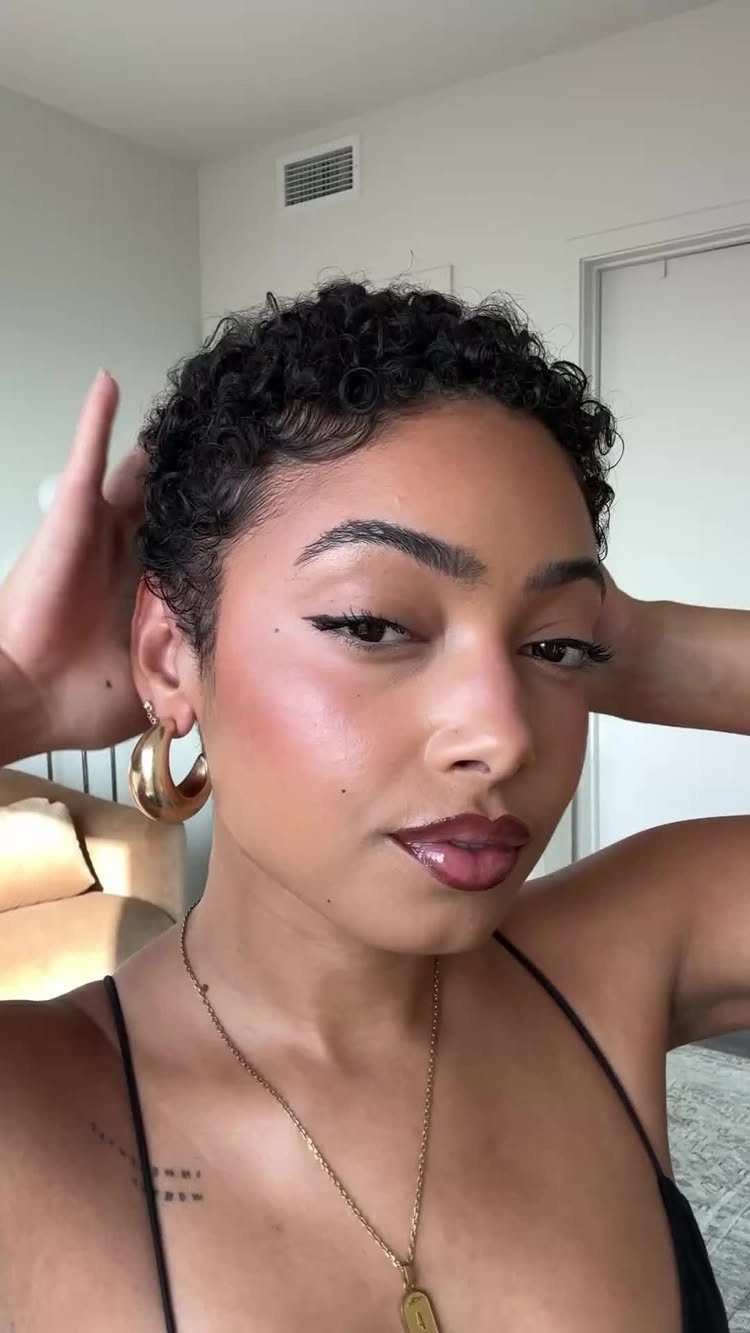
Cropped close, a curly pixie turns the hair into a frame for the face. With so little length, the cut depends on the stylist leaving the top fuller than the sides so the curls have something to sit on.
Ask for tapered sides and nape with the crown left longer. Gold hoops and a bare neck look good with it, but that’s a styling choice, not a requirement.
10. Curly Wolf Cut
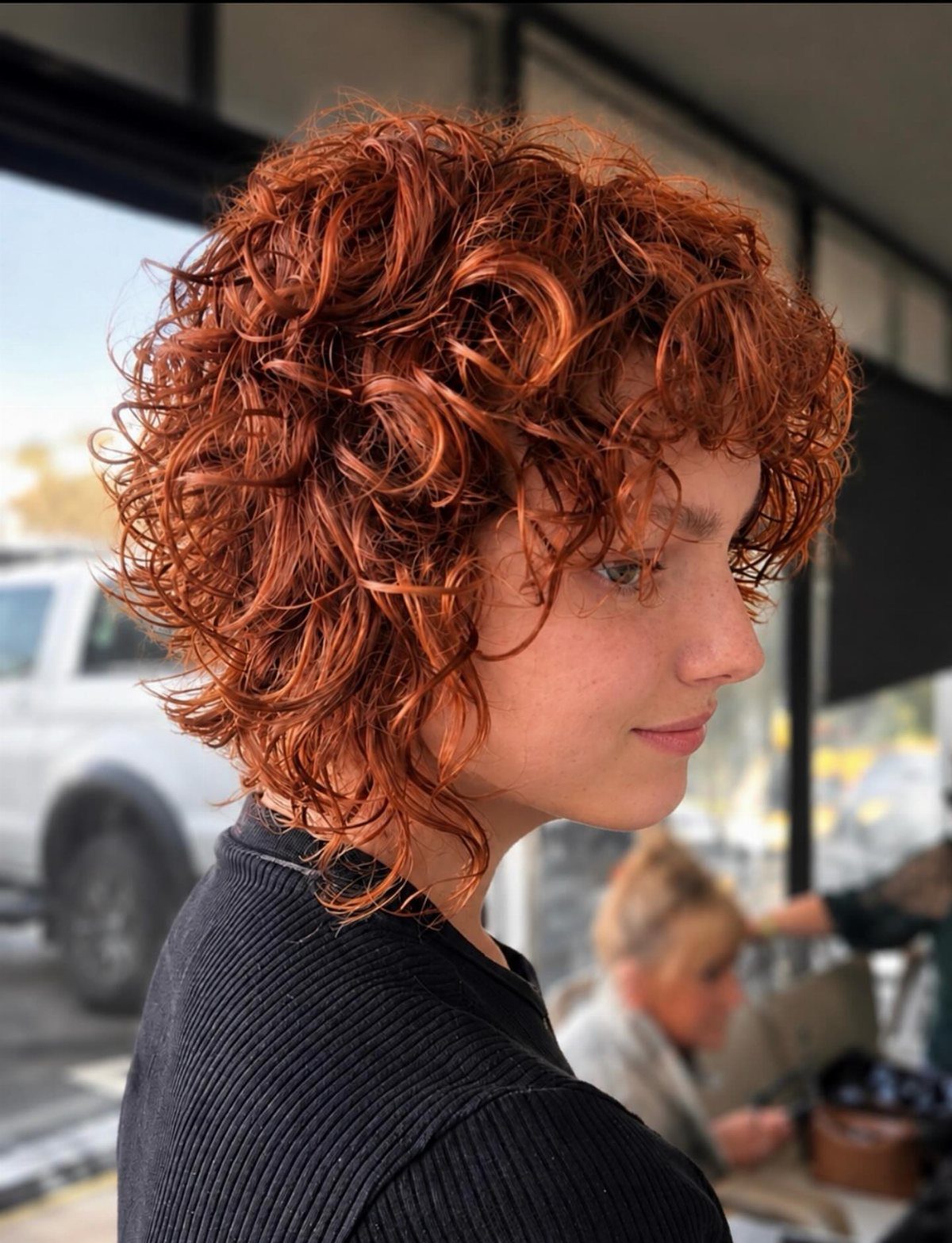
Short, choppy layers on top and a longer, wispy back: that’s the wolf cut, borrowing from both the shag and the mullet. Curls make the layers pop up on their own, so the shape looks lived-in without much effort.
Bring a clear reference to the appointment, since "wolf cut" means different things to different stylists. I’d ask for the layers to be cut curl by curl, not combed straight and snipped.
11. Face-framing Cheekbone Waves
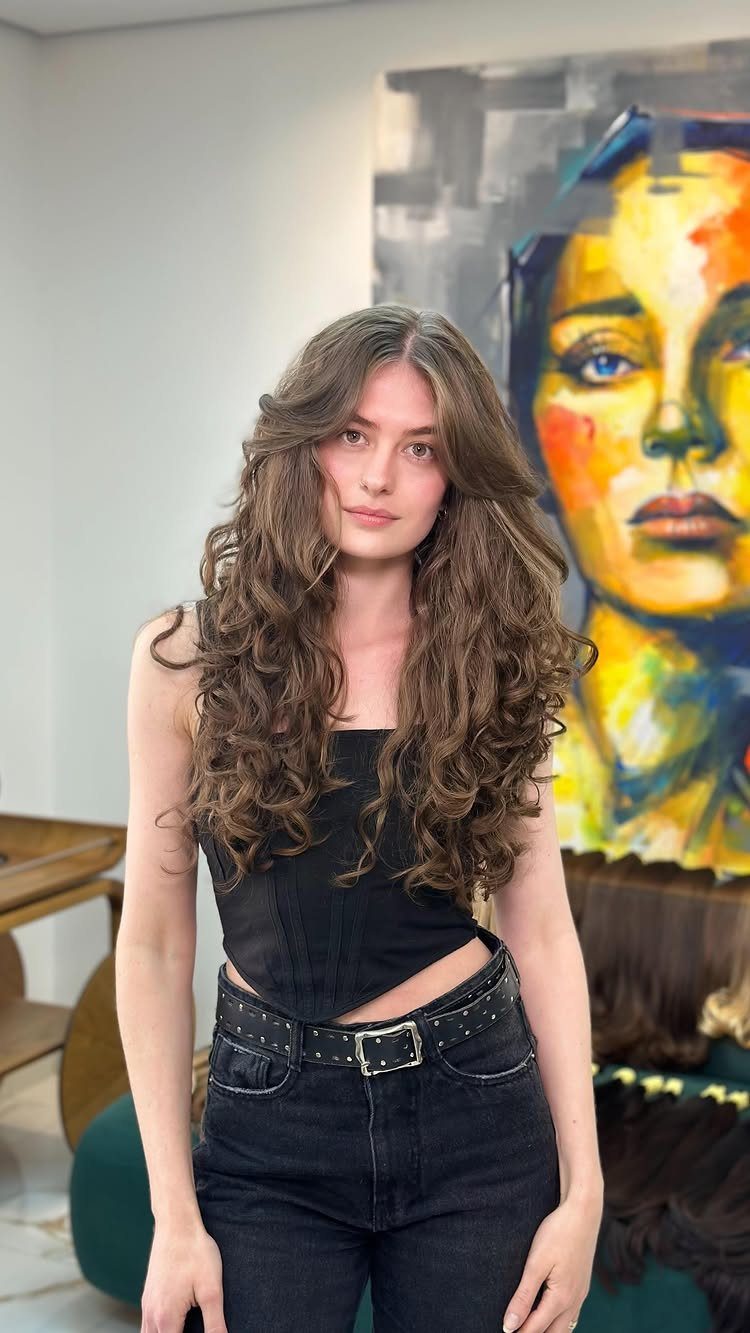
Soft layers that start around the cheekbones and end near the jaw give long waves a face-framing curve, without cutting into your length. The pieces up front bend inward, so they draw attention to the cheeks and jaw.
Ask for those shortest layers to be cut with the hair dry, since waves climb as they dry. I’d keep the back long and uncut; the contrast is what makes the front look intentional.
12. Rounded Shoulder-length Spiral Waves
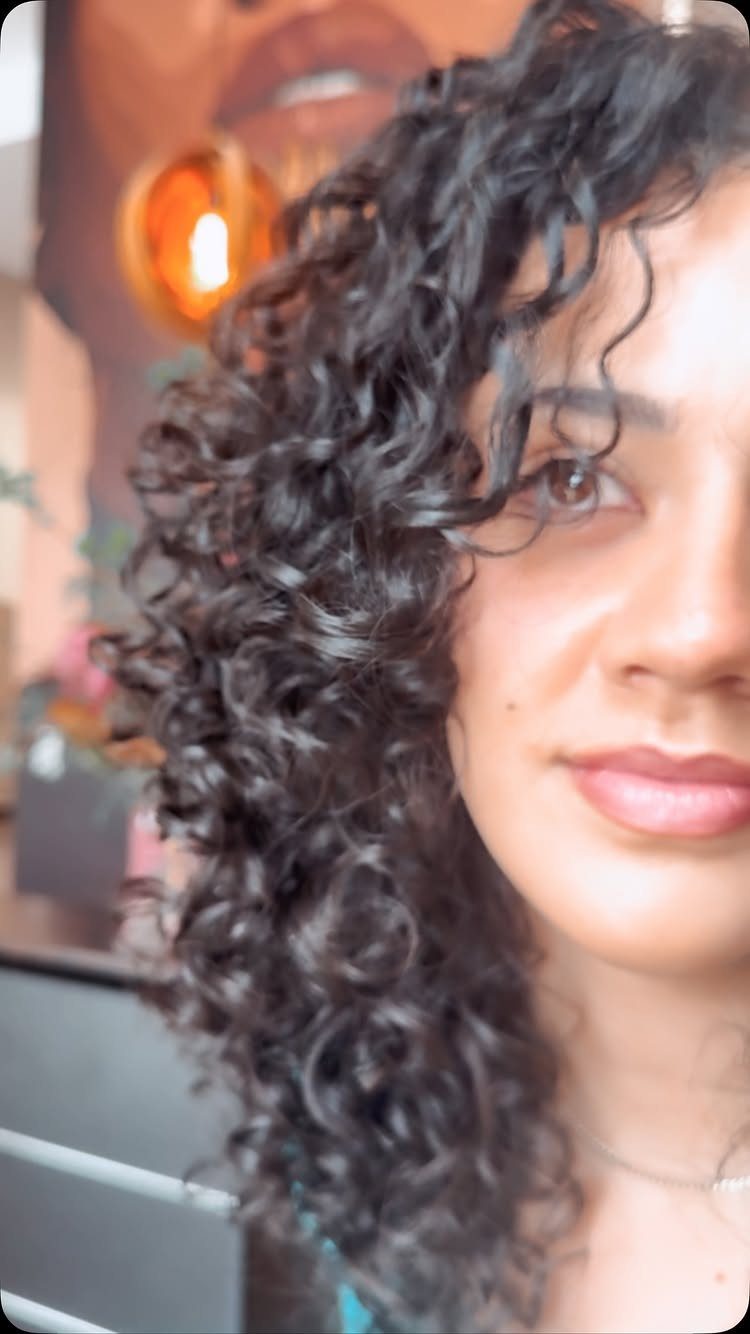
Rounded layers keep shoulder-length spirals from turning into a triangle. The cut works by trimming the ends into a soft curve, so each coil stacks neatly over the next.
Ask for the weight to be shaped around the face and the outline to be rounded, not squared off.
I like this length for spiral curls because it’s long enough to show the full corkscrew and short enough to dry without much shrinkage drama.
13. Curly Mullet
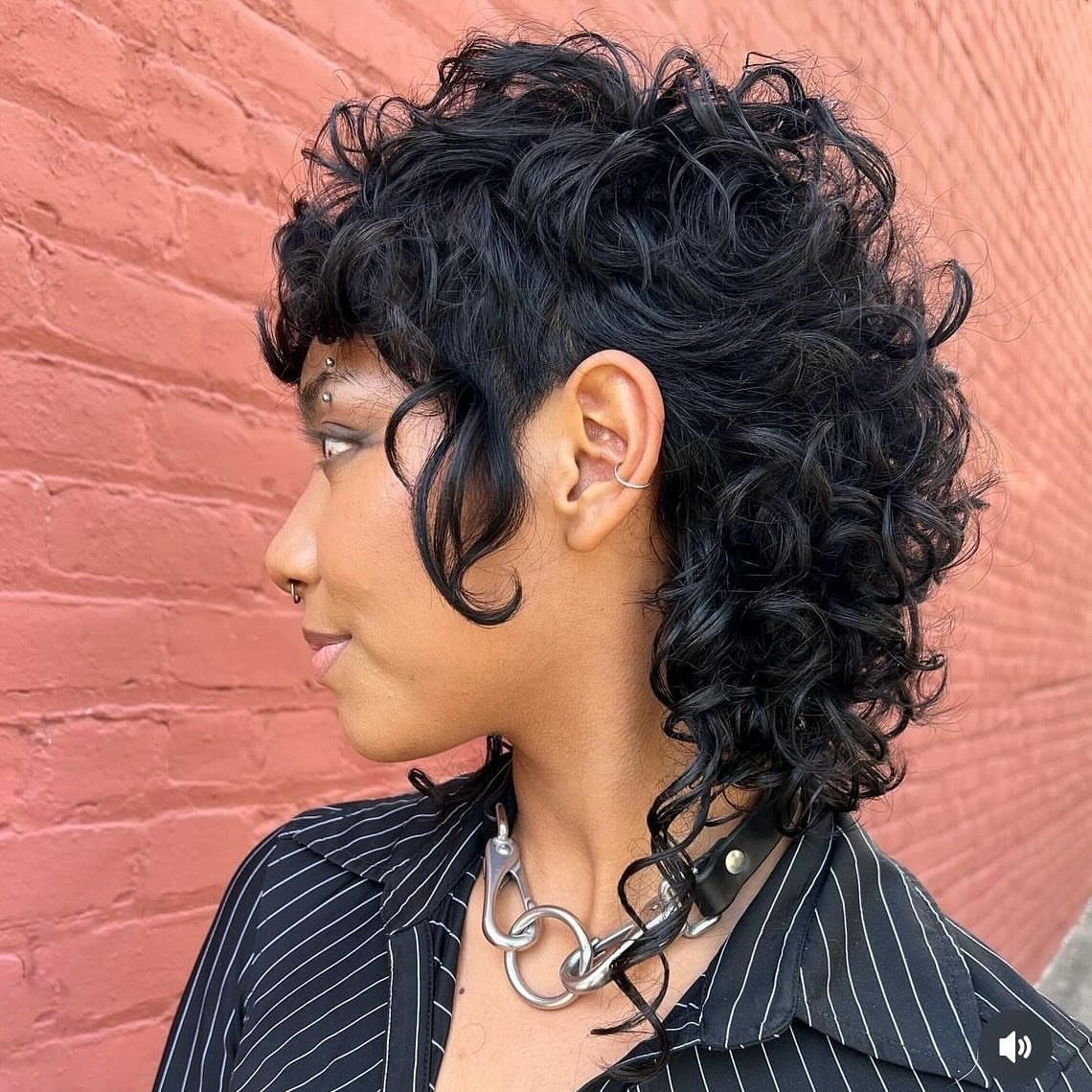
Short on top and long at the back: a mullet leaves the crown cropped while the length hangs behind, and curls give that contrast a rounder, more textured edge than straight hair would.
Bring a reference photo, since stylists draw the line between "short front" and "long back" in different places. I’d ask for the back to be cut dry so the curls set the final length.
Expect regular trims. The shape reads as deliberate only while the outline stays crisp.
14. Curly Buzz Cut
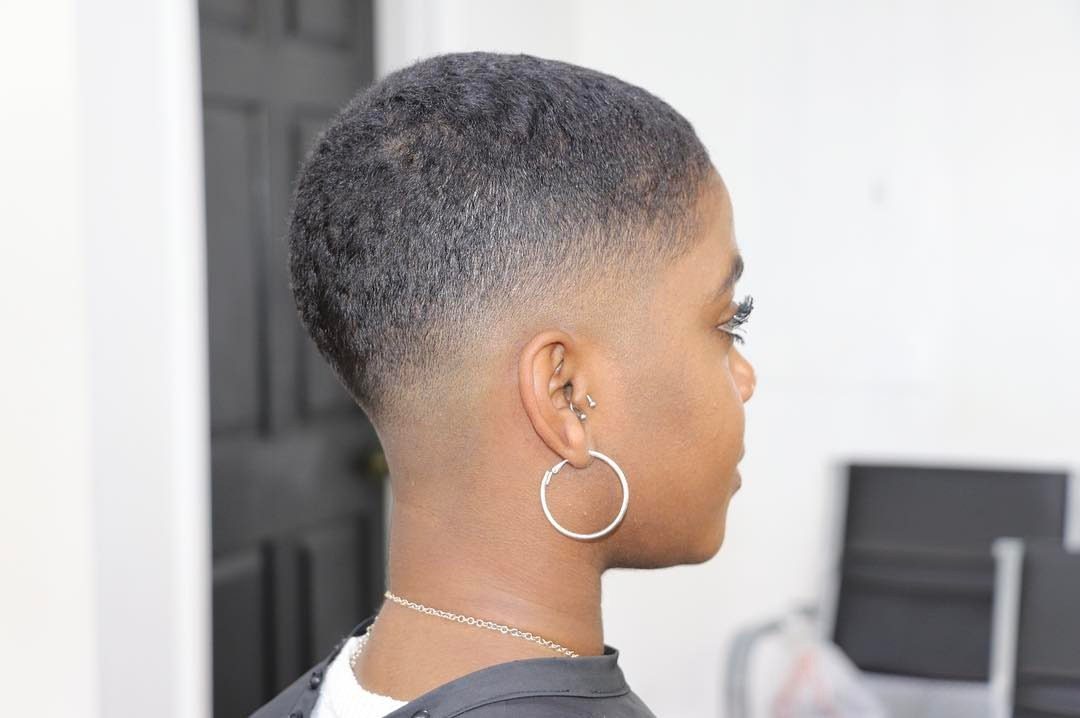
Few cuts ask less of a morning than a buzz. With the hair cropped this close, curls sit tight against the scalp and the shape of your head becomes the style.
Ask for a fade at the sides if you want a soft step in length rather than one flat level. I’d start with a longer guard than feels brave, because you can always cut shorter but you can’t add back.
The cost is upkeep: clean edges need a barber visit every few weeks.
15. TWA
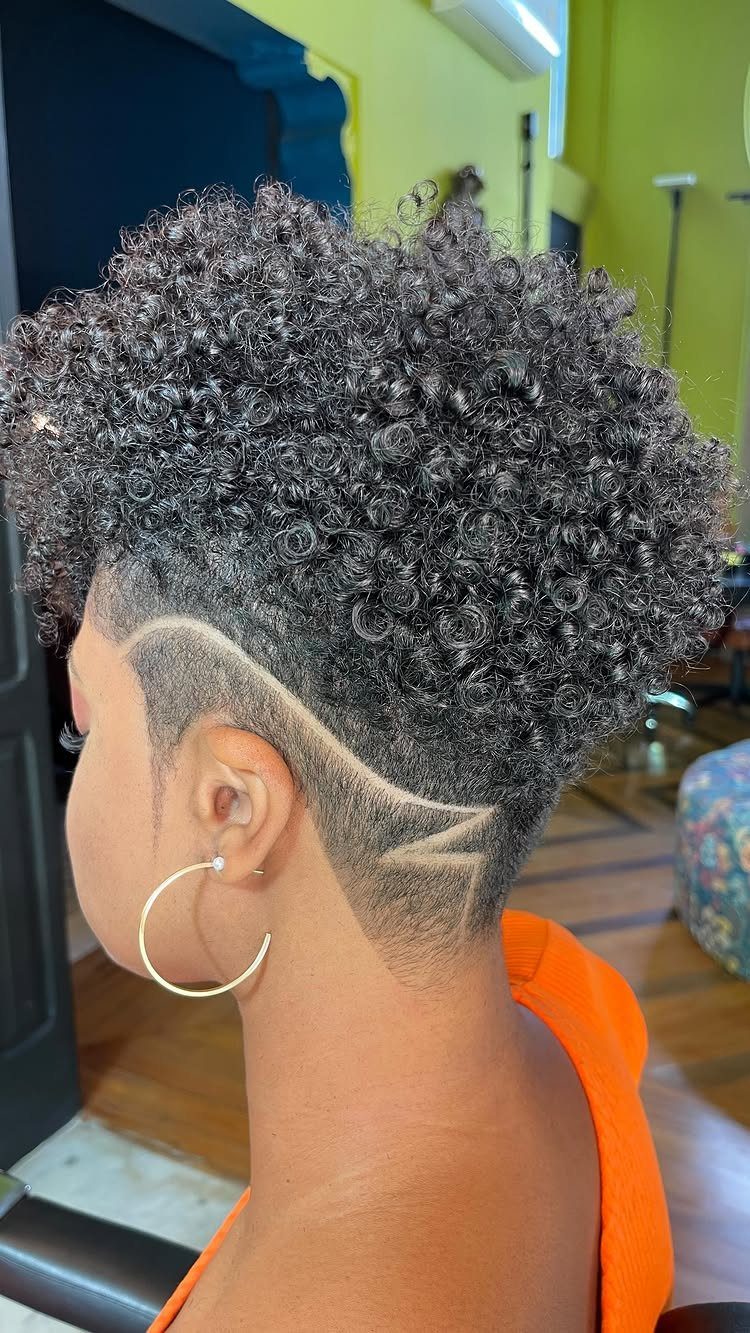
Cut to the scalp’s edge, a TWA lets each coil show as its own small spring. A TWA is the shortest natural-hair shape you can wear and still get a full, rounded Afro.
Ask the stylist to shape it evenly all around, working with the coils at their natural height rather than stretching them.
A shaved design at the side is an optional extra; it works best on a cut that is kept tidy.
I like this one for anyone ready to start over with their natural texture.
16. Curly Mohawk
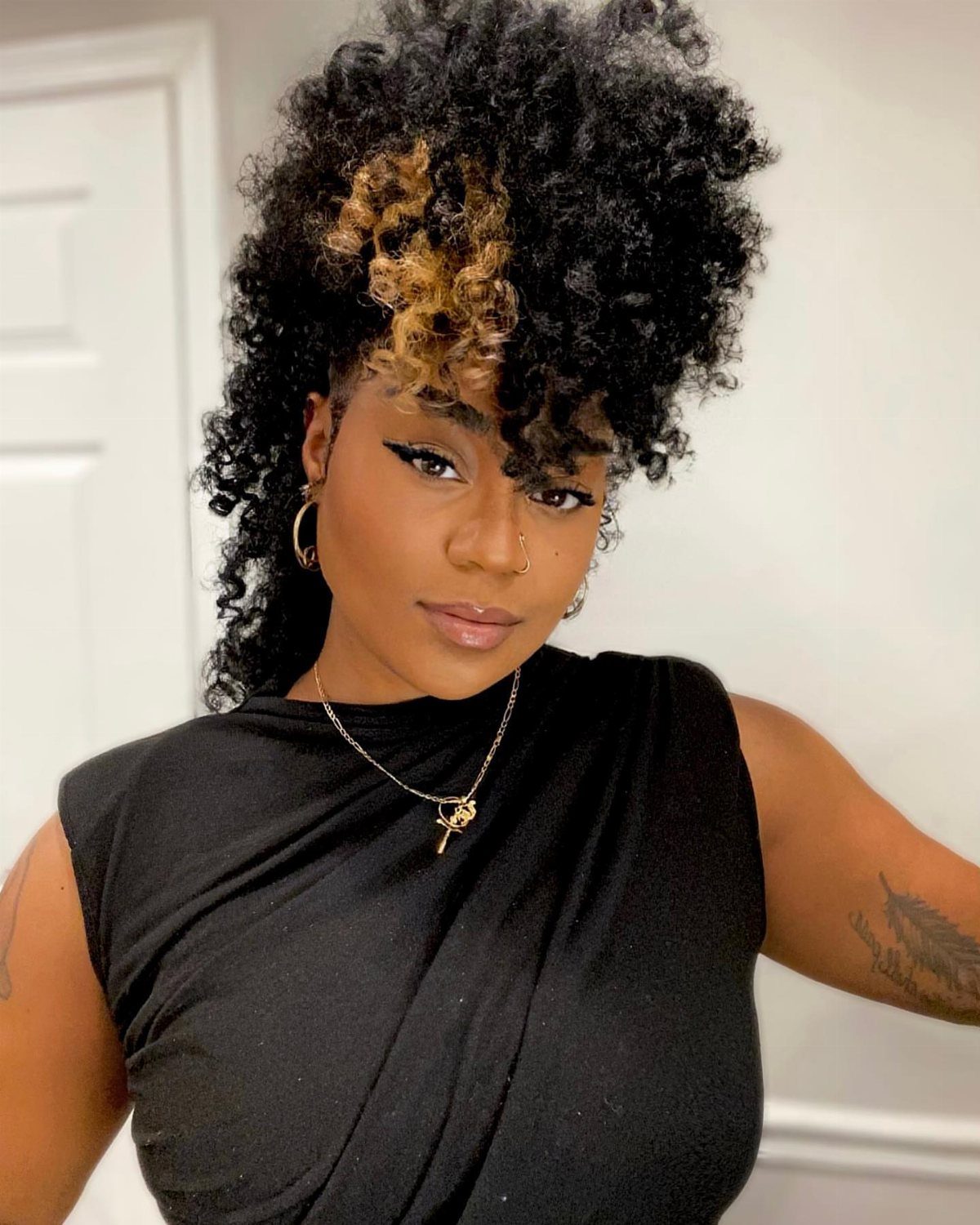
Volume stays only along the center, from the forehead to the nape, while the sides are cropped close. Curls make that strip look full without any teasing or product to hold it up.
Settle on how wide the strip should be before the appointment, because that width changes how the entire cut reads.
Color is a separate choice; blonde on the tips is one option if you want the curls to stand out more.
Match the Cut to Texture
Start with what your hair does on its own, with no heat and no product. S-shaped bends are waves, spirals and ringlets are curls, and small tight coils or a zigzag pattern are coily hair.
Curl pattern, density and shrinkage decide which lengths work.
Curl types 3A through 3C, from loose loops to tight ringlets, pull up as they dry and go frizzy when they lack moisture; layers and shoulder-grazing cuts with some built-in volume help each curl hold its shape.
Type 4 hair covers a wide range, with 4A coils soft and airy and 4C coils packed tight and springy. It shrinks the most and needs the most moisture, which is why tapered cuts, braids and twists suit it.
Choose the shape that works with your pattern, not against it. A cut that fights your texture costs you styling time every morning.
Choose a Curly-hair Stylist
Look at a stylist’s recent work before you book. Photos of clients whose hair matches yours, from loose waves to tight coils, tell you more than a general portfolio does.
Ask how they cut curls and what upkeep the shape will need. An experienced curly-hair stylist will have a clear answer on dry versus wet cutting, and on how often you’ll be back for a trim.
Show your stylist several reference photos rather than a single one, since a handful of images shows what you keep returning to. Then state the length and shape you want, and mention your curl pattern and face shape.
Be straight about your hair’s history, its condition and your daily routine. A stylist can only plan around what they’re told.
Dry-cut and Shrinkage Guidance
Density helps decide which method to request. Thick curly hair does well with a dry cut: the stylist sees how the curls sit and shapes them one at a time, which prevents over-cutting.
If your curls or coils are fine, a cut done on wet hair usually suits them better. If yours is fine, ask for that instead.
Curly hair looks shorter dry than it actually is, and coily hair is even more prone to shrinking. Ask the stylist to leave extra length to allow for it.
Frequently Asked Questions
Which type of haircut is suitable for curly hair?
A shoulder-length lob, long layers or a shag work for most curly hair, but your pattern decides. To narrow the choice, watch what your hair does air-dried, with no heat and nothing in it.
Loose bends and ringlets (types 3A through 3C) like layers and shoulder-grazing cuts, while tight coils shrink the most and suit tapered cuts, braids and twists.
What are some low-maintenance short haircuts for women over 50 with wavy hair?
Simple layers that follow your natural movement keep styling light, because wavy hair does much of the work on its own.
A bixie sits between a pixie and a bob, and the extra length on top gives short waves room to bend, which makes it an easy short cut to live with.
Ask the stylist to layer the top and leave the pieces uneven rather than blended smooth. It does need a trim once the outline starts to blur, or it grows out shapeless.
What are some good layered haircuts for long wavy hair with bangs?
Long layers through the mid-lengths and ends, with the shortest piece well below the chin, paired with curtain bangs or side-swept bangs. The layers take out weight so waves don’t puff up at the crown.
Waves spring up as they dry, so I’d have the bangs cut longer than looks right on wet hair. Side-swept bangs with long layers also soften round or square face shapes.
How do you ask your hairdresser for a curly hairstyle?
Bring several reference photos, then state the length and shape you want and mention your curl pattern and face shape.
A stylist can only plan around what they know, so mention past color or chemical treatments, how your hair feels now, and how much time you give it each morning.
Ask whether they cut dry or wet: thick curls do well with a dry cut, while fine curls usually suit a wet one. Either way, request a little extra length, since curly hair looks shorter once it dries.
How often should you get your curly hair cut?
Most curly hair does well with a trim every 8–12 weeks, which clears out damaged ends and holds the shape.
If you’re growing it out, the gap can stretch, but I’d still snip the ends so splits don’t creep up the strand.