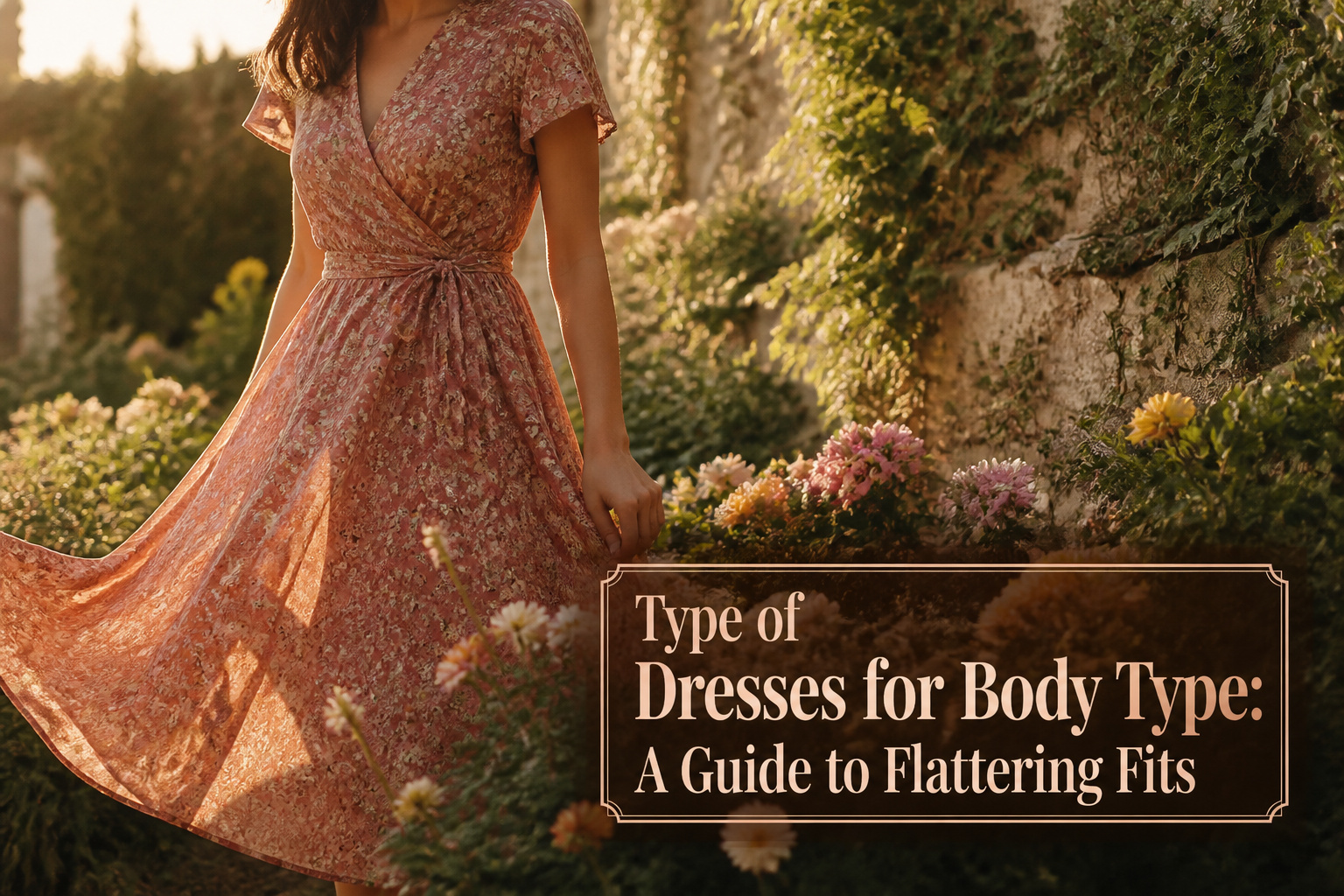
The right type of dresses for body type depends on which proportions you are actually working with, not which trend you are trying to follow.
An hourglass figure needs waist definition through wrap or belted cuts; a pear shape needs the flare of an A-line or the raised seam of an empire waist to redraw the silhouette.
The same dress that flatters one frame can flatten another entirely.
Hourglass
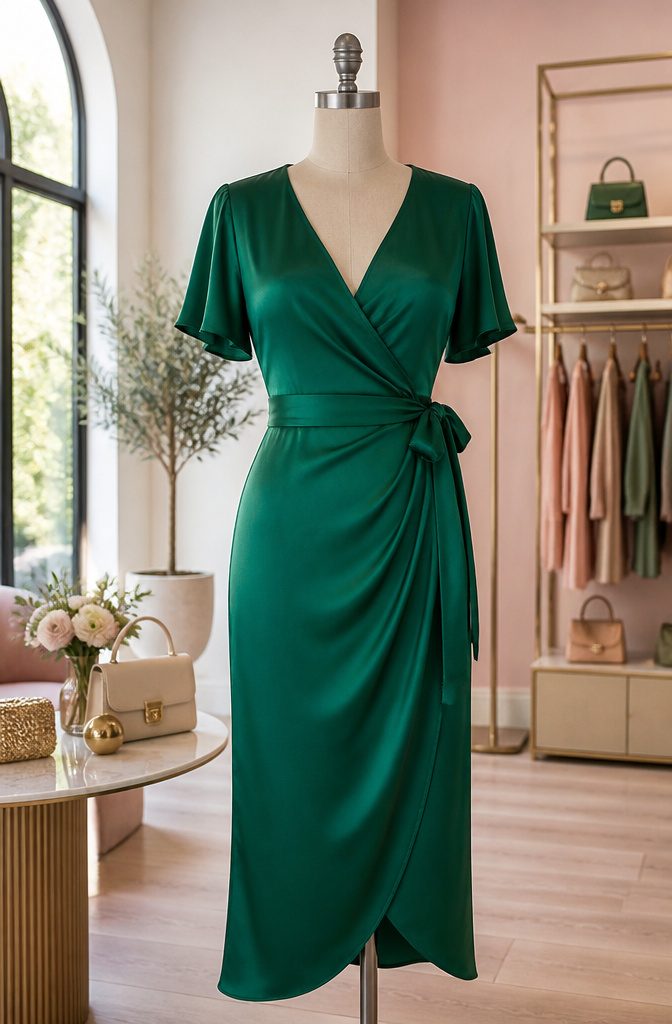
An hourglass figure means a defined waist with bust and hips roughly even, and the right dress style makes that waist the star.
Wrap dresses, sheath cuts, and anything belted pull focus to the middle instead of letting fabric hide it. Without that definition, even this balanced shape can read boxy.
Necklines matter too. Sweetheart and V-neck styles echo the natural curves up top while drawing the eye upward, and scoop necks keep the line classic without overwhelming.
Off-shoulder cuts work well here because they show balanced shoulders and décolletage in proportion to the hips below.
Some hourglass figures come with shorter legs or longer legs, fuller busts or hips and thighs that need extra room.
A-line or flared skirts handle that lower-half variation cleanly, and wrap styles adjust across both waist and hip in one piece.
The goal is always the same: waist definition creates the balance that makes this shape look as proportioned as it actually is.

Sizes: S=US 4-6, M=US 8-10, L=US 12-14, XL=US 16-18; This summer dress for women is skin friendly and unlined, ensuring no see through effect. Clothing may develop wrinkles during shipping; we recommend ironing it before wearing

【Fabric】 Soft,stretchy and comfortable fabric to touch and wear, skin-friendly, not see-though and lightweight. The Floral dress is 95% Polyester, 5% Spandex; The Solid dress is 95% Cotton, 5% Spandex.

LIGHTWEIGHT & SOFT - The overlapping wrap look at the top of this dress is complemented by a feminine side bow.Print may vary;95% Polyester, 5% Spandex. In order to provide you fresh summer day,this women’s dress use the polyester material, provide you cool & breathable wearing experience, keep you away from the summer hot temperature; although it’s lightweight, you can wear the beautiful dress comfortably without worrying about see through problem thanks to the high quality fabric
Pear
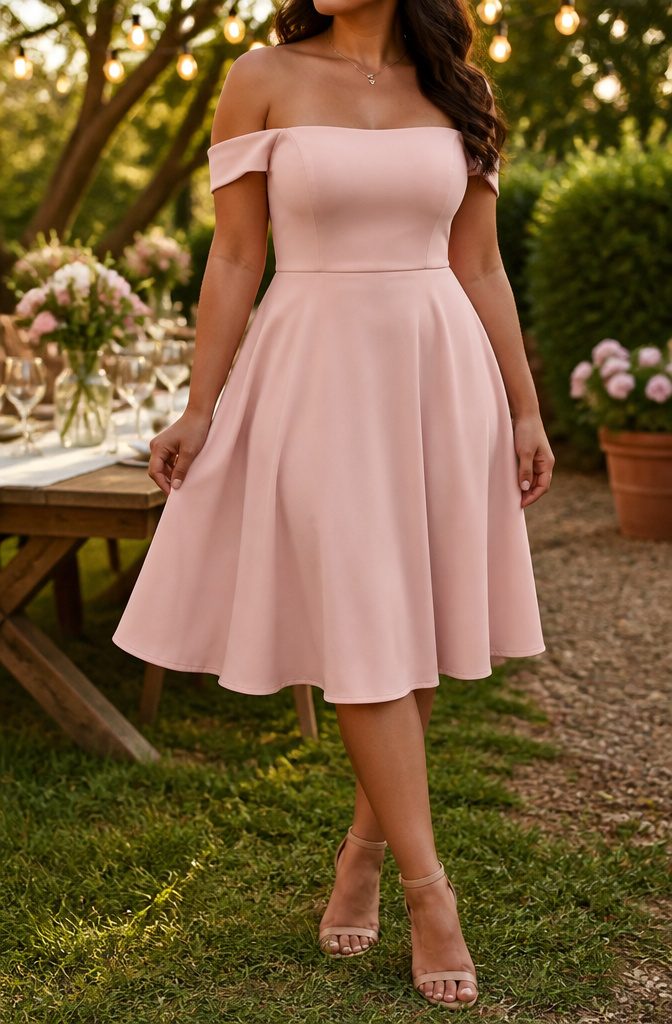
A pear shape means hips wider than shoulders with a defined waist, and the right dress type can redraw that line entirely.
A-line, ball gown, and empire waist are the three silhouettes that do this reliably. Each one handles the proportions differently, and the choice depends on where you want the eye to land.
An A-line dress fits through the bodice and flares from the waist, skimming the hips without clinging. The shape resembles its name, and the cut works because it follows your narrowest point then gives the lower body room.
Ball gowns push this further: the structured bodice with its fuller skirt creates deliberate imbalance in your favor, the volume below matching what nature put there so the overall effect reads as symmetrical rather than bottom-heavy.
Both styles move comfortably, which matters more than people admit when you are wearing something for hours.
Empire waist takes a different route. The seam sits high, just under the bust, and the fabric flows from there.
This draws attention upward and leaves the hip area entirely alone. It reads romantic, slightly bohemian, and works especially well for evening or outdoor events where you want that lighter feel.
The neckline matters on all three. A closed or high neck can make the lower half appear larger by contrast; open necklines, straps, or detail at the shoulder help balance what the skirt is doing below.
Look for structure and embellishment up top, then let the skirt do its job quietly.

CRAFTED FOR YOU: This dress enhances your natural curves, offering the perfect mix of seductive charm and refined elegance. Creates a stunning silhouette, making you feel confident, stylish, and irresistibly chic

Features - 3/4 Sleeves, Vintage Faux Wrap V Neck, Slim Fitting, Knee Length Pencil Dress, A Concealed Back Zipper, Back Slit Hem for easy walking. It comes with sexy bodice bust slim fit and the knee length pencil dresses cuts create gorgeous curves.

Design: Short sleeve, zipper on the left of the dress. sweetheart neck, knee length.
Inverted Triangle
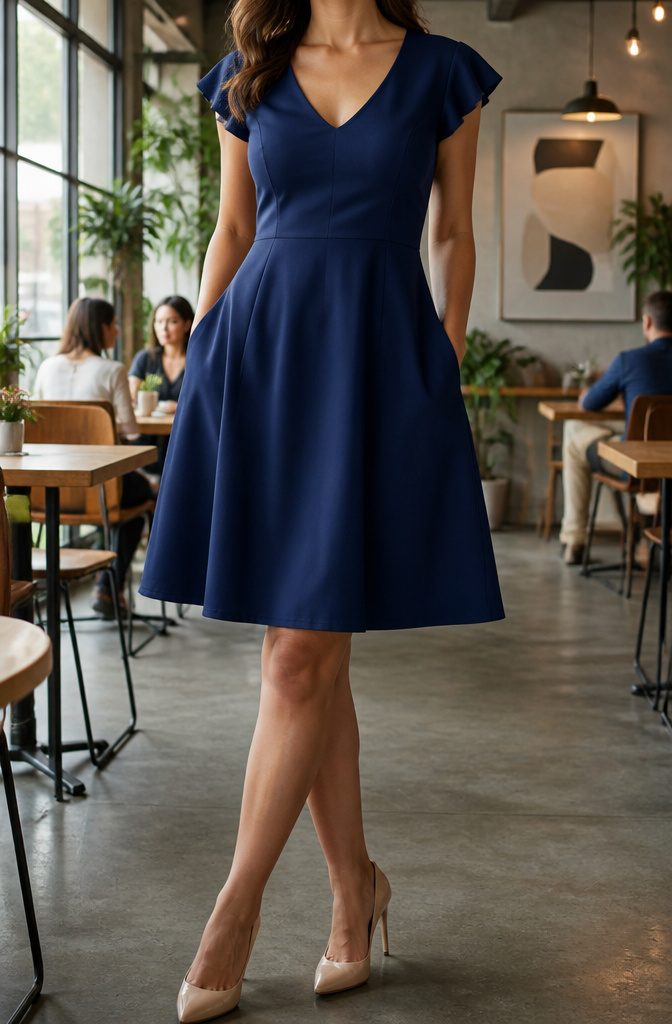
Broader shoulders than hips can feel like a frame that dictates everything else, but the right dress strategy reverses that relationship.
A-line and flared skirts add volume where the lower body runs narrow, balancing the silhouette without padding or structure up top. The goal is to draw the eye downward while softening the shoulder line itself.
V-neck and scoop necklines break up horizontal width across the chest. Simple sleeves or sleeveless cuts keep the top clean; halter necks, shoulder embellishments, and anything that reads as "strong shoulder" exaggerate what is already there.
Peplum and tiered details work too, though they sit at the waist rather than the hip and create a different kind of balance.
Waist definition matters on this frame, even when the waist is less pronounced.
A defined waistline or belted style creates a middle ground between the broader top and narrower bottom. Fabrics with some body below, wool or satin or anything that holds shape without clinging, help the skirt do its volume work.
The legs are often the strength here. Showing them off shifts attention downward naturally.
What I find convincing, reading the range of guidance, is that this shape responds less to hiding the shoulders than to simply not competing with them. Let the lower half carry the interest.

Comfortable Fabric: This off the shoulder dresses for women is crafted from soft, breathable fabric, ensuring a cool and comfortable feel even in the summer

Size Chart:XS (Bust-31.9",Waist-24.4",Cuff-11"); S (Bust-33.9", Waist-26",Cuff-11.8"); M (Bust-35.8", Waist-28",Cuff-13"); L (Bust-37.8", Waist-29.9",Cuff-13.4"); XL (Bust-39.8", Waist-31.9",Cuff-14.6"); 2XL (Bust-41.7", Waist-33.9",Cuff-15");3XL (Bust-43.7", Waist-36.2",Cuff-15.4")

Elegant Cocktail Dresses: This formal wedding guest dresses for women features spaghetti straps and a fit and flare silhouette that accentuates your curves. The midi length and ruffle neckline create a timeless glamour. The not see through fabric ensures decent thickness.
Rectangle
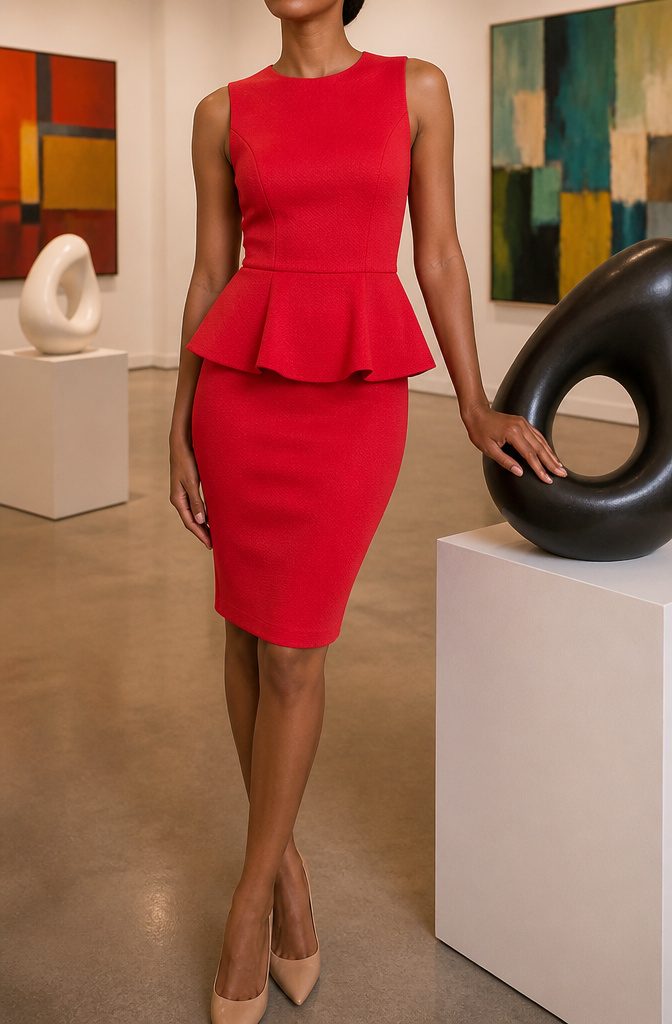
A rectangle body type shows roughly similar measurements across bust, waist, and hips with minimal waist definition. The goal is to create curves where the body runs straight, and the right dress does this through shaping rather than hiding.
Peplum dresses add volume right at the waist, building out the silhouette where it otherwise stays flat. Tiered skirts or ruffles work the same way, layering fabric to suggest hips that taper in and out.
Belting a dress or choosing a defined waistline pulls the eye to a constructed middle, breaking the straight line into something that reads as shaped.
What to skip matters as much as what to pick.
Straight-cut or shapeless styles keep the body reading as one long column. High necklines without any waist contour do the same, drawing a vertical line that misses the chance to build curves.
I look for necklines that open the upper body and waists that sit markedly narrower than the rest, even if that narrowness comes from a belt I add myself.

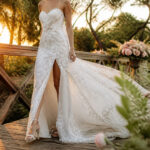
ELEGANT DESIGN: Stunning A-line wedding dress featuring a sweetheart neckline and beautifully detailed bodice with intricate embellishments

HEAD-TURNING V-NECK SEQUIN DESIGN - This stunning evening gown features a classic V-neckline and daring V-back, perfectly balanced by a flattering A-line silhouette. The sleeveless design and fitted bodice transition into an elegant floor-length long dress, creating a sophisticated look that celebrates your curves.

Size Tips: For plus size women with apple or pear shapes, the smocked waist provides flexible room through the waist, while the flowing A-line skirt offers comfortable space through the hips. Please check the size chart before ordering
Apple
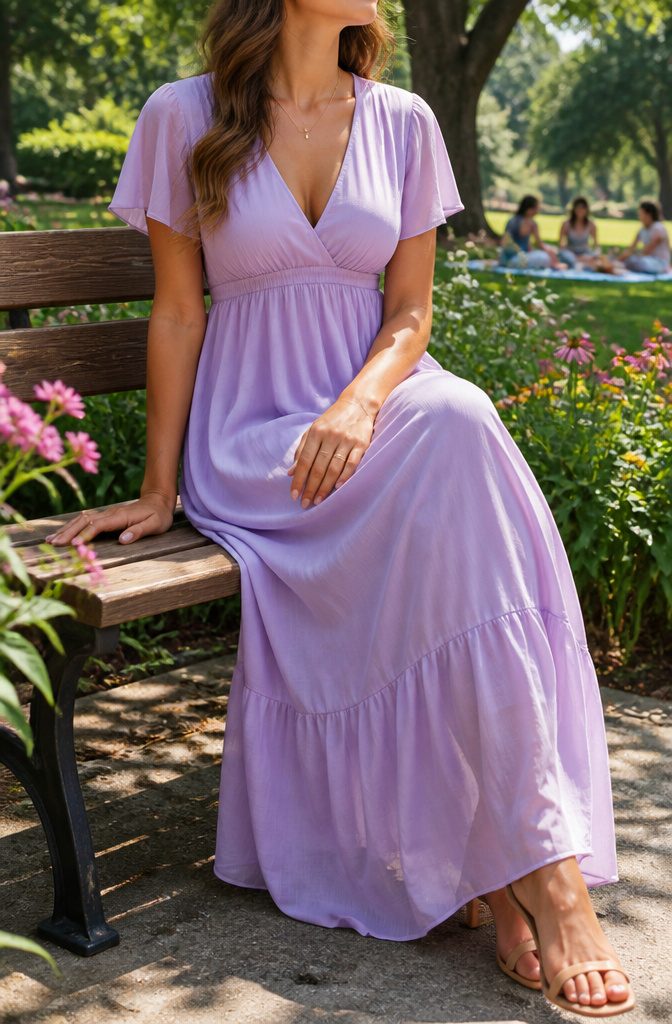
Weight carried around the midsection with slimmer legs underneath is the apple shape in plain terms.
Empire waist dresses sit the seam just under the bust, which raises the visual waistline and lets fabric float past the stomach rather than gripping it.
I have watched this cut pull attention upward repeatedly in fittings; the eye travels to the neckline and shoulders instead of settling at the middle.
A-line skirts flare gently from that higher point, balancing the broader torso against the narrower legs below. The proportion reads as intentional rather than concealed.
V-necklines and wrap styles add vertical lines that elongate the torso, a useful counter to the roundness of the midsection. Shift dresses work too, though they risk reading sack-like unless the fabric has enough drape to suggest shape underneath.
What to skip is straightforward: tight waistbands that hit at the natural waist only emphasize what sits above them, and high necklines broaden the upper body when the goal is to draw the eye downward through the center.
The better move is to let shoulders, neckline, and legs do the work of creating proportion.

Comfort Redefined: Made from high quality, breathable fabric, our maxi dress ensures all-day comfort. The soft material feels gentle against your skin, making it a pleasure to wear

【Material】: Soft Loose touchable, comfortable

Good for a Bridesmaid or Mother of The Bride Plus Dress: This slit plus dresses for women has simple elegant solid color V neckline Sleeve hugs your curves in all the right places and zipper on the back is hidden style the unique empire waist and a-line silhouette ensure a flattering fit, making it a classic choice for any special occasion.The dress's well-designed add dimension and are cut to the mid-thigh slit, revealing a flattering leg line when walking
Oval
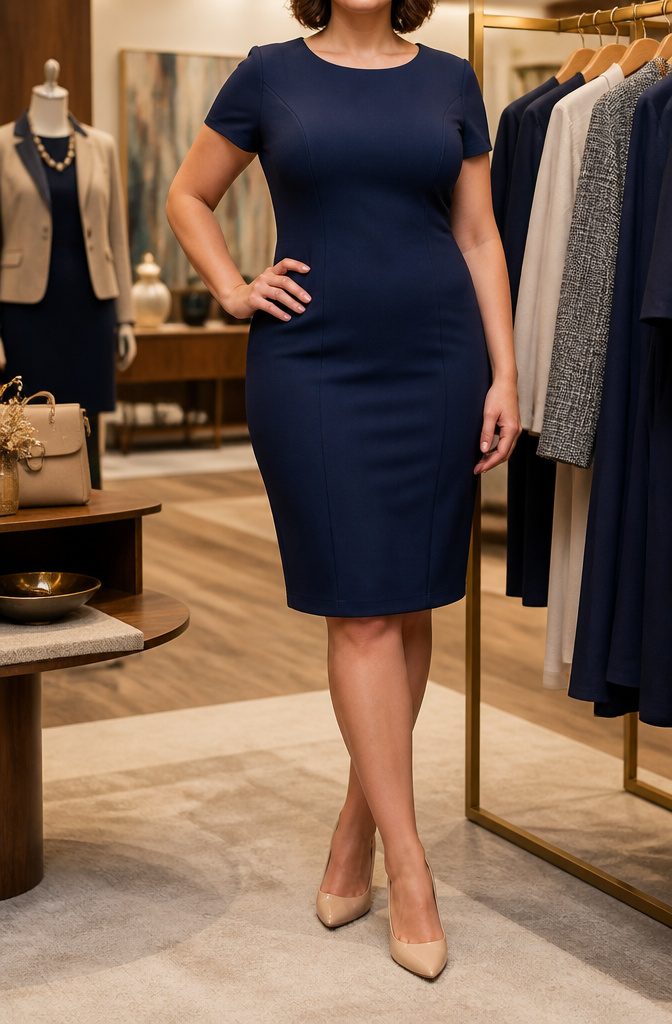
Rounded through the midsection with shoulders and hips about the same width, the oval shape carries its width in the torso rather than at the waistline.
Vertical seaming that runs straight down the front of a dress pulls the eye lengthwise and builds the structure the silhouette lacks naturally.
Princess seams work better than a simple gathered waist because they carve out shape rather than adding volume where it already exists.
Necklines matter more than most oval-shaped dressers expect. A V-neck or a notched scoop breaks up the horizontal line across the chest and draws attention upward.
High, closed necklines do the opposite; they flatten the figure into a single rounded mass. Three-quarter sleeves or a bare forearm help for the same reason, introducing a vertical interrupt that reads as length.
Hemline placement sits right at the knee or just below it. Anything that cuts across the widest part of the thigh shortens the leg line, and a maxi that pools at the ankle can swallow the frame entirely.
The sweet spot is a tailored knee-length dress in a medium-weight fabric with enough body to hold its shape, like crepe or a structured satin, rather than something that clings to the midsection and announces every curve.

★Model Info: Height-5’7” Feet, Bust-30” Inches, Waist-22.5” Inches, Hips-36” Inches, Wearing XS. Refer size chart and review to choose suitable size.

This Womens Elegant Cocktail Dresses Adopts Super Soft, Comfortable and Stretchy High Quality Material. Breathable, Lightweight but Not See Through. The Fall Bodycon Dress Will Hug Your Figure Perfectly and Create Your Sexy Bodyline.

This Womens Elegant Cocktail Dresses Adopts Super Soft, Comfortable and Stretchy High Quality Material. Breathable, Lightweight but Not See Through. The Fall Bodycon Dress Will Hug Your Figure Perfectly and Create Your Sexy Bodyline.
Triangle
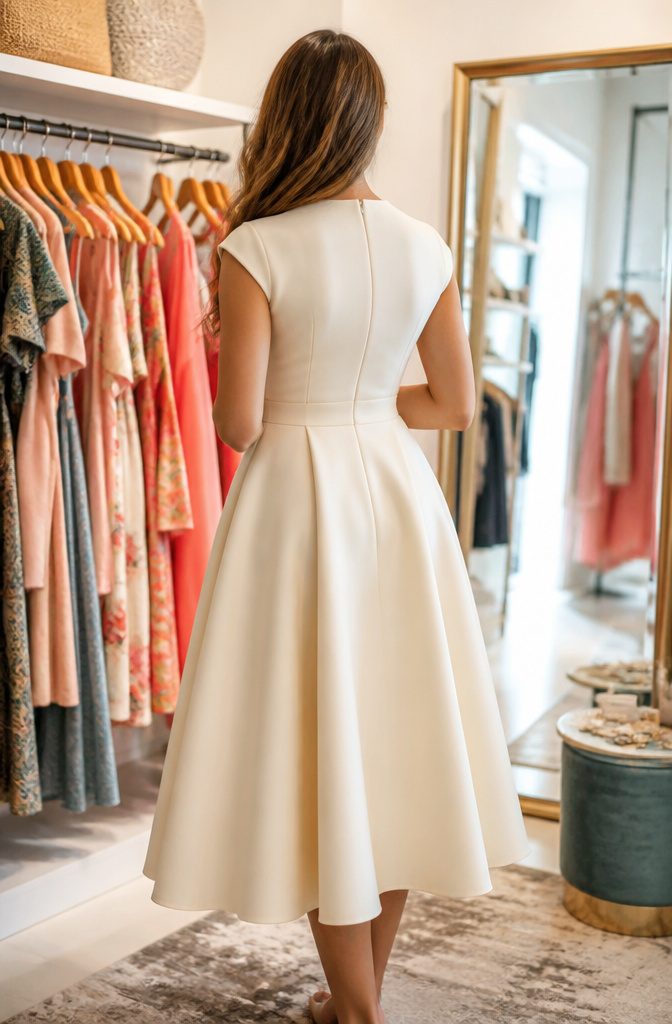
A triangle build carries more weight through the hips and thighs than the shoulders, which changes how a dress reads from every angle.
The usual advice for pear shapes leans on A-line skirts and dark bottoms, but that only solves half the problem for a true triangle.
What convinced me, reading through the fit notes that actually worked, was that the shoulder line needs active building, not just permission to exist.
A boatneck or structured cap sleeve does more good here than on a pear shape because the gap between shoulder and hip width is usually wider.
Ruching at the hips, so often recommended to "minimize," actually adds visual bulk on a triangle; a clean, uninterrupted skirt line from waist to hem reads leaner.
I used to think belted waists were universally flattering until I saw how a too-thick band can turn a triangle torso into two stacked blocks.
Color placement reverses the old rule.
A lighter or more detailed top with a darker, simpler skirt balances the silhouette more effectively than the reverse. The exception is vertical seaming or princess lines running head to toe, which lengthen without adding volume at either end.
Fabric matters too: a skirt with too much body, like heavy taffeta, fights against you where a softer drape would fall straight.

SIZE TIPS: XS=US(0-2), S=US(4-6), M=US(8-10), L=US(12-14), XL=US(16-18), please refer to our sizetable for a better fit.

Retro Vintage Style,V Neck,Gorgeous Sleeveless Sleeves,Peplum/Ruffle Waist Design,Back Split,Knee Length Bodycon Sheath Pencil Dress,Finished off with a hidden zipper at the back.
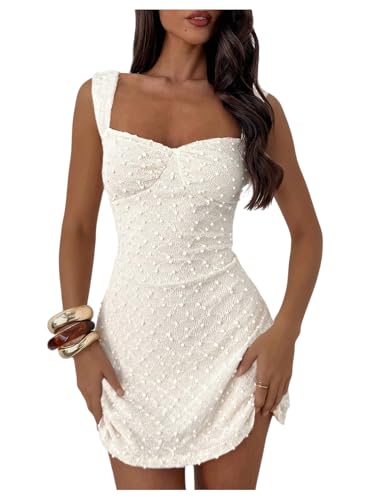
Material: Fabric has slight stretch, very comfortable to touch and wear
How to Measure Your Body
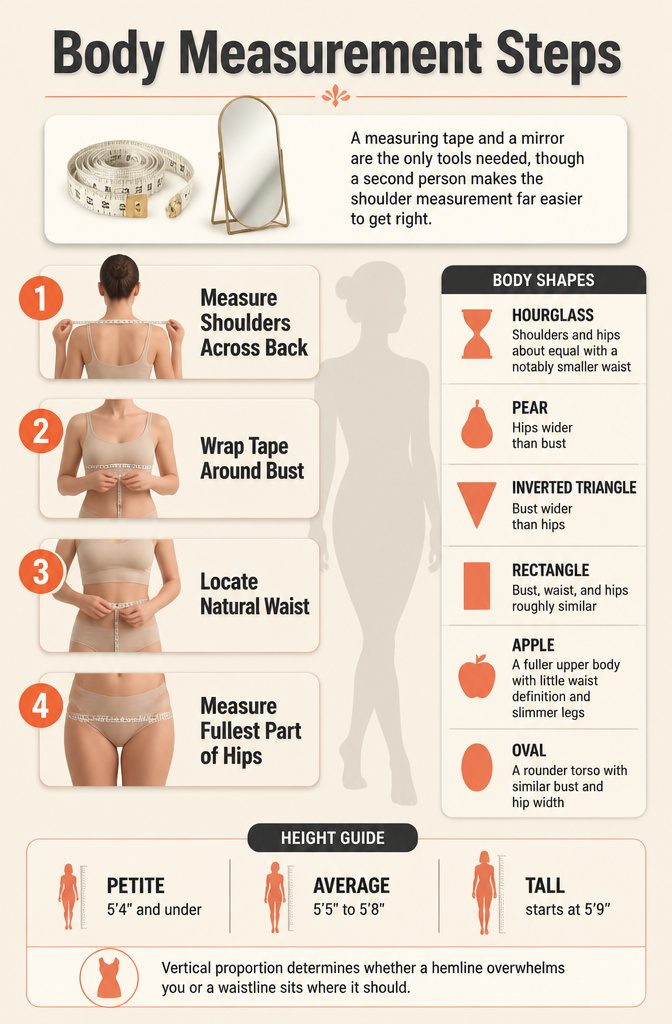
A measuring tape and a mirror are the only tools needed, though a second person makes the shoulder measurement far easier to get right.
- Shoulders: Measure straight across your back from one shoulder point to the other. This is the trickiest line to keep level on your own.
- Bust: Wrap the tape around the fullest part of your chest, keeping it parallel to the floor without pulling tight.
- Waist: Find your natural waist, the narrowest point of your midsection, and measure there.
- Hips: Measure around the fullest part of your hips and bottom.
Once you have these four numbers, compare them.
Shoulders and hips about equal with a notably smaller waist reads hourglass. Hips wider than bust reads pear.
Bust wider than hips reads inverted triangle. Bust, waist, and hips roughly similar reads rectangle.
A fuller upper body with little waist definition and slimmer legs reads apple. A rounder torso with similar bust and hip width reads oval.
Height shapes how these proportions play out in actual dresses.
Petite means 5’4" and under, average runs 5’5" to 5’8", and tall starts at 5’9". Vertical proportion determines whether a hemline overwhelms you or a waistline sits where it should.

Fall is here, and it’s time to embrace the crisp air and the chance to layer up in style. This slit formal dress is a real gem—simple yet full of charm, perfect for adding a touch of romance to your autumn look and making you feel confident and beautiful. Come on over and discover the magic of one-shoulder dresses for yourself!

Size:S=US(4-6), M=US(8-10), L=US(12-14), XL=(16-18).This beach dress is designed with stretchy elastic at the top and a flowy, roomy skirt below. Please check the size chart before ordering, and browsing customer photos to see how it looks when worn.

Material:65% COTTON+35% POLYESTER
Necklines and Sleeves by Shape
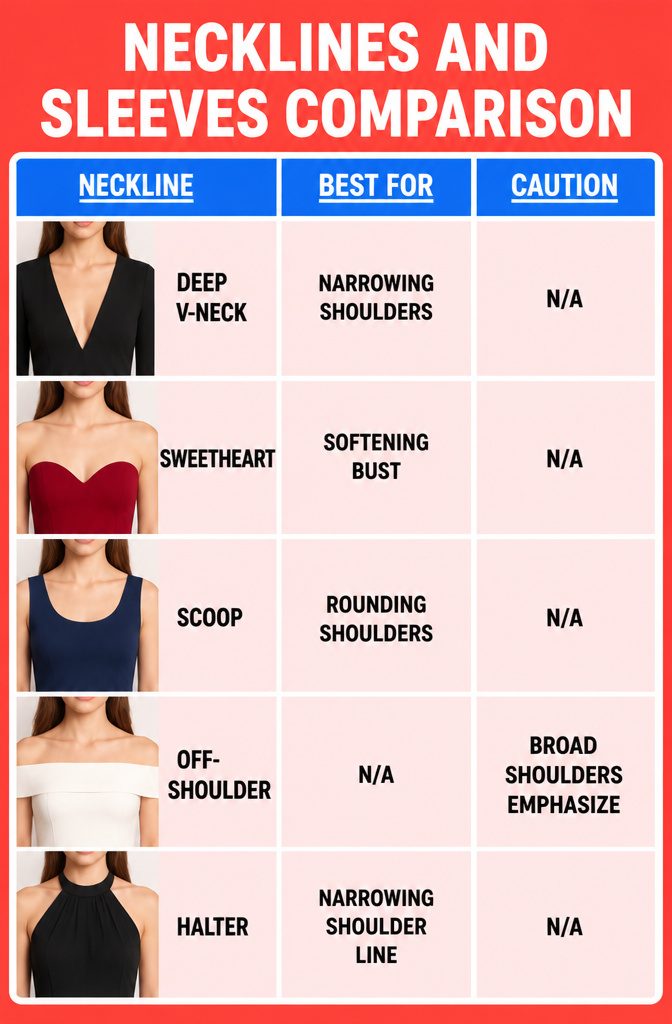
Necklines do more of the heavy lifting than most people notice.
A deep V-neck draws a vertical line that narrows the shoulders visually, which is why it keeps showing up as the fix for broader upper bodies, while a sweetheart neckline softens the bustline and pulls the eye inward.
Off-shoulder styles sit in trickier territory: they emphasize shoulder width, so they tend to work against inverted triangle shapes rather than for them.
Sleeves follow the same logic of adding or removing volume.
Cap sleeves and puff sleeves widen the shoulder line; three-quarter or long sleeves with clean lines elongate the arms without the bulk. Thin straps share that same clean elongation when they pair with a V or scoop neckline.
| Neckline | Best for | Caution |
|---|---|---|
| Deep V-neck | Narrowing shoulders, vertical line | n/a |
| Sweetheart | Softening bust, drawing eye inward | n/a |
| Scoop | Rounding shoulders gently | n/a |
| Off-shoulder | n/a | Emphasizes broad shoulders |
| Halter | Narrowing shoulder line | n/a |
The combination matters as much as the single choice.
A scoop neck with cap sleeves undoes its own rounding effect by adding width back at the shoulder. A deep V with thin straps keeps the whole upper body in one long vertical.

Floor length plus sized long sleeved dresses and gowns for women; full figure maxi's for the curvy lady; womans versatile floor length Crimson Dark Red dresses with full sleeves; ladies oversize dress; slimming evening gowns; flattering frocks

1. Material: Women halter long flowy dress is made of 100% Polyester, the white dress will be slightly translucent, stretch, smooth, soft, breathable.

Size Attention: Please choose your size based on our size guide to ensure accurate measurements and a perfect fit before ordering. For best results, we recommend measuring your bust, waist, and hips, and selecting the size that matches your measurement
Dress Shapes and What They Do
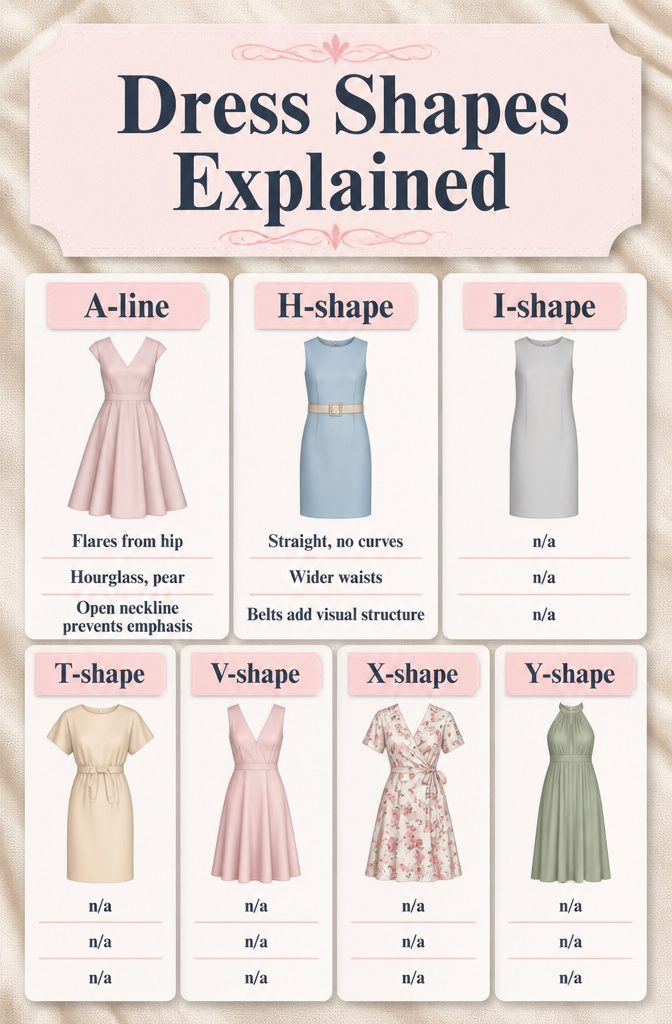
Dress shapes are named for the silhouette they create, not the body they assume. An A-line flares from the hip and works for hourglass and pear builds if the neckline stays open; a closed one will exaggerate the lower half.
The H-shape runs straight with no waist suppression, which helps those with wider waists by creating the illusion of curves, often aided by asymmetric details or a belt to draw the eye upward.
The remaining shapes follow the same letter-to-proportion logic, though the sources focus on these two in depth. What is clear: the shape you choose should correct or enhance your actual proportions, not mimic a runway ideal.
| Shape | What It Does | Best For | Proportion Note |
|---|---|---|---|
| A-line | Flares from hip to hem | Hourglass, pear | Open neckline prevents lower-half emphasis |
| H-shape | Straight, no curves | Wider waists | Belts and asymmetry add visual structure |
| I-shape | n/a | n/a | n/a |
| T-shape | n/a | n/a | n/a |
| V-shape | n/a | n/a | n/a |
| X-shape | n/a | n/a | n/a |
| Y-shape | n/a | n/a | n/a |

【Material】 This womens dresses is made of soft, stretchy and lightweight material, comfortable to touch and wear. The Floral Print is vibrant but random. The floral print on each dress may be different, but they are definitely made of same pattern fabric

FLATTERING SMOCKED BODICE:Designed specifically for curvy figures,this plus size dress features a stretchy smocked bodice that hugs your curves in all the right places while providing maximum comfort.The square neckline highlights your collarbone,offering a sexy yet elegant look suitable for any bust size.

Tips: S=US 4-6, M=US 8-10, L=US 12-14, XL=US 16-18, XXL=US 20-22. COMFY FABRIC: This Midi Dress Is Made Of Soft Polyester Fabric, Lightweight And Comfy To Wear, Not See Through. The Fabric Has Non Stretch. A Perfect Sundress In This Summer
Fabric and Proportion
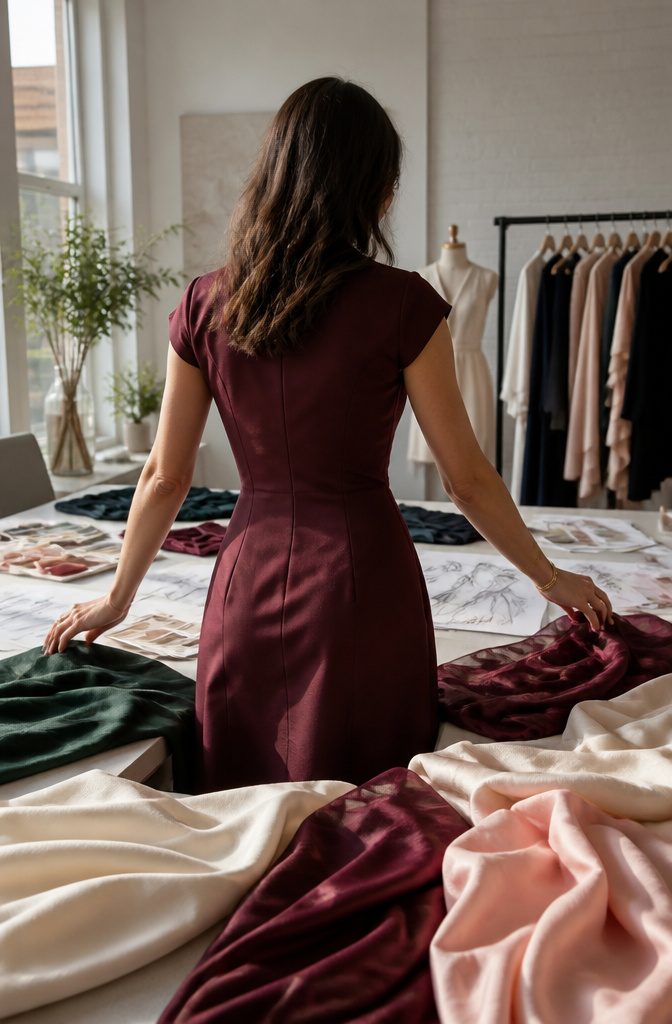
The fabric does the actual work once the cut is chosen.
A gauzy material on an A-line dress softens the line and makes the piece feel more feminine, but the same lightness on a narrow bodice can leave an hourglass figure looking undefined.
Structure matters more there: mikado or duchess satin holds the shape against the body, while a silk charmeuse with enough weight to it will drape the curve rather than cling.
Proportion is where most mistakes happen. A pear shape in a fit-and-flare needs the flare to start high enough that the eye reads balance, not just volume below.
For a V-shaped or apple frame, the goal reverses: bring attention downward with texture or horizontal detail at the hip, and keep the neckline simpler so the silhouette stays vertical. The seaming should follow your natural lines, not fight them.
I used to assume stretch meant comfort and comfort meant better. Recovery matters more than give; a fabric that bags at the knee or waist by noon has undone the proportion you paid for.
Ruching at the waist works only when the material has enough body to hold the gather. Without that structure, the detail collapses into a rumple that adds width instead of shaping it.
Styling Tips That Work Across Types
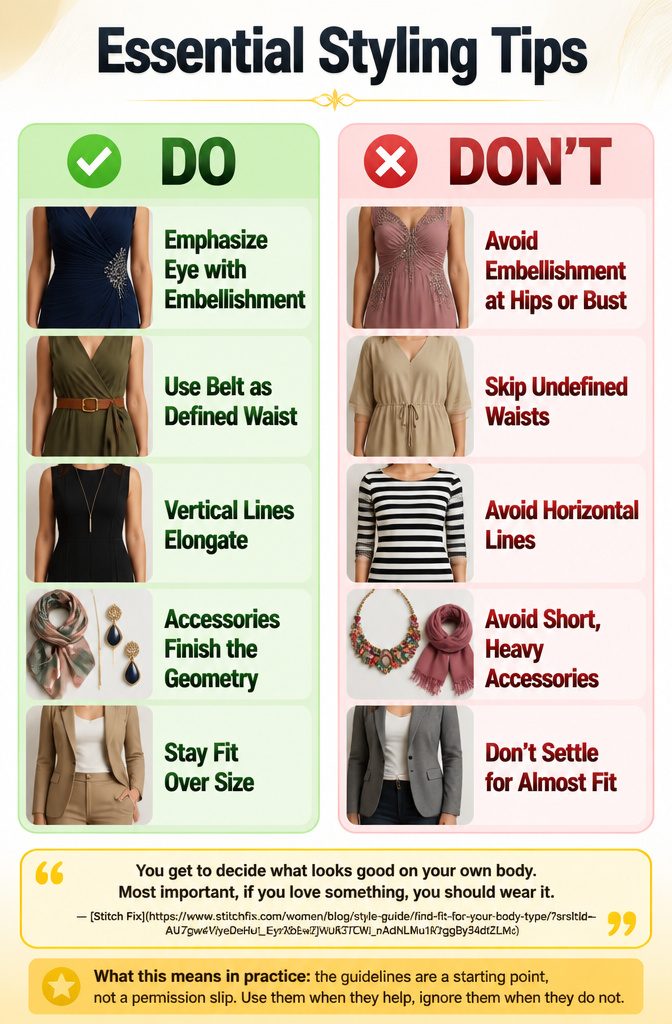
The right styling moves work no matter which body type label you picked up from the last section. These are the ones that show up across every source and actually hold up in practice.
- Place embellishment where you want the eye to land. Ruching, beading, or a bold print at the waist draws attention inward. The same detail at the hips or bust shifts focus outward. I use this to rebalance an outfit without changing the dress itself.
- A belt or defined waistband does the heavy lifting. Wrap dresses, sheath cuts with seaming, and belted styles get recommended for curvy figures because they emphasize the waist, but the mechanism works on any frame. The principle is proportion, not size.
- Vertical lines elongate; horizontal lines widen. This is old advice, but the application matters more than the rule. A center seam, a long pendant necklace, or a column of buttons creates the same effect as a stripe without the literal stripe.
- Accessories finish the geometry. A long scarf or pendant draws the eye downward. Statement earrings pull attention up to the face. I think of it as directing traffic, not decorating.
- Fit over size every time. Clothes that fit the body you have today read as intentional; clothes that almost fit read as mistakes. The sources agree on this point more than any other.
You get to decide what looks good on your own body. Most important, if you love something, you should wear it.
What this means in practice: the guidelines are a starting point, not a permission slip. Use them when they help, ignore them when they do not.
Frequently Asked Questions
What type of dress is best for a curvy body?
Wrap, sheath, and belted styles typically flatter curvy figures because they pull focus to the waist rather than letting fabric hide it.
A defined waistline creates the balance that makes curves look as proportioned as they actually are. Sweetheart and V-neck necklines echo natural curves up top while drawing the eye upward.
How do I identify my body type?
Measure your shoulders, bust, waist, and hips, then compare the numbers.
Shoulders and hips about equal with a notably smaller waist reads hourglass; hips wider than bust reads pear; bust wider than hips reads inverted triangle; bust, waist, and hips roughly similar reads rectangle.
A fuller upper body with little waist definition and slimmer legs reads apple, while a rounder torso with similar bust and hip width reads oval.
What dresses flatter each body type?
Hourglass shapes do best with wrap dresses, sheath cuts, and belted styles that spotlight the waist.
Pear shapes suit A-line, ball gown, and empire waist silhouettes that skim or balance the hips. Inverted triangle frames need A-line and flared skirts to add lower-body volume.
Rectangle builds gain curves from peplum, tiered, or belted dresses. Apple and oval shapes both benefit from empire waists and vertical lines that draw attention upward and elongate the torso.