Most women wear seamless underwear under dresses, though the exact layer depends on how thin or fitted the fabric is.
A nude shade matched to your skin tone disappears under white linen where white underwear would show through, and laser-cut edges keep elastic bands from catching the dress.
For anything body-skimming, that single layer is usually enough; slip shorts or a half slip add smoothing only when the dress itself is thin enough to need it.
1. Seamless Underwear
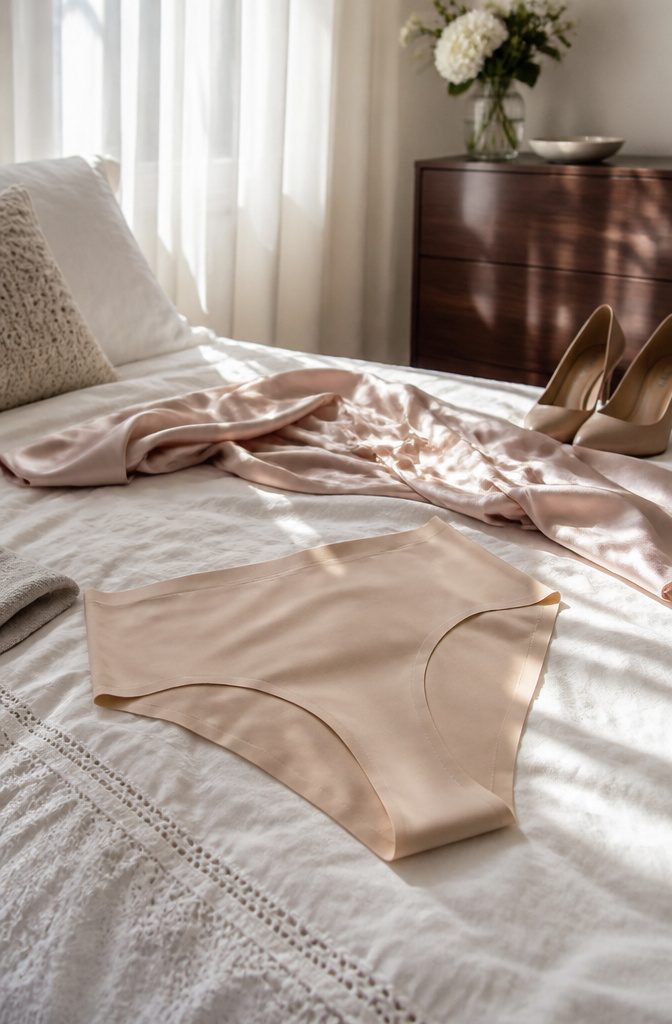
Laser-cut edges on seamless underwear sit flat against skin, so the fabric of a dress skims over instead of catching on elastic bands or stitched hems.
That is the most-backed fix across the guides I read: six of them lead with this style for avoiding visible panty lines under fitted dresses. The material itself matters too.
A nude shade matched close to your own skin tone disappears under white or pale fabrics where white underwear would show through, and the lighter-weight construction keeps the whole layer from feeling like a decision you have to think about again once it is on.
Breathable blends such as nylon-spandex or modal handle heat better than cotton, which holds moisture through a long day.
For most dresses, this single layer is enough. A slip short or half slip adds smoothing only if the dress fabric is thin enough to need it.

Seamless Tummy Control Shapewear Panties - Experience effortless shaping with OEAK Smoothing Shapewear Panties, designed with advanced zoned compression technology for targeted support. High-Waisted Shaping Panties engineered with scientific compression to target belly fat, sculpt a flawless waistline and lift your butt. Features 3D contour lifting design to enhance your curves.
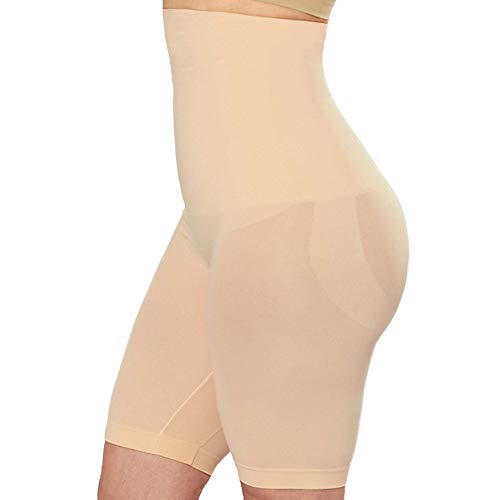
3XL: 26 | Waist: 50.5-53 in, Hips: 58.5-61 in

Light Tummy Control Boyshorts - The high-stretch material of this tummy control boyshort underwear for women provide the ultimate comfort and moderate compression, can slightly flatten your tummy and hold your stomach in, give you a smoother curve and make you more confident.
2. Shapewear
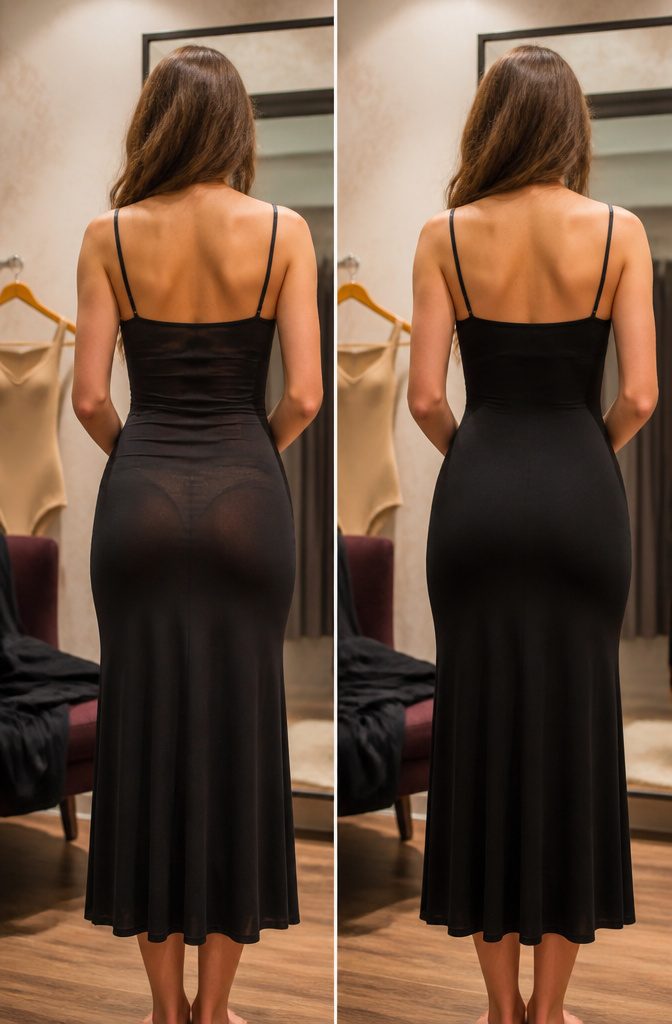
Smoothing fabric under a fitted dress is where shapewear earns its keep, though it is never required for every outfit.
Compression fabric creates a smoother silhouette while adding support for the back and bust, which matters more in a cocktail or formal cut than in something relaxed.
The SPANXshape Invisible Mid-Thigh Short runs $52 and sits practically invisible under most garments, with extra sculpting around the midsection that works well for midi and maxi lengths.
For a lower price point, the Maidenform Cover Your Bases Thigh Slimmer handles the same smoothing without the premium tag. Shapewear is a personal choice, not a mandate; plenty of dresses look and feel right with just seamless underwear underneath.
What sways the decision is usually the dress itself: a body-skimming fabric shows every line, while a drapier cut forgives what a fitted one does not.
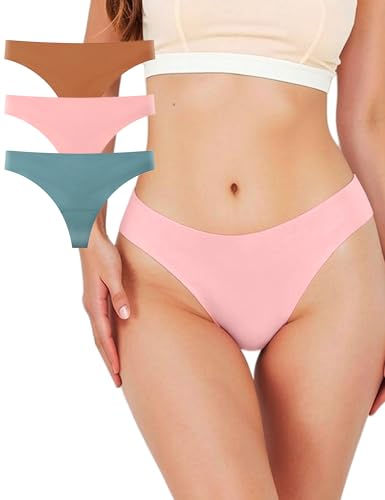
Fits Every Curve – No More Riding Up: Designed for all hip shapes. 4-way stretch seamless hugs curves—no ride-up, no curl. Stays put during squats or stretches. Premium g-string & no-show thongs for women in one pack. Cotton thongs for women comfort, redefined

(Seamless Collection): Every intimates collection needs the perfect blend of practicality and style, which is exactly where the Seamless Bikini from ANZERMIX comes in. This breathable and lightweight natural fabric is skin friendly and soft, lends a light and airy feel for all-day wear, fit that moves with you

【Built-in Anti-Camel Toe Pad】Lined with a soft built-in pad as a camel toe concealer, this camel toe proof underwear effectively hides frontal wedgies giving you confidence and peace of mind at the gym or yoga class.
3. Slip Shorts

Lightweight shorts that sit between underwear and outerwear solve two summer problems at once: thigh chafing and the sudden exposure a gust of wind can turn into an incident.
The fabric matters more than the length. Organic cotton breathes and absorbs moisture where synthetic blends trap heat against the skin, but some synthetic knits stay put better through a day of sitting, standing, and walking.
The pair to beat on price is the Jockey Skimmies at $14.
They are not shapewear, which matters on ninety-degree days when compression feels like punishment. What they do is create a smooth barrier from mid-thigh to mid-thigh so skin never rubs skin.
For anyone whose summer dress code includes walking more than a block at a time, that barrier turns a day of errands or office commuting into something survivable without the thigh rescue balms that need reapplying every few hours.
The catch is finding the right rise. Too low and the waistband slides; too high and it shows through a fitted waist seam.
Most dress fabrics thin enough to need a slip layer are also thin enough to reveal a bulky seam, so the Skimmies’ flat edges work in their favor.

SHAPEWEAR SHORTS:These women's shaperwear panties are made of 90% polyamide, 10% elastane. Giving you a more skin-friendly wearing experience.

Tummy Control Shapewear Shorts: Powered by flexible, built-in four steel bones in waistband Technology for added waist, core, and thigh support, this shapewear is engineered for 360-degree sculpting to deliver that cinched, hourglass shape. Comfortable compression targets the tummy, thighs, waist, back and hips, lifts your behind for a perky rear view. Provides our strongest compression for a maximum sculpting effect. Smoothing lumps and bumps and holds you in but not uncomfortable
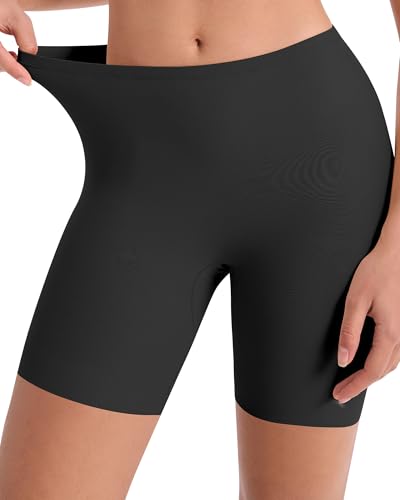
【Soft & Smooth Fabric】85% Polyamide + 15% Elastane delivers lightweight, skin-friendly softness with 4-way stretch and moisture-wicking. Hugs your body without tightness for cozy all-day lounge, sleep and yoga.
4. Half Slips
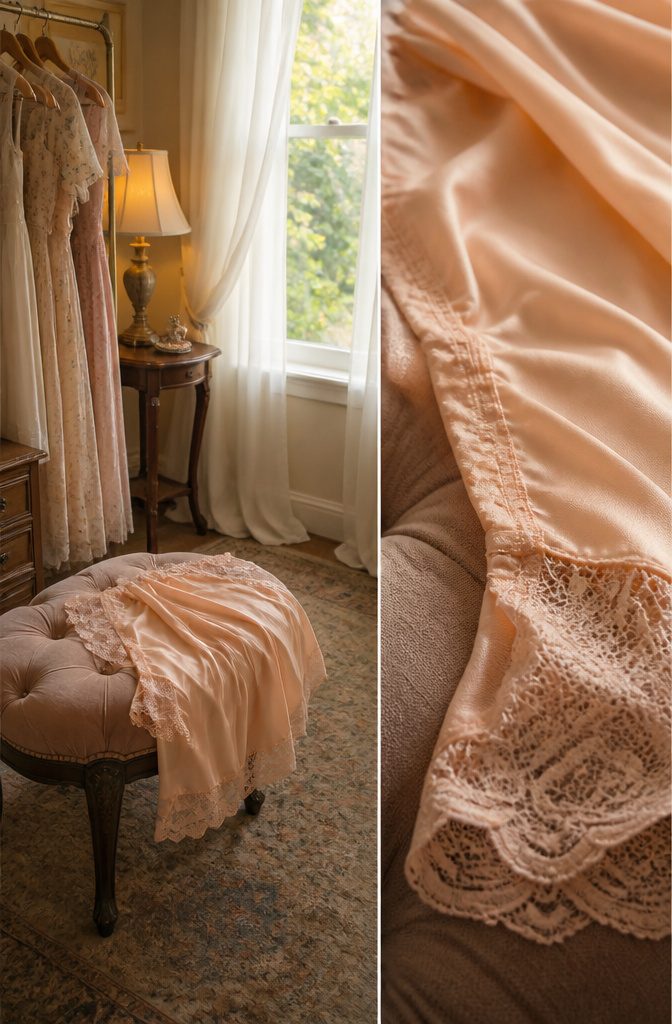
A half slip sits at the waist and ends somewhere between mid-thigh and knee, which is exactly where most dresses need help.
The extra layer blocks light through white linen or thin cotton without adding the squeeze of shapewear, and it lets the dress skim over hips instead of catching on underwear seams.
Color matters more than most people expect. Peach works for pale skin, mocha for darker tones, and the closer that shade sits to your actual skin, the less likely it is to announce itself under sheer fabric.
I learned that the hard way with a "nude" slip that read distinctly orange against my legs. The same slip buys you a little insurance on gusty days.
A dress that would otherwise ride up or flatten against you has something to slide against, which keeps the silhouette calmer and the walk across a parking lot less of a negotiation.
Modern versions are lighter and stretchier than the ones I remember from my mother’s drawer, so the comfort gap between wearing one and skipping it has narrowed considerably.
HIGH-WAISTED TUMMY CONTROL: These shapewear tummy control shorts deliver comfortable everyday shaping from the waist through the lower tummy, creating a smoother, sculpted silhouette without feeling overly restrictive.

【Slimming Mid-Waist Tummy Control】Experience expert tummy control with our mid-waist shapewear shorts! The V-shaped textured design and double-layer fabric provide focused tummy control, while 4 flexible inner bones offer balanced support that stays in place. A curved abdominal panel helps flatten and shape your core, achieving that sleek, S-shaped silhouette effortlessly—perfect as everyday tummy control shapewear.

Sculpting Shorts for Everyday Wear: Consider sizing up since this SPANX smoothing shapewear fits slightly small; these lightweight shorts are perfect for everyday wear or special occasions
5. Full Slips
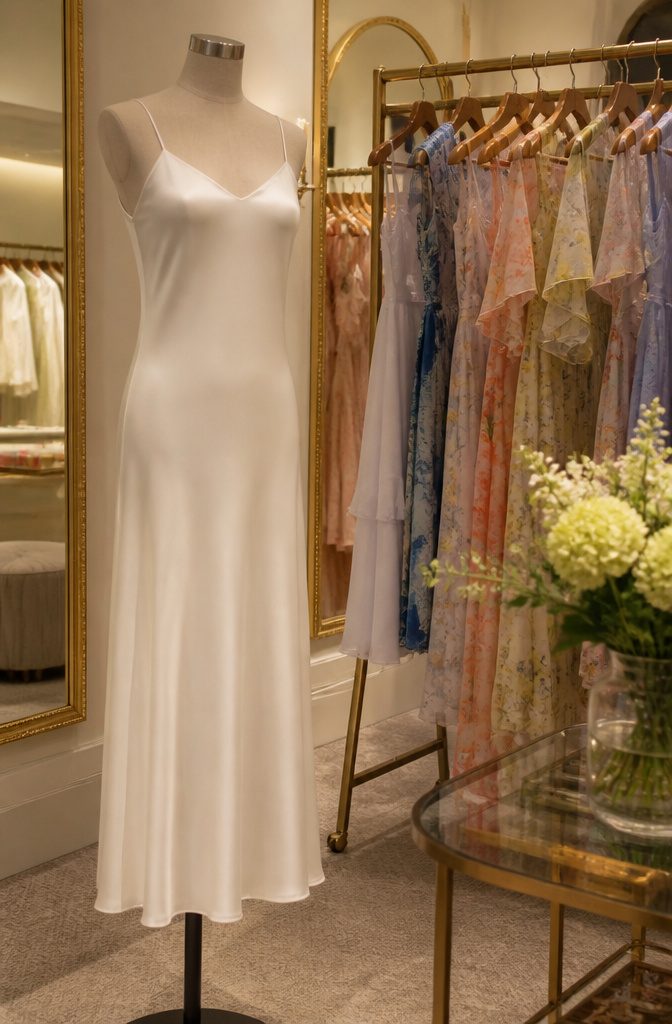
A full slip covers both the upper and lower body, which makes it the cleaner choice when a dress is thin enough to show bra lines or when the neckline and hem both need smoothing.
I still reach for one under a white summer dress that turns sheer against daylight; a half slip would leave the top half unresolved.
The modern ones are lighter and stretchier than the nylon slips I remember from childhood. They add coverage without the compression of shapewear, so the dress drapes rather than grips.
For a wedding guest outfit or any event where I want smoothing from shoulder to hem without giving up my own bra, a shaping slip holds everything in just the right amount and keeps the fabric gliding instead of catching.
A full slip wins over a half slip when the dress itself is the problem on both halves, not just the skirt.
If only the lower half clings, the half slip is enough. For static, transparency, or a clingy bodice, the full version solves it in one layer.
They are not outdated, though they look different now. Breathable fabrics and better stretch mean you can wear one without the overheating that used to make slips feel like a chore.

ELEGANT VERSATILITY: This slip skirt features an above-the-knee, mid thigh length cut, 19-inch side seam, and a scalloped hem detail

【Soft and Stretchy】Made of Nylon and Spandex fabric, the half slips for women is stretchy, silky comfort and feels comfy against to your skin

Short slip featuring wide scallop-edge lace waistband
6. Bodysuits
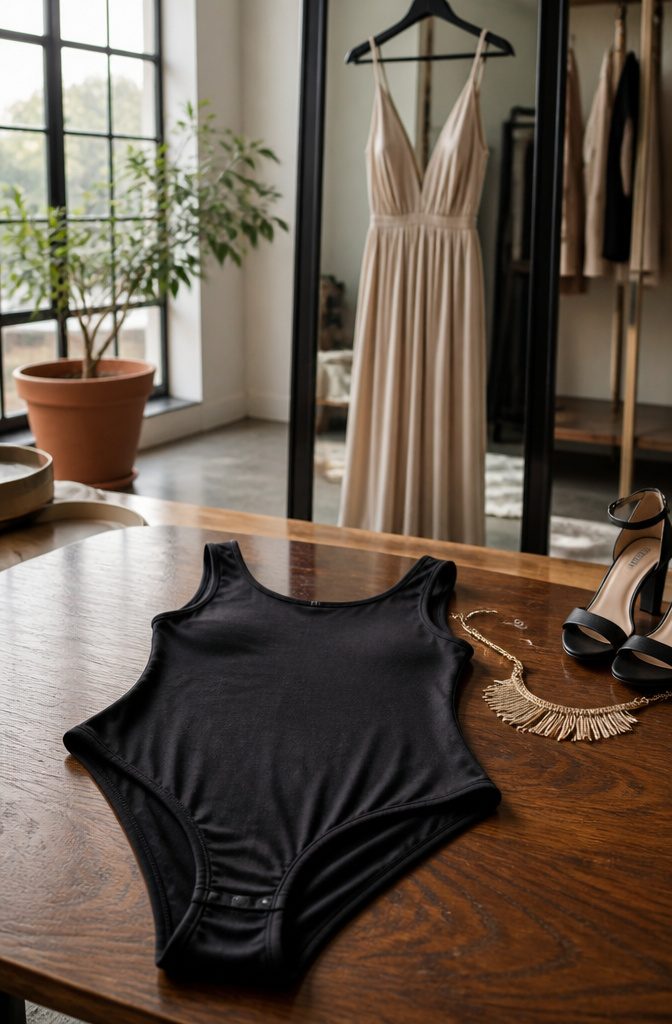
A bodysuit solves two problems under a sheer summer dress: the extra layer of fabric adds coverage where the material turns transparent, and the built-in support replaces the separate bra that would otherwise show straps or bands.
The strapless versions have become the default choice for low necklines and skimpy straps, which explains their current popularity; one clean garment does the work of two.
The catch is the bra integration. A bodysuit with its own cups works until the dress demands a different neckline or the support feels insufficient for a long evening.
For those occasions, the Wacoal Red Carpet Strapless Bra stays in place across sizes and frees you to wear a simpler bodysuit or skip one entirely if the dress bodice provides enough structure on its own.
Whether you need both layers or neither depends on the dress cut and what you can stand for six hours.

NO THIGH CHAFING SLIP SHORTS - These slip shorts are perfect for preventing thigh chafing under dresses and skirts. You can also wear them as REGULAR SHORTS with T-Shirts. These undershorts are also a perfect choice for lounging around at home if you're working remote

Anti-Chafing & Anti-Slip Slip Shorts for Under Dresses Women: Features extra wide, non-rolling waistband and leg cuffs to eliminate thigh friction and prevent slipping. Full-coverage safety shorts design ensures anti-exposure security, while the comfortable crotch allows wear as standalone underwear, maximizing convenience. A perfect length that stays in place without rolling down

【Seamless Tummy Control Shapewear】Stay elegant and at ease around the clock with our shapewear for women tummy control. Crafted via seamless one-piece knitting technology and ultra-soft, breathable fabric, it stretches effortlessly to fit most body types without digging or binding. Tag-free, sleek, and strapless shapewear shorts—your ideal tummy control underwear for daily wear.
7. Cooling Shorts
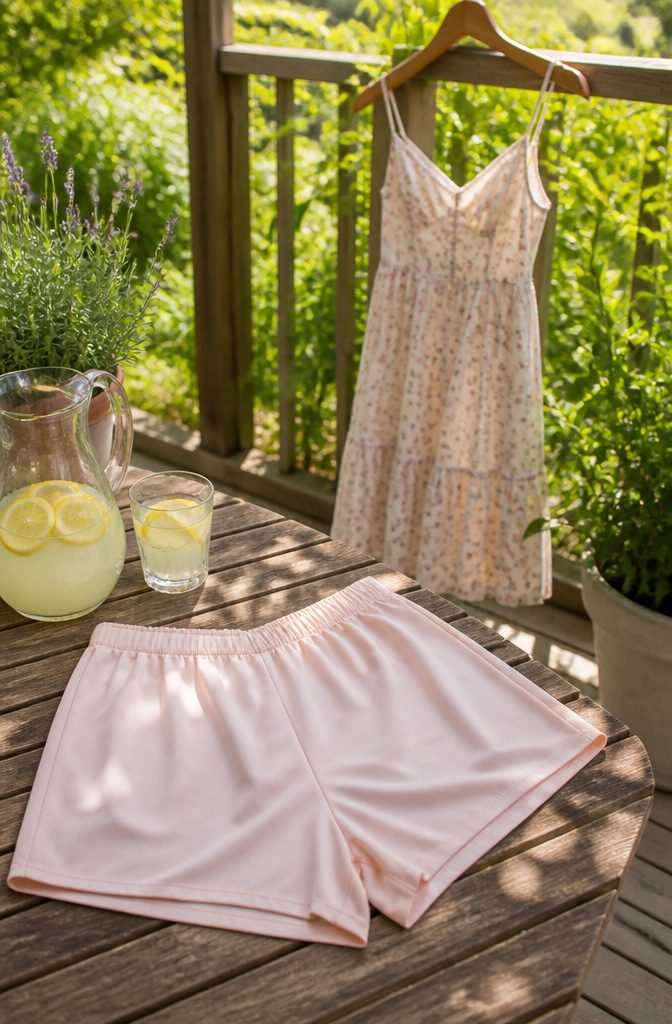
Breathable fabric matters most when humidity turns a walk into a workout. Thigh Society built its Cooling Shorts around that exact problem, using a silky, hi-tech performance fabric that pulls both heat and moisture away from the body.
The result is lightweight enough to forget you have it on, which is the point.
Three inseam lengths, 5", 7", and 9", let you match the short to your hemline so nothing peeks below the dress edge.
The 5" works for shorter cuts; the 9" stays hidden under midi lengths. What separates these from heavier slip shorts is the sheer, near-invisible weight, designed specifically to disappear under clingy jersey or bodycon dresses where bulk would show.
Sheer fabric means they prevent chafing without adding coverage you do not need, but that same quality makes them a poor choice under loose mini dresses that might blow up.
One reviewer noted they do not feel actively cool so much as sweat-wicking and weightless, which, in July, amounts to the same relief.

Seamless Thongs for Women: Engineered with precision laser-cut edges for a completely VPL-free finish. This premium womens thong underwear glides invisibly under tight leggings, low-rise jeans, mini skirts, and form-fitting dresses, making it the ultimate tan-line-free choice for beach vacations, summer outings, or sleek office-to-evening looks.

Seamless Thongs for Women: Engineered with precision laser-cut edges for a completely VPL-free finish. This premium womens thong underwear glides invisibly under tight leggings, low-rise jeans, mini skirts, and form-fitting dresses, making it the ultimate tan-line-free choice for beach vacations, summer outings, or sleek office-to-evening looks.

Seamless Invisible Design: Crafted with a smooth seamless finish, this no show thong helps minimize visible panty lines for a smoother look under leggings, dresses, yoga pants, and fitted outfits
8. Anti-Chafing Balm
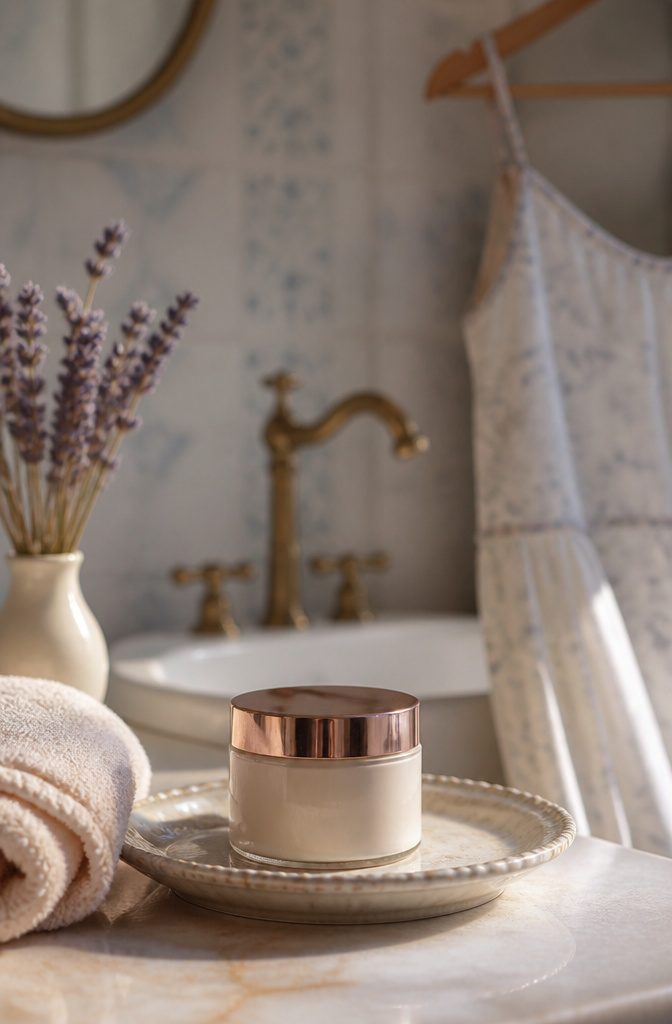
Sometimes slip shorts feel like one layer too many, especially when the humidity climbs and you want as little between your skin and the air as possible.
A topical balm gives you that option. Megababe Thigh Rescue glides on like a lotion and creates a friction barrier right where thighs touch, so dresses still hang and move the way they should with nothing structural underneath.
The brand also makes a dry-finish gel version that works on thighs, underarms, or bra lines if rubbing shows up in more than one place.
I see this as a complement to slip shorts rather than a full replacement, and the choice usually comes down to the day ahead. Running errands in a loose skirt on a ninety-degree afternoon?
The balm wins. A wedding where you’ll stand for hours in a fitted dress?
Slip shorts still carry more of the load. Neither approach asks you to add heat or bulk you don’t want; they just split the work differently depending on what the dress and the weather demand.

Light Tummy Control Boyshorts - The high-stretch material of this tummy control boyshort underwear for women provide the ultimate comfort and moderate compression, can slightly flatten your tummy and hold your stomach in, give you a smoother curve and make you more confident.

COMFORTABLE UNDER SHORTS - These womens smooth under dress shorts are made of lightweight and breathable 90% nylon and 10% Elastane fabric, these mid-thigh length slip shorts provide you with all-day comfortable fit and feel.

Anti Chafing Design:Our slip shorts are engineered to prevent thigh chafing, alleviating skin irritations and discomfort. You can take the anti chafing shorts women as shapewear shorts,biker shorts,yoga shorts,sleep shorts, under dress shorts or daily wear outside. Allowing you move freely and confidently throughout the day without any discomfort.
Color Matching Under Light Dresses
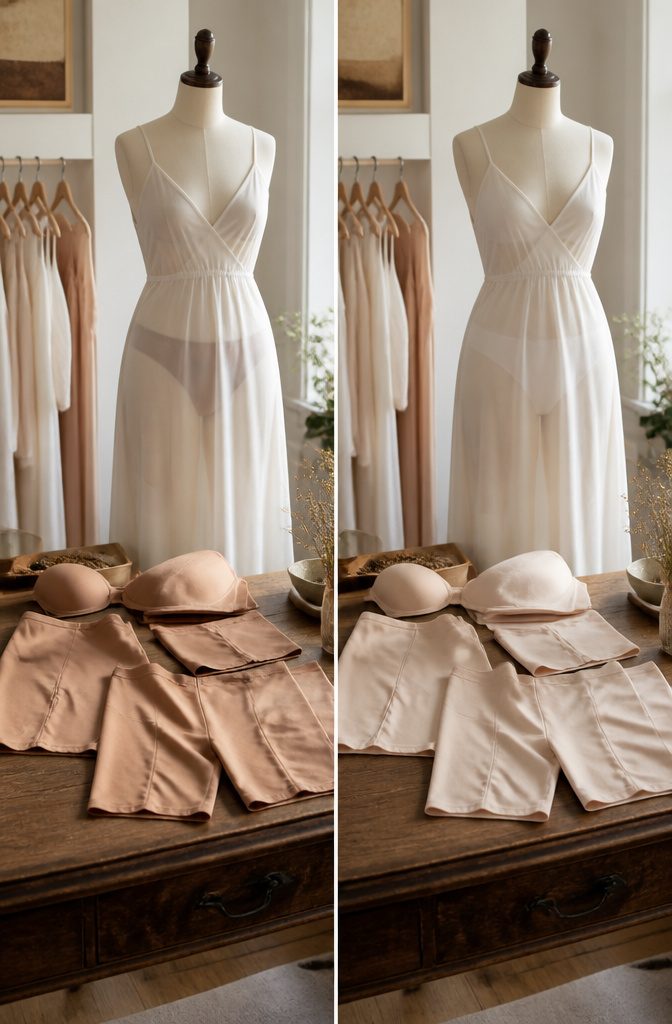
White underwear under a white dress shows through more than most people expect. The fabric catches light differently than skin does, so it creates a visible edge where the underwear ends and bare skin begins.
Nude or skin-tone underwear that matches your own coloring is the better choice, because it lets light pass the same way your skin does and eliminates that outline.
Finding the right nude takes some looking. A peach tone works for pale skin, mocha for darker complexions, and there are plenty of options between.
The closer the match, the cleaner the line under the dress. Smooth fabrics help too, since texture can telegraph through lightweight material almost as clearly as a wrong color.
Black or charcoal underlayers make sense under dark dresses for the same reason; they disappear into the shadow the fabric creates.
But white on white is the combination that keeps surprising people in dressing rooms, and not in a good way.

FIRM TUMMY CONTROL - Offering firm yet comfortable control, this shapewear smooths your tummy, hips, and thighs to create a flattering silhouette that supports you throughout the day. Experience confidence and comfort combined in a design that stays wearable from morning till night.

THIGH, TUMMY, HIP & BACK TARGETING - Power mesh lining shapes from the bustline to mid-thigh area.

【Sizing Tips】 Follow our size chart and measure your bust, waist, and hips. You may be surprised by how “tiny” the bodysuit looks during your first try-on. But don’t worry—the bodysuit is purposely designed with super-stretchy fabric to hug you in all the right places!
Comfort and Fit
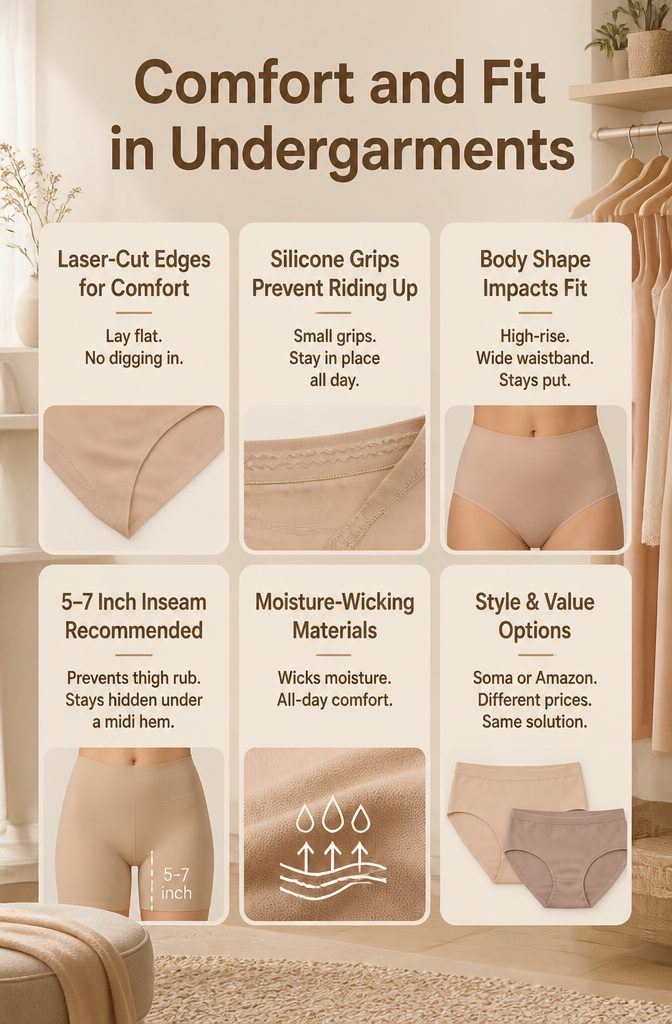
The right undergarments should move like a second skin, not a project you manage between meetings.
Laser-cut edges on seamless underwear lay flat without digging in, and small silicone grips at the back waistband keep the fabric from riding up as you walk.
Nude tones that match your skin color disappear under lighter dresses, which matters more than the underwear color you actually prefer.
Body shape changes what "fits" means. A high-rise, wide waistband stays put across a softer midsection where thin elastic would roll; light control shapewear skims rather than squeezes if you carry weight through the middle.
The Vanishing Edge Modern Brief from Soma or a budget seamless set from Amazon both solve this, just at different price points.
A 5–7 inch inseam on shorts hits the balance: long enough to prevent thigh rub, short enough to stay hidden under a midi hem.
Cotton feels soft but holds moisture; polyester-spandex or nylon-spandex blends wick it away for all-day wear. The test is whether you remember you have them on by hour three.

SUPER SOFT FABRIC: This women's half slip is made from 95% modal and 5% Spandex,lightweight, skin-friendly, and ultra-soft petticoat that feels comfortable against the skin.Perfect for wearing under any dress or bustier for added comfort and elegance.

❀【SIZE GUIDE】The bottom skirt comes in 5 sizes: S, M, L, XL, XXL; the skirt length of this model is based on the size of the skirt size has to do with the adjustment of the skirt length, S-XXL skirt length ranges from 26 inches-27.5 inches in this area, please be sure to read the size before buying.

ELEGANT VERSATILITY: This slip skirt features an above-the-knee length cut, 23-inch side seam, and a scalloped hem detail.
When Thighs Rub
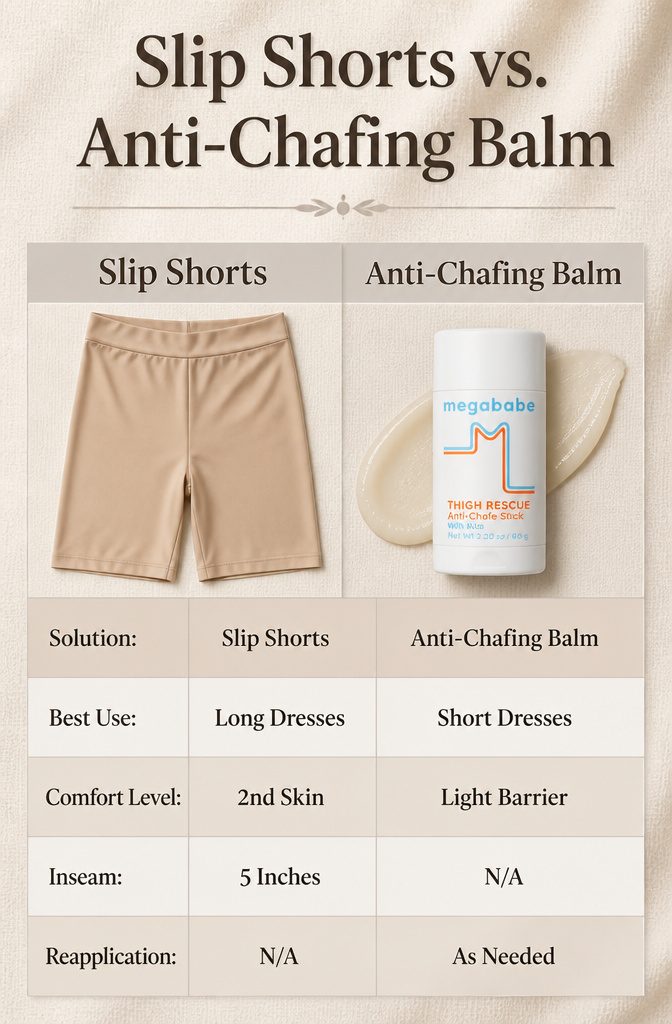
Thigh chafing in July is the kind of problem that announces itself around 11 a.m. and ruins the afternoon. Two fixes dominate, and they suit different days.
Slip shorts win under anything knee-length or longer, especially if the day involves real walking. Thigh Society’s cooling shorts come in a 5-inch inseam, cut from a silky performance fabric that pulls moisture away rather than trapping it.
They feel like a second skin, not a sauna layer, and they keep a skirt or dress hanging the way the designer intended. The trade is literal: another garment to wash, another waistband to account for.
Anti-chafing balm is the lighter call.
Megababe’s Thigh Rescue glides on like a lotion and builds a friction barrier without adding fabric. The dry-finish gel version now works under bra bands or arms too.
Balm makes sense for a short dress where shorts would show, or for a beach day when even breathable nylon feels like too much. Reapplication matters on humid days; one pass at 8 a.m. rarely holds past lunch.
For my own routine, anything above 85 degrees with errands to run gets the shorts.
A dinner where I want to feel bare-legged gets the balm. The real mistake is committing to one and refusing the other.
Layering for Wind and Sheer

Chiffon and lightweight linen move beautifully in a breeze, which is precisely the problem.
A gust off the lake last spring turned a perfectly lovely cowl-neck dress into a decision I had to make in half a second. Slip shorts underneath would have turned that moment into nothing worth remembering.
Shorts under a dress are non-negotiable on windy days, full stop.
They prevent the flash, but the real daily benefit is stopping the inner-thigh rub that makes a summer afternoon feel like a workout. Moisture-wicking fabric matters here if you run warm; otherwise you trade one discomfort for another.
Half slips solve a different issue.
White linen and thinner weaves turn sheer in strong light, and a half slip adds coverage without the compression of shapewear. The dress hangs better too, with a little weight at the hem that keeps it from clinging.
For church or any outdoor event, the wind you notice at the door is rarely the wind that hits the parking lot. I wear the shorts regardless of what the morning looks like.
Frequently Asked Questions
How do I avoid visible panty lines under dresses?
Seamless underwear with laser-cut edges sits flat against skin so dress fabric skims over instead of catching on elastic bands or stitched hems.
A nude shade matched to your own skin tone disappears under fitted dresses where regular underwear would show through.
If that alone is not enough, adding a pair of slip shorts or a half slip helps the dress glide over the body without catching on anything underneath.
What color underwear is best under white dresses?
Nude or skin-tone underwear that matches your own coloring works best, because it lets light pass the same way your skin does and eliminates visible outlines.
White underwear actually shows through more than most people expect, since the fabric catches light differently than skin and creates a visible edge where it ends.
Peach tones work for pale skin, mocha for darker complexions, and the closer the match, the cleaner the line under the dress.
Do I need to wear shapewear with every dress?
No. Shapewear is a personal choice, not a mandate, and plenty of dresses look and feel right with just seamless underwear underneath.
What sways the decision is usually the dress itself: a body-skimming fabric shows every line, while a drapier cut forgives what a fitted one does not.
Compression fabric creates a smoother silhouette and adds support for the back and bust, which matters more in cocktail or formal cuts than in relaxed styles.
What do women wear under dresses?
The undergarments may be panties, a bra, a slip, or shorts, depending on the cut, fabric, or trim of the specific dress.
Light dresses often require slips for coverage and drape. Safety shorts work well under short dresses to prevent both chafing and sudden exposure.
Tight dresses are best worn with smooth, seamless underwear. The goal across all of these is finding comfort, coverage, and a smooth look that lets the dress do its job.