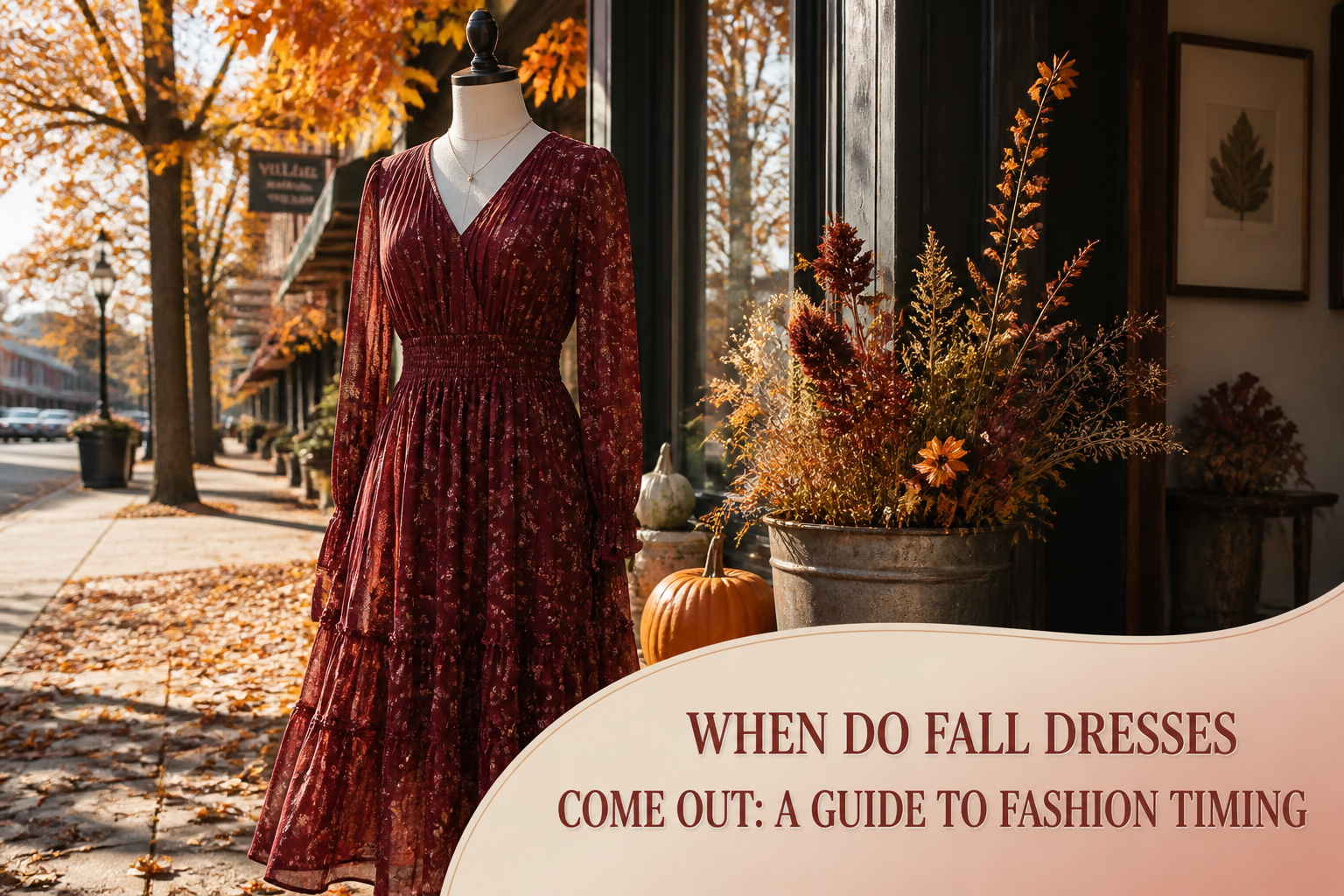
Fall dresses start arriving in stores in late July, but the full range does not drop all at once. If you wait until the weather actually turns, the pieces you want are already picked over or gone. The February and March runway shows lock in what will exist months before it ever reaches a rack, and wholesale buyers place their orders between March and May while most shoppers are still thinking about spring.
Fashion Week Timing
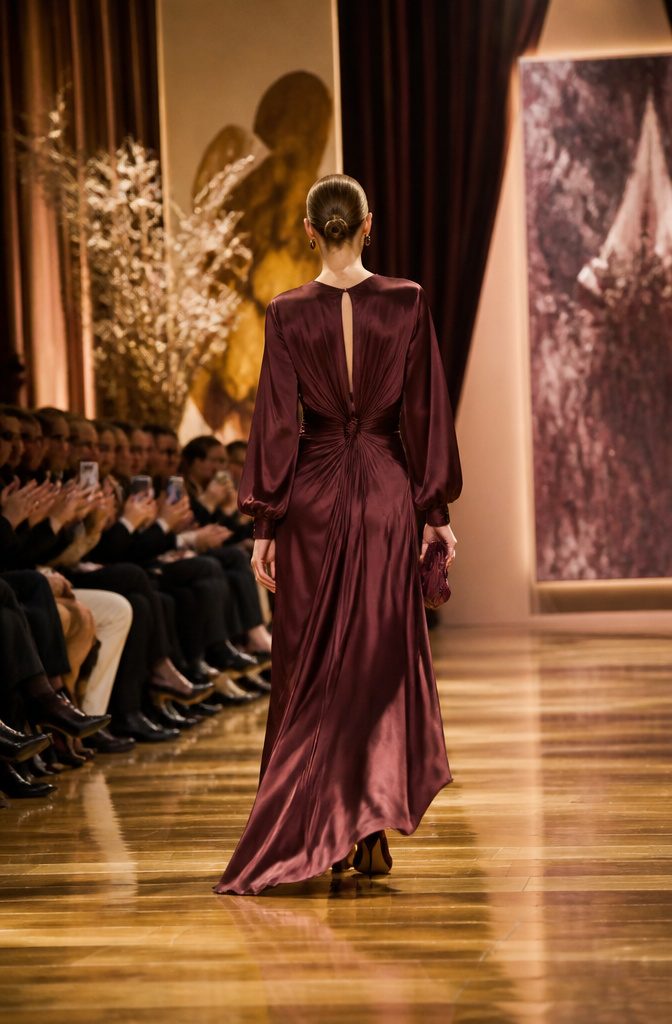
Fall collections debut on the runways during February and March Fashion Weeks, with New York, London, Milan, and Paris staging the four major events. These shows serve as the official introduction of autumn fashion to the industry, letting brands preview upcoming releases to buyers and press before anything reaches a warehouse.
That February-March window sets the pace for everything shoppers see later. By the time a dress appears in your Instagram feed or a store’s new arrivals page, the fabric was chosen, the samples were walked, and the orders were placed months earlier at these runways. The calendar is rigid enough that if you are waiting for a specific fall silhouette, the February shows are when you first learn whether it will exist at all.
I used to treat September as the starting gun for fall shopping, but the pieces I actually wanted were already decided by then. The September drop is the retail echo of what got approved back in spring.

Unique Design: Go to brunch with your girls in style in this mini dress featuring a ditsy floral print, mock neck, long trumpet sleeves with flounce cuffs, smocked trim, and an A-line silhouette

SIZE TIPS: XS=US 0-2, S=US 4-6, M=US 8-10, L=US 12-14, XL=US 16-18, XXL=US 20. Crafted From Soft Knit Fabric, This Cute Mini Dress Is An Ideal Transitional Piece That Wraps You In Warmth During Crisp Spring Mornings And Breezy Spring Evenings
Wholesale Order Window
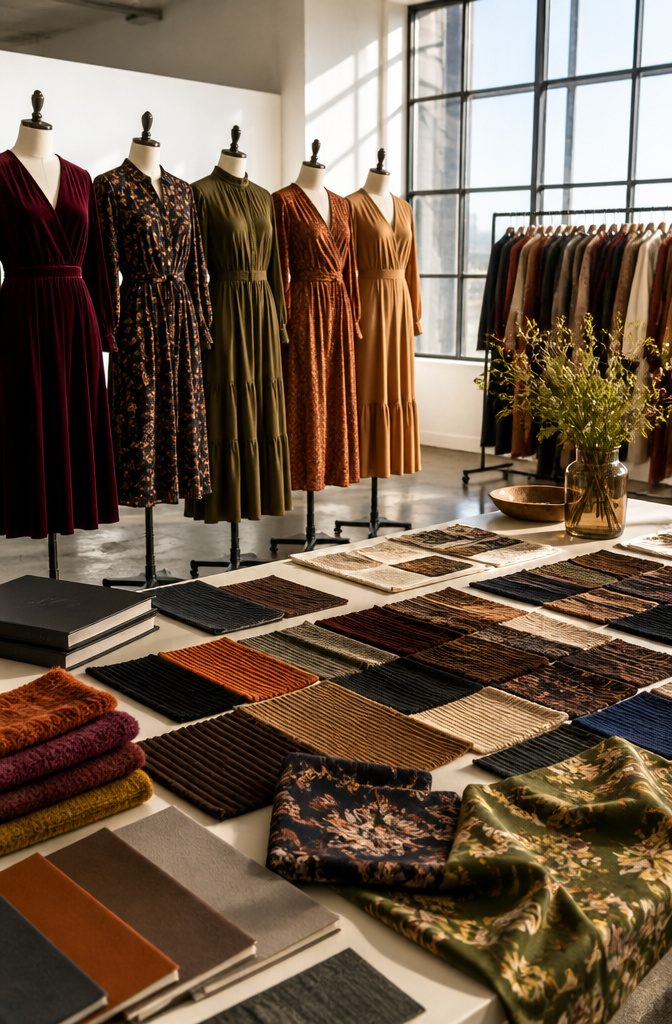
Wholesale buyers place orders for fall collections in the March to May window that follows the February and March runway shows. That gap between what walks in New York, London, Milan, and Paris and what actually hangs in stores is not delay for delay’s sake. It is production: cutting, sewing, quality control, and the slow container shipping that brings garments from factory floor to distribution center.
For a shopper searching in July or August, the dress she wants may already be spoken for by stores that committed months earlier. The runway photograph she saved in March was a sample, often hand-finished, not the production piece. By the time her size arrives, the buyer who ordered it has already decided how many units of each style her local market will carry. That is why certain sizes and colors sell out before the weather turns: the wholesale order was locked in spring, and reorders take just as long to manufacture as the first batch.

Lightweight Warmth & Cloud-Like Comfort:Sweater dree Crafted from premium thin knit fabric (25% Rayon/70% Polyester/5% Spandex) that feels featherlight yet surprisingly warm. Ultra-soft stretch texture moves with you for all-day comfort.

Fabric Detail: 100%Polyester.Womens casual dress is made with comfy fabric that feel soft to the touch and comfortable to wear all day long

Fall Dresses for Women 2026:Soft and stretchy knit fabric provides all day comfort.Machine washable,hand wash recommended.Size Guide:S=US 4-6, M=US 8-10, L=US 12-14, XL=US 16.
Retail Introduction
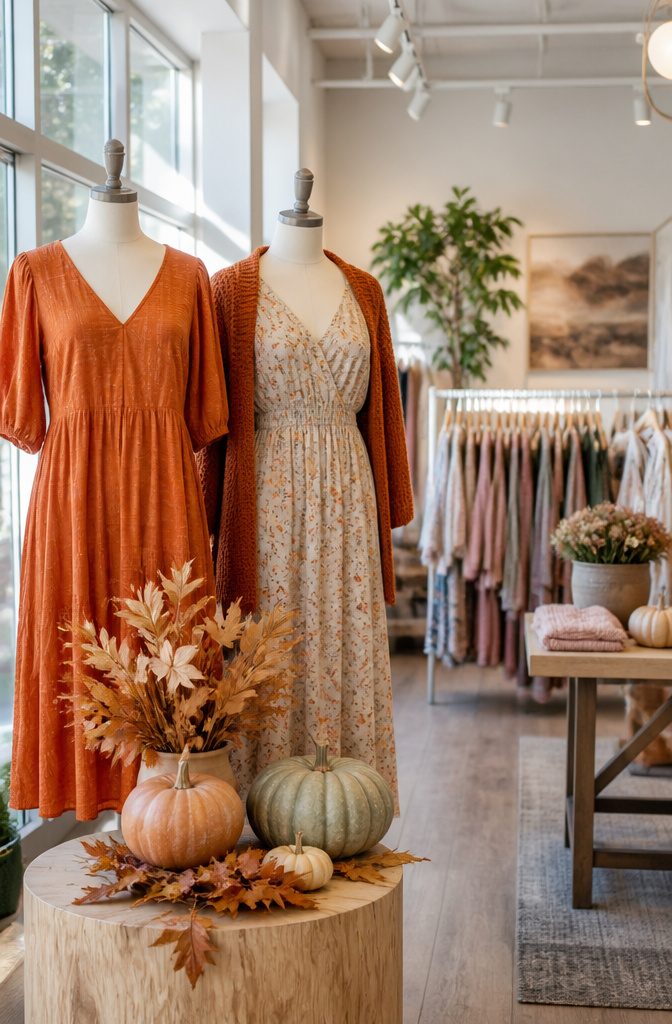
Late July is when the first fall dresses start appearing on racks and in online new-arrivals sections, with the full rollout stretching through August and September. Those early drops are transitional by design: lightweight knits, layering pieces, and dresses you can actually wear while the weather is still warm. The heavier coats and cold-weather dresses come later, closer to true autumn temperatures.
I used to show up in early August expecting the full fall wardrobe and leave disappointed. The timing matters because the best pieces often sell through before the weather turns, especially in the middle sizes. If you wait until October to shop for fall, you are choosing from what did not move in July and August. That is a different selection entirely, and not usually the one you wanted.

Textured Waffle Knit: IUGA dress pants for women feature a breathable waffle-knit fabric that drapes smoothly to enhance your leg shape with a structured yet comfortable fit

FLEXIBLE RIBBED FIT: This women's tank dress uses soft stretch rib‑knit fabric. It moves with your body and will not pinch or feel tight. The cinched waist and above‑knee length give you a nice slim look. Please check the size chart to get your right fit.

【Soft Stretch Ribbed Knit 】Crafted from soft, skin-friendly acrylic-blend knit fabric, this sweater dress delivers lightweight warmth without bulk. The breathable texture prevents itching while ribbed cuffs and hem lock in heat, keeping you cozy all day in fall and winter
What Drops When
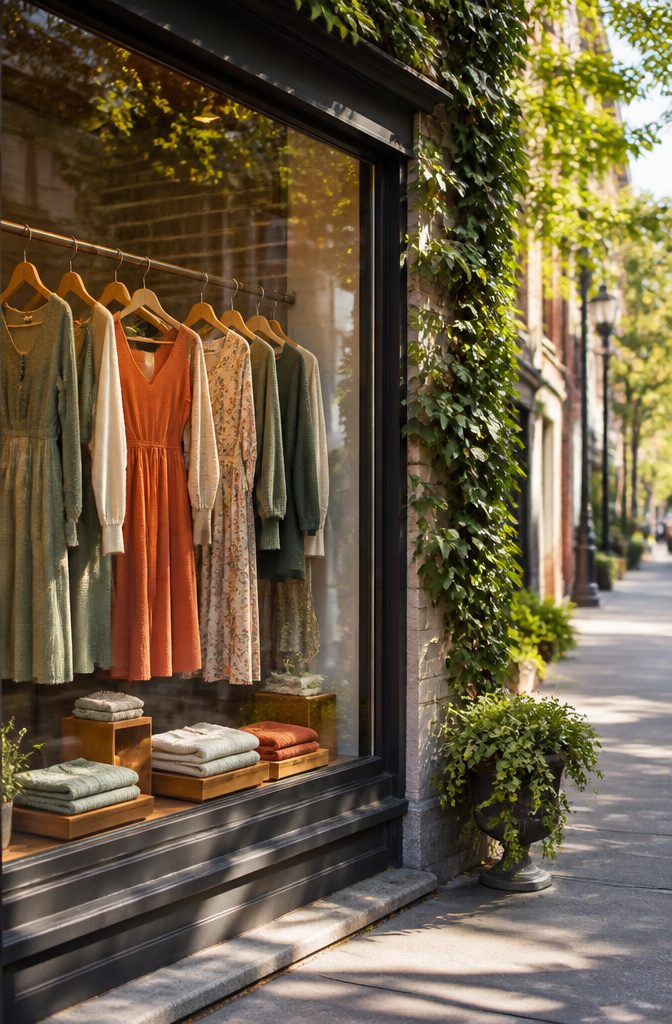
Fall dresses start arriving in late July, though what you see first is not the full picture. Lightweight knits and layering pieces lead the rollout, the kind of items that work over a summer dress or under a light jacket when mornings turn cool but afternoons still warm. These early drops are transitional by design, meant to stretch what you already own rather than replace it.
Heavier pieces surface later. Coats and cold-weather dresses, the ones that need structure and weight to hold their shape, follow in early fall once the temperature shift is steady enough that shoppers are actually reaching for them. The gap between the two waves is where the planning matters. Hunt knits and layering dresses in late July and August if you want first pick of sizing; wait on the heavier wool and lined shapes until September, when the full range lands but popular sizes have started to thin.
The mistake is treating the first drop as the whole season. Those early racks look sparse because they are sparse, curated for a moment that passes in weeks, not months.

This solid-colored shift mini dress is crafted from velvet. It features a subtle scoop neck, deeply cut armholes, and a dramatic low-open back, creating an overall allure of understated sophistication

MATERIAL: Crafted from 100% polyester, this fall mini dress features a soft corduroy velvety ribbed texture fabric. It is durable, cozy, and provides a warm, comfortable feel for cooler weather. The velvety finish makes this sleeveless autumn dress ideal for all-day wear during crisp fall days or casual vacations.

Fit Type:Regular fit.Size Chart:S=US(4-6), M=US(8-10), L=US(12-14), XL=US(16-18), XXL=US(20-22). Please refer to the size chart.
Discount Season
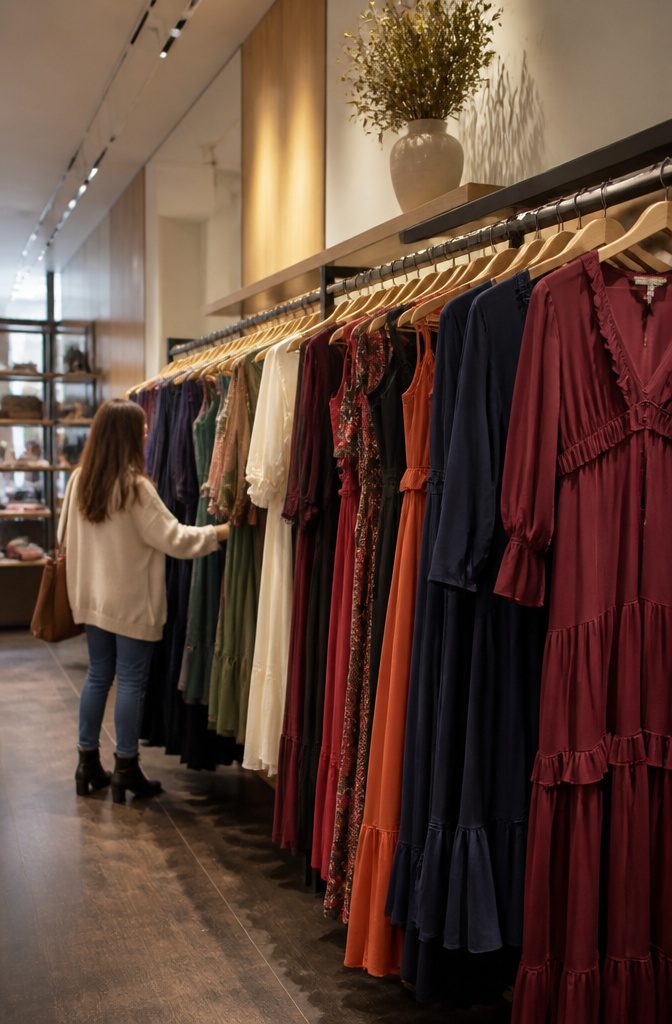
Fall dresses hit their lowest prices in late October or early November, when retailers start clearing stock for winter and holiday collections. That six- to ten-week window between August rollout and first markdowns is where most shoppers feel the tension: buy early and wear the piece through the whole season, or wait and risk your size disappearing.
The strategy behind the timing is straightforward. Stores need floor space and capital freed up before Thanksgiving, so the discounting is deliberate inventory pressure, not a random sale event. For someone watching a particular dress, the choice usually comes down to how standard the piece is. A black crepe wrap or a navy midi in a core brand will likely still be there at 30 percent off. A limited colorway or a silhouette that reads very current tends to sell through by mid-October, markdown or not.
I have learned to check whether the retailer restocks or cuts bait. Some houses reorder basics straight through January; others list "final sale" the moment the price drops. That distinction matters more than the percentage itself.

★Model Info: Height-5’7” Feet, Bust-30” Inches, Waist-22.5” Inches, Hips-36” Inches, Wearing XS. Refer size chart and review to choose suitable size.

Tips: S=US 4-6, M=US 8-10, L=US 12-14, XL=US 16-18, XXL=US 20; This Womens Fall Dresses Charge For Exquisite Small Hollow Out Lightweight Fabric And Thick Stretch Waistband with Lining (Sleeves Has No Lining); For Light Color Dress, Please Go for Nude or Beige Underwear to Keep Things Discreet, For a Better Wearing Experience, Please Iron on Low Heat

SIZE TIPS: S=US 4-6, M=US 8-10, L=US 12-14, XL=US 16-18, XXL=US 20. Crafted From Premium Jersey Fabric For Ultra-Soft Comfort, This Casual Mini Dress Moves With You Effortlessly While Keeping You Comfortable From Morning To Night
Phasing Out
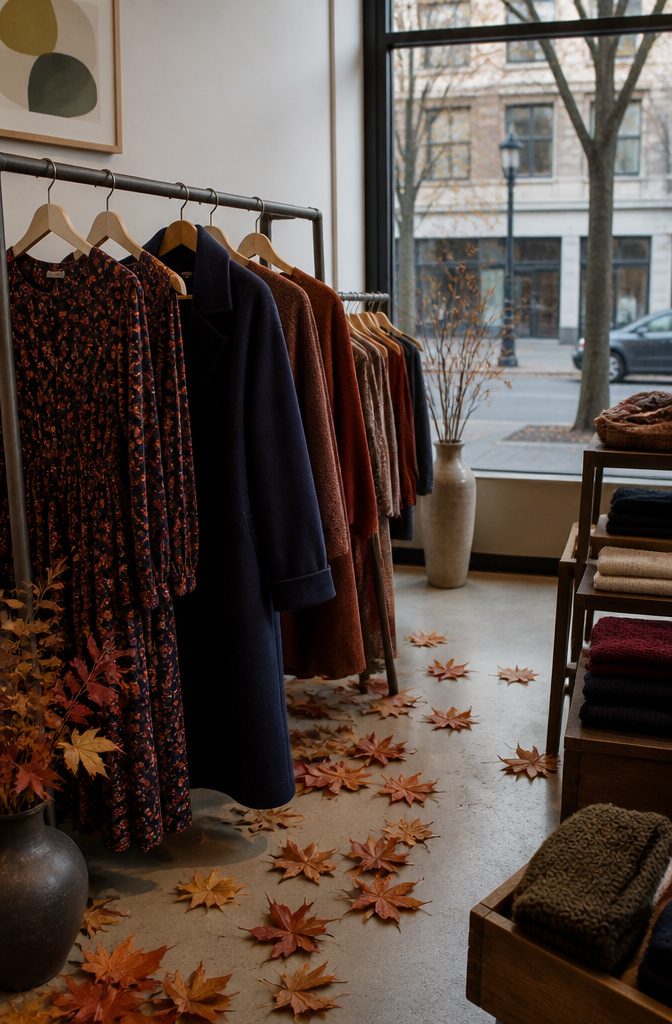
Fall clothing starts leaving floors in early November, with most collections cleared from main displays by mid-to-late November. Markdowns typically begin in late October or early November, which means the window to buy fall dresses at full price closes faster than many shoppers expect.
By the time Thanksgiving planning begins, retailers are already making room for winter and holiday stock. Some fall dresses may linger in clearance sections into December, but sizing and color options thin out quickly once those first cuts hit.
The practical read: if you are buying with an eye toward wearing this season rather than next, late October is when the selection starts working against you. Early November is when it turns into a scavenger hunt.

Feature: Dokotoo fall dresses for women comes with Long Sleeve, Notched V Neck, Ruched, Textured, Babydoll Dress, Ruffle Hem, Tiered, Empire Waist, A-Line Dress, Swing Flared, No Pockets, Short Mini Length, Solid Color, Casual Dresses fits for any body shape.

Babydoll Silhouette: This casual dress features a loose fitting high waist cut and tiered ruffle hem that creates a flowy swing shape to flatter various body types and conceal the midsection

Material: Soft cotton & polyester, breathable and comfortable to wear, lightweight, keep cool in Summer.
This Fall’s Dress Trends
Basque waists are carrying forward from earlier this year, with Alaïa and Chanel both running the silhouette for fall. The shape sits lower on the hip than a standard empire line, which means it actually works for separating bust from waist without adding volume where you don’t want it. If you carry weight through your midsection, this is the one waist detail to try.
The ’90s minimalism direction is cleaner than the basque look: boatneck sheath dresses in charcoal gray and black, nothing extra. I find this harder to pull off without tailoring, since a sheath that skims wrong looks like a mistake rather than a choice. The color range helps; muted tones forgive fit issues that black exaggerates.
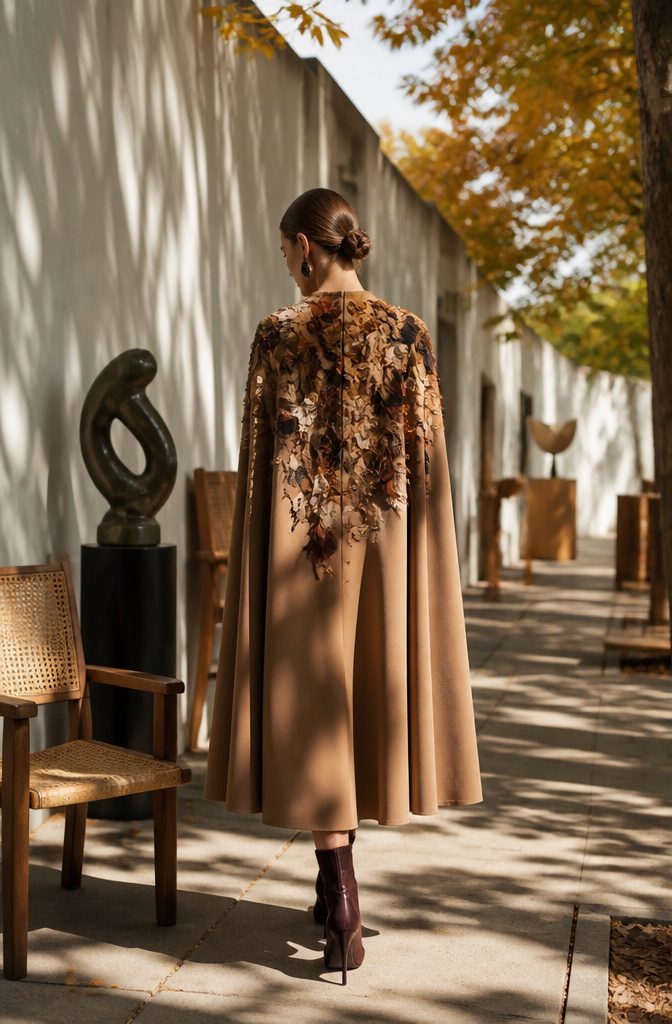
Cape dresses, heavy floral appliqué, and festive fringe all read occasion to me, not Tuesday. Dior and Miu Miu pushed the embellishment, but appliqué catches on chair arms and fringe demands a level of event most calendars don’t hit. Organza layers and print-maxed abstracts are the middle ground: sheer enough to need planning, loud enough to need nothing else.

Fabric: This 3/4 sleeve dresses features soft, skin-friendly texture, retains its shape throughout daily wear and boasts sleek, elegant draping.

Fabric: Long sleeve maxi dress for women is made of soft,skin-friendly and soft fabric,comfy for all seasons. This womens long sleeve dresses features a subtle texture that drapes beautifully; ideal dresses for women 2026 elegant classy.

Material:70%Polyester,25%Rayon,5%Spandex. Soft & Comfortabl,stretchy feel that’s perfect for all-day wear. Ideal for sensitive skin
How the Fashion Calendar Works
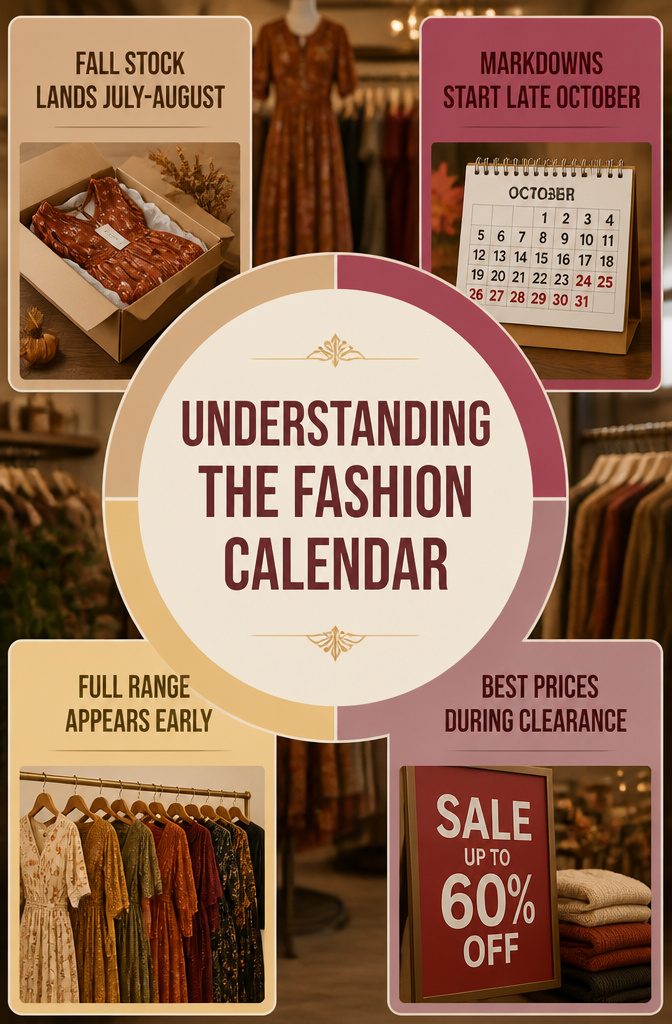
The fashion calendar runs backward from what most shoppers expect. Fall 2025 stock lands in stores between July and August, months before the weather turns, because brands need sell-through data before they commit to winter production. A dress that moves slowly in August tells the buyer to cut the November re-order; a fast seller gets duplicated in holiday fabrics.
Markdowns on that same fall stock typically begin in late October or early November. The timing is not generous. Retailers need floor space cleared for winter and holiday collections, so the discount window is a hard deadline dressed up as a sale event. What reads to a shopper as "early Black Friday" is often inventory triage.
For anyone watching when fall dresses actually come out, the calendar means two things. The full range appears earliest, but the best prices arrive only when the range is picked over. Waiting for cold weather to shop means choosing from what did not sell at full price.

Black Long Sleeve Sweater Dress Set, Women 2 Piece Outfits Set, Long Sleeve Crop Top And Sleeveless Tank Bodycon Midi Dress, Slim Fit Pencil Sheath Dress With Elastic Suit For All Body Shape, Cozy And Fashion Winter Bodycon Long Dress.

FLEXIBLE RIBBED FIT: This women's tank dress uses soft stretch rib‑knit fabric. It moves with your body and will not pinch or feel tight. The cinched waist and above‑knee length give you a nice slim look. Please check the size chart to get your right fit.

Premium Knit Fabric: Crafted from soft and breathable knit material with a subtle matte finish, our fall sweater dress ensuring a comfortable drape that moves with you and keeps you cozy during transitional weather
Retail Timing Patterns
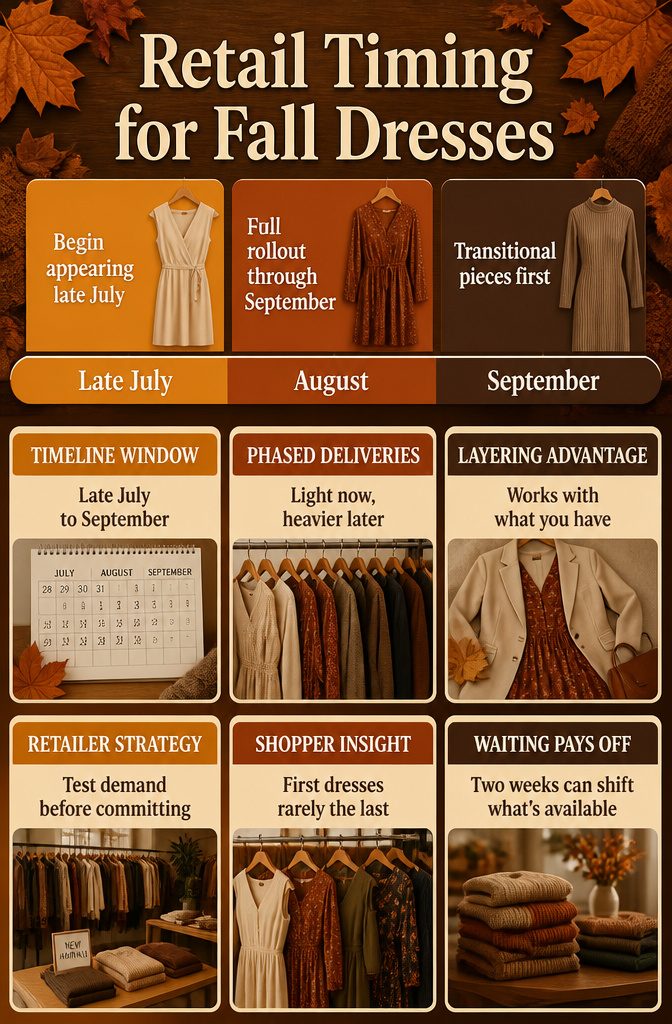
Late July marks the point when fall dresses start appearing on racks and in online storefronts, with the full rollout stretching through August and September. The window runs from late July into September, not a single drop, so timing your shopping depends on what kind of fall piece you actually need.
The early deliveries lean light: transitional knits, layering pieces, and dresses you can wear while summer warmth still lingers. Heavier stock, the kind that needs a coat over it, arrives closer to early fall. That phasing matters if you are building outfits from pieces you already own. A lightweight crepe dress bought in late July layers under a blazer you have now; the wool jersey arriving six weeks later does not.
Retailers use this staggered approach to test demand before committing floor space to cold-weather stock. For the shopper, it means the first dresses of the season are rarely the last, and waiting even two weeks can shift what is available toward weight and color that read more autumn than late summer.


[Convertible Hooded Design for Versatile Styling] Easily switch between edgy streetwear and sleek urban chic with the removable hood feature. Wear it with the hood for casual everyday outings, or detach it for a clean biker silhouette that's perfect for a night out.

All-Season Layering Essential: Effortlessly transition this velvet shift mini dress through all seasons. Wear it solo in summer for a cool sleeveless look, or layer under blazers, cardigans, or moto jackets in cooler weather. The relaxed A-line cut accommodates layers without bulk. Pair with tights and boots for fall, or a turtleneck underneath for winter warmth. From garden parties to holiday gatherings, this dress delivers year-round versatility
Sales Strategy
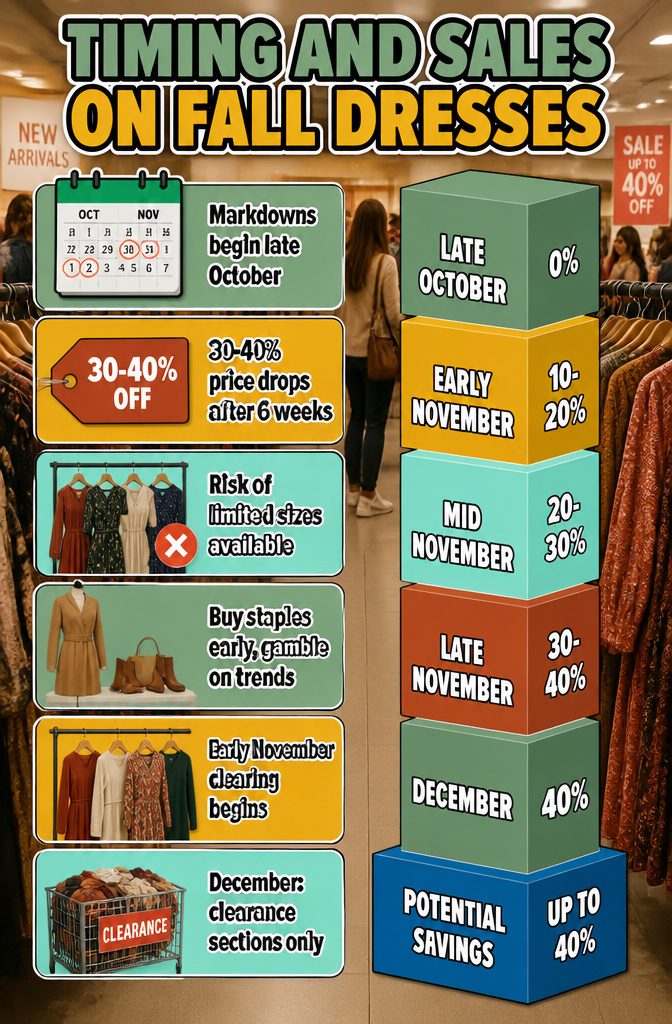
Markdowns on fall dresses typically begin in late October or early November, which is when retailers start clearing stock for winter and holiday collections. That timing matters more than most shoppers realize. A dress bought at full price in September can drop thirty or forty percent within six weeks, but by then the size run is broken and the color you wanted is gone.
The real decision is whether to buy early for selection or wait for the cut. Early November is when the phasing out begins, and by mid-to-late November most fall collections have left main displays. Anything still around in December is buried in clearance sections, often damaged or in odd sizes.
My own rule, formed after watching too many carts expire, is to buy the piece that anchors an outfit early and gamble on the trend item. A solid wool dress in a color you actually wear holds its value; the printed thing that looked fun in August rarely does. The markdown calendar rewards patience, but only if you are willing to take what is left.

Size Chart: XS (Bust-30.3-32.3", Waist-23.6-25.6"); S (Bust-32.3-34.2", Waist-25.6-27.6"); M (Bust-34.2-36.2", Waist-27.6-29.5"); L (Bust-36.6-38.6", Waist-29.9-31.9"); XL (Bust-39-40.9", Waist-32.3-34.2"); 2XL (Bust-41.3-43.3", Waist-34.6-36.6")

Tips: S=US 4-6, M=US 8-10, L=US 12-14, XL=US 16-18, XXL=US 20. Crafted from a soft and stretchy fabric that provides all-day comfort while maintaining the dress’s structured silhouette and excellent drape

Wedding Guest Dresses For Women / Solid Dresses / Fall Dresses For Women 2025 / High Waist A-Line Flowy Maxi Dresses / Long Sleeve Dresses For Women / Ruffle Hem Flowy Dresses / Baby Shower Dress / NOT STRETCHY / Partially Lining Not See Through / Flounces Sleeves / Round Neck / Delicate And Elastic Smocking At Bodice / Loose Fit Cut / Above Ankle Length / For Spring, Fall, Winter / Size: S=US 4-6,M=US 8-10,L=US 12-14,XL=US 16-18,XXL=US 20-22
Production Timelines
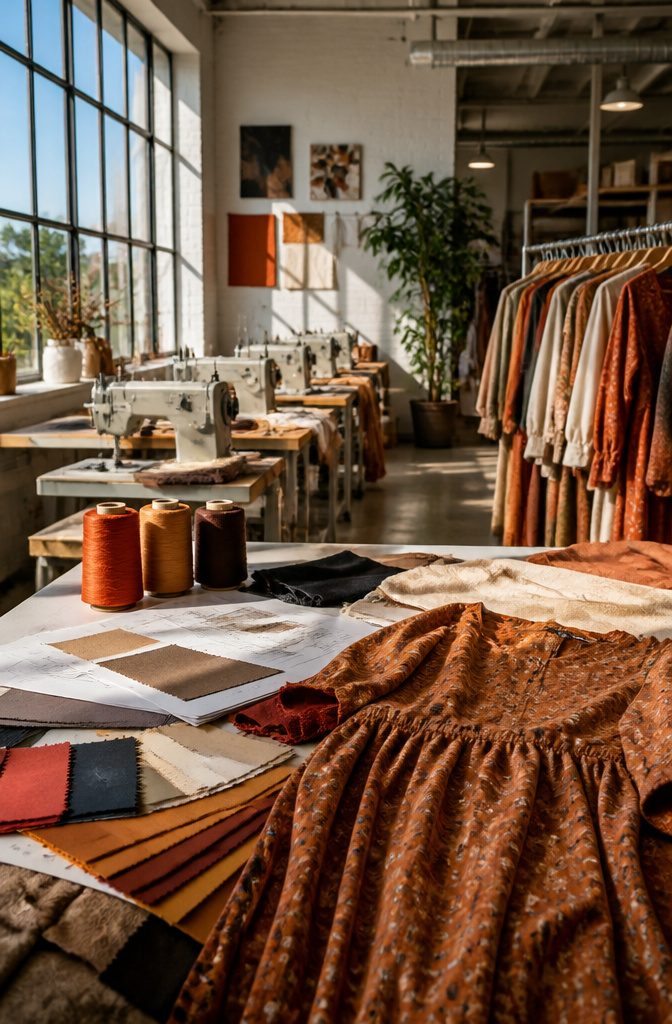
Wholesale buyers place most fall orders between March and May, a full three to five months before the season hits stores. That gap is what lets a dress travel from runway sketch to finished garment without the chaos of last-minute rushes.
The lag makes more sense once you map what has to happen inside it. Fabric gets ordered, cut and sewn, then shipped from factory to warehouse, then pushed out to retail floors or online fulfillment centers. Each step needs buffer time for the things that go wrong: a dye lot that misses the mark, a container held at port, a quality check that fails and sends half the lot back for rework. Brands that skip the buffer end up with empty racks in September and markdowns by October.
Integrated systems for product lifecycle management and enterprise resource planning have tightened this pipeline for mid-size labels. Forecasting tools now flag delivery timelines against sales-channel inventory, so a brand can see whether its September drop will land before the weather turns cool enough to sell it. The technology does not erase the calendar, but it trims the slack a brand used to build in by instinct.
For shoppers, the production timeline explains why fall dresses appear in July heat and sell out in hard-to-find sizes by late August. The stock was committed to months ago, and reorders rarely move fast enough to restock the season.
Frequently Asked Questions
When do fall dresses come out?
Fall dresses start arriving in late July, with lightweight knits and transitional layering pieces leading the rollout. Heavier cold-weather dresses follow in early fall, closer to September, once temperatures shift. The full range stretches across August and September, not a single drop, so waiting even two weeks can change what is available.
What are the fall dress trends for this year?
Key fall 2026 dress trends include basque waists carried forward from Alaïa and Chanel, and ’90s minimalism in boatneck sheath dresses in charcoal and black. Cape dresses, heavy floral appliqué, festive fringe, organza layers, and print-maxed abstracts also appear, though the embellished and occasion reads work better for events than everyday wear.
When do fall fashion discounts start?
Markdowns on fall dresses typically begin in late October or early November, when retailers clear stock for winter and holiday collections. That six- to ten-week window after the August rollout forces a choice: buy early for full selection, or wait and risk losing your size and color before the cut hits.