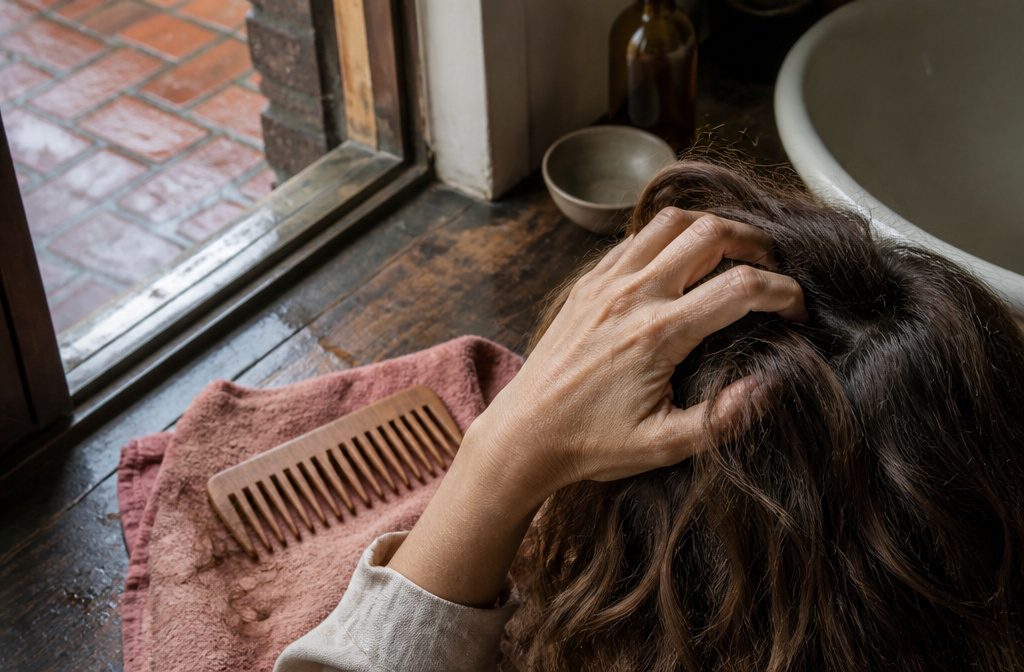
These tips run from free, like a 5-minute daily scalp massage, to clinic procedures like PRP, which usually takes 4 sessions.
Which ones fit depends on whether you’re losing length to breakage or hair to shedding. Little here speeds up the 0.35 mm a day your follicles manage; most of it protects length you already have.
1. Nutrition and Hydration
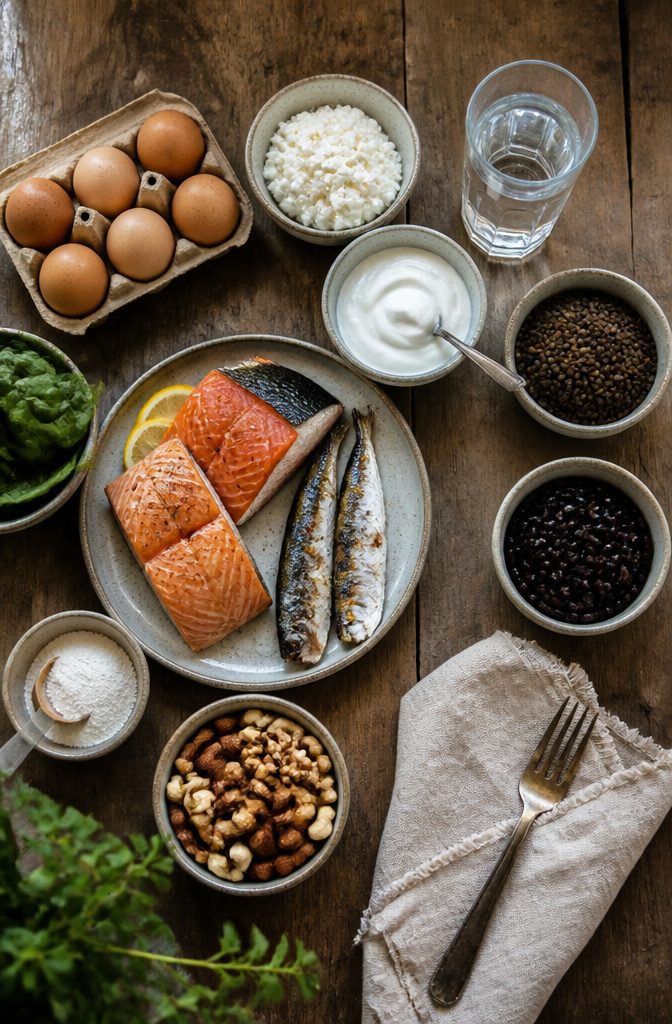
Hair is about 95% keratin, a protein, so the first number to check is at least 45 grams of protein a day.
Eggs are the easiest place to start. Fish, chicken, yogurt and cottage cheese cover the animal side, while lentils, black beans, other legumes, nuts and leafy greens do the job on a plant-based plate.
Collagen peptides are a reasonable add-on when meals fall short. Diets low in protein tend to produce weak, brittle hair.
Water belongs in the same routine: aim for at least 8 glasses daily.
Food and fluids support the hair you grow, but they do not speed up the follicle. Fixing a gap gives you stronger strands, not faster ones.
2. Scalp Care and Massage
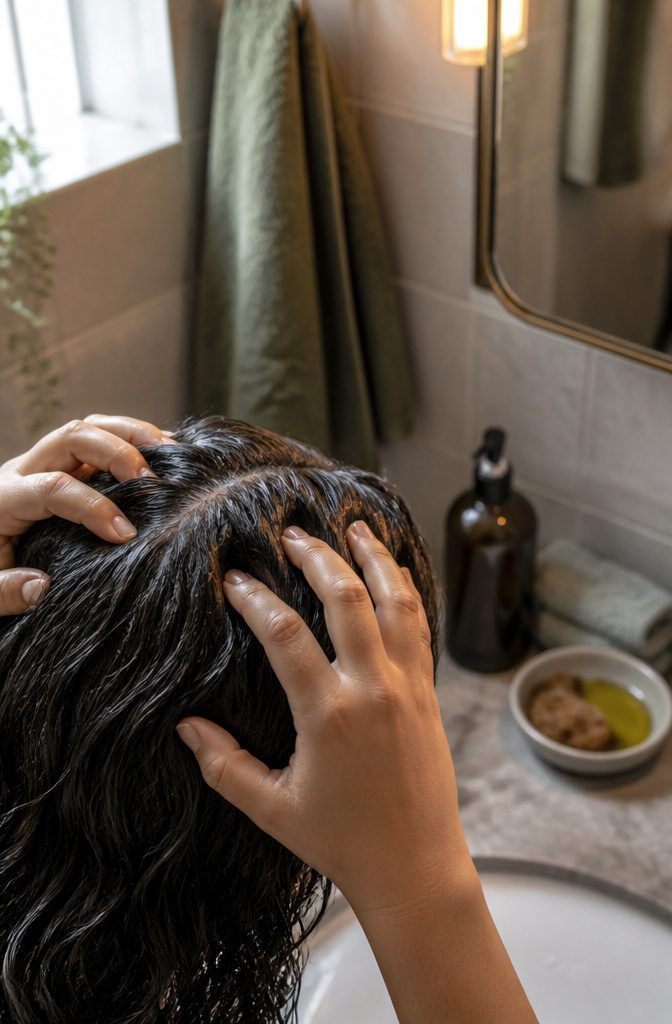
Use your fingertips, not your nails, and press in small circles from the temples toward the crown.
3 to 5 minutes a day is the usual advice, and I’d lean toward the full 5, since it costs nothing extra. A 2020 study in people with chemotherapy-induced alopecia found better regrowth in the massage group than in the control group.
The evidence is still modest, though: that study covers one specific group, so treat massage as a low-risk habit, not a cure.
Buildup is the other half of scalp care. Mix brown sugar with olive oil, work it in for a few minutes before shampooing, and keep it to once a week.
If the scrub sounds messy, I’d pick the simpler route: shampoo applied straight to the scalp once a week and left on for 5 minutes.
3. Gentle Washing and Product Choice
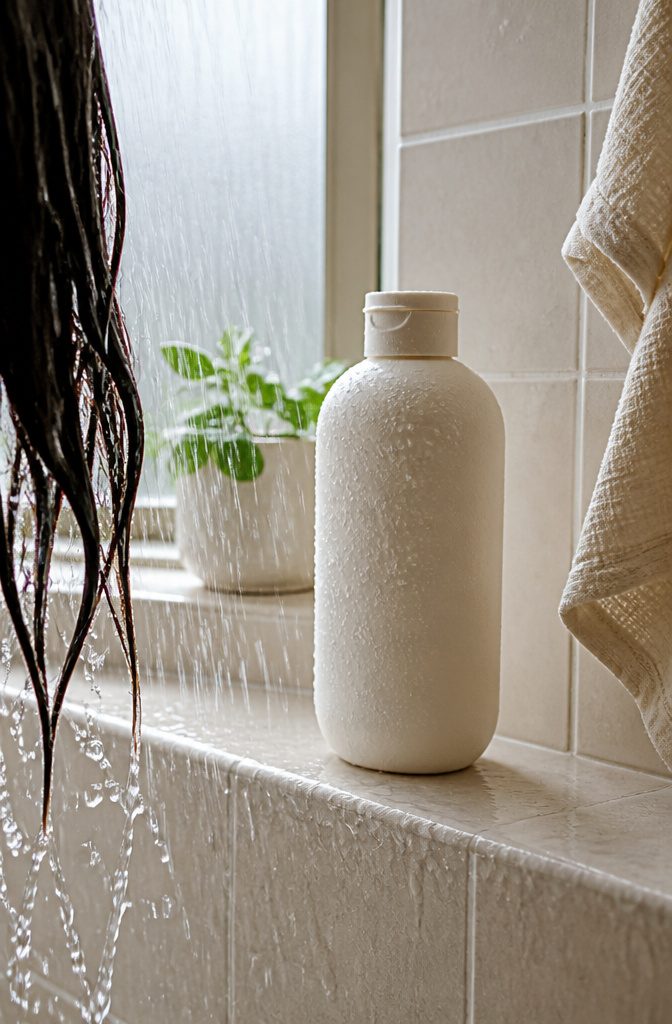
Washing frequency is a range, and your hair sets where you land on it.
Many people do well at 2–3 washes a week, with dry shampoo covering the days between. Others need only once or twice a week.
A 2021 study of Asian populations found that washing daily, or 5 to 6 times a week, benefited hair and scalp health. I’d treat once a day as the ceiling for anyone, because over-washing strips the natural oils that keep strands healthy.
If your scalp turns oily by day two, wash more often. If your hair feels dry and rough, wash less.
Choose a gentle shampoo and use only enough to cover your hair. Water temperature matters too: skip very hot or very cold water, since both are hard on hair and scalp.
4. Conditioning and Moisturizing
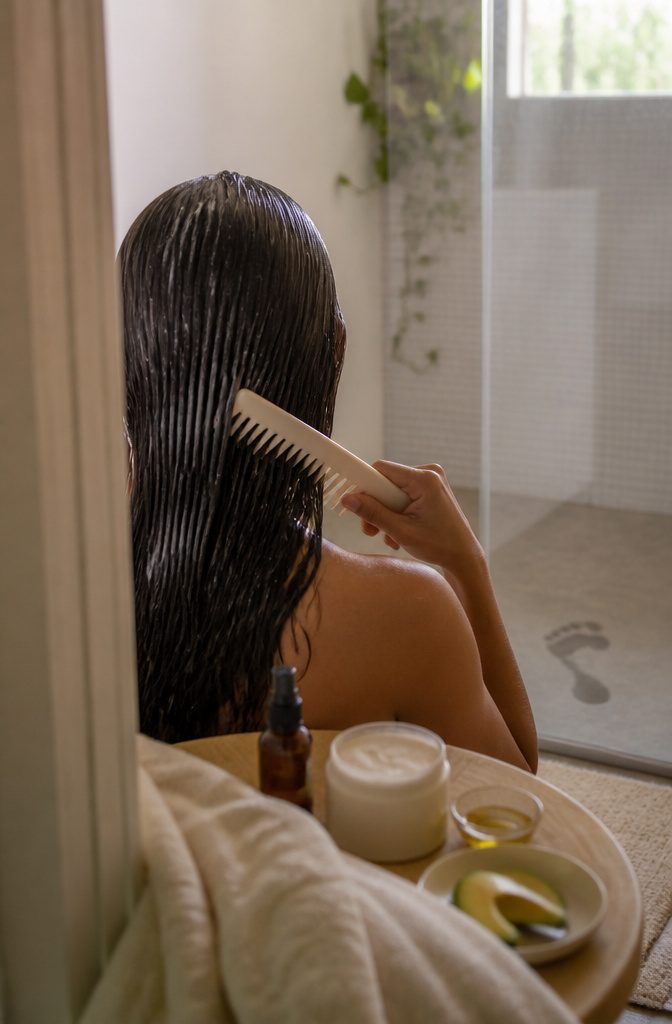
Conditioner earns its place in a growth routine because it cuts breakage, and breakage is what keeps hair from getting longer.
Coloring and heat styling thin the strands toward the ends, and conditioner helps replace the fat and protein inside the shaft while sealing in moisture. Comb it through for even coverage and leave it in for 2 to 3 minutes before rinsing.
A mask goes on once a week, though some routines stretch it to once a month.
I’d start weekly and back off if hair feels heavy. After the shower, a leave-in with avocado or jojoba oil is the easiest daily moisturizer.
None of this creates new growth. It protects the length you already have.
5. Limit Heat and Chemical Damage
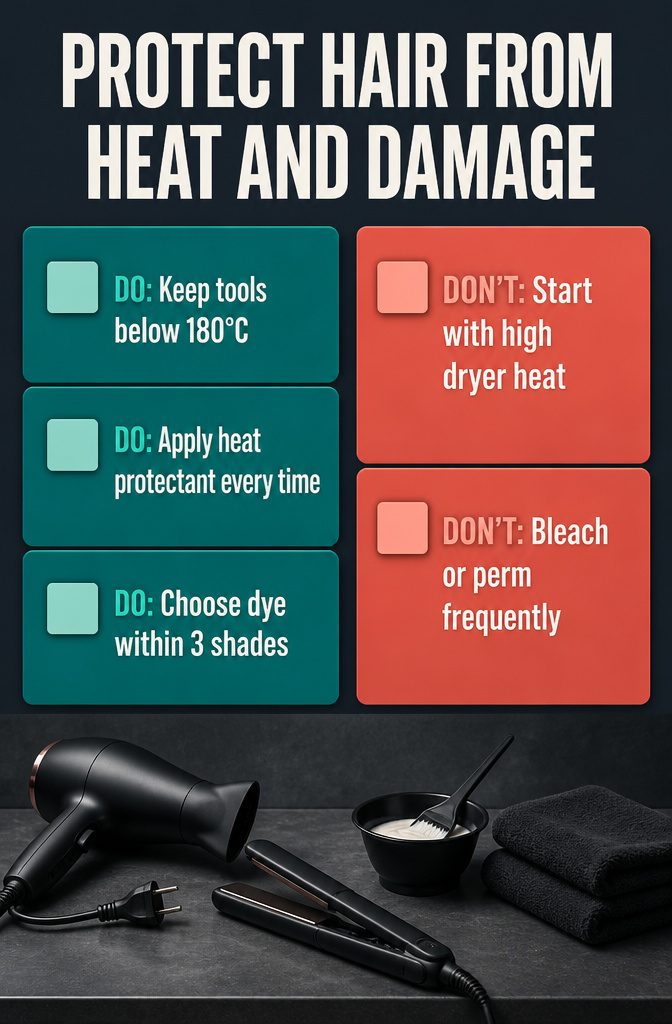
Heat roughens the cuticle, and the breakage that follows can make hair look like it barely grows. These changes cut that loss:
- Keep styling tools below 180°C (about 356°F), and apply a heat protectant before every session.
- Start the blow-dryer on its lowest setting and raise the heat only if you need to.
- Air-dry when your schedule allows. It takes longer and a blowout looks sleeker, so I’d treat heat as an occasional choice, not a daily habit.
- Pick a dye within 3 shades of your natural color.
- Space out bleaching and perming as far as you can, since both weaken the hair’s structure.
6. Handling and Styling
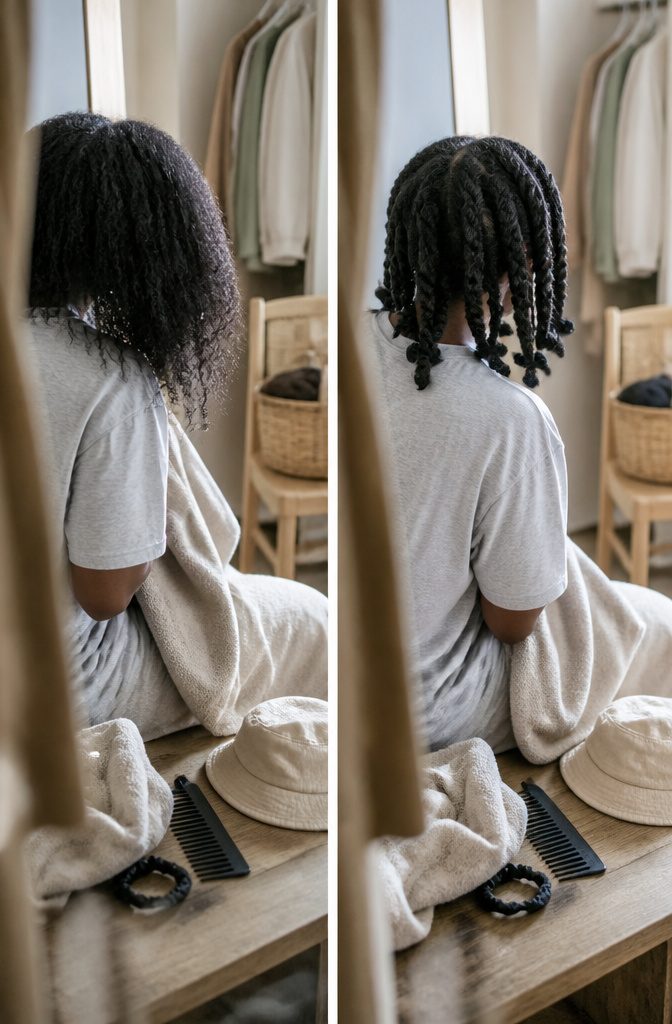
Wet hair is 3 times more vulnerable to breakage, so rough handling right after a shower does the most harm.
Squeeze or pat the water out instead of rubbing with a towel, then work through tangles with a wide-tooth comb. Leave the brush for dry hair, and don’t comb more than you have to.
Ponytails, buns, and braids pulled tight can cause breakage and even traction alopecia, which is hair loss from repeated pulling.
Keep styles loose and use snag-free ties. For days when you want hair out of the way, I like protective styles such as loose twists, rolls, and French braids, because they cut down on daily handling.
Hats get blamed unfairly. There’s no scientific evidence that wearing one regularly causes hair loss, but choose a breathable one that isn’t tight.
7. Trim Every 10 to 12 Weeks
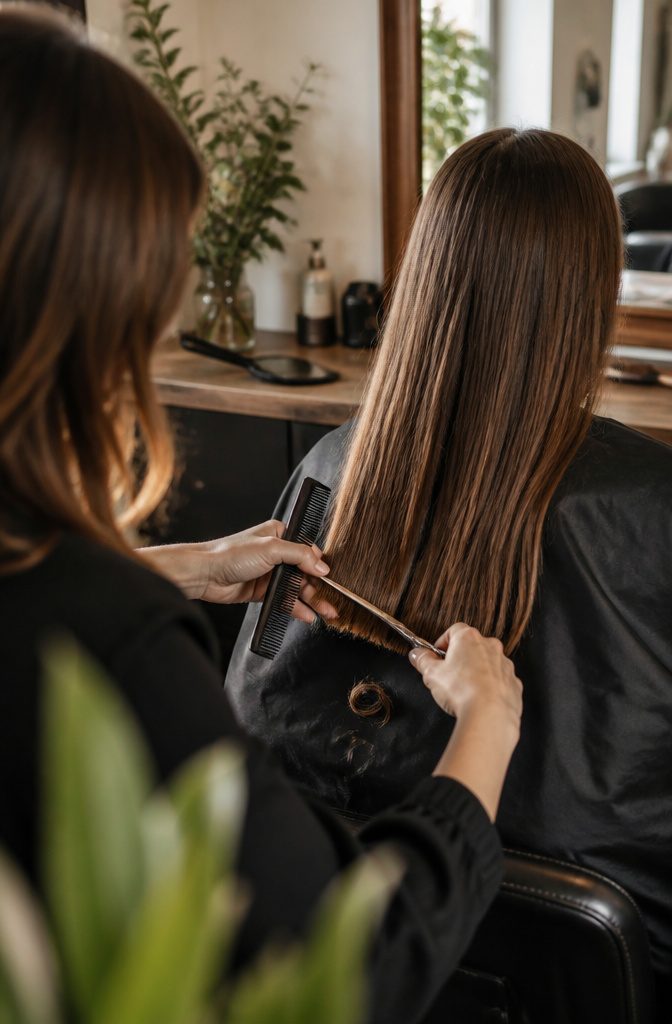
Split ends travel. Once a tip frays, the split works up the shaft, and the break can end up costing more length than a trim would have.
A trim every 10 to 12 weeks stops that, and a range of 8 to 12 weeks is also common. I’d stay near 12 if your ends look healthy and move toward 8 once you spot splits forming.
Ask for only an eighth of an inch. That is barely visible, and it still takes off the frayed tip before it climbs.
Trims do not make follicles grow faster.
Growth starts at the scalp, and scissors never reach it. What a trim does is help you keep the length you have already grown.
8. Manage Stress
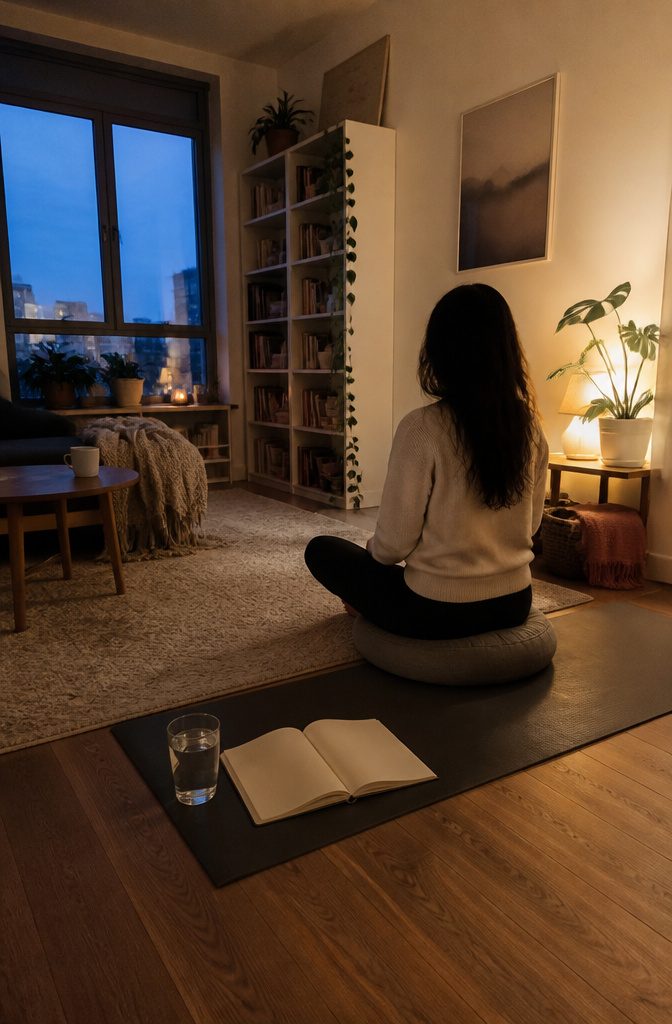
Chronic stress shows up in your hair.
When you’re stressed, your body makes more cortisol, which can push follicles into the resting phase early and lead to extra shedding. Lowering stress won’t guarantee regrowth, but it removes one thing working against you.
The habits worth trying are the ordinary ones: regular exercise, time with friends, a new skill or hobby, and mindfulness. Mindfulness can be meditation, yoga, or a nightly wind-down routine.
Exercise and socializing are the easiest to keep because they slot into a week you already have. I’d pick one and stick with it before stacking all four, since a plan you abandon does nothing for your hair.
9. Supplements and Vitamins

Supplements make the most sense when a deficiency is behind the shedding, and a doctor can check that before you spend anything.
Without one, there’s little evidence they help, and too much of certain nutrients can cause hair loss on its own. The FDA doesn’t regulate them, so labels can claim almost anything, and some interact with medications.
Red ginseng is the one I’d watch. A 2021 study found it promising for stimulating growth, though why it works is unclear.
Saw palmetto is applied rather than swallowed: stir 1 tablespoon of powder into a glass of water, massage it into your scalp for 5 minutes, then shampoo and condition as usual.
Use it daily for at least 12 weeks before judging whether it did anything.
10. Topical Oils and Natural Remedies
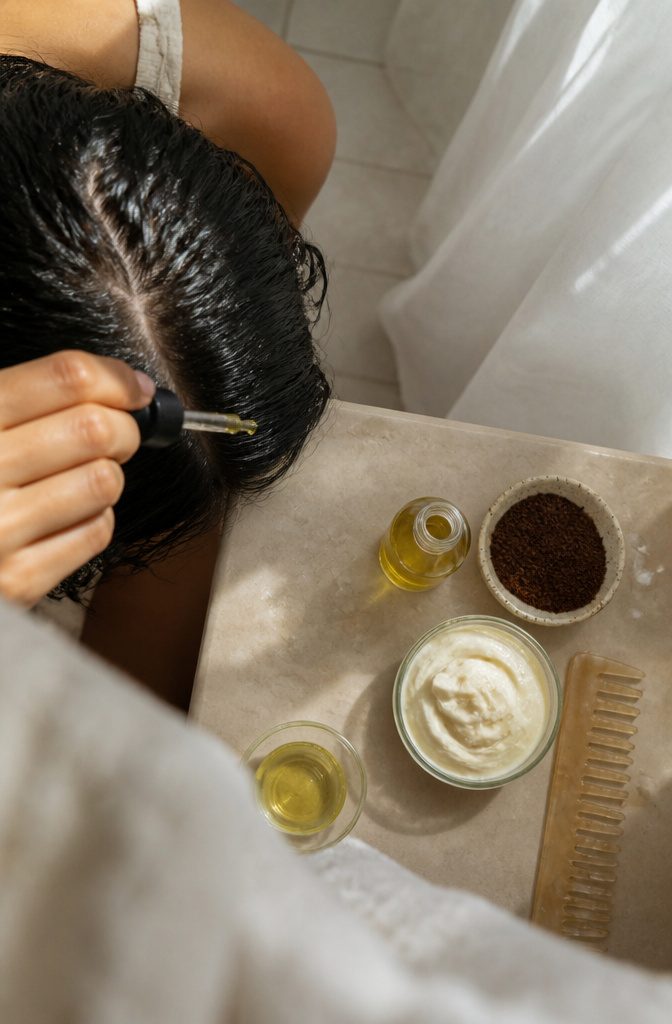
Castor oil is the simplest place to start: a few drops massaged into the scalp and left for 30 minutes before rinsing. It moisturizes and calms dryness, but I’d call it scalp care rather than a growth guarantee.
Rosemary has a thinner case: a 2021 study found a 1% herbal lotion increased growth in mice, and mice are not you. Coconut oil works as a pre-wash or post-wash treatment for the same scalp-health reason.
If you add essential oils, use 3–5 drops per tablespoon of carrier oil such as jojoba or sweet almond.
For a coffee scrub, stir 2 teaspoons of coffee powder into 4 tablespoons of moisturizing mask and use it once or twice a month, never on scalp wounds.
11. Sun and Chlorine Protection

A hat is the easiest fix on this list. Sun exposure affects the condition of the roots and scalp, and that can lead to growth problems, so a hat on long, bright days is cheap protection.
It matters most if you live somewhere the sun shows up nearly every day.
Pool chlorine and salt water are the other summer hazards. Both can leave hair dry and dull, and dry hair is the kind that snaps and hides whatever length you’ve gained.
I rank this as a smaller lever than the habits above. Shade and a hat won’t speed up growth on their own, but they keep you from losing ground in summer.
12. See a Dermatologist
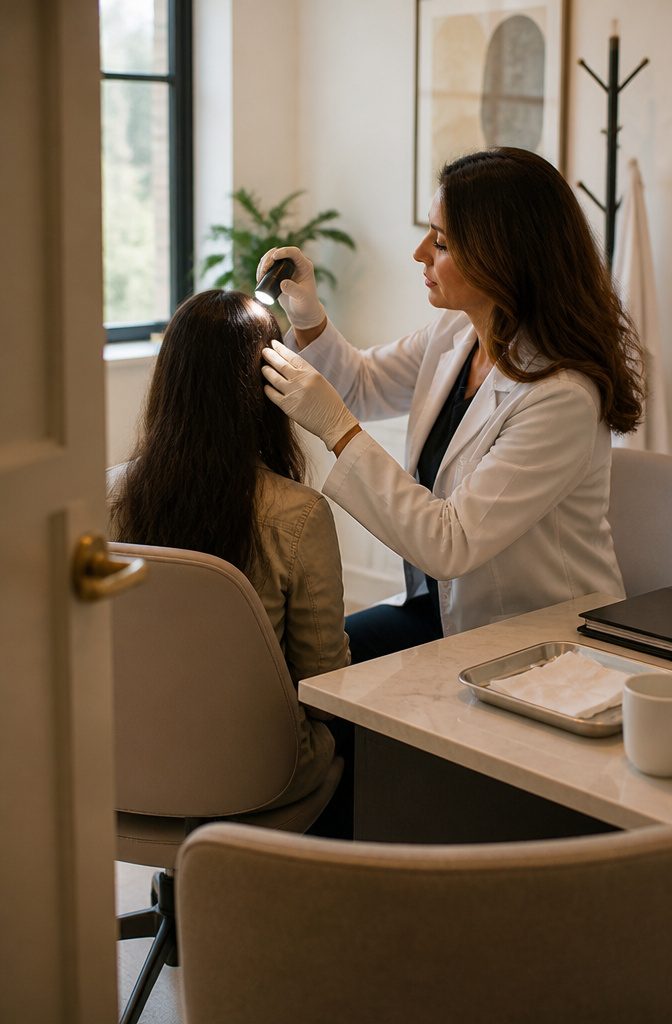
Normal shedding runs 50 to 100 hairs a day. More than 100 consistently, sudden loss, bald patches or scalp irritation all deserve a dermatologist visit, since an underlying health issue may be behind them.
Minoxidil, PRP, microneedling and low-intensity laser all exist, but each needs a clinician’s assessment and monitoring. Even PRP, which usually takes four sessions, is a gamble:
"Studies show that 20 percent of people get a significant improvement [in hair growth], 20 percent get slim-to-no results, and, anecdotally, the other 40 percent get a 10 to 15 percent improvement."
Before paying for a series, ask the provider honestly which group you are likely to land in.
Realistic Growth Expectations
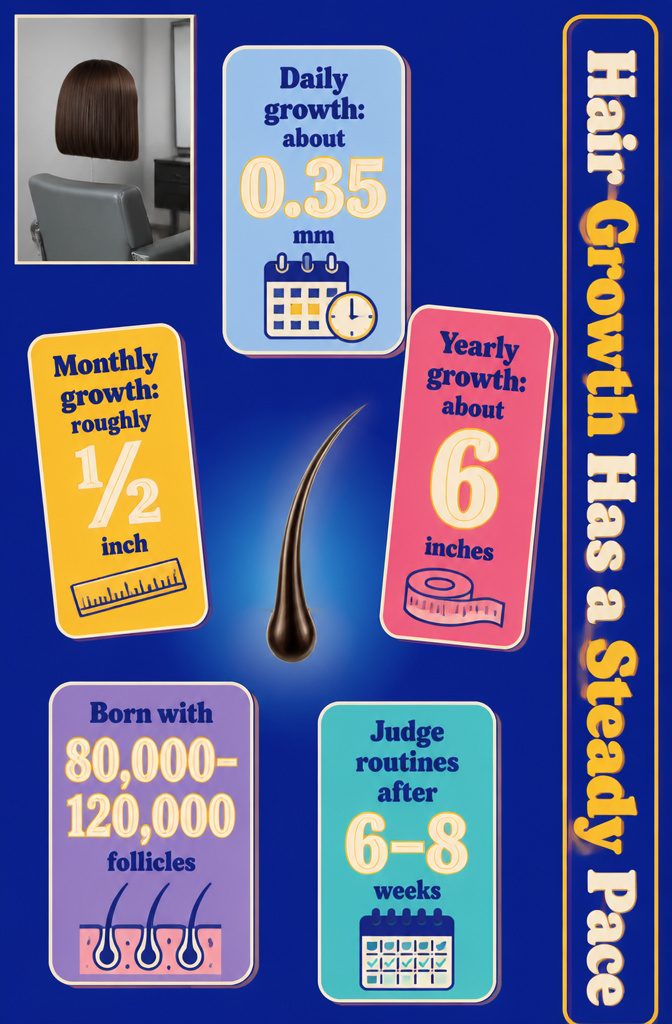
Hair grows about 0.35 mm a day, which works out to roughly ½ inch a month or 6 inches a year.
Short cuts like a bob or a buzz cut seem to grow faster only because the change is easier to see. Long hair can look stalled while it keeps moving at the same pace.
You were born with 80,000 to 120,000 follicles, and no shampoo or serum adds to that count. Genetics, hormones, age, health and nutrition set how well those follicles perform.
Give any new routine 6 to 8 weeks before you judge it. A promise of 1 inch in 15 days is far beyond what hair does, and I’d skip any product that makes it.
Patch Test Before You Try Remedies
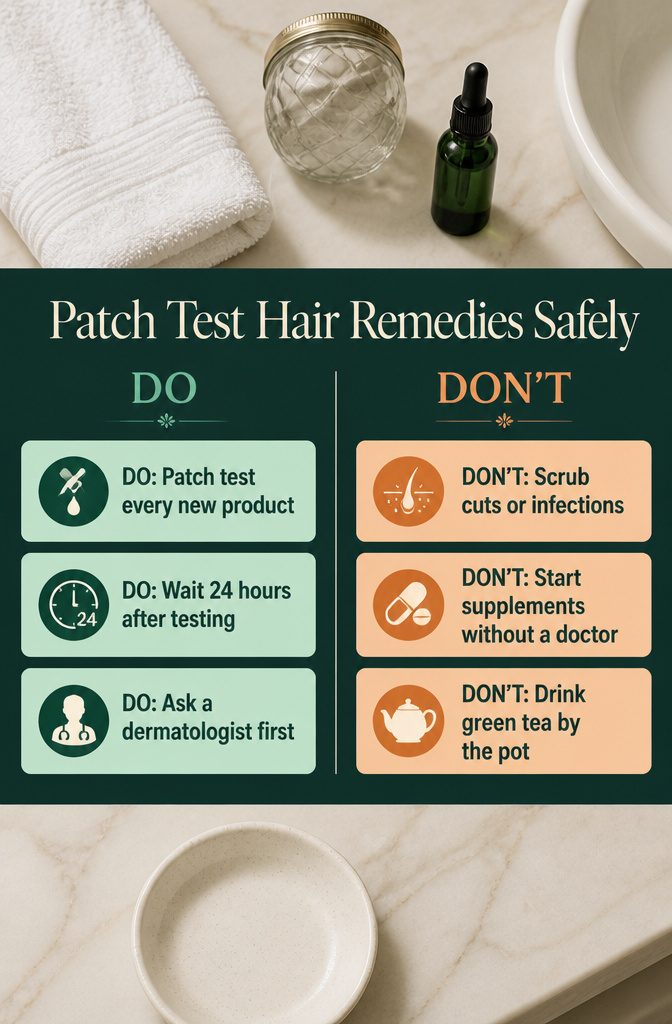
Check these before anything touches your scalp or goes into your routine:
- Allergic reactions can happen even with natural ingredients. Dab a little on your inner forearm and wait 24 hours. Patch test every new product, essential oils most of all.
- With a sensitive scalp or a scalp condition, see a dermatologist before trying a remedy, not after a bad reaction.
- Skip the coffee scrub if you have a cut, wound or scalp infection. Scrubbing broken skin only irritates it.
- Ask a doctor before starting supplements. Too much of certain nutrients can cause hair loss, and it’s unclear they help if you aren’t deficient.
- Drink green tea in moderation rather than by the pot, and check with your doctor if you’re unsure.
Frequently Asked Questions
How can I make my hair grow faster at home?
Nothing at home speeds up the follicle. Hair grows about ½ inch a month, and genetics, hormones, age and health set that pace.
What you can do is protect the length you grow: eat enough protein, massage your scalp, handle wet hair gently, limit heat, and trim every 10 to 12 weeks.
The same habits cut breakage, which makes hair look thicker, but no shampoo or serum adds follicles.
Can you grow 1 inch of hair in 15 days?
No.
Hair grows about 0.35 mm a day, roughly ½ inch a month, so 1 inch in 15 days is far beyond normal, and meaningful regrowth in 3 weeks isn’t realistic either. Skip any product that promises it.
How long does it take to see results from hair growth tips?
Give any new routine 6 to 8 weeks before judging it.
Hair moves slowly, so earlier checks tell you little. Fixing a nutrition gap or cutting breakage shows up as stronger strands, not faster ones.
How often should I massage my scalp for hair growth?
Once a day for 3 to 5 minutes.
Use your fingertips, not your nails, and press in small circles from the temples toward the crown. The evidence is modest, so treat it as a low-risk habit rather than a cure.
What foods are good for hair growth?
Aim for at least 45 grams of protein a day, since hair is about 95% keratin. Eggs, fish, chicken, yogurt and cottage cheese cover the animal side, while lentils, black beans, other legumes, nuts and leafy greens work on a plant-based plate.
Food fixes gaps and gives you stronger hair, but it doesn’t make follicles grow faster.
How can I reduce hair breakage?
Start with how you treat wet hair, which is 3 times more vulnerable to breakage: pat it dry instead of rubbing, detangle with a wide-tooth comb, and save the brush for dry hair.
Keep styling tools below 356°F (180°C) with a heat protectant, wear ponytails and braids loose, and use conditioner after washing. Regular trims stop split ends from traveling up the strand.
Does wearing a hat cause hair loss?
No.
There’s no scientific evidence that wearing a hat regularly causes hair loss. If you’re worried, pick one that’s breathable and not tight.
Are there side effects to natural hair growth remedies?
Yes, allergic reactions can happen even with natural ingredients, and essential oils are the most common culprit.
Dab a little on your inner forearm and wait 24 hours before using it on your scalp. If your scalp is sensitive or has a condition, see a dermatologist first, and skip scrubs on cuts, wounds or infections.
When should I see a dermatologist about hair loss?
Book a visit if you consistently lose more than 100 hairs a day, since normal shedding is 50 to 100. Sudden loss, bald patches and scalp irritation also deserve a visit, because an underlying health issue may be behind them.
Can I regrow hair after balding?
It depends on the cause, and a dermatologist is the person to sort that out.
Home routines can’t add follicles, since you’re born with a fixed 80,000 to 120,000. Options like minoxidil, PRP, microneedling and low-intensity laser exist, but each needs a clinician’s assessment and results vary a lot from person to person.
Do I need to buy special products to grow hair at home?
Mostly no. Scalp massage, loose styles, air-drying and regular trims cost nothing extra, and the basics to buy are a gentle shampoo, a conditioner and a heat protectant.
Supplements only make sense when a deficiency is behind the shedding, so check with a doctor before spending money on them.