
Stretching washes to every 3–4 days and switching to lukewarm water costs nothing and eases true dry scalp.
People go wrong by treating every flake as dryness. Small, dusty, white flakes on a tight scalp need moisture; larger white or yellow flakes on an oilier scalp are dandruff, and need a medicated shampoo such as ketoconazole.
1. Adjust Your Washing Routine
Overwashing strips the oils that keep the scalp comfortable, so cutting back is the first change I’d make.
Stretch washes to every 3–4 days, adjusting for hair type and how oily you get, or just add one extra day between washes. Choose a gentle shampoo labeled nourishing, hydrating or moisturizing.
Rinse longer than feels necessary. Leftover shampoo is an overlooked reason for itching right after a wash, and a few extra seconds at the roots usually fixes it.
Curly hair runs on a different schedule: once or twice a week with a sulfate-free shampoo or co-wash, plus a clarifying shampoo every 4–5 washes to clear buildup. Co-washing alone won’t cleanse the scalp well over time.
2. Medicated Shampoo
A medicated shampoo makes sense once the flakes and itch point to dandruff or another scalp condition. Six actives do the work: zinc pyrithione, salicylic acid, sulfur, selenium sulfide, ketoconazole and coal tar.
| Active | Example | Leave on |
|---|---|---|
| Ketoconazole | Nizoral | 5–10 minutes |
| Coal tar | DHS Coal Tar | 3–5 minutes |
| Selenium sulfide | Head & Shoulders Clinical Strength | 2–3 minutes |
| Salicylic acid | Neutrogena T/Sal | n/a |
| Zinc pyrithione | DHS Zinc | n/a |
| Sulfur | n/a | n/a |
Ketoconazole goes on daily until things improve, and zinc pyrithione up to 5 times weekly. With curly or coily hair, once a week is the usual pace, applied to the scalp only, because these actives dry the strands.
Coal tar raises sun sensitivity, so wear a hat and use SPF 30+ broad-spectrum, water-resistant sunscreen.
3. Oils and Home Remedies
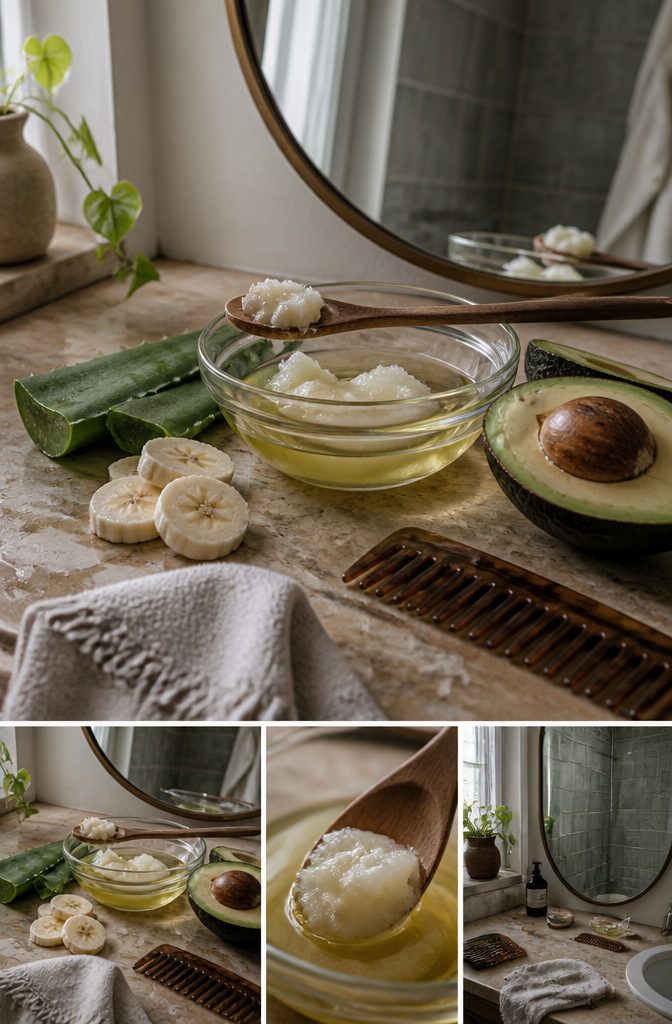
Five kitchen-cabinet options, each on a different clock:
- Coconut oil: leave it on at least 30 minutes. A 2021 dandruff study found it effective, so it’s my first pick.
- Olive oil: 20–30 minutes. It can encourage Malassezia growth, so it ranks last for me.
- Tea tree oil: 15 minutes mixed into a carrier oil, or 10–20 drops in a bottle of gentle shampoo.
- Apple cider vinegar: dilute 1:3, or use 2 tbsp in 12 oz distilled water. It can irritate, so stop if flaking worsens.
- Aloe vera: about 20 minutes. In a 44-person trial, it eased scaling and itching in seborrheic dermatitis.
Oatmeal, banana and avocado masks are gentler pantry options if oils feel heavy. No single remedy suits everyone, so patch test on a small spot before covering your whole scalp.
4. Exfoliate the Scalp
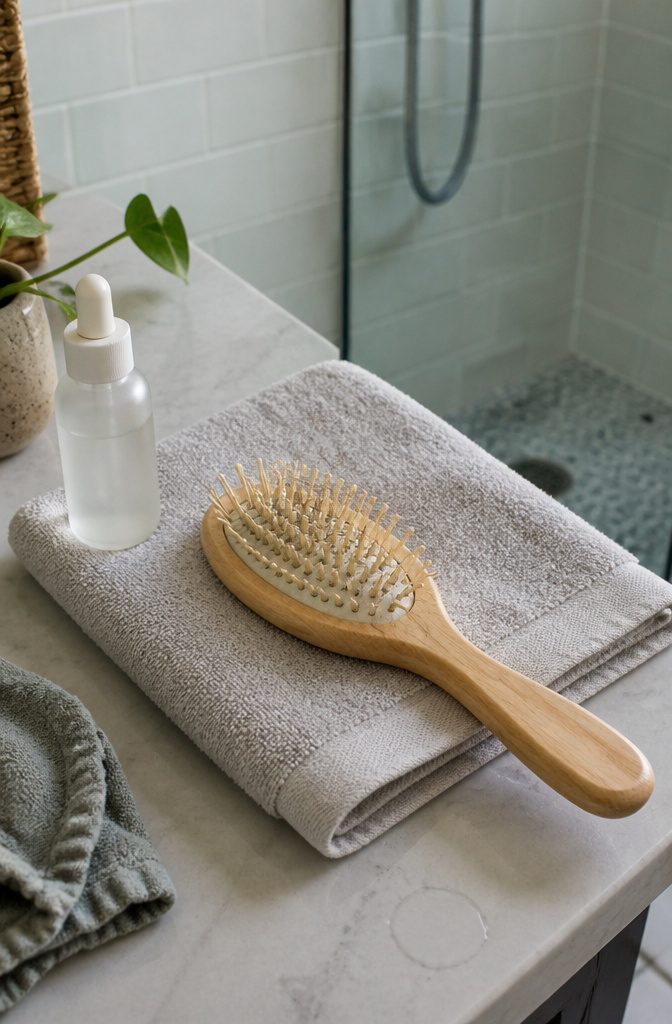
Fingertips are the gentlest tool. Rub small circles over the scalp with the pads, not the nails, or move a soft bristle hairbrush in the same circles to loosen flakes.
Do it at least once a week, before a scalp mask or serum, so the treatment absorbs deeper.
Salicylic acid softens scaling skin so it brushes off easily, and many clarifying shampoos and rinseable serums contain it.
I prefer a chemical exfoliant to a gritty scrub, and Ameliorate’s lactic acid and cellulose cleanser, used two to three times a week, fits that.
Flaking is not automatically dry scalp. Exfoliating a dandruff or eczema scalp can backfire, so stop if itching or redness increases.
5. Lukewarm Water and Less Heat
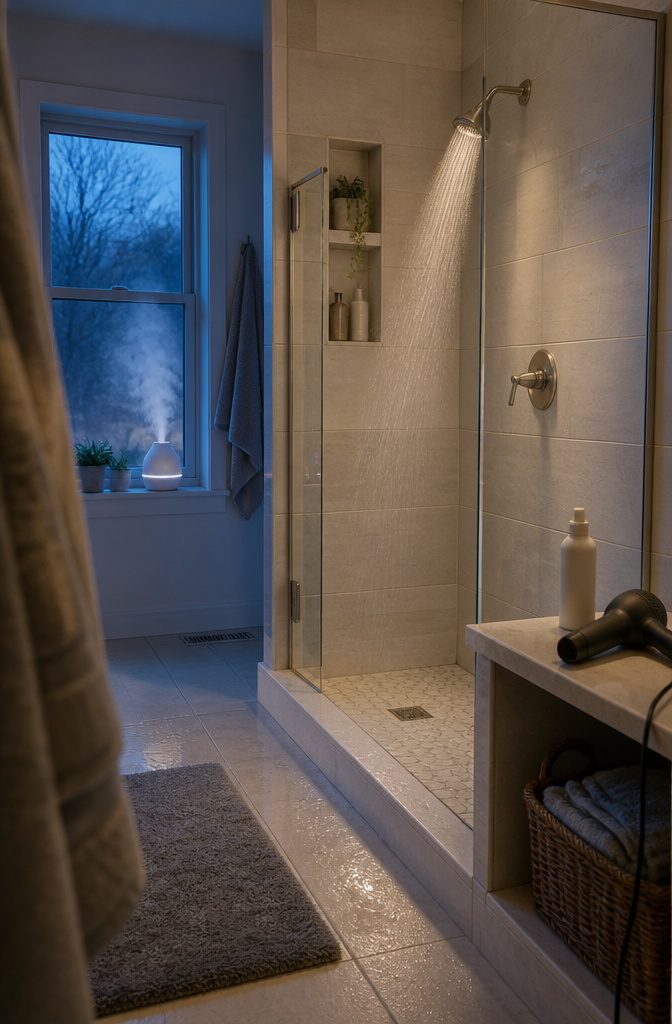
Hot water strips the oils your scalp relies on, so wash with lukewarm water: warm enough to rinse out shampoo, cool enough not to dry you out.
Cold water rinses poorly, so don’t overcorrect. The AAD suggests keeping showers to 5 minutes when possible, since long, steamy ones do the most damage.
Heat styling dries the scalp the same way.
Pause the blow dryer and hot tools until the flaking settles. If you have to dry your hair, prep it with a heat protectant such as L’Oréal Paris Sulfate Free Moisture 21-in-1 Leave-In Conditioner.
Winter makes all of this worse, because skin can be up to 25% less effective at retaining moisture in colder seasons.
A humidifier takes the edge off forced indoor heat. Add 8 glasses of water a day, which costs nothing and is worth doing.
6. Check for Irritants
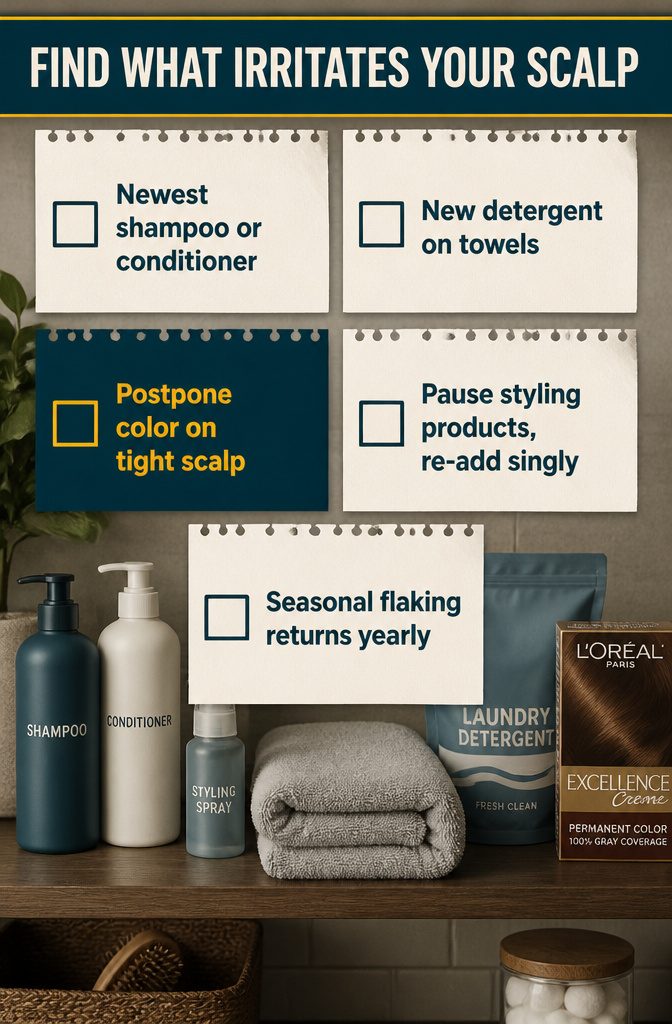
Remove suspects one at a time, so a flare-up points to a single cause:
- New hair products: Stop the newest shampoo or conditioner first. A recent switch is the easiest culprit to spot.
- Detergent: A new laundry detergent can reach your scalp through pillowcases and towels.
- Dyes and bleach: Both can leave the scalp tight and itchy. L’Oréal advises you to postpone coloring while the scalp is dry or tight, and I’d follow that.
- Styling products: Drop gels, sprays and leave-ins, then add them back singly.
- Seasonal changes: Flaking that returns at the same time every year points to the weather.
Benadryl may ease itch from an allergic reaction. It won’t help itch from dandruff or psoriasis, so a failed dose doesn’t rule out an allergy.
7. See a Dermatologist
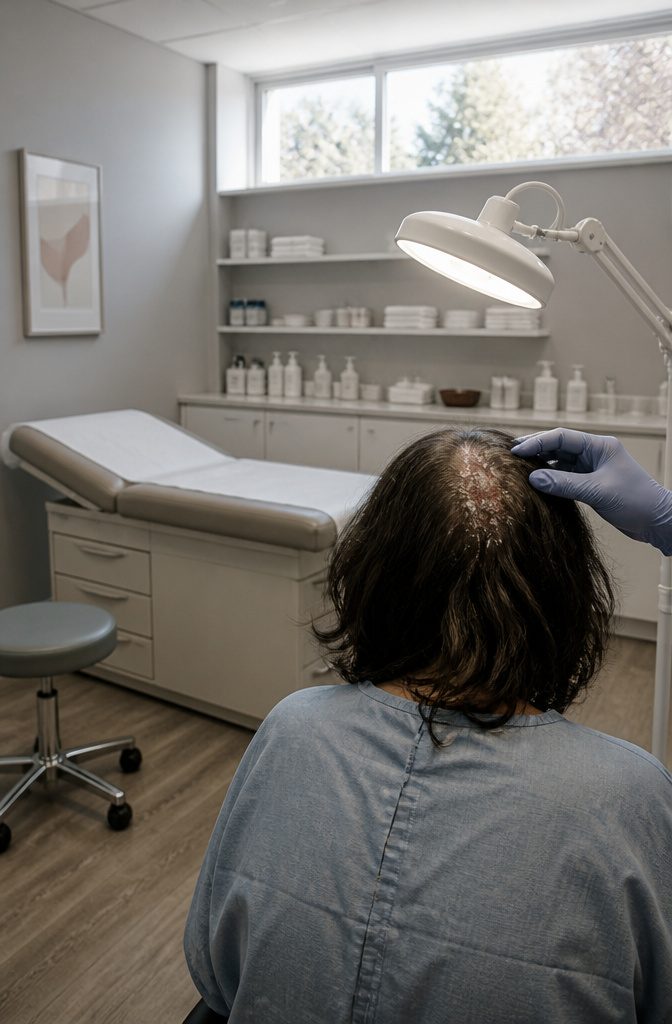
If flaking and itching hold on through weeks of gentler washing and a medicated shampoo, or get worse, simple dryness is probably not the cause.
Thick, scaly patches, a red or greasy scalp, and flakes that return within days point toward eczema, psoriasis or seborrheic dermatitis. Those need a dermatologist, not another oil.
Skin normally renews on a slow cycle of weeks. Speed it up and flakes get heavier; in psoriasis the cycle shrinks to a few days, so the scale looks nothing like dust.
A doctor can also check for nutritional or hormonal causes, including iodine deficiency and thyroid problems, and can prescribe shampoos stronger than anything over the counter.
Dry scalp itself does not cause hair loss, but hard scratching and some of these conditions can add to shedding.
What Causes a Dry Scalp
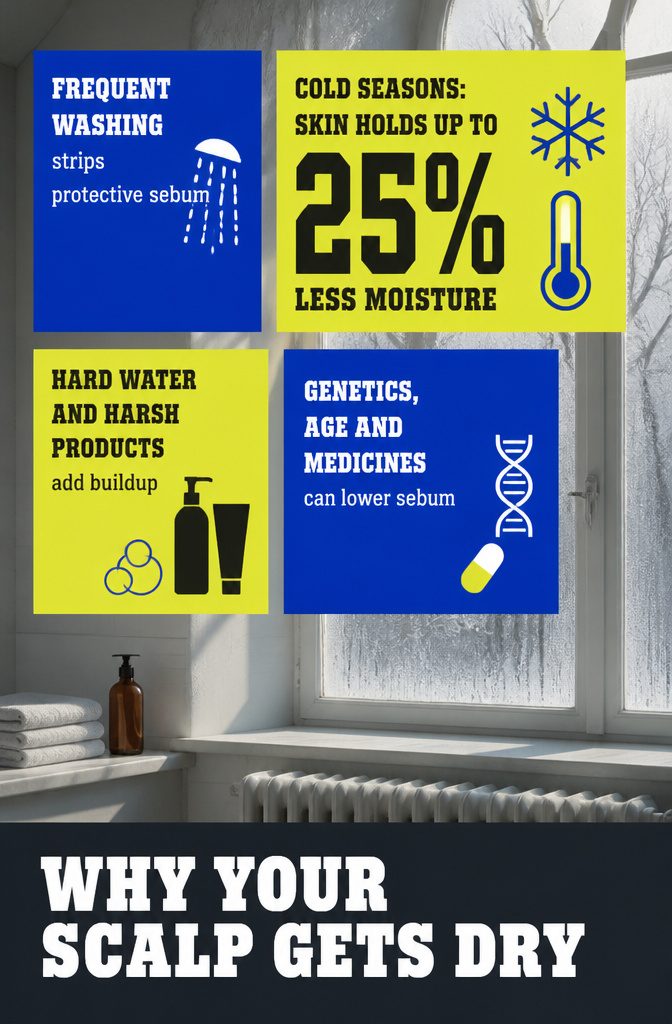
Shampooing too often strips sebum, especially with a strong clarifying formula, and hot water does the same. Both point to the washing and water fixes above: lukewarm water and about 5 minutes in the shower.
Cold, dry air adds to it.
Skin can be up to 25% less effective at holding moisture in colder seasons, and indoor heating makes it worse. Harsh products and hard water build-up belong on the outside list too, which is why swapping products helps.
Genetics can mean lower sebum output, and age or hormonal shifts, including contraceptives and menopause, lower it further. Blood pressure drugs, antihistamines and cholesterol medication can dry skin.
Poor diet and too much sebum can flake the scalp as well. I’d start with the outside causes, since a new shampoo won’t touch the inside ones.
Dry Scalp Versus Dandruff
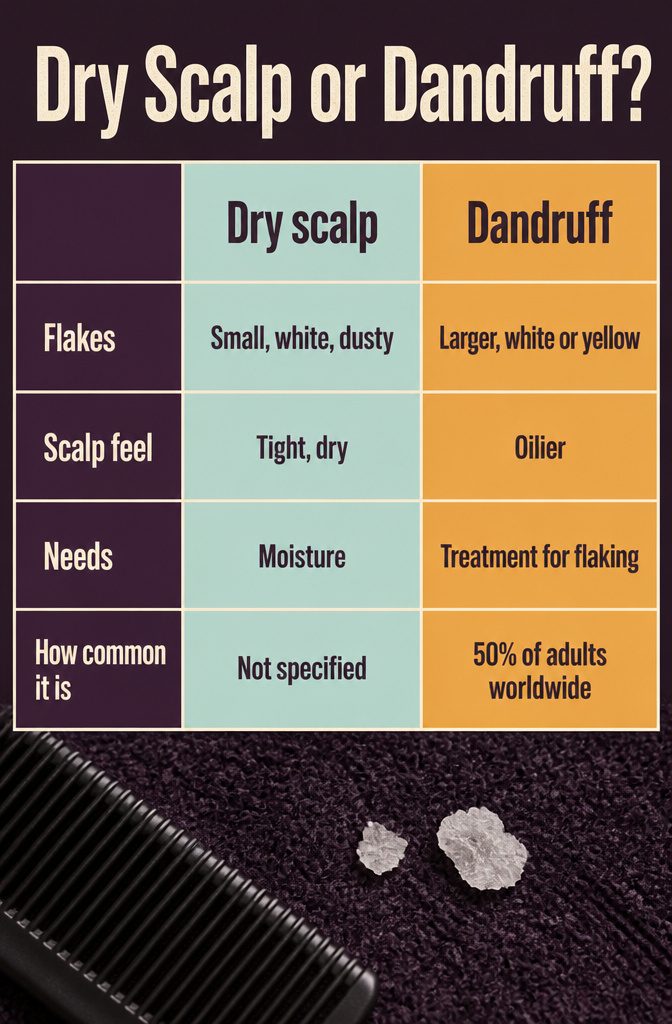
Dry scalp flakes are small, white and dusty, and the scalp feels tight, often right after washing.
Dandruff flakes are larger, may look white or yellow, and sit on a scalp that feels oilier. Dandruff is common, with an estimated 50% of adults worldwide affected.
| Dry scalp | Dandruff | |
|---|---|---|
| Flakes | Small, white, dusty | Larger, white or yellow |
| Scalp feel | Tight, dry | Oilier |
| Needs | Moisture | Treatment aimed at the flaking itself |
Matching the treatment to the flake type matters because moisturizing a dandruff scalp misses the cause, and so does skipping moisture on a dry one. Check which description fits before buying anything.
Eczema, psoriasis and seborrheic dermatitis can look nearly identical. If flaking is persistent, red or inflamed, it needs a medical assessment, not another shampoo.
Food and Nutrition
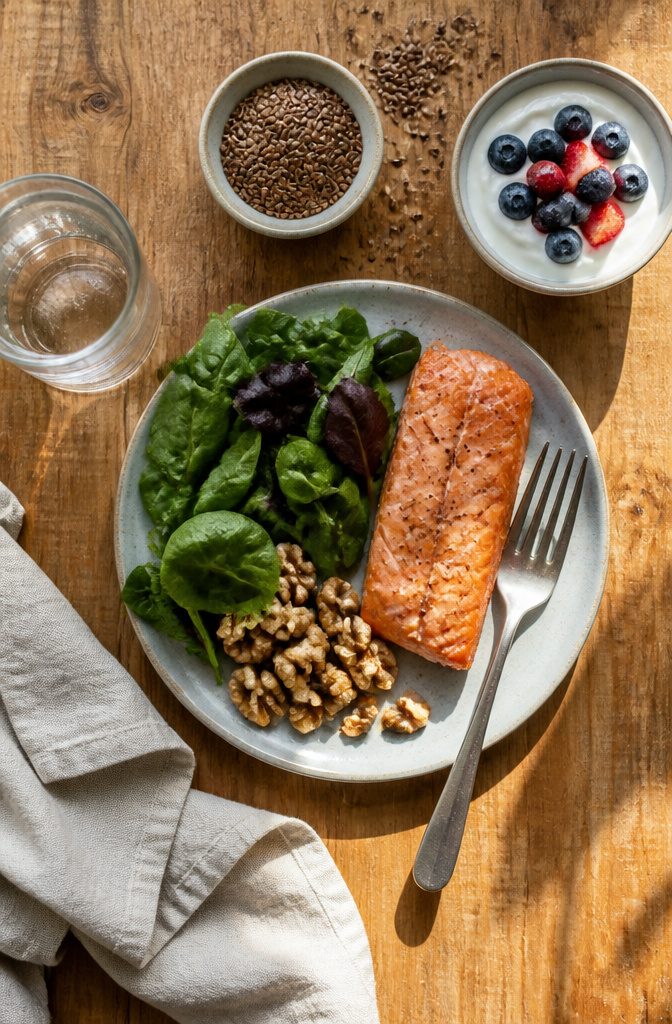
Diet is a supporting player here, and the evidence is limited and uneven. Omega-3 foods are the easiest place to start: salmon, tuna, flax seeds and walnuts.
Low B12 and B6 may also dry skin, and seafood, eggs, whole grain cereals and poultry cover both. Zinc, biotin, vitamin A and iron are worth adding too.
A whole-food diet heavy on fruits and vegetables may help dandruff, while a Western diet high in fat and sugar has been linked to more seborrheic dermatitis in women.
Probiotic research is still thin, but yogurt and sauerkraut are a low-risk try.
Some practitioners test for food sensitivities and, if needed, cut dairy, wheat, eggs and peanuts. I’d do that only with testing and guidance, not as a guess.
Frequently Asked Questions
How do you stop dry scalp?
Start by washing less often, using lukewarm water, and switching to a gentle moisturizing shampoo.
Coconut oil left on for at least 30 minutes and a weekly scalp exfoliation can help too. Before you buy anything, check that the flaking isn’t dandruff or eczema, since those need different treatment.
Does dry scalp ever go away?
It often does once you correct the cause, such as overwashing, hot water, heat styling, or an irritating product.
If the flaking and itching hold on through weeks of gentler washing and a medicated shampoo, or get worse, simple dryness is probably not the problem. At that point a dermatologist is the next step.
How often should you wash your hair if you have a dry scalp?
Every 3–4 days works for most people, adjusted for hair type and how oily you get.
If that feels like too big a jump, just add one extra day between washes. Curly hair does better with once or twice a week using a sulfate-free shampoo or co-wash.
What does a dry scalp look like?
Dry scalp shows up as small, white, dusty flakes on a scalp that feels tight, often right after washing.
Dandruff flakes are larger, can look white or yellow, and sit on a scalp that feels oilier. Eczema, psoriasis, and seborrheic dermatitis can look much the same, so red or inflamed flaking deserves a medical look.
Why does my scalp itch after washing my hair?
Shampoo left on the scalp is a common cause.
Rinse with lukewarm water for a few extra seconds at the roots. If the itch keeps coming back, look at your products and detergent as possible irritants.
Why has my scalp suddenly become flaky?
A recent change is the usual suspect: a new shampoo or conditioner, a new laundry detergent, hair dye or bleach, or a new styling product.
Cold, dry air and indoor heating can also dry the skin out. Remove suspects one at a time so a flare-up points to a single cause, and note whether the flaking returns at the same time every year.
Why is my head itching so badly?
Dandruff, eczema, and psoriasis are common causes, and irritants like a new product, dye, or detergent can do it too.
Thick, scaly patches, a red or greasy scalp, or flakes that return within days point toward a skin condition rather than plain dryness. If the cause is unclear, see a doctor or dermatologist.
Which shampoo is best for an itchy, flaky scalp?
For dandruff-type flaking, a medicated shampoo with ketoconazole, coal tar, selenium sulfide, salicylic acid, zinc pyrithione, or sulfur is the usual choice.
Ketoconazole (Nizoral) is used daily until things improve and left on for 5–10 minutes. If over-the-counter options fail, a dermatologist can prescribe something stronger.
Will Benadryl help an itchy scalp?
Only if the itch comes from an allergic reaction. It won’t help itching caused by dandruff or psoriasis, so a dose that does nothing doesn’t rule out an allergy.
How can I exfoliate my scalp?
Rub small circles over the scalp with your fingertip pads, not your nails, or use a soft bristle hairbrush the same way.
Do it at least once a week, ideally before a scalp mask or serum. A salicylic acid product is a gentler alternative to a gritty scrub; stop if itching or redness increases.
Can dry scalp cause hair loss?
No, dry scalp doesn’t directly cause hair loss.
Hard scratching can lead to extra shedding, though, and conditions like seborrheic dermatitis can add to it. If your scalp stays dry, sore, and irritated, see a dermatologist.
Can diet help or worsen an itchy, dry scalp?
Diet plays a supporting role, and the evidence is limited. Omega-3 foods like salmon, flax seeds, and walnuts are an easy place to start, along with B12 and B6 sources such as eggs and poultry.
A Western diet high in fat and sugar has been linked to more seborrheic dermatitis in women, while a whole-food diet heavy on fruits and vegetables may help dandruff.